

Imagine you’re gearing up for your car’s emissions test, but there’s one pesky detail that’s causing you some concern—the brake light is on. You might be asking yourself, “Will my car pass emissions with the brake light on?”
It’s a question many drivers face, and you’re not alone in wondering about it. This seemingly minor issue can create a whirlwind of anxiety, leading you to question the state of your car and the potential impact on your test results.
But don’t worry, understanding how your brake light might affect the emissions test is crucial, and we’re here to guide you through it. You’ll discover the connection between your brake system and emissions testing, unravel some common misconceptions, and learn what steps you can take to ensure your car passes with flying colors. So, stick around—your peace of mind and a successful emissions test could be just a few paragraphs away.
Emissions Testing Basics
Understanding emissions testing is crucial for every car owner. It’s not just about keeping your vehicle in check but also ensuring it meets environmental standards. You might wonder if a brake light issue could affect your emissions test. Let’s break down the basics and see how different components play a role in this process.
What Is Emissions Testing?
Emissions testing measures the pollutants your car emits. This test ensures your car isn’t contributing excessively to air pollution. It’s part of the routine checks required by many states. Whether you drive a gas guzzler or a hybrid, emissions testing applies to you.
Components Checked During Emissions Testing
Emissions testing focuses primarily on your car’s exhaust system. It checks for carbon monoxide, nitrogen oxides, and hydrocarbons. The test also verifies the functionality of your catalytic converter and oxygen sensors. It’s all about efficiency and minimizing environmental impact.
Does A Brake Light Affect Emissions Testing?
Brake lights don’t directly impact emissions testing. Emissions tests focus on your car’s exhaust and engine components. However, a faulty brake light might flag your car for a safety inspection. Keep your brake lights in working order to avoid unnecessary delays in the testing process.
Preparing Your Car For Emissions Testing
Before the test, ensure your car is running smoothly. Check engine lights should be addressed, and your car should be adequately warmed up. Consider a professional tune-up if your car has been struggling. A well-maintained car is more likely to pass emissions tests with flying colors.
Common Reasons For Failing Emissions Testing
Many cars fail due to issues with the catalytic converter or oxygen sensors. Sometimes, it’s as simple as a loose gas cap. Ensure all components are in top condition. Regular maintenance can prevent these common failures and save you time and money.
Emissions testing is a vital part of car ownership. It ensures your vehicle is performing optimally while reducing its environmental impact. While a brake light issue might not affect the test directly, maintaining every aspect of your car is essential. How prepared are you for your next emissions test?

Credit: www.tiktok.com
Brake Light Indicators
Brake light indicators are more than just warning signals; they play a crucial role in ensuring your vehicle’s safety. When your brake lights are on, it’s a sign that your car’s brake system is engaged, alerting drivers behind you to slow down. However, what happens when this light remains on even when your foot isn’t on the pedal? This can lead to confusion and potentially impact your vehicle’s ability to pass an emissions test. Understanding the importance of brake light indicators can help you address potential issues before they become serious problems.
Common Reasons For Brake Light Issues
Brake light problems can stem from a variety of sources. One common culprit is a faulty brake light switch, which may keep the lights on even when you aren’t braking. Worn-out or damaged bulbs can also cause the light to malfunction. Moreover, electrical issues, such as a short in the wiring, can lead to persistent brake light indicators.
Impact On Emissions Testing
It’s surprising how a brake light issue can affect your car’s emissions test results. While the brake light itself doesn’t directly impact emissions, it might signal underlying problems in the electrical system. Faulty wiring could interfere with other sensors that are crucial during the testing process. Addressing brake light indicators promptly can prevent complications during an emissions test.
Diy Solutions For Brake Light Problems
You don’t always need to rush to a mechanic for brake light issues. Start by checking the bulbs; replacing them is a simple fix that might solve the problem. If the bulbs are fine, inspect the brake light switch located near the brake pedal. Adjusting or replacing this switch can often resolve persistent lights. Don’t forget to examine the wiring for any obvious signs of wear or damage.
Professional Assistance
Sometimes, DIY solutions aren’t enough, and professional help is necessary. If you’ve tried basic fixes and the light remains stubbornly on, consult a mechanic. They can perform a thorough diagnostic to identify and resolve complex electrical issues. Investing in professional assistance can save you time and ensure your vehicle passes emissions testing without any hitches.
Preventive Measures
Prevention is always better than cure. Regularly inspecting your brake lights and ensuring they function correctly can save you from future headaches. Make it a habit to check the bulbs and switches periodically. Ensure your vehicle’s electrical system is well-maintained to avoid unexpected brake light issues. Are you taking the necessary steps to keep your brake lights in check?
Impact Of Brake Light On Emissions Test
A car with the brake light on can still pass an emissions test. The brake light does not affect emissions. Emissions tests focus on the engine’s exhaust system, not the brake lights.
The emissions test checks how much pollution your car produces. Many wonder if a brake light affects this test. A brake light is part of your car’s electrical system. Its impact on emissions tests can be surprising.Understanding Emissions Tests
Emissions tests measure pollutants from your car’s exhaust. These tests ensure cars meet environmental standards. Faulty parts can influence emissions levels.Role Of Electrical System
The car’s electrical system powers many components. The brake light is one of them. If there’s an issue, it may affect overall performance.Brake Light Issues And Emissions
A faulty brake light may signal electrical problems. These can affect engine efficiency. Poor efficiency might increase emissions.Checking Brake Lights Before Tests
Inspect brake lights before your test. Ensure they work properly. Fixing issues may prevent test failures.Common Electrical Problems
Electrical faults can arise from various issues. These include blown fuses and wiring problems. Address these to ensure smooth operations.Impact On Engine Performance
Electrical issues can strain the engine. This might reduce fuel efficiency. Higher fuel consumption can increase emissions.Ensuring Emissions Compliance
Regular checks can help maintain compliance. Fix small issues before they become big problems. This keeps your car running efficiently.Steps To Fix Brake Light Issues
Fixing a brake light is often simple. Replace bulbs or fuses if needed. Check wiring for any damage.Professional Inspection And Repair
Sometimes professional help is necessary. Mechanics can diagnose complex issues. This ensures all electrical components work well.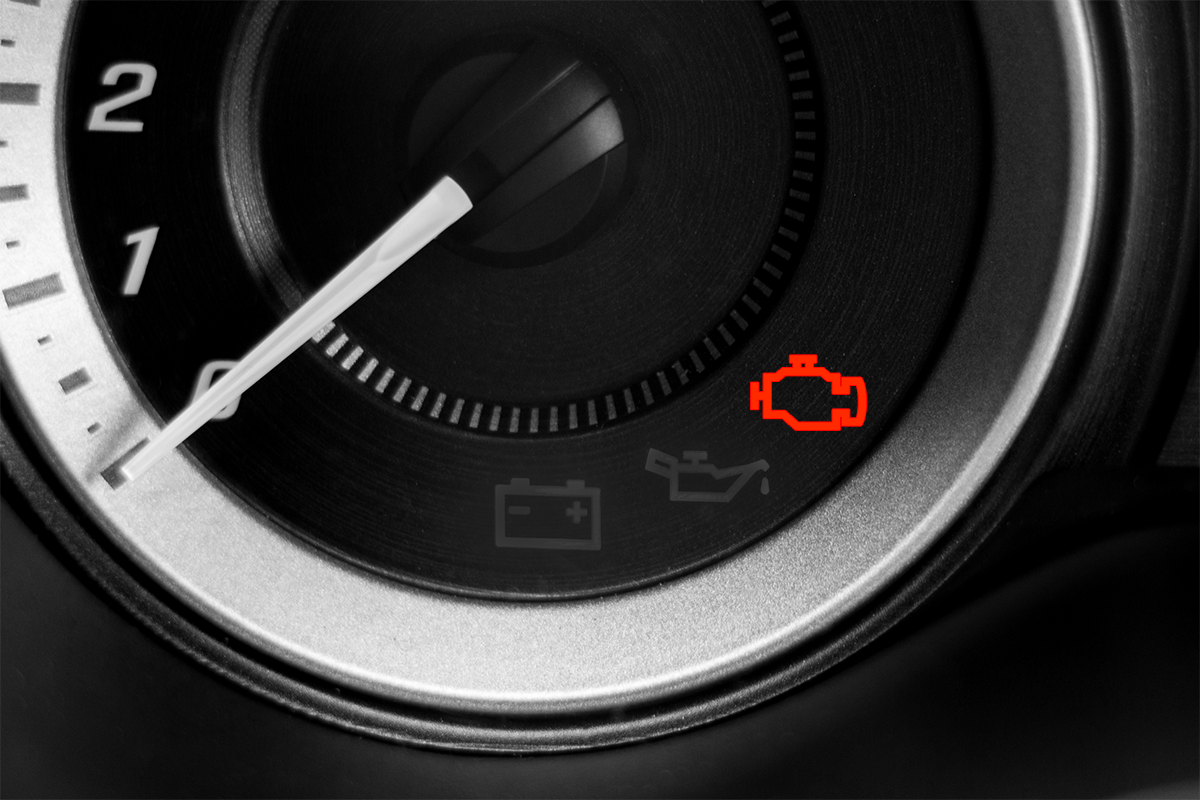
Credit: medium.com
Common Brake Light Issues
Brake lights are crucial for your safety and your car’s compliance with emissions testing. Ignoring these lights can lead to bigger issues, from getting a ticket to failing an emissions test. Understanding common brake light issues can help you ensure your car remains roadworthy and passes necessary inspections.
Faulty Brake Sensors
Brake sensors play a vital role in signaling when you press the brake pedal. A faulty sensor can result in the brake lights staying on continuously or not lighting up at all. This not only confuses drivers behind you but may also trigger a fail during emissions testing.
Consider the time you had to replace a burnt-out sensor—remember the difference it made? Regularly checking and replacing faulty sensors can prevent unexpected surprises. Keep a check on sensor responsiveness by watching for delays in light activation.
Electrical System Errors
Your car’s electrical system is complex, and errors here can cause the brake lights to malfunction. These errors might stem from issues like blown fuses or poor wiring connections. Have you ever experienced a sudden electrical glitch that left you puzzled?
Diagnosing these errors is essential. Start by inspecting fuses and connectors for wear or damage. When was the last time you inspected the fuse box? Establishing a routine check can save you from a failed emission test. Ensure all connections are tight and corrosion-free.
- Check brake sensors regularly
- Inspect electrical system connections
- Replace faulty fuses promptly
What steps will you take today to ensure your brake lights are functioning correctly? Addressing these common issues not only enhances your vehicle’s performance but ensures compliance with legal standards.
Preparing For Emissions Test
A brake light on may not affect emissions test results directly, but it’s essential to fix any issues. Inspect your vehicle thoroughly and resolve any errors to improve chances of passing. Regular maintenance can prevent unexpected problems during the test.
Preparing for Emissions Test Getting your car ready for an emissions test can be nerve-wracking, especially if you’re unsure about what might cause a fail. One common concern is whether a brake light being on will affect the test results. While the emissions test primarily focuses on your vehicle’s exhaust system, a brake light issue might indicate other underlying problems that could lead to failure. Preparing thoroughly can prevent unexpected surprises and ensure your car passes with flying colors.Pre-test Inspection
Before heading to the test center, conduct a thorough inspection of your vehicle. Check fluid levels, tire pressure, and ensure your vehicle’s engine is running smoothly. This not only helps in identifying potential issues but also boosts your confidence knowing your car is in top shape. Consider a short drive to warm up the engine, as a warm engine tends to perform better in emissions tests. Listen for unusual noises or vibrations, which could be signs of a more significant issue. If you’re unsure about any aspect, a quick visit to a trusted mechanic can be invaluable.Addressing Warning Lights
A brake light on your dashboard might not directly affect emissions, but it should never be ignored. This warning could be indicative of low brake fluid or a more serious brake system issue. Addressing it promptly can prevent further complications. While you might be tempted to dismiss the light if the brakes feel fine, remember that the root cause could be more complex. If other dashboard lights accompany the brake light, such as the check engine light, it’s crucial to address these before the test. Ignoring them could lead to a failed test or, worse, a more expensive repair down the road. Have you ever been caught off guard by a dashboard light just before a test? Share your experiences and how you tackled them in the comments!Expert Tips For Passing Emissions
Passing emissions tests can be challenging for many drivers. This is especially true if your car has a brake light issue. Ensuring your car is in top condition helps avoid common pitfalls during these checks. By following expert advice, you can increase your chances of success.
Regular Maintenance
Regular maintenance keeps your car running smoothly. Schedule periodic checks for your vehicle. Inspect your oil, filters, and spark plugs. Replace them when necessary. Well-maintained parts help your car operate efficiently. This reduces emissions significantly. Clean air filters are particularly important. They prevent dirt from clogging the engine. A clean engine emits fewer pollutants.
Timely Repairs
Address repairs promptly. Ignoring issues can lead to bigger problems. Faulty sensors or exhaust leaks increase emissions. Fix these issues before your emissions test. Use diagnostic tools to identify problems early. This saves time and money in the long run. A well-functioning vehicle passes emissions tests with ease.
When To Seek Professional Help
When your car’s brake light is on, it might hint at underlying issues that could affect your emissions test results. Understanding when to seek professional help can save you time, money, and stress. Often, the brake light illuminates due to various factors, some of which may seem minor but could lead to significant problems if ignored. It’s essential to recognize these signs early and take action.
Understanding The Warning Signs
Is your car’s brake light staying on? This could indicate anything from low brake fluid to a malfunctioning sensor. Pay attention to any unusual noises when you apply the brakes. These could signal worn pads or rotors, which might affect your car’s emissions indirectly by impacting overall vehicle performance.
Consulting A Mechanic
If you notice persistent issues, consulting a mechanic is a smart move. A professional can diagnose the problem accurately and offer solutions. Mechanics use specialized tools that can pinpoint issues that might not be visible or audible to the average driver. Their expertise ensures your car is safe and ready for the emissions test.
Considering The Long-term Impact
Ignoring a brake light issue might lead to more expensive repairs later. Regular maintenance can prevent small problems from becoming major ones. Addressing brake light issues promptly can also keep your car running efficiently, which is crucial for passing emissions tests.
Evaluating Repair Costs
Repair costs can vary depending on the problem. Assessing these costs early can help you budget effectively. Sometimes, a simple fix might be enough, but other times, more extensive repairs are necessary. Weigh the costs against the benefits of ensuring your car is emission-ready.
Deciding When Enough Is Enough
If you’ve tried troubleshooting without success, it might be time to let the professionals handle it. Constantly dealing with the same issue can be frustrating and time-consuming. Trusting an expert can provide peace of mind and ensure your vehicle is in top shape for the emissions test.
Remember, a proactive approach can save you from unexpected failures during emissions testing. Are you ready to take the necessary steps to ensure your car passes the test with flying colors?
Credit: www.hrvforum.com
Frequently Asked Questions
What Lights Will Fail The Emissions Test?
Non-functional or malfunctioning lights, like check engine lights, can cause emissions test failure. Ensure headlights, taillights, and dashboard indicators work properly. Malfunctioning lights can indicate deeper vehicle issues affecting emissions. Regular maintenance helps prevent such failures.
Will A Car Pass Emissions With A Tire Light On?
A tire light on doesn’t directly affect emissions tests. Ensure all other emissions-related systems are functioning correctly.
How To Pass Emissions Test Tricks?
Use clean fuel injectors and change oil regularly. Check tire pressure and inflate to recommended levels. Ensure air filter is clean. Fix check engine light issues promptly. Warm up your vehicle before testing.
What Will Cause An Emissions Test To Fail?
Failing an emissions test can be caused by a faulty oxygen sensor, malfunctioning catalytic converter, worn spark plugs, or a loose gas cap. Engine misfires and leaks in the exhaust system also contribute to failure. Regular maintenance helps identify and fix these issues before testing.
Conclusion
A brake light issue might affect your car’s emissions test. Safety concerns can lead to test failure. Fixing the light is crucial. It ensures both safety and compliance. Regular maintenance helps avoid surprises. It keeps your car running smoothly. Addressing small issues early saves time and money.
Stay informed about your vehicle’s needs. This knowledge keeps you prepared. A well-maintained car passes emissions tests with ease. Prioritize repairs for better performance. This effort ensures a hassle-free testing experience. Don’t delay fixing your brake lights. Your car’s health depends on it.