
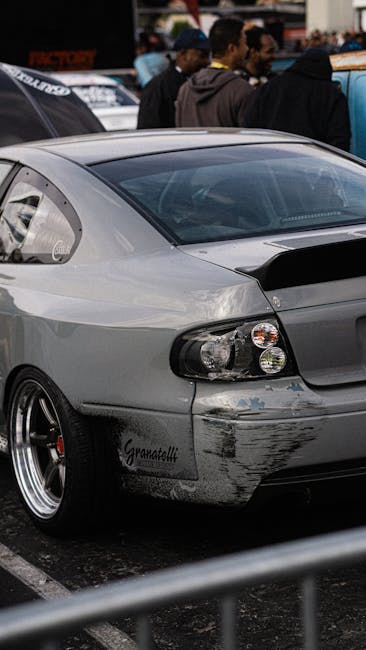
Are you worried that a car cover might scratch the paint of your beloved vehicle? You’re not alone.
Many car owners share this concern, and it’s a crucial question to ask before investing in a car cover. Your car’s paint is more than just a layer of color; it’s a shield against the elements, keeping your vehicle looking pristine and new.
Imagine the frustration of unveiling your car only to find unsightly scratches. But don’t fret! Understanding how car covers interact with your vehicle’s surface can save you from this nightmare. You’ll discover the truth behind car covers and paint scratches, empowering you with the knowledge to protect your car effectively. Dive in, and find the peace of mind you deserve!
Car Covers And Paint Protection
Car covers are a popular choice for protecting vehicles from weather damage and debris. Many car owners worry that these covers might scratch the paint. Understanding how car covers interact with paint can help alleviate these concerns. With the right materials and proper usage, car covers can effectively shield your car’s paint.
Understanding The Materials
Car covers come in various materials, each with different effects on paint. Soft, breathable fabrics are less likely to scratch the paint. Opt for covers made from cotton or polyester blends. These materials offer gentle protection and minimize risks.
Proper Fit Is Key
A well-fitting car cover reduces the chance of paint scratches. Choose a cover that matches your vehicle’s dimensions. A snug fit prevents movement and friction between the cover and paint.
Cleanliness Matters
Ensure the car cover is clean before use. Dirt particles on the cover can scratch the paint. Regularly wash and maintain your car cover to keep it free of debris.
Secure Attachment
Properly securing the car cover is crucial. Loose covers can flap in the wind, causing scratches. Use straps and buckles to keep the cover tight and secure.
Choosing The Right Type
Select car covers designed for paint protection. These covers often feature soft inner linings. The linings create a barrier between the paint and outer elements.
Weather Considerations
Consider the climate in your area. Waterproof covers protect against rain, snow, and UV rays. These covers help maintain paint quality over time.
Regular Inspection
Inspect your car cover regularly for wear and tear. Damage to the cover can lead to paint scratches. Replace the cover if it shows signs of deterioration.
Types Of Car Covers
Car covers come in various types, each designed for specific needs. Understanding these types helps you choose the right cover for your vehicle. This choice impacts how well your car’s paint stays protected.
Indoor Vs Outdoor Covers
Indoor car covers are crafted for garage-kept vehicles. They focus on protecting against dust, light scratches, and minor bumps. These covers are usually softer and lighter. Outdoor covers are made for tougher conditions. They shield against rain, sun, snow, and wind. These covers are typically heavier and durable, offering robust protection.
Material Choices
Materials vary widely among car covers. Cotton is soft, ideal for indoor use. Polyester blends provide more durability and water resistance. For outdoor protection, consider covers with synthetic materials like polyethylene. These repel water and resist UV rays. Some covers have multi-layer designs for added strength. Choose a material based on your car’s environment and your protection needs.
Common Concerns
Car covers can sometimes cause scratches if dirt is trapped between the cover and the paint. Choosing a high-quality, soft fabric cover can help prevent this issue. Regular cleaning of both the car and cover is essential to protect the paint.
Common Concerns Car owners often worry about paint scratches from car covers. These concerns are valid. Understanding how car covers interact with vehicle surfaces helps prevent damage.Potential Scratching Risks
Car covers can cause scratches. Especially if not used correctly. Rough materials rub against the car’s surface. This friction may lead to minor scratches. Ensure the cover fits snugly. Avoid loose-fitting covers that move with wind. A well-fitted cover reduces friction and potential damage.Dirt And Debris Trapping
Dirt on the car can cause scratches. It gets trapped between the cover and the car. When the cover moves, dirt rubs against the paint. Before using a cover, clean your car thoroughly. This prevents dirt trapping and scratching. Regularly check the car cover for trapped debris. Remove it immediately to avoid damage.Proper Usage Techniques
Ensure car covers are clean and fit well to prevent paint scratches. Secure covers properly to avoid movement.
Proper Usage Techniques Using a car cover properly ensures paint protection. It prevents scratches and extends the vehicle’s life. Knowing the right techniques is crucial. Here, we explore the best methods for using a car cover without harming the paint.Cleaning Before Covering
Always clean your car before covering it. Dirt and dust can scratch the paint. Use a soft cloth to wipe the surface. Ensure no debris is left. A clean surface keeps the paint safe. Regular washing is important.Correct Cover Placement
Place the cover gently over the car. Start from the front and work towards the back. Avoid dragging the cover across the surface. This prevents scratches. Ensure the cover fits well. A snug fit offers better protection. Secure it with straps if available. This keeps the cover in place during windy conditions.Maintenance Tips
Choosing a high-quality car cover protects your paint. Ensure the cover is clean to prevent scratches. Proper fit is crucial; a loose cover may cause rubbing and damage.
Maintaining a car cover is crucial to prevent it from scratching your car’s paint. Even the best car covers need regular care to function effectively. Proper maintenance ensures your cover remains in good condition and protects your vehicle. Follow these essential tips to keep your car cover in top shape.Regular Washing
Regular washing of your car cover helps prevent scratches. Dirt and debris can accumulate on the cover’s surface. When the cover moves, these particles can scratch the paint. Wash your cover every few months to remove any abrasive particles. Use mild detergent and cold water for washing. Avoid harsh chemicals that might damage the fabric. Allow the cover to air dry completely before use. This prevents mold and mildew growth.Inspecting For Damage
Check your car cover for damage regularly. Look for tears, holes, or worn-out areas. Damaged covers can harm your car’s paint. Replace or repair any damaged sections immediately. Inspect the interior lining for debris. This ensures nothing abrasive contacts your car. A thorough inspection every month keeps your cover in prime condition. Consistent care extends the lifespan of your car cover.Expert Opinions
When it comes to protecting your car’s paint, many drivers wonder if car covers might actually cause harm rather than provide protection. To shed light on this concern, we dive into expert opinions from automotive specialists and consumer experiences to help you make an informed decision.
Automotive Specialists
Automotive specialists emphasize the importance of choosing the right car cover material. They suggest that soft, breathable fabrics are less likely to scratch paint. Look for covers with a fleece lining as a safer option. They also highlight the importance of cleanliness; dirt trapped under the cover can cause scratches when the cover moves.
Experts recommend ensuring the cover fits snugly to minimize movement and friction. Too loose, and it can flap around, potentially damaging your car’s surface. Consider asking your local mechanic for advice on the best materials and fit for your vehicle.
Consumer Experiences
Consumers who have used car covers share mixed experiences. Some report no issues when using high-quality covers that fit well. Others have experienced minor scratches, often due to not cleaning the car before covering it. It’s a reminder that preparation is key.
One car enthusiast shared how a custom-fit cover protected his vintage car during a harsh winter without any scratches. He noted that regularly checking and cleaning both the cover and car was crucial in preventing damage. Do you think investing in a custom-fit cover might be worthwhile for your vehicle?
Alternative Protection Methods
Car covers can protect your vehicle from dust and weather. Soft materials reduce the risk of scratching paint. Always ensure the cover fits well and is clean before use.
When considering ways to protect your car’s paint, you might wonder if there are alternatives to traditional car covers. Car covers can sometimes trap dirt and debris, potentially scratching the paint. Luckily, there are other methods to keep your vehicle looking pristine.Wax And Sealants
Waxing your car is a time-tested way to provide a protective layer against environmental hazards. A good wax not only enhances the shine but also forms a barrier against UV rays and pollutants. Applying a sealant can offer even longer-lasting protection, often up to six months, compared to traditional wax. To apply wax or sealant, ensure your car is thoroughly cleaned to avoid sealing in dirt. Apply the product in small sections, following the manufacturer’s instructions for best results. Consider reapplying every few months to maintain optimal protection.Ceramic Coatings
Ceramic coatings are a more advanced option for those seeking durable protection. These coatings create a semi-permanent bond with your car’s paint, offering a high level of protection against scratches, dirt, and chemical stains. While ceramic coatings can be more costly, they offer significant long-term benefits. You’ll notice a deep, glass-like finish that enhances the vehicle’s appearance. DIY kits are available, but for the best results, consider professional application. Have you ever thought about how much effort you’re willing to invest in maintaining your car’s exterior? The right method depends on your needs and commitment level. Would you prefer the traditional ease of wax or the high-tech durability of ceramic coatings?Frequently Asked Questions
How To Cover Up A Paint Scratch On Your Car?
Clean the scratched area thoroughly. Apply a matching touch-up paint using a fine brush. Allow it to dry. Use a clear coat for extra protection. Buff gently to blend the repair with the surrounding paint.
Does A Car Wrap Mess Up The Paint?
A properly installed car wrap protects the paint and doesn’t damage it. Wraps shield the paint from sun and minor scratches. Removal is safe if done correctly, maintaining the paint’s condition. High-quality materials and professional installation ensure your vehicle’s paint remains intact and in great shape.
Can A Wet Car Cover Damage Paint?
A wet car cover can trap moisture, leading to potential paint damage. It may cause scratches, mold, or mildew. Ensure the cover is breathable and regularly dry it. Proper ventilation and cleaning help protect your car’s paint from damage. Always use a high-quality car cover for better protection.
What Fabric Won’t Scratch Car Paint?
Microfiber cloth is ideal for car paint care. It is soft, non-abrasive, and won’t scratch surfaces. Use clean, high-quality microfiber to safely wipe or polish your car. Avoid using cotton towels or rough fabrics that might damage the paint finish.
Regularly wash microfiber cloths to maintain effectiveness.
Conclusion
Car covers can protect or harm your car’s paint. Choose quality materials. Soft linings help prevent scratches. Always clean your car before covering it. Dirt and dust can scratch. Secure the cover properly to avoid movement. Wind can cause rubbing.
Not all covers are the same. Research your options. Consider your car’s needs and environment. A good fit matters. Covers are a smart investment with the right choice. Keep your car’s paint looking new. Protect it well. Select wisely, and enjoy peace of mind.