

You’re driving down the road, enjoying your favorite music, when suddenly, you notice a small red light glowing on your dashboard: the brake light. It’s easy to ignore or dismiss this seemingly minor alert, but doing so could lead to serious consequences.
You might ask yourself, “Why is my car brake light on? ” This question is crucial for your safety and your vehicle’s well-being. Understanding the reason behind this alert can save you from unexpected breakdowns or costly repairs. This article will help you decode the mystery of the brake light, ensuring you drive safely and confidently.
Imagine the peace of mind you’ll have knowing what actions to take. Let’s dive into the common reasons your brake light might be on and what you can do about it.
Common Causes For Brake Light Activation
Low brake fluid can trigger the brake light. Worn brake pads may also cause it to illuminate. Faulty sensors or electrical issues are common reasons for brake light activation.
When the brake light illuminates, it signals something needs attention. Ignoring it could lead to serious issues. Understanding the common causes can help address the problem swiftly.Low Brake Fluid Levels
Brake fluid is essential for smooth braking. Low levels can trigger the brake light. It might indicate a leak or evaporation. Regularly check fluid levels to ensure safe driving. A simple top-up might solve the problem, but always inspect for leaks.Worn Brake Pads
Brake pads wear down over time. Thin pads can activate the brake light. Regular inspections can prevent this issue. Listen for squeaky sounds while braking. This often means the pads need replacement. Maintaining pad thickness helps in keeping the brake light off.Faulty Brake Light Switch
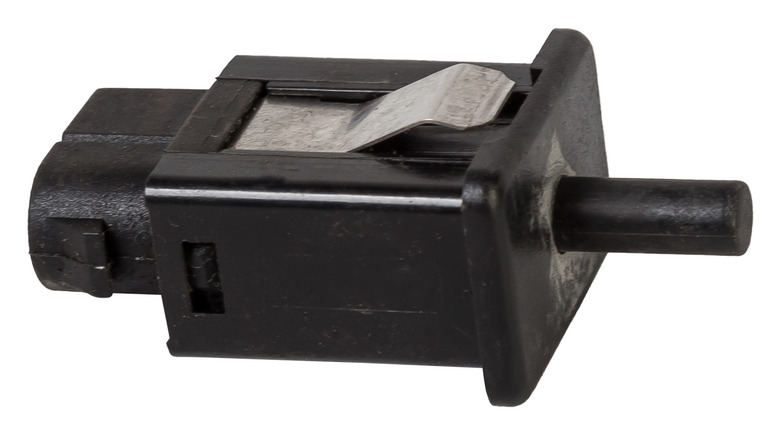
The brake light switch might malfunction. This can cause the light to stay on. It’s located near the brake pedal. When faulty, it might need replacement. Sometimes, a simple adjustment can fix it. Ensure the switch works properly to avoid unnecessary alerts.Electrical Issues
Your car’s brake light might be on due to electrical issues. Understanding these issues is crucial for safety. Electrical problems can disrupt the brake system’s function. They might cause the light to illuminate unnecessarily. This section explores common electrical faults.
Blown Fuses
Fuses protect your car’s electrical circuits. A blown fuse can trigger the brake light. This happens when excess current flows through the circuit. Check the fuse box for any damaged fuses. Replacing a blown fuse is usually straightforward. Always use a fuse with the correct rating. This ensures your circuit is protected.
Wiring Problems
Wires connect various components in your car. Damaged or loose wires can cause the brake light to turn on. Corrosion, wear, or physical damage may affect wiring. Inspect the wiring for any visible issues. Pay attention to connections near the brake pedal. Repairing or replacing faulty wires can resolve the issue.
Malfunctioning Sensors
Sensors monitor various functions in your car. A faulty sensor can mistakenly activate the brake light. Check the brake fluid sensor and ABS sensor. Dirt or damage can affect their performance. Cleaning or replacing malfunctioning sensors can help. Always consult your car’s manual for sensor locations.
Hydraulic System Concerns
Seeing your car brake light illuminated can be unsettling, especially if you’re unsure of the cause. One critical area to investigate is your vehicle’s hydraulic system. This system plays a pivotal role in ensuring your brakes function effectively. If there are concerns within this system, your brake light might turn on as a warning signal. Let’s explore some common hydraulic issues that could be triggering this alert.
Leaking Brake Lines
Imagine you’re driving on a rainy day and suddenly feel your brake pedal sinking to the floor. This could be due to leaking brake lines. Brake fluid is essential for transferring pressure from the pedal to the brakes themselves. If your brake lines are compromised, it can lead to a dangerous loss of braking power.
- Inspect your driveway or garage floor for any signs of fluid leakage.
- Regularly check under your car for damp patches or fluid trails.
- Consider having a professional inspect your brake lines for any wear and tear.
Air In Brake Lines
Ever pressed the brake pedal and felt it was unusually spongy? This might be due to air in your brake lines. Air pockets can disrupt the hydraulic pressure, making your brakes less effective. The presence of air can be as dangerous as fluid leaks.
- Bleed your brake lines regularly to remove any air pockets.
- If unsure, have a mechanic assess your brake system for air contamination.
- Ensure brake fluid levels are maintained to prevent air infiltration.
Master Cylinder Failure
Think of the master cylinder as the heart of your brake system. If it fails, the whole system can be compromised. A faulty master cylinder can lead to inconsistent brake behavior and could be the reason your brake light is on.
- Check for any signs of brake fluid leakage around the master cylinder.
- Notice any changes in brake pedal firmness or responsiveness.
- Consult a professional if you suspect master cylinder issues.
Understanding these hydraulic system concerns can save you from potential hazards. Have you experienced any of these issues? Addressing them promptly will ensure your safety and extend the life of your braking system.

Credit: www.seatcoversolutions.com
Abs And Traction Control Alerts
ABS and Traction Control alerts signal potential issues with your car’s brake system. Illuminated brake lights can indicate low brake fluid, worn-out brake pads, or a sensor malfunction. It’s crucial to address these alerts promptly to ensure safe driving.
ABS and Traction Control Alerts can be confusing for many car owners. These systems improve safety by preventing skids and maintaining vehicle stability. A brake light warning may indicate issues with these systems. Understanding the alerts is crucial for safe driving.Abs System Malfunctions
The Anti-lock Braking System (ABS) prevents wheels from locking during braking. If the ABS warning light is on, it may signal a malfunction. Common causes include sensor damage, wiring issues, or a faulty ABS module. Regular maintenance can prevent many of these problems. Check the ABS sensors and wiring for visible damage. If unsure, consult a professional mechanic for a thorough diagnosis.Traction Control Issues
Traction Control helps maintain grip on slippery surfaces. A warning light may indicate a problem with this system. Possible causes include sensor faults or software glitches. Inspect the vehicle’s traction control sensors for dirt or damage. Clean them gently to ensure proper functioning. If the issue persists, seek expert advice to avoid potential safety risks.Maintenance And Inspection Tips
The sudden illumination of your car’s brake light can be unsettling. Understanding the maintenance and inspection of your braking system is crucial not only for your safety but also for the longevity of your vehicle. Incorporating regular checks and professional insights into your routine can save you from unexpected breakdowns and costly repairs.
Regular Brake Checks
Regular brake checks are essential for catching potential issues early. Establish a habit of inspecting your brake pads every few months. Are they worn out or damaged? If they look thin or uneven, it might be time for a replacement.
Don’t forget to check brake fluid levels. Low fluid can indicate a leak or excessive wear. Have you noticed any unusual noises or changes in the way your brakes feel? These could be early warning signs that need attention.
Consider keeping a simple checklist in your car. This can serve as a reminder of what to look out for each time you perform a check. A little diligence goes a long way in ensuring your brakes are always in top condition.
Importance Of Professional Inspections
While personal checks are vital, professional inspections offer a deeper dive into your car’s braking system. Mechanics have the tools and expertise to spot issues that might escape your notice. They can assess everything from brake lines to rotors, ensuring that all components are functioning optimally.
Have you ever postponed a professional check because everything seemed fine? It’s easy to overlook potential problems when the car appears to be running smoothly. However, regular professional inspections can uncover hidden issues before they become serious.
Think of these inspections as an investment in your vehicle’s future. By catching problems early, you’re not only ensuring safety but also extending the life of your car. Isn’t peace of mind worth the effort?

Credit: urbsgarage.com
When To Seek Professional Help
The car brake light is a crucial warning sign. When it illuminates, it signals potential issues. It’s essential to know when to seek professional help. Ignoring it can lead to dangerous situations. Understanding the signs helps you act swiftly.
Signs Of Serious Problems
Brake lights can indicate serious problems. Listen for grinding sounds when braking. This sound often means worn-out brake pads. Another sign is a soft or spongy brake pedal. This can indicate air in the brake lines. If the car pulls to one side when braking, it could mean a brake fluid leak. These issues need immediate attention.
Choosing A Reliable Mechanic
Finding a trustworthy mechanic is crucial. Ask for recommendations from friends or family. Check online reviews to see customer experiences. Look for certifications like ASE, which show expertise. Visit the shop to see cleanliness and organization. A reliable mechanic ensures your car’s safety and longevity.
Credit: www.jalopnik.com
Frequently Asked Questions
Can You Drive A Car With The Brake Light On?
Driving with the brake light on is risky. It may indicate a malfunction. Check your brakes immediately. Ignoring it can lead to accidents. Always prioritize safety on the road.
Should I Be Worried If My Brake Light Is On?
Yes, a brake light on indicates a potential issue. Check brake fluid levels, inspect brake pads, or consult a mechanic. Ignoring it could lead to safety hazards. Address the problem promptly to ensure safe driving conditions. Regular maintenance helps prevent brake system failures.
Stay alert and prioritize vehicle safety.
Why Is My Brake Light On But Brakes Work Fine?
The brake light can be triggered by low brake fluid, a faulty sensor, or a malfunctioning parking brake. Check fluid levels and sensors. If unresolved, seek professional help to ensure safety.
Why Is The Red Brake Light On?
The red brake light indicates a potential issue with your vehicle’s braking system. Check the brake fluid level, brake pads, or emergency brake. If the problem persists, seek professional assistance immediately to ensure safety.
Conclusion
A glowing brake light demands attention. Ignoring it risks safety. Check your brake fluid level first. Low fluid can trigger the light. Inspect brake pads for wear. Worn pads need replacement. Faulty brake sensors also cause issues. Regular maintenance helps prevent problems.
Consult a mechanic if unsure. They can diagnose and fix the issue. Safe brakes ensure safe driving. Don’t delay in addressing brake concerns. Your safety is worth the effort. Keep your vehicle’s brake system in top shape. Peace of mind while driving is priceless.
Stay safe on the road always.