

Have you ever wondered why dash cams aren’t standard in vehicles produced by US automakers? You’re not alone.
With the rise in road incidents and insurance claims, dash cams have become essential tools for many drivers. They offer peace of mind, providing a clear record of events that can protect you in case of disputes. Yet, despite their benefits, they haven’t found their way into new cars as standard equipment.
Imagine the security and confidence you’d feel knowing every drive is captured, ready to provide evidence if needed. It’s a simple addition that could save you time, money, and stress. But why is this seemingly obvious feature missing from your car? As we explore this intriguing question, you’ll discover the factors influencing automakers and possibly rethink your next vehicle purchase. Stay with us to uncover the reasons behind this curious omission and see how it impacts your driving experience.
Consumer Demand
Consumer demand for dash cams in cars has been a topic of interest. Many drivers wonder why these devices are not standard in vehicles. Dash cams offer safety and security benefits that many consumers appreciate. Understanding the demand can shed light on why automakers have not fully embraced this feature.
Current Market Trends
The current market trends show a growing interest in dash cams. More drivers install these cameras for recording their journeys. Reports indicate an increase in dash cam sales worldwide. Consumers value the peace of mind these devices bring. As technology evolves, dash cams are becoming more affordable and accessible.
Buyer Preferences
Buyer preferences play a significant role in car features. Many consumers prioritize safety and security in their vehicles. Dash cams align with these priorities, offering evidence in the event of an accident. Some buyers prefer cars with integrated technology. This includes features like built-in dash cams. Others may opt for aftermarket solutions, tailoring their purchase to their specific needs.
Cost Considerations
Dash cams are undeniably useful for capturing real-time road events and even helping settle disputes in accidents. Yet, many US carmakers hesitate to integrate them into vehicles. One major reason is cost considerations. Let’s explore the financial factors that play into this decision.
Manufacturing Expenses
Integrating dash cams into cars involves more than just placing a camera on the dashboard. It requires redesigning the vehicle’s electrical system to support this new technology. This includes additional wiring, software integration, and ensuring compatibility with existing vehicle systems.
These modifications can lead to significant manufacturing expenses. Companies must invest in research and development to create a seamless system that won’t disrupt other vehicle functions. This isn’t a simple add-on; it can change the entire car production process.
Impact On Car Pricing
You might wonder, how would these manufacturing expenses affect the sticker price of your next car? Adding dash cams could increase the price, potentially pushing it beyond what many consumers are willing to pay.
Car manufacturers must balance the cost of these new features with consumer expectations. If the added expense causes a significant price hike, it could deter potential buyers, affecting overall sales figures. Would you pay extra for a built-in dash cam when aftermarket options are available?
Consider the aftermarket alternatives. Consumers often prefer these because they offer flexibility in choice and price. Carmakers need to evaluate whether integrating dash cams would provide enough value to justify the increased cost.
Technological Challenges
Integrating dash cams into cars presents various technological challenges. These challenges often deter automakers from including them in vehicles. Let’s explore some of these obstacles.
Integration With Vehicle Systems
Connecting dash cams with existing vehicle systems is complex. Vehicles have intricate electrical and software systems. Dash cams need to sync with these systems seamlessly. This requires advanced technology and significant engineering efforts.
Compatibility issues also arise. Different car models have unique designs and software. A universal dash cam solution is hard to achieve.
Data Storage And Management
Dash cams generate large amounts of data daily. This data needs secure and efficient storage. Managing this data is a major challenge for carmakers.
Storage solutions must be cost-effective and durable. They should withstand various driving conditions. Furthermore, data privacy concerns must be addressed. Protecting user data is crucial in today’s digital age.

Credit: www.thedashcamstore.com
Privacy Concerns
Privacy concerns are a significant reason U. S. carmakers hesitate to include dash cams in vehicles. Dash cams can capture sensitive information, leading to potential misuse. Protecting customer data remains a priority, influencing design decisions.
Privacy concerns are a major reason why dash cams aren’t standard in cars. Recording video constantly raises questions about who has access to footage. People worry about being recorded without consent. This affects both drivers and pedestrians. Privacy laws vary greatly by region. This creates a complex landscape for carmakers.Recording Regulations
Dash cams must follow local recording laws. Each country has different rules. Some areas require explicit consent before recording. Others have restrictions on where cameras can point. Car manufacturers would need to ensure compliance everywhere. This adds complexity to installing dash cams. Laws change often. Constant updates would be necessary to stay compliant.Consumer Privacy Rights
Consumers have the right to privacy in their vehicles. Dash cams could infringe on this right. Many people feel uncomfortable being recorded. Privacy concerns extend to passengers and bystanders. They may not want their actions recorded. Companies must handle data responsibly. Misuse of recorded footage could lead to legal issues. Ensuring privacy protection is vital for trust.Legal Implications
Integrating dash cams into vehicles seems practical. Yet, legal implications deter U.S. carmakers from including them. These implications revolve around liability and insurance complexities. Understanding these factors is key to grasping why dash cams remain aftermarket products.
Liability Issues
Dash cams record everything on the road. This can present liability challenges for carmakers. If a dash cam fails during an accident, who holds responsibility? The carmaker might face legal scrutiny. This potential risk dissuades manufacturers from factory-installing dash cams. Liability concerns create a significant roadblock. Automakers must navigate these legal waters carefully.
Insurance Policies
Insurance companies may interpret dash cam footage differently. Some may use footage to deny claims. This uncertainty affects carmakers’ decisions. They prefer avoiding entanglement with insurance disputes. Dash cams also raise privacy issues. Recording without consent could lead to legal problems. Automakers must consider these risks. They must ensure compliance with privacy laws.
Credit: www.techradar.com
Aftermarket Solutions
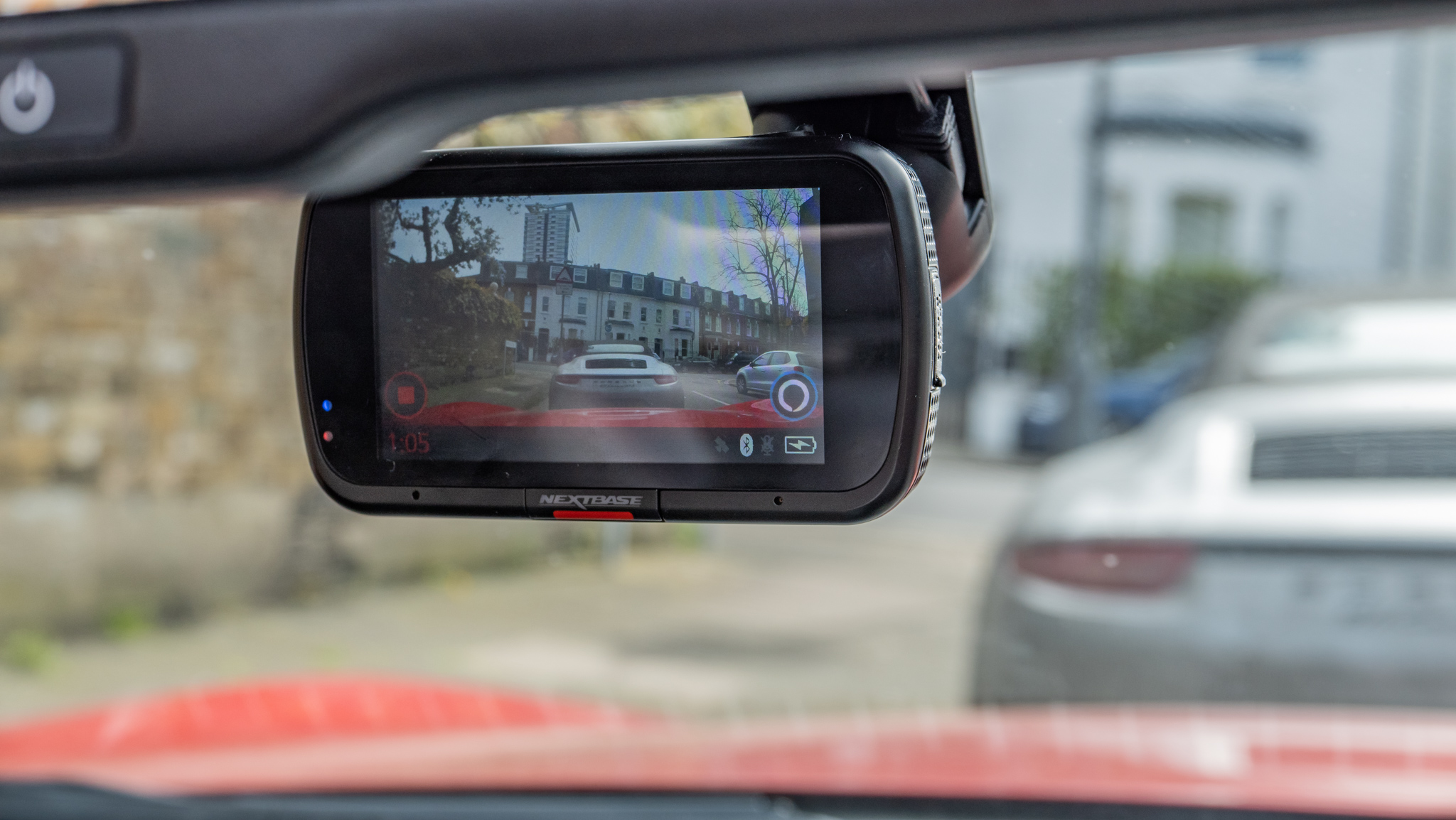
In the age of technology, dash cams are increasingly popular. Many drivers wonder why US carmakers don’t include them as standard. The answer lies in aftermarket solutions. These solutions offer flexibility and choice for consumers. Let’s explore why third-party dash cams are thriving.
Popularity Of Third-party Dash Cams
Third-party dash cams have a strong market presence. They cater to diverse consumer needs. Many brands provide various features and price points. Consumers appreciate the ability to choose what suits them best. This popularity is due to their adaptability and affordability.
Drivers can find dash cams with night vision. Others offer wide-angle lenses or GPS tracking. Some models even have cloud storage options. This variety attracts many buyers.
Advantages Over Built-in Systems
Aftermarket dash cams often outperform built-in systems. They offer regular updates and improvements. Users can easily replace them if needed. They are not limited by car manufacturer updates.
These dash cams can be transferred between vehicles. This flexibility is a major advantage. Built-in systems lack this adaptability.
Third-party options usually have better warranties. This ensures peace of mind for users. The competitive market pushes for better quality and innovation. This benefits consumers in the long run.
Future Trends
US carmakers might not include dash cams due to cost concerns and privacy issues. Adding this feature could increase car prices. Privacy concerns also arise with constant video recording in vehicles.
The concept of dash cams being standard in cars might seem like a futuristic idea, but it’s one that could soon become reality. As technology evolves, the automotive industry must adapt to new consumer demands and safety trends. Let’s explore what the future might hold for dash cams in cars.Potential Industry Shifts
Auto manufacturers are always looking to stay ahead of the curve. With the rise in popularity of dash cams, it’s likely that they will start to take note. Imagine a future where every car comes equipped with a high-quality dash cam straight from the factory. This could become a selling point for car brands aiming to offer enhanced safety features. Moreover, insurance companies could play a role in this shift. If dash cams become more common, insurers might offer discounts for cars equipped with them. This could incentivize manufacturers to include dash cams as a standard feature, much like airbags and anti-lock brakes today.Advancements In Dash Cam Technology
Technology is advancing at a breakneck speed, and dash cams are no exception. Modern dash cams are not just recording devices; they come with features like GPS tracking, night vision, and even voice control. Imagine having a dash cam that not only records your journey but also alerts you to potential hazards on the road. The integration of artificial intelligence in dash cams is another exciting development. AI can help in analyzing footage, detecting accidents, and even providing real-time feedback to improve driving habits. These advancements could make dash cams an indispensable part of the driving experience. As dash cam technology continues to evolve, it might soon be as essential as seatbelts or airbags. Would you feel safer knowing that your car can record every second of your journey? With these innovations, the answer might be a resounding yes.Credit: dashcamtalk.com
Frequently Asked Questions
Why Don’t Cars Have Built-in Dash Cams?
While dash cams offer benefits, cost and privacy concerns deter automakers. Installing them increases vehicle prices, affecting competitiveness. Additionally, privacy regulations vary globally, complicating integration. Manufacturers prioritize essential safety features over optional technology like dash cams.
Are Dash Cams Considered Essential By Carmakers?
Dash cams are not deemed essential by carmakers. They prioritize vital safety systems such as airbags and anti-lock brakes. While helpful, dash cams are supplementary. Automakers focus on proven safety technologies over optional gadgets.
How Do Privacy Laws Affect Dash Cam Installation?
Privacy laws vary globally, impacting dash cam integration. Some regions have strict data protection regulations. Carmakers must navigate these laws, ensuring compliance. This complexity discourages standard dash cam inclusion in vehicles, as legal risks and liabilities increase.
Can Dash Cams Increase Car Production Costs?
Integrating dash cams in cars raises production costs. Additional hardware and software development are needed. These costs are passed to consumers, affecting vehicle pricing. Automakers focus on keeping prices competitive, prioritizing essential safety features instead.
Conclusion
Dash cams offer valuable benefits for drivers. They enhance safety and provide evidence. Despite this, U. S. Carmakers hesitate to include them. Cost concerns and privacy issues lead the list. Consumers often have to buy dash cams separately. The demand for this technology grows.
Carmakers should consider integrating dash cams soon. It could boost customer satisfaction. And trust in their brands. Until then, individuals can choose aftermarket options. These are affordable and easy to install. With time, industry trends may change. Dash cams could become standard.
For now, awareness remains crucial for all drivers.