
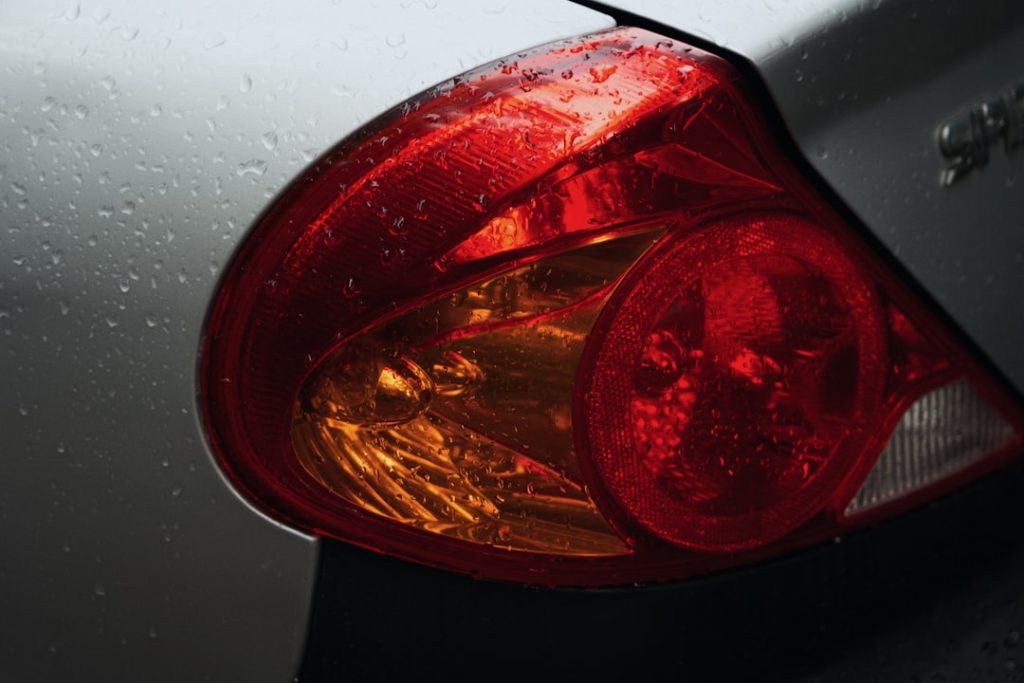
Have you ever noticed how some cars have brake lights that flash, while others remain steady? It’s a curious sight that can leave you wondering why this happens.
The answer lies in a fascinating blend of safety, technology, and human psychology. Understanding the reasons behind flashing brake lights can not only satisfy your curiosity but also enhance your driving experience. As you delve deeper into this topic, you’ll uncover how these blinking signals are designed to grab your attention, alerting you to potential hazards in real-time.
Imagine the added layer of security and peace of mind knowing that your vehicle’s brake lights are working to keep you safe. So, why do some cars have flashing brake lights, and how can this affect your daily commute? Keep reading to discover the compelling reasons behind this innovative feature and how it might impact your journey on the road.
Flashing Brake Lights
Have you ever noticed cars with brake lights that flash rapidly? This intriguing feature isn’t just a random occurrence; it’s a deliberate design choice with a specific purpose. Flashing brake lights are becoming more common, adding an extra layer of safety to our driving experiences. But what’s the story behind these flickering illuminations?
Purpose And Functionality
Flashing brake lights serve as an immediate alert system. They are designed to grab attention quickly, signaling that the vehicle is decelerating at a rapid pace. This can be particularly useful during sudden stops or emergencies, giving drivers behind you more time to react and avoid collisions.
Some vehicles come equipped with this feature straight from the manufacturer, while others have aftermarket modifications. The flashing is often triggered when the brake pedal is pressed firmly, indicating an abrupt stop.
Have you ever been caught off guard by a sudden brake light flash? It’s a visual cue that speaks louder than regular brake lights, urging caution and awareness on the road.
Common Occurrences
Flashing brake lights are more prevalent in modern cars, especially those emphasizing safety features. You might notice them in high-end models or vehicles designed with advanced driving assistance systems.
Interestingly, these lights are also common in certain regions or countries where traffic regulations mandate additional safety measures. This feature can vary based on local laws and vehicle models.
Next time you’re driving, pay attention to the brake lights around you. Do you notice any patterns? Understanding these signals can make you a safer, more informed driver.
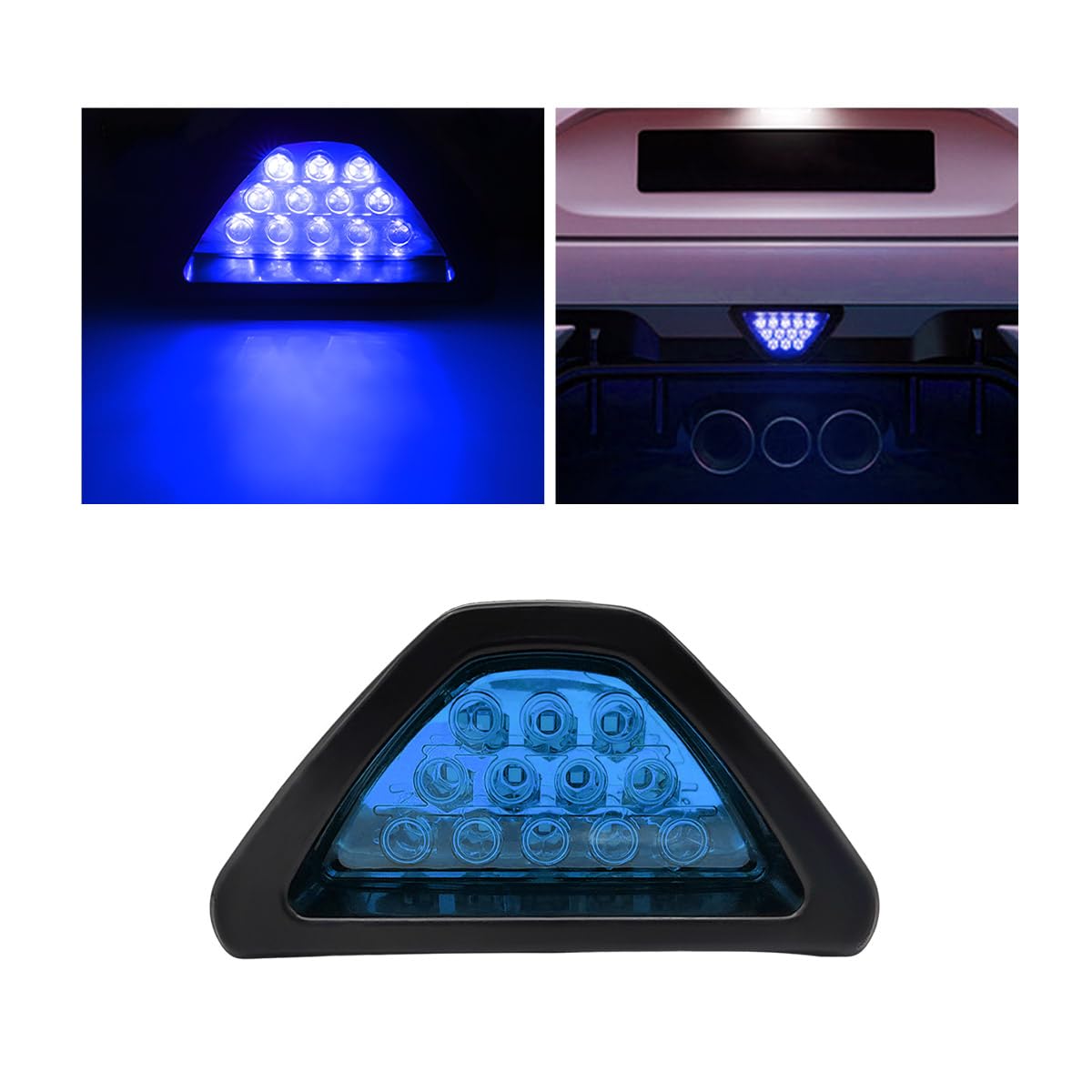
Credit: www.amazon.com
Enhanced Visibility
Have you ever been driving in heavy traffic and suddenly noticed a car ahead with flashing brake lights? These flashing lights serve a purpose beyond just looking cool—they enhance visibility. In situations where a sudden stop is necessary, these flashing lights capture attention quickly, alerting drivers behind you more effectively than steady lights.
Reducing Rear-end Collisions
Flashing brake lights can significantly reduce the chances of rear-end collisions. By making your vehicle more noticeable, they alert drivers behind you to slow down or stop, minimizing the risk of accidents. Imagine driving on a foggy day; a car with flashing brake lights stands out more than one with steady lights, giving the driver behind a better chance to react in time.
Improving Reaction Times
Quick reaction times can be the difference between a close call and a collision. Flashing brake lights help improve these reaction times by grabbing attention instantly. Think about how your brain processes visual information; flashing lights are more likely to trigger an immediate response, helping drivers behind you hit their brakes faster.
Have you ever wondered how many seconds it takes for a driver to react to brake lights? Those precious seconds can be critical in preventing an accident. By opting for flashing lights, you’re not just making your car more visible—you’re actively contributing to road safety.
Technological Advancements
As you cruise down the highway, you might notice some cars with flashing brake lights. This intriguing feature is not just for show; it’s a result of impressive technological advancements in automotive safety. Modern vehicles are increasingly equipped with smart systems that enhance driver awareness and road safety. Understanding these technological improvements can help you appreciate the innovative ways car manufacturers are making roads safer for everyone.
Adaptive Brake Light Systems
Adaptive brake light systems are designed to warn drivers behind you of abrupt stops or emergencies. These systems adjust the frequency of brake light flashes based on the severity of braking. Imagine you’re driving in heavy rain, and the car ahead suddenly stops. Adaptive brake lights can make a critical difference by catching your attention faster. This technology helps reduce the risk of rear-end collisions, offering a proactive approach to road safety. You might ask yourself, how much more secure would your driving be with this technology?
Integration With Driver Assistance
Driver assistance technologies are becoming increasingly sophisticated, with brake lights integrated into these systems. Features like automatic emergency braking and collision avoidance are linked to brake lights that flash to signal an imminent stop. This integration ensures that your vehicle communicates effectively with others on the road, enhancing overall safety. Picture the relief of knowing your car is equipped with advanced systems working together to protect you and those around you. Isn’t it fascinating how such coordination can improve driving experiences?

Credit: www.ebay.com
Regulatory Considerations
When you notice some cars on the road with flashing brake lights, it might make you curious. Are these vehicles experiencing a malfunction, or is there a specific reason behind this feature? Often, the answer lies within the realm of regulatory considerations. Understanding the laws and guidelines that dictate vehicle lighting systems can shed light on why certain vehicles have this attention-grabbing feature.
Legal Framework
Brake lights are subject to various laws that ensure the safety of drivers and pedestrians. These regulations set standards for brightness, visibility, and functionality.
In many regions, flashing brake lights are allowed as a safety measure, intended to alert drivers behind more effectively during sudden stops. The idea is to prevent rear-end collisions by catching the attention of drivers who may be distracted.
Manufacturers often need to comply with these safety standards, adapting their designs to meet legal requirements. The process involves rigorous testing and certification, ensuring that the flashing lights enhance safety without causing confusion.
Regional Differences
Regulations regarding flashing brake lights can vary significantly from one region to another. While some areas embrace this safety feature, others might restrict or prohibit it altogether.
In Europe, for example, flashing brake lights are commonly accepted and used in certain conditions like sudden braking at high speeds. Meanwhile, in the United States, the acceptance of this feature can differ from state to state.
These regional differences can be puzzling. If you drive across borders frequently, it’s crucial to be aware of the local laws regarding vehicle lighting to avoid any legal issues.
Have you ever noticed regional differences in vehicle safety features during your travels? Understanding the rationale behind them can enhance your driving experience and ensure compliance with local laws.
Driver And Pedestrian Awareness
Some cars have brake lights that flash to signal sudden stops, enhancing driver and pedestrian safety. This feature quickly catches the attention of those behind, reducing the risk of collisions. Flashing brake lights can be especially useful in poor visibility conditions.
Driver and pedestrian awareness is crucial in maintaining road safety. Flashing brake lights on some vehicles play a pivotal role in enhancing this awareness. They alert other drivers and pedestrians, making roads safer for everyone.Understanding Signal Intentions
Flashing brake lights help in communicating intentions clearly. When you notice a car’s brake lights blinking, it often signals an urgent stop or rapid deceleration. This can be particularly useful in preventing rear-end collisions, especially in heavy traffic or adverse weather conditions. Imagine driving on a busy highway, and the car in front of you suddenly brakes. Flashing lights can grab your attention faster than steady ones, giving you more time to react. This simple yet effective signal improves overall communication on the road.Impact On Road Safety
The impact of flashing brake lights on road safety is significant. They not only reduce the likelihood of accidents but also promote a cautious driving environment. By providing clear signals, they help drivers make informed decisions quickly. Consider a scenario where a pedestrian is about to cross the road. Flashing brake lights can act as an additional warning, ensuring the pedestrian is aware of the vehicle’s actions. This enhances safety for both drivers and those on foot. Have you ever been in a situation where you were unsure of another driver’s intentions? Flashing brake lights can alleviate this uncertainty, promoting smoother and safer driving experiences.Comparative Analysis
When you’re driving down the road and notice a car’s brake lights flashing, you might wonder why some vehicles have this feature while others don’t. Understanding the reasons behind flashing brake lights can help you appreciate their significance. Let’s dive into a comparative analysis to explore the differences between static and flashing brake lights, and examine studies on their effectiveness.
Static Vs. Flashing Lights
Static brake lights are the traditional choice for most vehicles. They illuminate when the driver presses the brake pedal, signaling to others that the car is slowing down or stopping.
Flashing brake lights, on the other hand, add an extra layer of visibility. They often flash rapidly in emergency braking situations, capturing the attention of drivers behind more effectively.
- Static lights offer simplicity and are less distracting.
- Flashing lights enhance visibility, particularly in urgent braking scenarios.
Imagine driving on a busy highway; a sudden flash from the car ahead might just give you that split-second advantage to react. It’s a simple yet potentially life-saving feature. Which type do you think would grab your attention better in a high-speed situation?
Effectiveness Studies
Several studies have shown that flashing brake lights can significantly reduce rear-end collisions. Their ability to alert drivers more effectively in emergencies is well-documented.
Researchers conducted experiments where participants responded faster to flashing lights than static ones. This response time can be critical, especially in high-speed traffic.
| Study | Finding |
|---|---|
| University of Michigan Transportation Research Institute | Flashing lights reduced collision rates by 30% |
| National Highway Traffic Safety Administration | Improved reaction times by up to 0.5 seconds |
It’s interesting how a small tweak in design can make such a big difference in safety. If your car doesn’t have flashing brake lights, perhaps it’s time to consider the potential benefits they offer.
Think about your daily commute or the long drives you take. Wouldn’t it be reassuring to know your car is equipped with the best possible safety features?
Future Of Brake Light Technology
Some cars have flashing brake lights to alert drivers behind them. This advanced technology signals sudden braking or potential hazards, enhancing road safety. As brake light technology evolves, expect more intelligent systems to improve vehicle communication and prevent accidents.
The future of brake light technology is evolving rapidly, driven by the need for enhanced safety and communication on the roads. Traditional brake lights have served us well, but flashing brake lights are becoming more common as they offer a more dynamic way to alert drivers behind you. This shift is part of a larger trend toward smarter and more responsive automotive technologies.Innovations On The Horizon
The next wave of brake light technology is all about connectivity and intelligence. Imagine brake lights that communicate with your GPS to signal turns or stops based on upcoming traffic conditions. Advanced systems could even adjust their brightness and frequency based on weather conditions, improving visibility in foggy or rainy situations. These innovations not only enhance safety but also aim to reduce accidents by providing clearer signals to other drivers.Potential Challenges
Despite the exciting possibilities, there are hurdles to overcome. Standardization is a significant issue; different manufacturers might adopt varying technologies, leading to confusion on the road. Regulatory approval is another challenge, as new technologies must meet safety standards before they can be widely implemented. Additionally, the cost of integrating advanced brake light systems could be prohibitive for some car models, limiting access to these safety features. As we navigate these challenges, it’s crucial to consider how these technologies can be made accessible and reliable for everyone. What will it take for these innovations to become a standard feature in vehicles? Your thoughts and experiences could help shape the future of driving safety.
Credit: www.amazon.com
Frequently Asked Questions
Why Do Some Cars’ Brake Lights Flicker?
Brake lights flicker due to LED technology, faulty wiring, or issues with the vehicle’s electrical system. LED lights flicker because they operate on low voltage. Electrical issues or a malfunctioning brake light switch can also cause flickering. Regular maintenance helps prevent these problems.
Is It Legal For Brake Lights To Flash?
Flashing brake lights are generally illegal in many areas. Laws vary by location, so check local regulations. Some places allow them for emergency purposes only. Always ensure compliance to avoid fines.
Is A Pulse Brake Light Illegal?
Pulse brake lights are legal in some areas, but illegal in others. Check local laws for specific regulations. Compliance ensures safety and avoids penalties. Proper installation is key to legality and effectiveness. Always prioritize road safety while considering modifications.
Is It Safe To Drive With The Brake Light Flashing?
Driving with a flashing brake light is not safe. It indicates a potential brake system issue. Address it immediately to avoid accidents. Consult a mechanic for a thorough inspection. Prioritize your safety and others on the road by resolving brake light warnings promptly.
Conclusion
Brake lights that flash can catch attention fast. They’re not just stylish. These lights help keep drivers safe. Especially during sudden stops. They alert others quickly. Flashing brake lights can reduce accidents. That’s the main aim. Safety on roads is crucial.
Understanding why these lights flash helps. It’s about technology and protection. Simple changes make driving safer. Next time you see them, think safety. They’re there for a reason. Brake lights are essential. They play a big role. Not just in looks, but in safety too.
Stay aware and drive safely.