
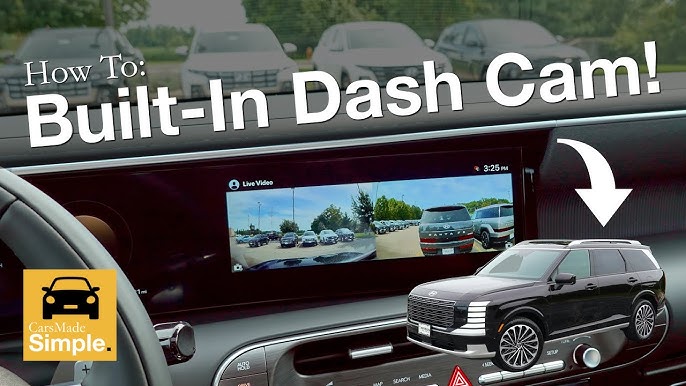
Imagine having an extra pair of eyes while driving. Eyes that never blink, never sleep, and are always focused on the road.
You might wonder why cars don’t have built-in dash cams, given their potential to enhance safety and security. As you navigate busy streets and highways, a dash cam could be your silent witness, recording every twist and turn. How many times have you wished you had captured an unexpected event on camera, whether it’s a breathtaking view or a crucial piece of evidence?
Dive into this article to uncover why these tiny yet powerful devices are missing from your car’s dashboard, and discover what manufacturers might be overlooking. This is your chance to explore the reasons behind their absence and how it affects your driving experience. Are you ready to uncover the mystery? Keep reading to satisfy your curiosity.
Lack Of Standardization
One of the main reasons cars don’t come with built-in dash cams is the lack of standardization. The automotive industry is vast, and manufacturers often have their own set of specifications and priorities. This diversity makes it challenging to create a one-size-fits-all approach for dash cams. As a driver, have you ever wondered why something so seemingly straightforward isn’t standard in every vehicle?
Variety Of Dash Cam Specifications
Dash cams come with a wide range of specifications, from basic models to advanced ones with GPS and night vision. Each brand and model offers different features, making it difficult for automakers to choose a single standard. Imagine walking into a store and trying to pick the perfect phone; the choices are endless. This same overwhelming variety exists in dash cams.
Manufacturers have to consider various factors like resolution, storage capacity, and even connectivity. While some drivers might prioritize high-definition video, others may value features like cloud storage or wide-angle lenses. What specifications would you prioritize if you were designing a built-in dash cam?
Challenges In Universal Integration
Integrating a dash cam universally into all car models poses technical challenges. Each vehicle’s design and electrical system is unique, making it difficult to create a universal solution. Have you ever tried to find a phone charger that fits every model perfectly? It’s a similar struggle.
Moreover, the integration process requires careful consideration of where the dash cam would be placed. It needs to capture a clear view without obstructing the driver’s sight. This adds another layer of complexity. How do manufacturers ensure that the dash cam is both functional and safely positioned in every car model?

Credit: www.instagram.com
Cost Considerations
Dash cams have become a popular accessory for vehicle owners, offering benefits like recording traffic incidents and documenting road trips. Yet, manufacturers haven’t widely adopted them as standard features in cars. One primary reason is cost considerations. While dash cams can enhance vehicle safety and provide peace of mind, their integration involves financial implications that car companies must weigh carefully.
Impact On Vehicle Pricing
Adding a built-in dash cam to a car means increasing production costs. Manufacturers would need to invest in technology development, installation processes, and quality assurance. This additional cost could lead to higher retail prices, potentially deterring budget-conscious buyers. Would you pay extra for a built-in dash cam, or opt for a more affordable vehicle without one?
Alternatives And Aftermarket Options
If you’re looking for dash cam functionality, aftermarket options are abundant. You can find various models with features tailored to your needs without affecting your vehicle’s price. From basic to high-tech models, these alternatives offer flexibility. Have you considered exploring aftermarket dash cams that fit your budget and requirements?
Privacy Concerns
Privacy Concerns Built-in dash cams in cars raise privacy issues, as they constantly record drivers and passengers. Automakers hesitate to include them due to data protection laws and liability concerns.
Privacy Concerns When you think about the idea of cars with built-in dash cams, privacy might not be the first issue that comes to mind. However, the concept raises significant concerns about how much of our personal lives is captured and shared. Imagine driving to your favorite spot, only to realize that every moment has been recorded and stored. Would you feel comfortable knowing that this data could be accessed by others?Data Collection And Ownership
The question of who owns the data collected by built-in dash cams is crucial. Is it the car manufacturer, the dealership, or you? This lack of clarity can lead to potential misuse and unauthorized access to your personal moments. Consider a scenario where your private commute is stored in a cloud controlled by a corporation. This data could be used for targeted ads or even sold to third parties. Are you willing to trade your privacy for convenience?Regulatory Challenges
The implementation of built-in dash cams faces significant regulatory hurdles. Different countries have varied laws regarding surveillance and data protection. For instance, in some regions, recording without consent might be illegal, posing challenges for car manufacturers trying to offer this feature globally. This complexity requires manufacturers to navigate a maze of regulations, often deterring them from integrating dash cams into vehicles. As you ponder these privacy concerns, ask yourself: Is the convenience of a built-in dash cam worth sacrificing your privacy?
Credit: medium.com
Technological Limitations
As you cruise through city streets or embark on long road trips, you might wonder why cars don’t come with built-in dash cams as standard equipment. While it seems logical to have a camera that records your journey, there are technological limitations that manufacturers face when integrating such features. Understanding these limitations can shed light on why your car might lack this seemingly essential tool.
Integration With Existing Systems
Integrating a dash cam into a car’s existing systems isn’t as straightforward as it might seem. Modern vehicles are equipped with complex electronic architectures that control everything from navigation to engine performance. Adding a dash cam requires careful integration to ensure it doesn’t interfere with these systems.
Consider your car’s infotainment system. It manages music, navigation, and communication. A built-in dash cam would need to work seamlessly with these features. This means more development time and costs, which manufacturers might not be willing to invest.
Maintenance And Reliability Issues
Think about your smartphone. It occasionally needs updates and repairs. A built-in dash cam would be no different. It would require regular maintenance to ensure it’s functioning correctly, which could be a hassle for car owners.
Moreover, reliability is a concern. Dash cams must withstand extreme temperatures, vibrations, and other conditions typical in driving. Manufacturers might worry that these cameras could fail, leading to customer dissatisfaction and warranty claims.
Would you want to deal with yet another gadget that needs constant attention? This question highlights the potential drawbacks of built-in dash cams, making manufacturers cautious about including them in vehicles.
Consumer Demand And Preferences
Car manufacturers often skip built-in dash cams due to varied consumer preferences. Many drivers prefer third-party options for flexibility. Customization and cost concerns also drive this choice.
Consumer demand and preferences play a vital role in shaping the features that car manufacturers choose to include. When it comes to built-in dash cams, the decision isn’t as straightforward as it might seem. Understanding what drives consumer interest—or lack thereof—can provide insights into why these devices are not yet standard.Market Trends And Consumer Behavior
Modern consumers have a growing interest in safety and convenience features in their vehicles. Despite this, built-in dash cams haven’t topped the list of must-have gadgets. Many buyers prioritize features like advanced driver-assistance systems and entertainment options over integrated dash cams. Consider this: when was the last time you heard someone say a built-in dash cam was a deal-breaker in their car purchase? It’s more common to hear about preferences for sunroofs, leather seats, or cutting-edge infotainment systems. A recent survey found that while awareness of dash cams is increasing, many consumers prefer to purchase them separately. This trend suggests that while people recognize the benefits, they value the option to choose a system that meets their specific needs.Preference For Customizable Solutions
Customization is king in today’s market. Drivers appreciate the ability to select dash cams that suit their unique requirements. Built-in options may feel limiting compared to the wide array of models available for independent purchase. Imagine buying a new car with a built-in dash cam only to realize it lacks features you find essential, such as night vision or a wide-angle lens. Customizable solutions allow you to pick the perfect device tailored to your driving habits and safety concerns. Moreover, removable dash cams are favored for their flexibility. You can easily upgrade or move them between vehicles, a convenience that built-in models simply can’t offer. Are you someone who loves tinkering with tech gadgets or prefers a straightforward setup? This preference for customization reflects a broader trend in consumer behavior: people want control over the tech they use every day.Automaker Priorities
Automakers focus on delivering what customers value most in vehicles. They prioritize features that enhance performance, safety, and comfort. Dash cams are often seen as secondary, not essential. Automakers weigh these priorities carefully to meet market demands.
Focus On Core Features
Automakers concentrate on essential elements like engine efficiency and safety systems. These features directly impact a car’s performance and user experience. Core features attract more buyers and influence their purchasing decisions.
Design and technology advancements also take precedence. Automakers invest in improving vehicle aesthetics and connectivity. These upgrades enhance the overall driving experience.
Balancing Innovation And Cost
Incorporating new technologies can increase production costs. Automakers must balance innovation with affordability. Dash cams, though useful, add to the vehicle’s cost without a direct safety benefit.
Cost management is crucial for competitive pricing. Automakers aim to offer value without significantly raising prices. This balance helps maintain market share and customer satisfaction.

Credit: www.tiktok.com
Frequently Asked Questions
Why Don’t All Cars Have Dash Cams?
Many manufacturers focus on essential features like safety and efficiency. Dash cams might increase production costs. Consumers can easily purchase aftermarket dash cams if desired. Manufacturers may prioritize other technologies over built-in dash cams. The demand for built-in dash cams is still growing.
Are Aftermarket Dash Cams Better Than Built-in?
Aftermarket dash cams offer various features and price points. They allow customization based on individual preferences. Built-in dash cams might have limited options compared to aftermarket ones. Some aftermarket dash cams offer superior video quality. They can be easily upgraded or replaced.
Do Built-in Dash Cams Increase Car Prices?
Yes, built-in dash cams can increase car prices. Manufacturers need to account for the cost of integration. This may lead to higher final vehicle prices. Some consumers may not find the added cost justifiable. Cost-conscious buyers might prefer aftermarket solutions.
Are Car Insurance Premiums Affected By Dash Cams?
Some insurers offer discounts for dash cam-equipped vehicles. Dash cams provide evidence in case of accidents. They can help resolve disputes quickly. Not all insurance companies offer discounts for dash cams. Always check with your insurer for specific policies.
Conclusion
Car makers face choices with built-in dash cams. Cost is a big issue. They prioritize features like safety and comfort. Dash cams may add price and complexity. Some drivers prefer buying their own. Personal preferences vary widely. This keeps the market flexible.
Built-in cams may become common in future. For now, the debate continues. Drivers can weigh their options. Buying separate dash cams gives control. It’s about what suits each driver best. Until then, the decision remains personal. The market will adapt over time.