
Imagine never having to worry about blind spots when reversing your car. Picture the ease and confidence that comes with seeing exactly what’s behind you as you back up.
Backup cameras have transformed the driving experience, making it safer and more convenient for you. But have you ever wondered which car manufacturer was the pioneer of this game-changing technology? Curiosity is a powerful thing, and satisfying it can be incredibly rewarding.
You’ll uncover the story behind the first backup camera, discovering which visionary brand led the way and how it changed the automotive industry forever. Get ready to dive into a tale of innovation that might just change the way you look at your own vehicle.
The Origin Of Backup Cameras
The first car with a backup camera was the 1991 Toyota Soarer in Japan. This innovation aimed to improve safety. It helped drivers see behind their vehicles, reducing accidents during reverse maneuvers.
The Origin of Backup Cameras Backup cameras are now a standard feature in modern vehicles, but they weren’t always around. Their origin is both fascinating and innovative, reflecting a time when reversing your car was a skillful challenge. The journey of these cameras from a luxury to a necessity is worth exploring.The Early Concept
In the late 1950s, the idea of a backup camera was first conceived. Imagine a time when tail fins were the rage, yet the struggle to park safely was very real. Engineers began to envision a device that could make reversing easier and safer.First Appearance In Luxury Vehicles
The first actual backup camera debuted in the 1991 Toyota Soarer, a luxury coupe sold in Japan. This feature was ahead of its time, offering drivers a glimpse of what was directly behind their vehicle. Although it wasn’t available to the masses, it sparked a new interest in car safety technology.From Concept To Reality
The journey from concept to widespread use took decades. It wasn’t until the early 2000s that backup cameras began appearing in more mainstream models. Their practicality and potential to reduce accidents made them an appealing addition to family vehicles.The Turning Point: Legislation
A significant turning point came when governments recognized the safety benefits of backup cameras. In 2018, the U.S. mandated that all new cars must include backup cameras. This move cemented their place in automotive history, transforming them from a luxury to a standard feature.Why It Matters To You
Backup cameras have drastically changed how you drive. They add an extra layer of security, making parking less stressful. Have you ever wondered how you managed without one? Backup cameras are more than just a convenience—they’re a testament to how technology can enhance safety. As you enjoy the ease they bring, remember the journey they took to become an everyday tool in your car.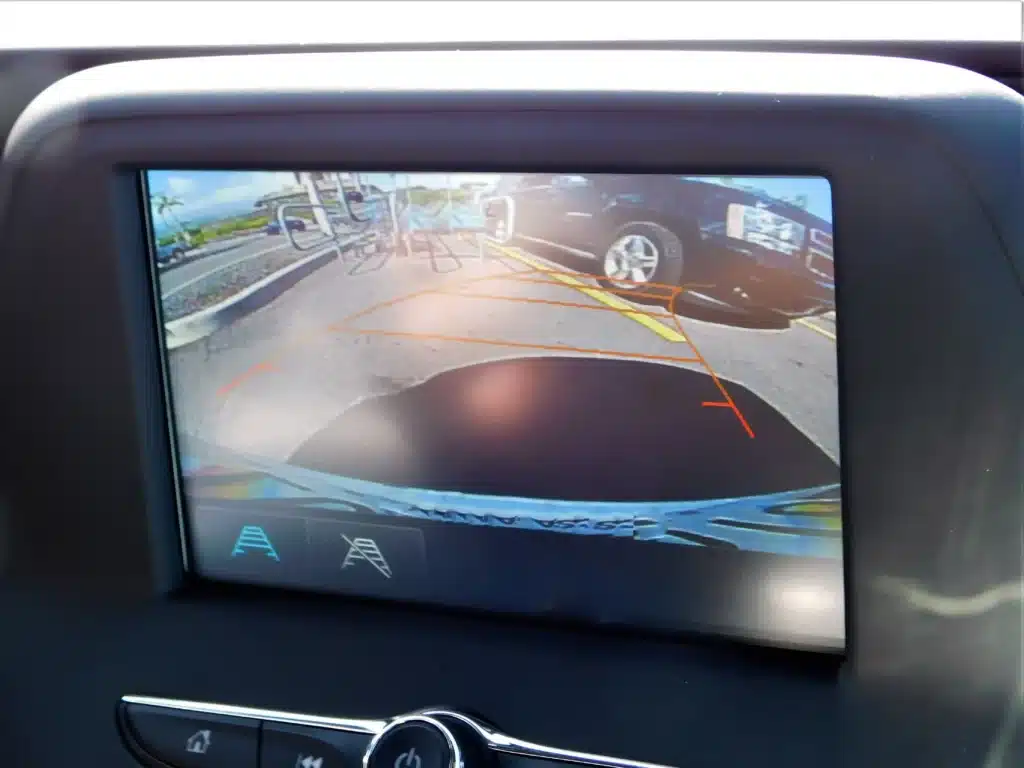
Credit: lemonlawhelp.com
Early Innovations In Automotive Technology
Early innovations in automotive technology have always been a fascinating journey of creativity and practical problem-solving. These breakthroughs not only made driving safer and more efficient but also laid the foundation for the modern vehicles we rely on today. From simple enhancements like rear-view mirrors to advanced systems like backup cameras, each innovation has its own story and purpose.
Early Innovations In Safety Features
In the quest for safer driving, car manufacturers have been pioneers in implementing groundbreaking safety features. Seat belts and airbags are now standard, but their introduction marked significant milestones in automotive safety. The same goes for backup cameras, which began as a novel idea and evolved into a necessity for many drivers.
The Vision Behind Backup Cameras
Backup cameras were designed to address a common issue—limited rear visibility. How often have you found yourself squinting at your mirrors or craning your neck, trying to see what’s behind your vehicle? The idea was simple yet revolutionary: a camera that gives you eyes where you need them most.
Who Started This Trend?
Do you know which car manufacturer first introduced the backup camera? It was Toyota, with its 1991 Soarer, a Japanese-market model. This was a bold step towards enhancing driver awareness and minimizing blind spots.
Impact On Modern Vehicles
Today, backup cameras are ubiquitous in new cars, transforming the way we navigate parking lots and busy streets. They offer an extra layer of safety that has become indispensable. As technology advances, we can expect even more sophisticated systems to enhance our driving experience.
How Early Innovations Influence You
Reflect on how these early innovations impact your daily driving routine. Are you more confident backing out of tight spots? Do you rely on your backup camera for precision? Understanding these developments can help you appreciate the ingenuity that drives automotive technology forward.
The Pioneer Of Backup Cameras
Backup cameras have become an indispensable feature in modern vehicles, enhancing safety by providing drivers with a clear view of what’s behind their car. However, have you ever wondered which car manufacturer was the trailblazer in integrating this game-changing technology?
Who Introduced The First Backup Camera?
It might surprise you to learn that the pioneering brand was none other than Toyota, with its luxurious division, Lexus. The Lexus SC 400 Coupe, unveiled in 1991, was equipped with a prototype backup camera, marking a significant step forward in automotive safety features.
Why Did Lexus Take The Lead?
Lexus was driven by a commitment to safety and innovation. This brand wanted to set itself apart in the luxury market by offering cutting-edge technology that prioritized driver and passenger safety. The backup camera was a testament to that ethos.
How Did It Change Driving?
Introducing backup cameras was revolutionary. It transformed how drivers perceive the space behind their vehicles, reducing blind spots and preventing accidents. Think about the last time you parked in a tight spot—how different would it have been without a backup camera?
Impact On Automotive Industry
Since Lexus’s pioneering move, backup cameras have become standard in most vehicles. They have influenced regulations, with many countries now mandating their inclusion in new cars. The ripple effect of Lexus’s innovation is felt globally, enhancing road safety for everyone.
What Does This Mean For You?
Knowing the history of backup cameras can inform your decisions as a car buyer. You might appreciate models from brands with a strong legacy of safety innovation. Next time you use your backup camera, consider the journey of this technology and how it continues to evolve, making your drive safer.

Credit: www.amazon.com
Impact On Car Safety Standards
Toyota introduced the first backup camera in 1991, significantly influencing car safety standards. This innovation enhanced rear visibility, reducing accidents and encouraging other manufacturers to adopt similar technology. Backup cameras became essential, shaping modern vehicle safety features.
The advent of backup cameras has significantly influenced car safety standards. These devices provide drivers with a clear view behind their vehicles. This innovation has reduced accidents during reversing maneuvers. Understanding the impact on safety can shed light on its importance.Improved Driver Visibility
Backup cameras enhance rear visibility for drivers. Traditional mirrors have blind spots. Cameras fill these gaps. They display a wider view on the screen. Drivers can see obstacles or pedestrians. This reduces the risk of accidents.Reduced Accidents And Injuries
Accidents during reversing are common. Backup cameras help prevent them. The clear view aids in avoiding collisions. This decreases the likelihood of injuries. Safety statistics show fewer incidents with cameras installed.Mandatory Safety Features
Backup cameras have become standard in many vehicles. In some countries, they are required by law. This has raised the bar for car safety. Manufacturers now include them in design plans. They are essential for modern vehicle safety.Technological Advancements
The technology behind backup cameras has evolved. Early versions were simple. Now, they integrate with other systems. Some cameras offer night vision. Others have sensors for object detection. These advancements improve safety further.Consumer Awareness And Demand
Consumers are now more aware of safety features. They demand better visibility options. Backup cameras are popular choices. Manufacturers respond to this demand. They prioritize safety in new models.Influence On Car Design
Car designs have changed due to backup cameras. Designers consider camera placement during manufacturing. This integration has improved vehicle aesthetics. It ensures cameras function optimally. Safety is now a design priority.Evolution Of Backup Camera Technology
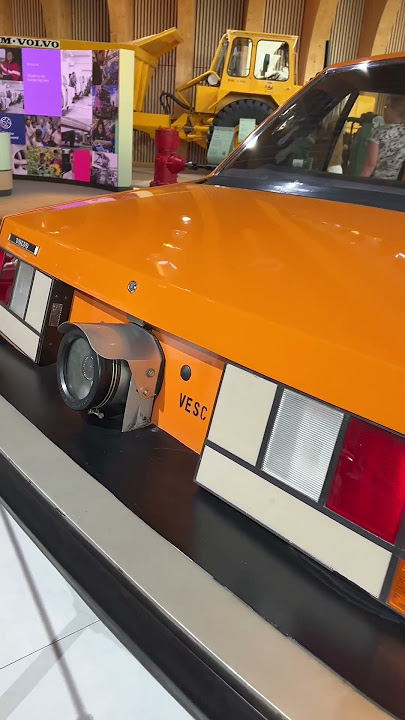
The backup camera technology first appeared in 1956 with Buick’s Centurion concept car. This innovation laid the groundwork for future developments in car safety features.
The evolution of backup camera technology tells a fascinating story. From basic beginnings to advanced systems, backup cameras have transformed. They have become essential for modern vehicles. Their journey reflects technological innovation and consumer demand for safety.Early Innovations In Backup Cameras
The first backup cameras appeared in the 1950s. These early models were rudimentary. They featured basic video systems. The technology was not ready for widespread use.Breakthrough In The 1990s
The 1990s saw significant advancements. Car manufacturers began integrating cameras with other systems. This made them more practical and appealing to consumers.Widespread Adoption In The 2000s
By the 2000s, backup cameras became common. Laws and regulations encouraged their use. Consumers appreciated the added safety they provided.Modern Backup Camera Features
Today’s backup cameras are advanced. They include high-resolution displays. Some offer night vision and wide-angle lenses. These features enhance safety and convenience.Future Of Backup Camera Technology
The future holds exciting possibilities. Advancements in AI and sensors are underway. These will likely lead to even smarter systems. They promise to further enhance driver safety.
Credit: www.facebook.com
Modern Integration In Vehicles
Vehicles today are equipped with advanced technology. Toyota was the first manufacturer to introduce backup cameras in 1991. This innovative feature enhances safety, providing drivers with a clear rear view when reversing.
In the world of automobiles, technology advances rapidly. Modern vehicles now integrate features that enhance safety and convenience. One such feature is the backup camera. It helps drivers see obstacles behind their vehicle. This system has become standard in many cars. But which manufacturer introduced it first? Understanding this innovation offers insight into the evolution of car technology.Integration Of Technology In Today’s Vehicles
Today’s cars are smart. They come with advanced tech features. These features include GPS, sensors, and cameras. Backup cameras are common in many models. They provide a clear view of the rear area. This helps prevent accidents and improve parking.The First Manufacturer To Introduce Backup Cameras
The first backup camera appeared in 1956. Buick introduced it in their Centurion concept car. The camera replaced the rear-view mirror. It was a revolutionary idea at the time. However, it did not become popular until decades later.How Backup Cameras Became Standard
It took years for backup cameras to gain traction. In 2002, Infiniti offered it in their Q45 model. Other manufacturers soon followed. By 2018, backup cameras became mandatory in new cars in the U.S. This law increased safety and reduced blind spots.Impact Of Backup Cameras On Safety
Backup cameras significantly enhance driver safety. They reduce the risk of backover accidents. Studies show fewer incidents in cars with this feature. They also help in tight parking spaces. Drivers can see obstacles they might miss otherwise.Future Of Technological Integration In Cars
Car technology continues to evolve. New features are being developed. Autonomous driving is on the horizon. Cameras and sensors will play a key role. They will integrate with AI to enhance the driving experience. This evolution will make roads safer for everyone.Future Of Automotive Safety Features
Future of Automotive Safety Features The journey of automotive safety innovations highlights Nissan as the pioneer in integrating the first backup camera in 2002. This feature marked a significant advancement in enhancing driver awareness and vehicle safety, setting a precedent for future safety technologies in the automotive industry.
The ‘Future of Automotive Safety Features’ promises a significant shift in how we drive. As technology advances, safety features in cars become more sophisticated. These innovations aim to protect drivers, passengers, and pedestrians.The Rise Of Intelligent Systems
Cars now use intelligent systems to enhance driver safety. These systems include adaptive cruise control and lane-keeping assistance. They use sensors and cameras to monitor surroundings. They provide real-time feedback to help avoid accidents. Such systems are becoming standard in new cars.Integration Of Advanced Sensors
Sensors are crucial in modern vehicles. They detect objects and monitor vehicle performance. Backup cameras, once a novelty, are now essential. They help drivers see obstacles behind their cars. This technology reduces the risk of collisions when reversing.Impact Of Artificial Intelligence
Artificial intelligence (AI) is reshaping automotive safety. AI algorithms analyze data from various sensors. They predict potential hazards and alert drivers. AI also assists in autonomous driving, paving the way for self-driving cars.Connectivity And Vehicle-to-everything (v2x) Communication
Connectivity in cars is growing. V2X communication allows vehicles to interact with each other. They also communicate with infrastructure like traffic lights. This technology helps in accident prevention and traffic management.Emphasis On Pedestrian Safety
Pedestrian safety is a key focus in automotive design. Cars now have features to detect pedestrians. Automatic emergency braking can activate to prevent accidents. These innovations aim to reduce pedestrian-related incidents.The Role Of Regulation And Standards
Regulations play a vital role in safety features. Governments mandate certain safety standards for new vehicles. These standards ensure manufacturers include essential safety technology. This helps in maintaining a baseline for vehicle safety.Future Prospects And Developments
The future holds even more advancements in automotive safety. We expect further integration of AI and machine learning. Innovations will continue to enhance driving safety and convenience. The industry is committed to reducing road accidents and fatalities.Frequently Asked Questions
Who Invented The First Car Backup Camera?
The first car backup camera was introduced by Toyota. It was featured in the Toyota Soarer, a luxury coupe, in 1991. This innovation aimed to enhance driver safety by providing a clear rear view, reducing blind spots, and preventing accidents.
Backup cameras became standard in many vehicles over time.
When Was The First Backup Camera Introduced?
The first backup camera was introduced in 1991. Toyota unveiled this technology in their Toyota Soarer model. It was designed to assist drivers with reversing by providing a clear rear view. Over the years, backup cameras have become a common safety feature in modern vehicles.
Which Car Featured The First Backup Camera?
The Toyota Soarer featured the first backup camera. Released in 1991, this luxury coupe introduced the pioneering technology. The backup camera offered drivers improved rear visibility, enhancing safety and convenience. As backup cameras gained popularity, they became standard in many vehicles worldwide.
Why Are Backup Cameras Important For Cars?
Backup cameras are crucial for enhancing safety. They provide drivers with a clear view of the area behind the vehicle, reducing blind spots. This helps prevent accidents during reversing maneuvers. Backup cameras have become a standard feature, improving driver awareness and contributing to safer driving experiences.
Conclusion
Backup cameras have evolved significantly over the years. Their journey began with a simple idea. Safety and convenience were key drivers. The first backup camera was a breakthrough for drivers. It made parking easier and safer. Today, backup cameras are a standard feature in cars.
They help prevent accidents and improve visibility. Car manufacturers continue to innovate in this area. Technology keeps advancing to enhance driver experience. Understanding this history helps appreciate modern car features. Backup cameras show how far we’ve come in automotive safety.
Their legacy continues to impact driving today.