
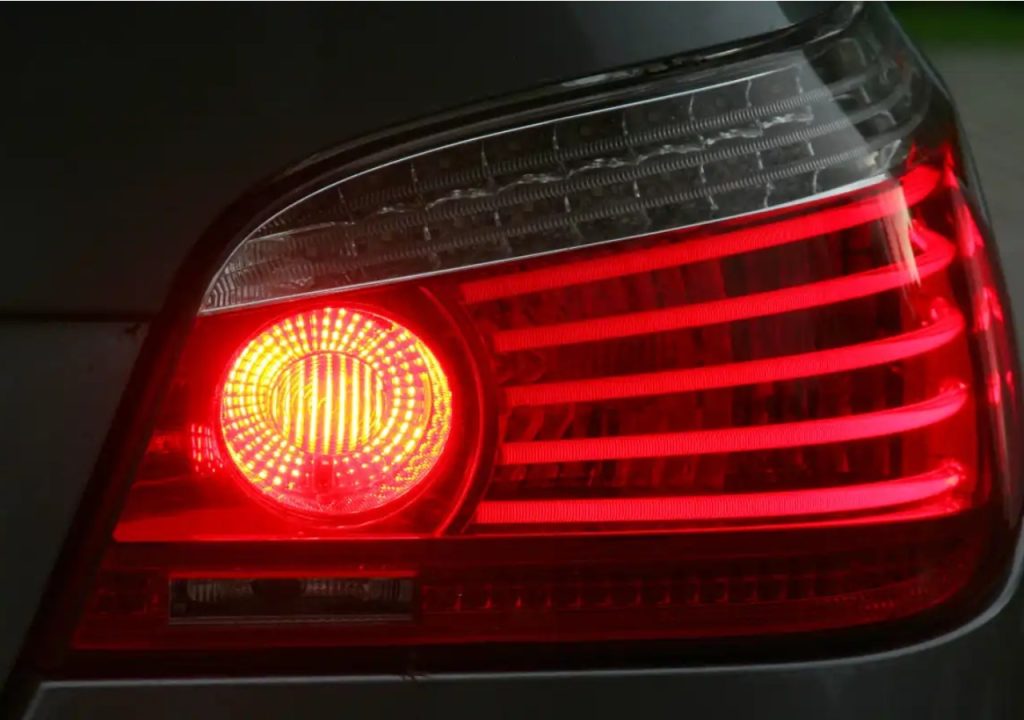
Have you ever found yourself wondering, “Where exactly are the brake lights on a car?” You’re not alone.
Whether you’re a new driver or just curious about your vehicle, understanding where your brake lights are located is crucial for safe driving. These lights play a vital role in communicating with other drivers on the road, letting them know when you’re slowing down or coming to a stop.
Without them, you risk accidents and misunderstandings. We’ll uncover the specific locations of brake lights on various car models, ensuring that you have the knowledge to spot them easily. Plus, we’ll delve into why keeping them in top condition is important for your safety. Stay with us as we illuminate this essential aspect of your car’s design and functionality.

Credit: autos.yahoo.com
Brake Light Locations
Understanding the brake light locations on a car is essential for safety and compliance. Proper functioning brake lights alert drivers behind you that you’re slowing down or stopping, preventing potential accidents. Knowing where these lights are located helps you maintain them efficiently and ensures your vehicle is visible in all conditions.
Rear Brake Lights
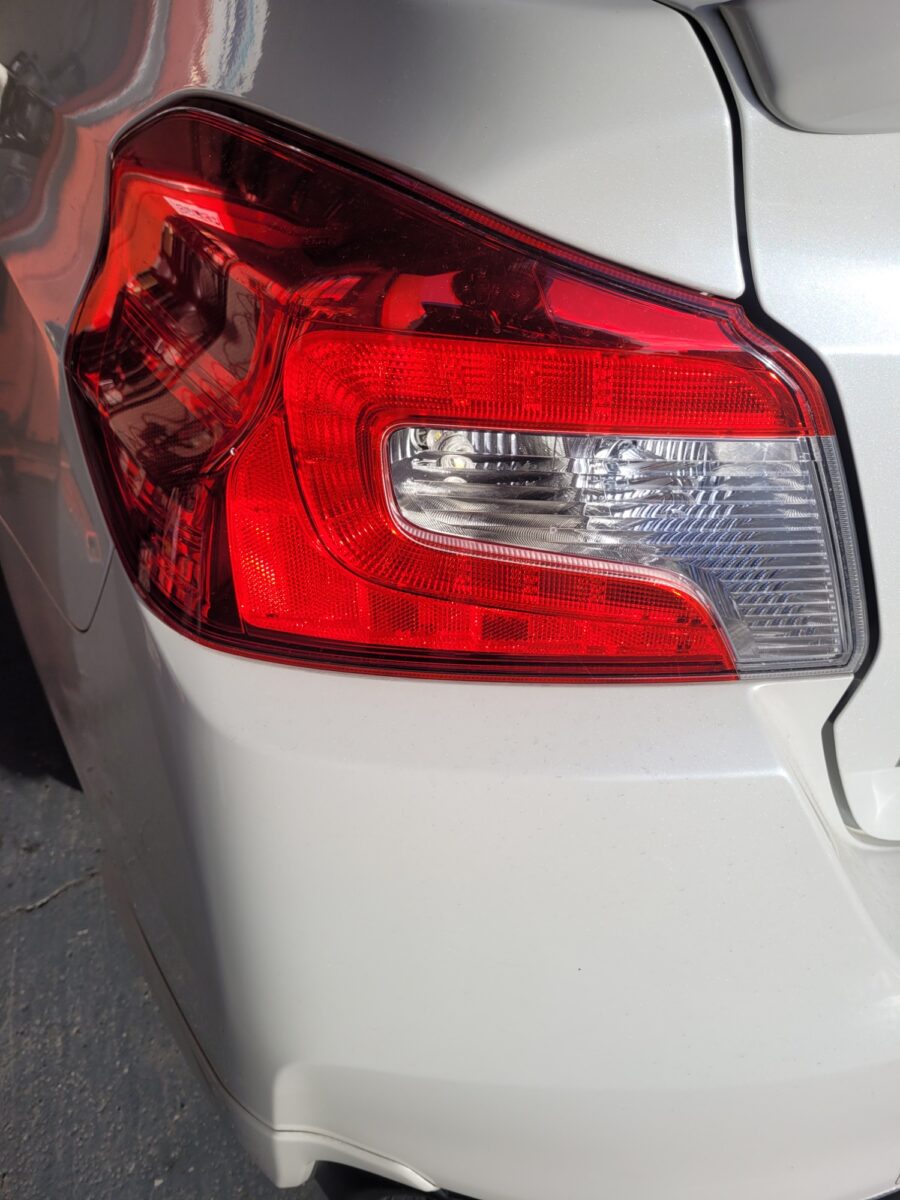
Rear brake lights are the primary indicators mounted on the back of your car. Typically, they are integrated into the tail light assembly. These lights are crucial because they signal to drivers behind you whenever you press the brake pedal. If you’ve ever been in traffic, you know how important these lights are in communicating your intentions. Be sure to check them regularly to ensure they are working properly.
High-mounted Brake Light
The high-mounted brake light, often referred to as the third brake light, is located at the rear of the vehicle, usually at the top of the rear window or on the trunk lid. This light provides an extra level of visibility, especially useful in heavy traffic or when driving at night. It helps those driving behind you to see your vehicle’s brake signals clearly, even if the regular brake lights are obscured by other vehicles.
Brake Lights On Trailers
Brake lights on trailers are similar to those on cars, but they serve an additional purpose. If you’re towing a trailer, these lights are essential for safety on the road, mirroring the signals from your vehicle. Make sure the connection between your vehicle and the trailer is secure, and that the lights are functioning correctly. Have you ever considered how crucial these lights are, especially when traveling long distances? They ensure that drivers behind your trailer are aware of your braking actions, preventing mishaps.
Credit: grimmermotors.co.nz
Types Of Brake Lights
Brake lights are crucial for road safety. They signal to others when a car is slowing down or stopping. There are different types of brake lights. Each type has unique features and benefits. Understanding these can help in maintaining your car’s lighting system.
Incandescent Bulbs
Incandescent bulbs are traditional in cars. They contain a filament that glows when heated. These bulbs are affordable and easy to replace. However, they consume more power. Their lifespan is shorter compared to other types. They are slowly becoming less common.
Led Brake Lights
LED brake lights are modern and efficient. They use light-emitting diodes to produce light. LEDs consume less power and last longer. They also light up quicker than incandescent bulbs. This quick response enhances safety on the road. Many new cars now use LED lights.
Halogen Brake Lights
Halogen brake lights are an upgrade from incandescent bulbs. They have a small amount of halogen gas inside. This gas increases the bulb’s brightness and lifespan. Halogen lights are brighter and more efficient. They are a popular choice in mid-range cars.
Functionality And Importance
Brake lights are typically located at the rear of the car. They signal to drivers behind you when you are slowing down or stopping. Properly functioning brake lights are crucial for road safety, preventing accidents by ensuring visibility to other drivers.
Understanding the functionality and importance of brake lights on a car can transform your driving experience from merely functional to truly aware. These often-overlooked components are critical for your safety and the safety of those around you. By appreciating their role, you’ll not only protect yourself but also contribute positively to the flow of traffic.Safety Features
Brake lights are essential safety features that alert drivers behind you that your vehicle is slowing down or coming to a stop. Imagine driving at night on a dimly lit road; without these red beacons, the driver behind you would have little warning of your intentions. This could lead to sudden braking, causing accidents or near misses. Their position at the rear of your car ensures they are visible to other drivers from a distance. This visibility gives others ample time to adjust their speed and maintain a safe following distance. It’s a simple yet effective way to prevent rear-end collisions.Communication With Other Drivers
Brake lights serve as a form of non-verbal communication on the road. When you press the brake pedal, the lights instantly inform the driver behind you that you’re decelerating. This is especially important in heavy traffic where sudden stops are common. Think about the last time you drove in rush hour. Without the prompt signal from brake lights, how would you anticipate the actions of the car in front of you? This clear communication helps maintain order and flow on busy roads.Legal Requirements
Brake lights are not just a safety feature; they are a legal requirement in most places. Driving with faulty brake lights can result in traffic violations and fines. Authorities mandate these lights to ensure every driver’s safety and smooth traffic operation. Regular maintenance checks can prevent you from inadvertently breaking the law. So, ask yourself: when was the last time you checked your brake lights? Ensuring they function correctly is not just responsible; it’s legally necessary.Common Issues And Fixes
Brake lights are crucial for road safety, alerting drivers behind you when you’re stopping. Yet, like any car component, they can encounter issues. Understanding common problems and knowing how to fix them can save you time and stress. Let’s dive into some typical brake light issues and practical solutions.
Burnt Out Bulbs
One of the most common brake light problems is burnt out bulbs. You might notice this when another driver signals that your brake lights aren’t working. Replacing a bulb is generally straightforward. Check your car’s manual to find the type of bulb needed. It often involves removing the light housing, taking out the old bulb, and inserting a new one. Always keep spare bulbs in your car for emergencies.
Faulty Wiring
Faulty wiring can lead to brake light failures. Have you noticed flickering or inconsistent lighting? This might be due to loose connections or damaged wires. Inspect the wiring near the brake light housing. Look for signs of wear or corrosion. If wiring seems damaged, you might need a professional to fix it. Ensuring secure wiring can prevent further electrical issues in your vehicle.
Malfunctioning Brake Light Switch
A malfunctioning brake light switch is another culprit for brake light issues. This switch is located near the brake pedal and signals the lights to turn on when you press the pedal. If your brake lights aren’t activating, it could be a faulty switch. Test the switch by pressing the brake pedal and seeing if the lights respond. Sometimes, adjusting the switch or replacing it can resolve the problem. Regular checks can help maintain this vital component.
Regular Maintenance Tips
Brake lights are located at the rear of the vehicle. They illuminate when the brake pedal is pressed. Ensure they function properly to signal to drivers behind you.
Regular maintenance of brake lights is crucial for road safety. These lights signal drivers behind you to slow down or stop. Without functioning brake lights, you risk accidents and traffic violations. Regular checks ensure your brake lights work properly. Here are some maintenance tips.Routine Inspections
Check your brake lights every month. Ensure all lights illuminate when you press the brake pedal. Ask someone to observe them while you brake. This quick check can prevent future issues. Catching problems early saves time and money.Cleaning Brake Light Covers
Dirt and grime can dull your brake lights. Clean the covers regularly to maintain brightness. Use a damp cloth with mild soap. Gently wipe the covers, avoiding scratches. Clean brake lights improve visibility for other drivers.Replacing Bulbs
Dim or non-working lights need bulb replacement. Purchase the correct bulb type for your car. Consult your vehicle’s manual for guidance. Replace bulbs in pairs for consistent brightness. Follow the instructions in the manual for safe installation.
Credit: urbsgarage.com
Upgrading Brake Lights
Upgrading your car’s brake lights might seem like a small change, but it can make a big difference in your driving experience. Whether you’re looking to enhance safety or simply want a modern look, switching to LED brake lights offers numerous advantages. As technology evolves, so does our ability to improve and personalize our vehicles. Are you ready to make the leap?
Benefits Of Led Upgrades
LED brake lights are brighter and more efficient than traditional bulbs. This means they illuminate faster, giving drivers behind you more time to react. Plus, they consume less power, which can extend the lifespan of your vehicle’s electrical system. Imagine the peace of mind knowing your lights will last longer and are less likely to fail.
Another perk is their durability. LED lights are more resistant to vibrations and impacts, perfect for those rough roads or unexpected bumps. With these lights, you’re investing in reliability and performance.
Choosing Compatible Models
Not all LED lights are created equal. It’s crucial to select models that fit your car’s make and model. Compatibility ensures optimal performance and prevents installation headaches. Check your vehicle’s manual or consult with a professional to find the right fit.
Consider the color temperature as well. Some LEDs emit a cooler white light, while others are warmer. Choose the one that suits your style and enhances visibility on the road.
Installation Tips
Installing LED brake lights can be a straightforward process, but a few tips can make it smoother. Start by gathering the necessary tools: screwdrivers, gloves, and maybe a multimeter to check connections. Safety first, always disconnect your car’s battery before starting to avoid any electrical mishaps.
As you install, make sure the lights are securely fastened. Loose connections can lead to flickering or failure. Once installed, test them in a dark area to ensure they’re working correctly. You might be surprised at how much brighter your car looks!
Have you ever upgraded your car’s brake lights? Share your experience and any tips you might have for fellow car enthusiasts!
Frequently Asked Questions
Where Are Brake Lights Located?
Brake lights are located at the rear of vehicles. They are usually positioned near the taillights. These lights alert drivers behind you when you slow down or stop. Proper functioning brake lights are crucial for road safety. Regularly check them to ensure they are operational.
Which Lights Are The Brake Lights?
Brake lights are located at the rear of a vehicle. They illuminate when the brake pedal is pressed. These lights signal to other drivers that you are slowing down or stopping. They are typically red and positioned higher than other rear lights for better visibility.
How Do I Turn On The Brake Lights?
Press the brake pedal to activate the brake lights. Ensure the vehicle’s ignition is on for functionality.
Are Brake Lights In The Front Or Back?
Brake lights are located at the back of the vehicle. They signal when the driver brakes. These lights enhance road safety by alerting drivers behind. Regularly check brake lights to ensure they function properly. Properly working brake lights are crucial for preventing rear-end collisions.
Conclusion
Brake lights are crucial for safe driving. They warn others when you stop. Typically found at the back of the car. Near the tail lights. These lights illuminate when you press the brake pedal. Designed to prevent accidents. Properly functioning brake lights are essential.
Regular checks ensure they work correctly. A simple step. But vital for safety. Understanding their location helps you maintain your car better. So, always ensure they are in working order. Your safety and others depend on it. Stay aware and be prepared.
Safe driving starts with operational brake lights.