
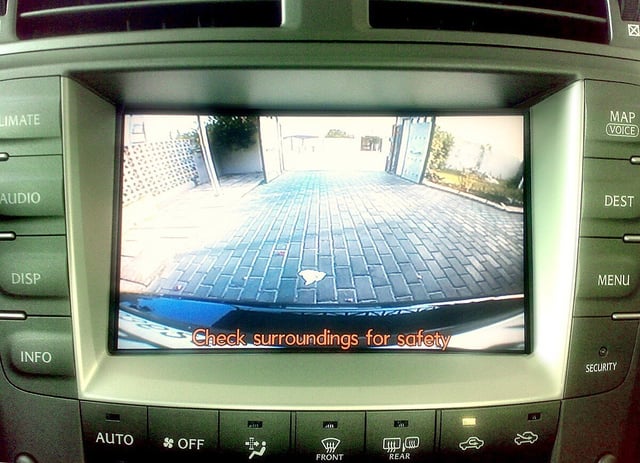
Imagine you’re reversing your car in a crowded parking lot. You can’t quite see what’s behind you, and you feel a bit anxious.
Now, picture having a clear, live view of everything that’s back there. That’s the magic of a backup camera. But have you ever wondered when the first car backup camera came into existence? Knowing this could change how you perceive modern driving.
Understanding the evolution of such a vital technology might not only make you appreciate your current driving experience but also influence your next car purchase. Dive into the fascinating history behind this revolutionary invention. Discover when it all started, and see why it has become an essential feature in most vehicles today. You won’t want to miss this eye-opening journey into automotive history.
Early Innovations In Automobile Safety
In the world of automobiles, safety has always been a top priority. As cars evolved, so did the technology designed to keep passengers safe. Early innovations in automobile safety laid the groundwork for the advanced features we enjoy today, including the car backup camera. These innovations reflect a persistent quest to protect drivers and passengers while enhancing the driving experience.
Early Attempts At Improving Visibility
Before backup cameras, drivers relied solely on mirrors to navigate their vehicles in reverse. Imagine reversing a bulky car with only the side mirrors for guidance. The challenge was immense. To improve visibility, manufacturers experimented with various mirror designs and placements. While these changes offered slight improvements, the desire for a more comprehensive solution persisted.
Introduction Of Rear-view Mirrors
Rear-view mirrors were a breakthrough in automotive safety. Positioned inside the vehicle, they allowed drivers to see directly behind them. This innovation reduced blind spots and minimized the risk of collisions. However, rear-view mirrors had limitations, especially when parking or reversing in tight spaces. They couldn’t provide a complete view of the rear surroundings.
The Quest For Enhanced Rear Vision
The need for better rear visibility led to more inventive solutions. Engineers explored options like periscopes and wide-angle lenses. These attempts demonstrated creativity and a commitment to safety. While not widely adopted, they signaled the industry’s willingness to think outside the box. The idea was clear: improving rear vision could drastically reduce accidents.
First Car Backup Camera: A Game-changer
The first car backup camera emerged as a revolutionary tool. It provided a live feed of the vehicle’s rear, displayed on a screen within the car. This innovation transformed parking and reversing maneuvers, offering drivers confidence and precision. With a backup camera, you could avoid obstacles with ease, making your driving experience smoother and safer.
Have you ever wondered how different driving would be without these advancements? Next time you’re reversing your car, take a moment to appreciate the technology that keeps you safe. What early innovations do you think paved the way for future breakthroughs? Share your thoughts and experiences below!
The Concept Of Rear-view Cameras
Rear-view cameras first appeared in 1956 on the Buick Centurion concept car. This innovative feature helped drivers see behind their vehicles, enhancing safety. It paved the way for modern backup cameras found in today’s cars.
The Concept of Rear-View Cameras Have you ever wondered how drivers managed to reverse safely before backup cameras became standard? The idea behind rear-view cameras is simple yet ingenious. It’s about giving you a clear view of the area behind your vehicle that mirrors alone can’t provide. Imagine trying to park in a tight spot without the assurance of a backup camera. You’d be relying solely on mirrors and your instincts, which can be quite challenging. This is where the concept of rear-view cameras revolutionized driving safety, offering a solution to a common problem.The Birth Of A Game-changer
The concept wasn’t always focused on safety. Initially, it was more about convenience. Who wouldn’t want an easier way to see what’s directly behind them without craning their neck?Early Innovations
Automakers began experimenting with rudimentary rear-view camera systems as early as the 1950s. These early versions were far from perfect, but they sparked the imagination of engineers.From Prototype To Production
By the 1990s, technology had advanced enough to make rear-view cameras feasible for mass production. In 1991, Toyota showcased a futuristic concept car equipped with a backup camera at the Tokyo Motor Show.Real-world Impact
Backup cameras have now become a standard feature in many vehicles. Their widespread adoption has significantly reduced the number of reversing accidents. Have you ever avoided a fender bender thanks to your backup camera?Looking Ahead
As technology continues to evolve, what could the future hold for rear-view cameras? With advancements in AI and sensor technology, imagine a system that not only shows what’s behind you but predicts potential collisions.The First Prototype: 1950s Experiments
In the bustling years of the 1950s, engineers began experimenting with automotive technology that would eventually lead to the car backup camera. These early experiments laid the groundwork for a safety feature many now take for granted. At the time, the concept was revolutionary, aiming to enhance driver awareness and vehicle safety. Let’s explore how these pioneering efforts shaped today’s automotive technology.
The Visionary Minds Behind The Idea
The idea for a backup camera emerged from the need for better rear visibility. Engineers envisioned a device that could assist drivers in avoiding obstacles. This was a time when innovation was driven by necessity. The focus was on creating a practical solution for a common problem.
Technical Challenges And Early Designs
Developing the first prototype was fraught with challenges. The technology needed to be compact and reliable. Engineers experimented with various designs, seeking the right balance between functionality and feasibility. Early designs were rudimentary but showed promise.
Feedback From Initial Tests
Testing these prototypes was crucial for refinement. Drivers who tested the early models provided valuable feedback. Their insights helped engineers understand the practical implications. It was a collaborative effort, paving the way for future enhancements.
Impact On Automotive Safety Innovations
The experiments of the 1950s were pivotal for automotive safety. Though the technology wasn’t perfect, it sparked interest in vehicle safety systems. These early efforts highlighted the importance of innovation in the automotive industry. They set the stage for more advanced technologies.

Credit: www.facebook.com
Pioneering Models In The 1970s And 1980s
The first car backup camera appeared in the 1970s. It was introduced in a Buick Centurion concept car. This innovation paved the way for modern vehicle safety features.
The journey of car backup cameras began decades ago. The 1970s and 1980s marked significant strides in automotive technology. Early models laid the groundwork for the modern backup cameras we use today. These pioneering models were experimental yet visionary.Early Concepts And Innovations
During the 1970s, car manufacturers explored new safety features. Backup cameras emerged as a potential solution to rear-view limitations. Engineers aimed to enhance drivers’ visibility behind vehicles.Technological Advancements In The 1980s
The 1980s witnessed further development of backup camera technology. Automakers tested prototypes in various vehicle models. These advancements included basic screen displays linked to cameras.Experimental Models And Their Impact
Experimental models in this era showcased possibilities. They influenced car design and safety features. Though not widely adopted, they set the stage for future innovations.Challenges And Limitations
Early backup cameras faced technical challenges. The cost and complexity limited widespread use. Despite these hurdles, the idea persisted in automotive circles.Legacy And Influence On Modern Designs
These pioneering models left a lasting legacy. Modern backup cameras evolved from these early concepts. Today, they are standard in many vehicles, enhancing safety and convenience.Breakthrough In The 1990s
In the 1990s, car safety took a giant leap forward. The introduction of the backup camera marked a significant shift. These devices aimed to reduce accidents and improve driver confidence. Initially, they were a luxury found only in high-end vehicles. Over time, they became more common and accessible.
Technological Advancements
The 1990s saw rapid technological growth. Cameras became smaller and more efficient. Display screens in cars started to become a norm. This made it easier to integrate cameras into vehicles. Engineers worked to enhance camera clarity and reliability. The goal was to provide a clear view of the car’s rear. This technology aimed at minimizing blind spots.
Key Manufacturers
Several manufacturers led the way in backup camera technology. Toyota and Nissan were among the pioneers. They recognized the need for improved safety features. Their models included some of the earliest backup cameras. These companies set standards for others to follow. Soon, many other carmakers adopted this technology.

Credit: www.youtube.com
Commercial Adoption In The Early 2000s
Car backup cameras first appeared in the early 2000s, enhancing vehicle safety. In 2002, Nissan introduced the first camera in the Infiniti Q45 model. This innovation quickly gained popularity, improving rear visibility for drivers.
The early 2000s marked a turning point for car backup cameras, transitioning from futuristic concepts to essential automotive features. As these devices became commercially adopted, they began to reshape the car industry. It wasn’t just about adding a camera; it was about redefining safety and convenience for drivers everywhere.Market Response
The market’s reaction to backup cameras was swift and positive. Car manufacturers noticed a growing demand from safety-conscious consumers eager for enhanced visibility. It wasn’t just tech enthusiasts who were thrilled; everyday drivers appreciated the practical benefits of avoiding obstacles and ensuring pedestrian safety. Automakers responded by integrating backup cameras into various models, making them accessible to a wider audience. This move wasn’t just about competitive edge but also about setting a new standard for vehicle safety. Consumers quickly adapted, viewing backup cameras as a must-have feature rather than a luxury.Impact On Car Design
Backup cameras didn’t just enhance safety; they influenced car design in unexpected ways. The integration of cameras led to innovative changes in rear-end styling. Designers had to think creatively about how to house cameras without compromising aesthetics. This shift also encouraged the development of more compact camera systems, allowing for sleeker car designs. Have you noticed how rear bumpers have evolved in modern cars? The seamless inclusion of technology is partly to thank for this transformation.Regulatory Changes And Safety Standards
The introduction of car backup cameras marked a significant shift in automotive safety. Regulatory changes and safety standards played a crucial role. These measures aimed to reduce accidents and protect lives.
Regulatory Changes In The Automotive Industry
In the early 2000s, backup cameras were not common in vehicles. The need for improved safety led to regulatory discussions. In 2008, the U.S. government passed the Cameron Gulbransen Kids Transportation Safety Act. This act mandated backup cameras in all new cars by 2018. Automakers had time to adapt to these new requirements.
Impact On Safety Standards
Backup cameras enhanced safety by providing drivers with better visibility. They helped prevent accidents, especially in crowded areas. The cameras reduced blind spots, allowing drivers to see obstacles. This technology quickly became a standard feature in many vehicles.
Adoption By Car Manufacturers
Car manufacturers embraced the new regulations and safety standards. They integrated backup cameras into their vehicle designs. The industry saw a rise in the production of cars with backup cameras. This change improved the overall safety of vehicles on the road.
Consumer Awareness And Demand
Consumers became more aware of the benefits of backup cameras. Demand for cars equipped with this technology increased. Buyers prioritized safety features when selecting vehicles. This shift in consumer behavior encouraged manufacturers to comply with regulations.

Credit: www.instagram.com
Modern Innovations And Future Trends
Backup cameras have transformed modern driving. They add safety and convenience to vehicles. Recent innovations further enhance these systems. Companies integrate advanced tech to improve user experience. Future trends promise even more exciting developments.
Integration With Ai
AI integration is a key trend in backup cameras. AI helps cameras understand surroundings better. This ensures safer maneuvering in tight spaces. AI can identify obstacles and warn drivers in real-time. It also learns from driving patterns to optimize guidance.
Enhanced Features
Modern backup cameras offer several enhanced features. Night vision improves visibility in low light. This makes parking at night easier and safer. Wide-angle lenses provide a broader view behind the car. This reduces blind spots significantly.
Some cameras now include parking assistance. This guides drivers with visual cues on screens. Wireless connectivity is also becoming common. It allows seamless integration with smartphones and infotainment systems.
Frequently Asked Questions
When Was The First Car Backup Camera Invented?
The first car backup camera was invented in 1956. It was introduced in the Buick Centurion concept car. This innovative feature was ahead of its time but didn’t become mainstream until decades later.
Why Were Backup Cameras Invented?
Backup cameras were invented to enhance vehicle safety. They help drivers see blind spots while reversing. This reduces the risk of accidents and improves overall driving safety.
What Year Did Backup Cameras Become Mandatory?
Backup cameras became mandatory in 2018. The U. S. National Highway Traffic Safety Administration (NHTSA) required them in all new vehicles. This regulation aims to reduce backover accidents.
How Do Backup Cameras Improve Safety?
Backup cameras improve safety by providing a clear view of what’s behind the vehicle. They help drivers avoid obstacles and pedestrians. This reduces the risk of collisions and enhances safe driving.
Conclusion
Backup cameras changed driving safety. First used in 1956 by Buick, they took decades to become common. Now, most cars have them. Drivers feel safer with rear visibility. Technology continues to evolve. Cameras now have better resolution. Some systems offer 360-degree views.
These advancements help avoid accidents. Car manufacturers focus on improving features. Safety is a priority for consumers and makers. Backup cameras are now standard. They enhance driving experience. A valuable tool for modern drivers. Their history shows progress in automotive safety.