
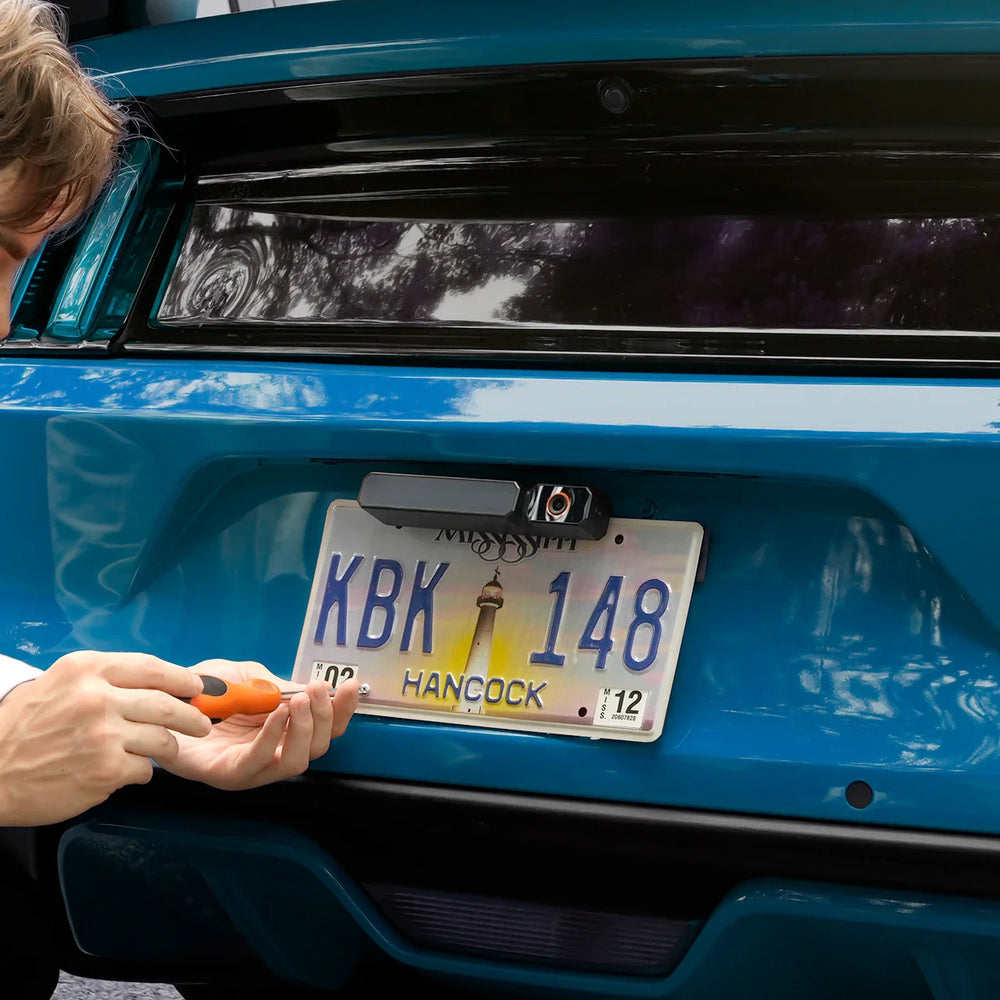
Imagine the peace of mind that comes with knowing what’s behind your car before you even start backing up. Backup cameras have revolutionized the way you drive, making reversing safer and easier.
But have you ever wondered when these handy devices became a standard feature in cars? If you’re curious about how this game-changing technology came to be, you’re in the right place. Dive into the history of backup cameras to discover the exact year they started appearing in vehicles.
By understanding their evolution, you gain insights into automotive advancements that have shaped your driving experience today. Keep reading to uncover the timeline and the impact it has had on your daily drives.
Early Innovations
Early innovations in car technology often act as the stepping stones for the modern conveniences we enjoy today. Backup cameras, now a standard feature in many vehicles, began as an inventive idea aimed at enhancing driver safety and visibility. Understanding the early stages of this innovation offers a fascinating glimpse into how automotive technology has evolved over the years.
Conceptual Beginnings
The concept of having a camera to assist in reversing wasn’t just a spur-of-the-moment idea. It originated from the basic human need to overcome the limitations of sight while driving. In the late 20th century, engineers and designers started pondering ways to eliminate blind spots, a common cause of accidents.
Have you ever tried reversing out of a tricky parking spot and wished for an extra pair of eyes? This was a common frustration that drove early thinkers to explore technological solutions. The goal was simple: to create a system that would give drivers a clear view of what was behind them without craning their necks or relying solely on mirrors.
First Prototypes
The first prototypes of backup cameras were developed in the 1970s, long before they became standard in vehicles. These initial designs were rudimentary, often consisting of a simple camera mounted on the rear of a vehicle and a small screen on the dashboard. The technology was far from perfect, with grainy images and limited field of view, but it was a start.
These early models were mostly seen in concept cars and high-end luxury vehicles, making them a rare sight for everyday drivers. Can you imagine being among the first to experience this cutting-edge feature? Though not widely adopted at first, these prototypes laid the groundwork for future improvements.
By experimenting with these early designs, engineers learned valuable lessons about camera placement, screen size, and image clarity. These insights led to the refined systems we see in cars today, turning what was once a luxury into a must-have safety feature for all drivers.

Credit: www.amazon.com
Initial Adoption
Backup cameras became popular in the early 2000s. They offered drivers better rear visibility. Before becoming widespread, these cameras faced initial adoption challenges. Let’s explore how luxury vehicles led this trend and the technological hurdles they faced.
Luxury Vehicles Lead
Luxury car brands started using backup cameras first. Brands like Lexus and Mercedes-Benz were pioneers. They included these cameras as a premium feature. This gave them an edge over competitors. High-end buyers valued the added safety and convenience.
These brands set the standard for others. As technology advanced, more manufacturers followed. Backup cameras soon became a common feature. They shifted from luxury to necessity.
Technological Challenges
Early backup cameras faced several hurdles. Camera quality was a major issue. Initial images were often blurry or low-resolution. This made them less reliable for drivers.
Weather conditions also posed problems. Rain or snow could obstruct the camera’s view. Engineers worked hard to improve these systems. Over time, they became more robust and dependable.
Integration with car systems was another challenge. Manufacturers had to ensure seamless connectivity. They worked on better display interfaces. This was crucial for user-friendly operation.
Regulatory Influence
The emergence of backup cameras in cars wasn’t just a technological advancement driven by consumer demand. The push towards making these cameras a standard feature was significantly influenced by regulatory bodies. Government regulations played a crucial role in setting safety standards that manufacturers needed to meet, ensuring that vehicles were equipped with features to enhance driver visibility and reduce accidents.
Government Mandates
In 2014, the National Highway Traffic Safety Administration (NHTSA) in the United States issued a mandate requiring backup cameras in all new vehicles by May 2018. This decision was primarily driven by safety concerns, aiming to prevent accidents, especially those involving small children and pedestrians. The regulation was a response to tragic incidents and persistent advocacy from safety groups, highlighting the need for enhanced rear visibility in vehicles.
Interestingly, this move wasn’t just about technology; it was about making roads safer for everyone. By enforcing this regulation, the government underscored its commitment to reducing blind spot-related accidents. Have you ever wondered how many lives this simple feature might save each year?
Impact On Manufacturers
Manufacturers had to adapt quickly to comply with the new regulations. This adaptation meant redesigning vehicle models to seamlessly integrate the technology without drastically increasing costs. For many, it was a balancing act between maintaining vehicle affordability and meeting regulatory requirements.
Some manufacturers took this mandate as an opportunity to innovate, offering advanced systems with enhanced features like trajectory lines and 360-degree cameras. Others faced challenges, particularly in updating existing models that weren’t initially designed to accommodate such technology. How do you think these changes affected consumer perceptions of vehicle safety and value?
The regulatory push not only elevated safety standards but also spurred competition among automakers to enhance their camera systems. As a consumer, you might have noticed this shift in marketing strategies, emphasizing safety and convenience in vehicle promotions. Next time you sit in your car, think about the journey of that little camera at the back.

Credit: www.amazon.com
Mass Market Availability
Backup cameras have transformed the driving experience, offering drivers a clearer view of what’s behind them and enhancing safety. But when did this feature become accessible to the average consumer? The answer lies in the mass market availability that began to take shape in the early 2000s. As car manufacturers realized the potential of backup cameras not just as a luxury but as a necessary tool, they started integrating them more frequently into various models. This shift marked a significant change in the automotive industry, making backup cameras a common feature in many vehicles.
Standardization In Models
Initially, backup cameras were a rare feature, mostly found in high-end luxury cars. However, by the mid-2000s, manufacturers began to offer them in more models as a standard or optional feature. This democratization of technology allowed more drivers to experience the benefits of having a camera assist while reversing.
Brands like Honda and Toyota led the charge, integrating backup cameras into their popular models, such as the Accord and Camry. As competition grew, other manufacturers followed suit, making backup cameras a staple in most vehicle line-ups by 2010.
Consumer Reception
You might wonder, how did consumers react to this new feature? Initially, there was skepticism. Some drivers questioned the necessity of a backup camera, relying instead on traditional mirrors. However, as more people experienced the convenience and safety benefits, perceptions quickly changed.
Stories from drivers who avoided accidents thanks to their backup cameras began circulating, highlighting their value. Parents appreciated the extra security when backing out of driveways where children might be playing. These real-world benefits fueled demand and acceptance.
Did you ever find yourself in a tight spot where a backup camera could have saved the day? The widespread adoption of this technology has undoubtedly reduced such stressful situations. It’s clear that backup cameras have become an indispensable part of the modern driving experience.
Technological Advancements
The evolution of automotive technology has been nothing short of remarkable. Backup cameras, once a luxury, have become an essential part of our driving experience. These devices not only enhance safety but also integrate seamlessly with other car systems, offering a glimpse into the future of driving.
Enhanced Features
Backup cameras have transformed from simple rear-view aids to sophisticated systems. Modern cameras often come with features like wide-angle lenses, night vision, and even grid lines that help you park with precision. Can you imagine reversing without these helpful guides today?
These enhancements have made driving safer and more convenient. The ability to see what’s directly behind your vehicle minimizes blind spots and reduces the risk of accidents. It’s an advancement that many drivers now consider indispensable.
Integration With Other Systems
Today’s backup cameras don’t just work in isolation. They are integrated with other car systems to provide a comprehensive driving experience. For instance, many cars now combine backup cameras with parking sensors for even greater accuracy.
Some vehicles feature smart displays that show a 360-degree view, combining images from multiple cameras. This integration can make navigating tight spaces feel like a breeze. Have you ever used a camera system that offers these panoramic views?
As technology advances, we might see even more seamless integration with systems like GPS and automated parking. It’s exciting to think about where these technological advancements will take us next.
Global Adoption
Backup cameras have become a standard feature in most cars today, enhancing safety and convenience. The journey towards global adoption of backup cameras has been a fascinating one, marked by technological advancements and diverse regional uptake. Understanding how different regions embraced this innovation can provide valuable insights into the global automotive landscape.
Variations By Region
In the United States, backup cameras gained significant traction following a federal mandate in 2014, requiring all new vehicles to include them by 2018. This move was primarily driven by safety concerns, aiming to reduce backover accidents. In Europe, the adoption was slightly slower, influenced by stringent regulatory standards and consumer preferences for alternative safety features like parking sensors.
Asian countries, particularly Japan and South Korea, were early adopters due to their tech-savvy culture and the high-density urban environments where parking assistance is crucial. Each region’s approach to backup camera adoption reflects its unique priorities and challenges, from regulatory frameworks to urban planning needs.
Cultural Impacts
The introduction of backup cameras has had varied cultural impacts across the globe. In countries where large vehicles are popular, such as the US, these cameras have become essential for navigating tight parking spots and ensuring pedestrian safety. In contrast, in regions with smaller cars and more traditional driving practices, backup cameras are often seen as a luxury rather than a necessity.
Interestingly, the adoption of backup cameras has also influenced driving behavior and vehicle design. Drivers now rely more on technology for parking, leading to a gradual shift in how people approach driving and spatial awareness. How has the integration of such technology changed your driving habits or perceptions of safety?
Current Trends
Backup cameras have become an essential feature in modern vehicles, offering enhanced safety and convenience for drivers. As technology evolves, these systems are becoming more sophisticated and integrated into the driving experience. Let’s explore the current trends in backup camera technology and what the future holds.
Innovations In Camera Technology
Recent advancements have significantly improved the quality and functionality of backup cameras. High-definition cameras now provide clearer images, making it easier for drivers to navigate tight spaces. The integration of wide-angle lenses allows for a broader view, reducing blind spots and improving overall safety.
Some vehicles even come equipped with multi-camera systems that offer 360-degree views, giving drivers a bird’s eye perspective of their surroundings. This innovation not only enhances safety but also makes parking in crowded areas a breeze. With such features, do you still rely on just your mirrors?
Future Developments
Looking ahead, backup cameras are set to become even more intuitive. Artificial intelligence is being developed to assist in detecting obstacles and predicting potential hazards. Imagine a system that alerts you before a collision becomes imminent.
The integration of augmented reality is another exciting prospect. This technology could overlay helpful guides and prompts on the camera feed, making complex maneuvers simpler and safer. As these advancements unfold, how will they change your driving habits?
As backup cameras continue to evolve, they promise to enhance driving safety and convenience in ways we are just beginning to imagine. Stay tuned for these exciting changes in automotive technology!

Credit: www.cochrancars.com
Frequently Asked Questions
When Did Backup Cameras Become Standard In Cars?
Backup cameras became standard in most new cars starting in 2018. This was due to a mandate by the National Highway Traffic Safety Administration (NHTSA). The goal was to improve safety and reduce the number of accidents caused by reversing vehicles.
Why Were Backup Cameras Introduced In Cars?
Backup cameras were introduced to enhance vehicle safety and reduce accidents during reversing. They provide drivers with a clear view of the area behind their vehicle. This helps in preventing collisions with obstacles, pedestrians, and other vehicles.
Are Backup Cameras Mandatory In All Vehicles?
Yes, backup cameras are mandatory in all new vehicles sold in the United States since 2018. The mandate applies to vehicles weighing less than 10,000 pounds. This includes cars, trucks, and SUVs, ensuring enhanced safety for drivers and pedestrians.
How Do Backup Cameras Improve Driving Safety?
Backup cameras improve safety by providing a clear view of the area behind the vehicle. They help drivers detect obstacles and pedestrians while reversing. This reduces the likelihood of accidents and enhances overall driving safety, especially in crowded or tight parking spaces.
Conclusion
Backup cameras began appearing in cars in 2002. They quickly became popular. Safety improvements drove this trend. The feature is now standard in most vehicles. Drivers appreciate the added visibility. Parking becomes easier and safer. Accident risks are reduced. The technology continues to advance.
It enhances driving experiences. Backup cameras are here to stay. They symbolize progress in automotive safety. As cars evolve, expect more innovations. Backup cameras mark a significant milestone. They reflect the future of vehicle technology. Embracing safety features is key.
Stay informed about automotive advancements. It benefits every driver on the road.