
Imagine driving with a sense of security, knowing that every movement behind your car is visible. Backup cameras have revolutionized the way you park and reverse, offering an extra pair of eyes to keep you safe.
But have you ever wondered when these handy devices became a standard feature in cars? You’re not alone. Whether you’re looking to buy a new vehicle or simply curious about automotive advancements, understanding the timeline of backup camera integration can help you make informed decisions.
Discover which years marked the turning point for this technology in cars, and learn why it matters to you. Stick around, and you’ll find the answers you’re looking for, ensuring you never miss a beat in the world of automotive innovation.
Evolution Of Backup Cameras
Backup cameras have transformed the driving experience. They enhance safety and convenience. Over the years, their presence in vehicles has grown. This growth reflects advancements in technology and consumer demand. Let’s explore how backup cameras evolved in the automotive industry.
Early Adoption In Luxury Cars
Luxury cars embraced backup cameras early. Brands like Lexus and Mercedes-Benz led the way. They valued safety and innovation. In the late 1990s, these cameras appeared in high-end models. They were considered a premium feature. This innovation attracted tech-savvy buyers. It also set a trend for other manufacturers.
Mainstream Adoption Trends
Backup cameras gained popularity in the 2000s. As technology advanced, costs decreased. This made it easier for more brands to include them. By the 2010s, backup cameras became standard in many vehicles. The U.S. even mandated them in new cars by 2018. This law aimed to reduce accidents. Now, backup cameras are common in both new and used cars.
Legislation And Regulations
Backup cameras have become a standard feature in cars worldwide. The push for mandatory backup cameras is driven by safety concerns. Regulations play a crucial role in ensuring vehicles meet these safety standards.
Mandates In The United States
In the U.S., legislation for backup cameras started gaining momentum in 2008. The Cameron Gulbransen Kids Transportation Safety Act was passed. This act required the Department of Transportation to set safety standards. It aimed to prevent accidents caused by blind zones behind vehicles. By May 2018, all new cars had to include backup cameras. This mandate applies to vehicles weighing under 10,000 pounds. Manufacturers met these requirements to comply with federal safety standards.
International Requirements
Globally, regulations vary from country to country. Many nations followed the U.S. lead on backup cameras. In Europe, the European Commission reviewed vehicle safety standards. They aimed to reduce road accidents and injuries. Backup cameras were recommended as part of new safety measures. Some countries, like Canada and Japan, adopted similar mandates. These regulations ensure new vehicles provide rear visibility enhancements. Compliance with international standards is critical for global car manufacturers.
Manufacturers And Models
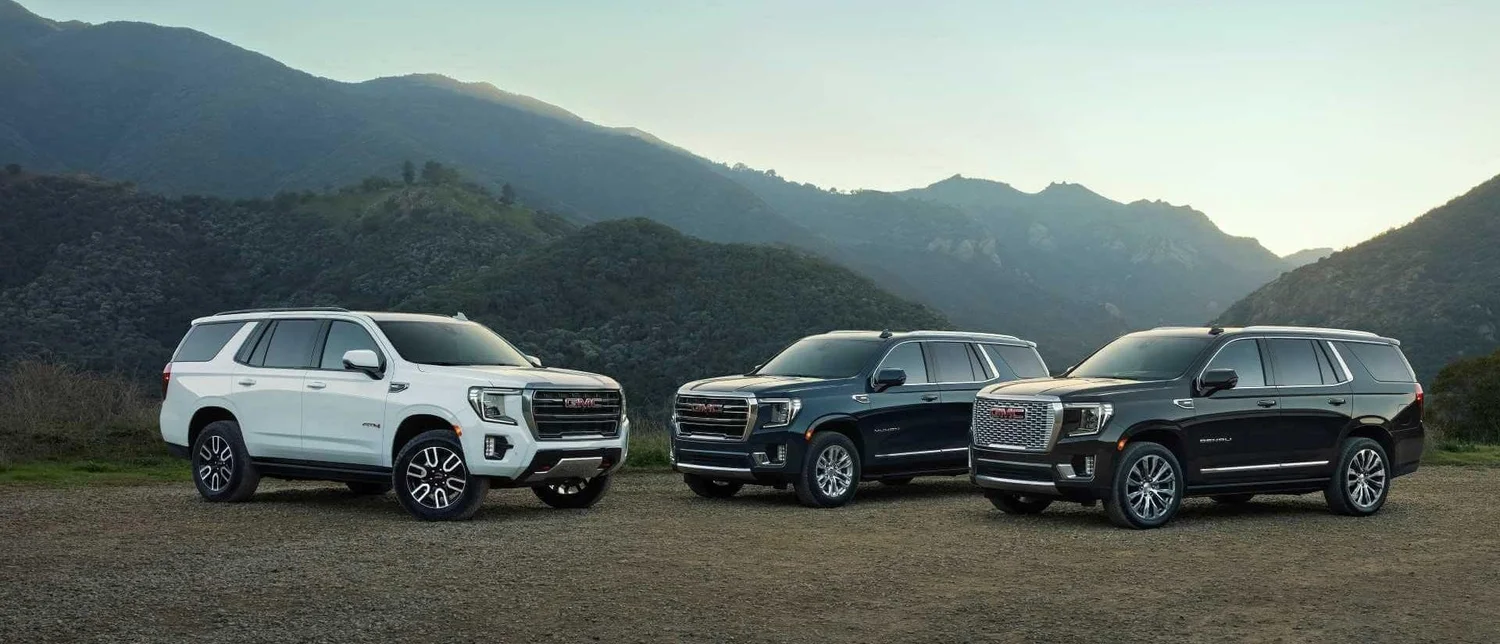
Cars manufactured after 2018 often come with backup cameras as standard features. This technology enhances safety by providing a clear view behind the vehicle. Check specific models for details, as some earlier cars may have optional backup cameras.
Navigating the world of backup cameras can feel like exploring a maze, especially when trying to pinpoint which manufacturers and models introduced these features early on. As safety became a growing priority for drivers, many car manufacturers started integrating backup cameras as standard equipment. This shift not only revolutionized the way people drive but also set new standards in automotive safety. Understanding which brands and models embraced this technology first can help you appreciate the evolution of safety features in cars.Major Brands With Standard Backup Cameras
Several major car brands took the lead by making backup cameras a standard feature across their models. For instance, Honda made significant strides by introducing backup cameras in their 2013 Accord. This move set a precedent for other manufacturers to follow suit. Toyota, another industry giant, began equipping their popular models like the Camry and Corolla with standard backup cameras around the same time. By 2018, most major brands, including Ford and Chevrolet, included backup cameras in all their new models, aligning with regulatory requirements. This shift not only enhanced safety but also elevated consumer expectations. Have you noticed how much more confident you feel reversing with a clear view behind you?Notable Models With Early Features
Before backup cameras became a standard feature, some models stood out for their early adoption. The 2002 Infiniti Q45 was one of the first vehicles to include a backup camera, setting a benchmark for luxury cars. Similarly, the 2003 Toyota Prius also featured this innovative technology, appealing to tech-savvy drivers who valued both efficiency and safety. The 2007 Lexus LS series further demonstrated the luxury segment’s commitment to advanced safety features. These early adopters paved the way for other models to integrate backup cameras, influencing market trends and consumer demand. Which of these early models would you have chosen for your driveway? With these insights, choosing your next car equipped with a backup camera becomes easier. Whether you’re a tech enthusiast or a safety-conscious driver, understanding the history and development of backup cameras can guide your purchasing decision.
Credit: www.cochrancars.com
Technological Advancements
Technological advancements in the automotive industry have dramatically transformed the driving experience. One significant innovation is the introduction of backup cameras, which have become a standard feature in many vehicles. As technology progressed, these cameras evolved, offering enhanced features that not only improve safety but also convenience.
Integration With Parking Sensors
In recent years, backup cameras have been seamlessly integrated with parking sensors. This combination provides drivers with both visual and auditory cues, making parking in tight spaces much easier. Have you ever noticed how much simpler parallel parking becomes with these aids?
With sensors detecting nearby obstacles and cameras offering a clear view, the stress of parking diminishes significantly. This integration is particularly beneficial in urban areas where space is limited. Many drivers find that once they have used this technology, they can’t imagine parking without it.
High-definition And Wide-angle Lenses
Another remarkable advancement is the shift to high-definition and wide-angle lenses in backup cameras. These improvements ensure that drivers receive a clearer and broader view of their surroundings. Imagine how much safer you feel when you can see that little kid on a tricycle zooming behind your car!
Wide-angle lenses capture more of the environment, reducing blind spots and increasing awareness. This clarity is crucial, especially in busy parking lots or when reversing out of driveways. With high-definition visuals, you can make more informed decisions, enhancing both your safety and that of others around you.
Impact On Safety
Backup cameras became standard in new cars around 2018, enhancing safety by reducing blind spots. Drivers can see obstacles behind their vehicles more clearly, preventing accidents and improving confidence when reversing.
The ‘Impact on Safety’ of backup cameras in cars is undeniable. These cameras have transformed the way we drive, offering a clear view of what’s behind us. This innovation has made reversing and parking less stressful and more secure.Reduction In Blind Spot Accidents
Backup cameras significantly reduce blind spot accidents. They provide a wide-angle view, minimizing the risk of hitting unseen objects or pedestrians. In fact, many drivers report feeling more confident while reversing, knowing they have an extra pair of digital eyes. Imagine the relief of backing out of a tight parking spot without the fear of an unexpected collision. Backup cameras make this possible by eliminating guesswork. Has your driving experience changed since you started using a backup camera?User Experience And Ease Of Use
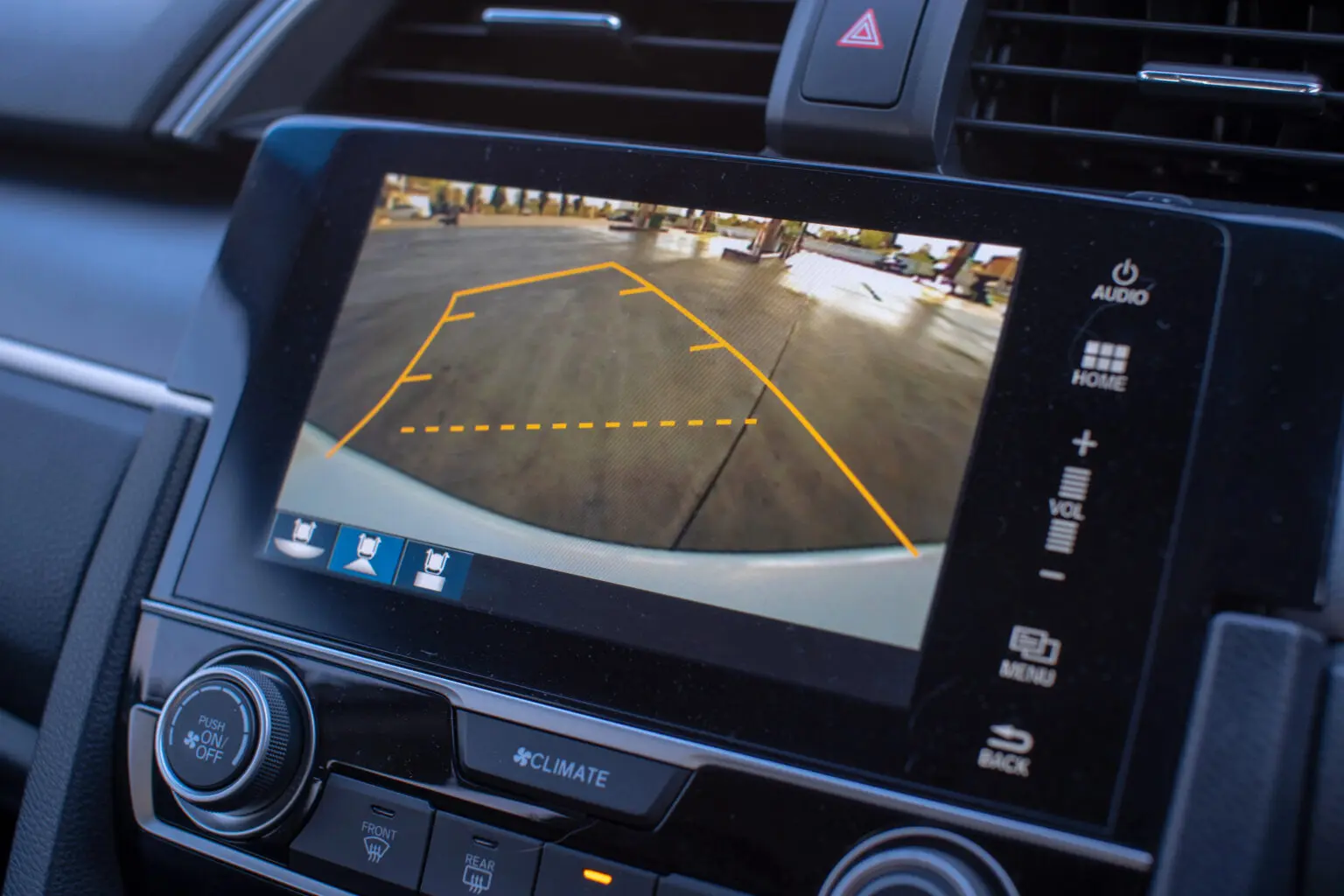
The user experience of backup cameras is straightforward and intuitive. Most systems activate automatically when you shift into reverse, requiring no additional steps. This seamless integration means you can focus on driving instead of fumbling with controls. The screen displays clear visuals, even in low-light conditions. This makes it easier to navigate tricky parking situations or dimly lit garages. How often have you wished for a clearer view when backing up at night? Backup cameras have become a standard feature in many vehicles since 2018. This is not just a trend; it’s a commitment to improving road safety. Have you embraced this technology in your vehicle yet?Market Trends And Consumer Demand
The automotive industry has witnessed significant changes in recent years. Backup cameras have become a standard feature in many vehicles. This shift is driven by market trends and consumer demand. More drivers now expect advanced safety features in their cars. Automakers are responding to these demands by integrating technology that enhances safety and convenience.
Rise In Consumer Expectations
Consumers are increasingly aware of vehicle safety features. Backup cameras top the list of desired technologies. They offer peace of mind during parking and reversing. Drivers appreciate the added visibility, reducing blind spots. This expectation has pushed manufacturers to include backup cameras in newer models.
By 2018, backup cameras became mandatory in all new cars in the U.S. This regulation aligns with the growing consumer demand for better safety. Buyers now view backup cameras as a basic necessity. Not just a luxury feature. Automakers continue to innovate, improving camera quality and integration.
Future Predictions For Vehicle Technology
The future of vehicle technology looks promising. As technology advances, cars will feature more sophisticated systems. Enhanced backup cameras with 360-degree views are becoming popular. These systems offer comprehensive visibility around the vehicle. They ensure safer driving experiences.
Artificial intelligence and machine learning may further transform backup camera systems. Predictive algorithms could assist in identifying potential hazards. This would provide drivers with timely alerts. As consumer expectations grow, automakers will likely keep pace with these technological advancements. The focus will remain on enhancing safety and user experience.
Retrofit Options For Older Cars
Backup cameras have become a vital safety feature in modern vehicles, offering peace of mind by eliminating blind spots and making parking a breeze. If your car predates the 2018 mandate for backup cameras in new vehicles, you might feel left out. The good news is that you don’t have to drive a brand-new car to enjoy this technology. Retrofit options for older cars are abundant and can be surprisingly affordable.
Aftermarket Camera Solutions
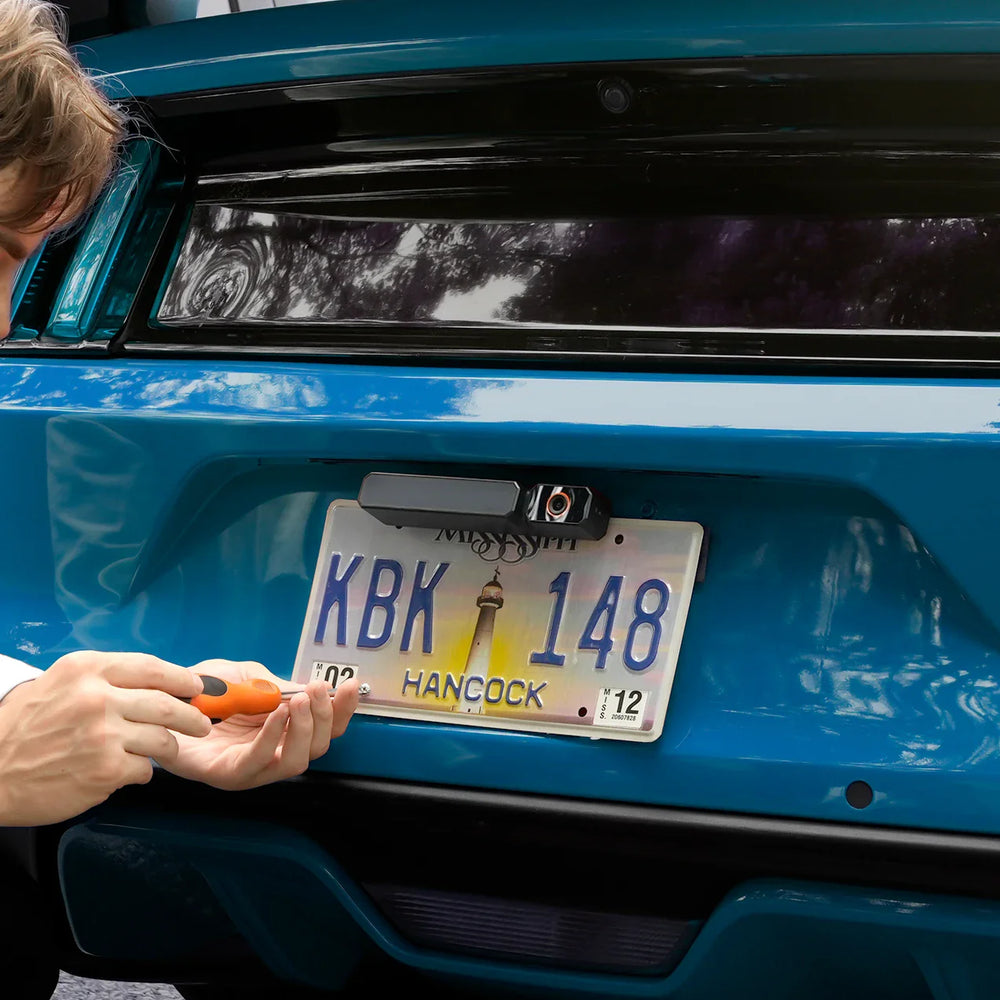
Aftermarket camera solutions are widely available and cater to a range of budgets and preferences. You can find simple camera kits that mount above your license plate and connect to a small screen on your dashboard. More advanced systems integrate with your car’s existing display or rearview mirror, offering a seamless look.
Brands like Garmin, Pyle, and LeeKooLuu offer reliable options. Many camera kits come with night vision, wide-angle lenses, and even guidelines to assist with parking. You can choose between wired and wireless systems, depending on your comfort level with installation.
Installation Considerations
Installing a backup camera might seem daunting, but it can often be a manageable DIY project. Wired systems typically require running a cable from the camera to the display unit, which may involve removing interior panels. Wireless systems are simpler, needing only a power source for the camera and a receiver for the display.
Before you start, ensure you have the necessary tools like screwdrivers and wire strippers. If you’re not comfortable with the task, hiring a professional can ensure a clean and efficient installation. Safety should always be your priority, so double-check all connections and test the system thoroughly before hitting the road.
Have you ever considered how a backup camera could change your driving experience? Retrofit options offer a practical way to enhance safety and convenience, regardless of your car’s age.
Credit: www.thecarmomofficial.com
Credit: jerry.ai
Frequently Asked Questions
When Did Backup Cameras Become Standard In Cars?
Backup cameras became standard in cars in 2018. This was due to a mandate by the National Highway Traffic Safety Administration. The requirement aimed to enhance safety and prevent accidents. Since then, most new vehicles come equipped with this essential feature.
Are All Cars From 2018 Equipped With Backup Cameras?
Yes, all cars manufactured from May 2018 onwards come with backup cameras. This safety feature is mandated by the National Highway Traffic Safety Administration. It ensures that drivers have better rear visibility. This requirement applies to all passenger vehicles, including trucks and SUVs.
Do Older Cars Have Backup Cameras?
Not all older cars have backup cameras. Many vehicles manufactured before 2018 lack this feature. However, aftermarket solutions are available for installation. These systems can be added to older models. They provide similar safety benefits as factory-installed cameras.
Can I Install A Backup Camera In My Car?
Yes, you can install a backup camera in your car. Many aftermarket options are available for various vehicle models. These systems can enhance rear visibility. Professional installation is recommended for optimal performance. This addition can significantly improve driving safety.
Conclusion
Backup cameras are common in cars from 2018 onwards. They enhance safety by helping drivers see obstacles. Older models may not have them. Consider retrofitting if your car lacks one. It’s a wise investment for safety. Knowing your car’s year helps in checking availability.
Some cars before 2018 might have them as optional. Check your car’s manual or consult a dealer. Backup cameras reduce accidents. They make reversing easier and safer. Prioritize safety when choosing a car. Always stay informed about your vehicle’s features.
Safe driving depends on good visibility.