
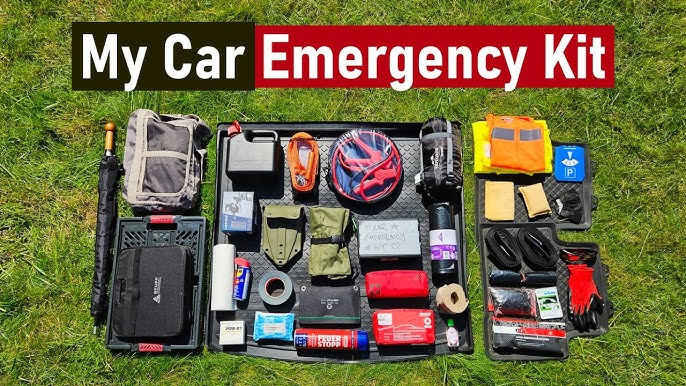
Imagine you’re driving down a quiet road and suddenly encounter a minor accident or an unexpected health emergency. In such moments, having a well-equipped car first aid kit can be a lifesaver.
But what should you include in it? This is not just about being prepared; it’s about ensuring your peace of mind every time you hit the road. You want to know that no matter what happens, you’re ready to handle it.
So, let’s dive into what you need in your car first aid kit to keep you and your loved ones safe. By the end of this article, you’ll feel confident in your preparedness, knowing you have the essentials to tackle any unexpected situation. Ready to take control of your safety? Let’s get started!

Credit: rescue-essentials.com
Basic Medical Supplies
A car first aid kit is essential for unexpected emergencies. Having basic medical supplies is crucial. They help manage minor injuries during travel. These supplies provide immediate care until professional help arrives. Let’s explore the essentials.
Bandages And Gauze
Bandages and gauze are fundamental in any first aid kit. They cover wounds and control bleeding. Include a variety of bandage sizes. Adhesive bandages are perfect for small cuts. Larger gauze pads help with bigger wounds. Secure them with medical tape. This keeps the injury clean and safe.
Antiseptic Wipes
Antiseptic wipes clean wounds effectively. They prevent infections by eliminating germs. Use them before applying bandages. Ensure the affected area is dry after use. Keep several wipes in your kit. They’re small and fit easily. Antiseptic wipes are a reliable first line of defense against infection.
Emergency Medications
Emergency medications are essential for any car first aid kit. Include pain relievers, antihistamines, and antiseptic wipes. Keep them accessible for quick use during unexpected situations.
When assembling your car’s first aid kit, emergency medications are a crucial component. They can make a significant difference in managing unexpected health situations while on the road. Having the right medications on hand can help you stay calm and handle minor medical issues effectively.Pain Relievers
Pain can strike at any moment, whether it’s a headache from a long drive or a sudden muscle ache. Including over-the-counter pain relievers like ibuprofen or acetaminophen can provide quick relief. Imagine being stuck in traffic with a pounding headache; having pain relievers ready can be a game-changer.Antihistamines
Allergic reactions are unpredictable and can happen anywhere, even during a scenic road trip. An antihistamine like diphenhydramine can help alleviate symptoms like sneezing, itching, or hives. If someone in your car experiences sudden allergy symptoms, having this medication can offer peace of mind and swift symptom management. Building your car’s first aid kit with these emergency medications ensures you are prepared for the unexpected. What other medications do you think are essential for your travel kit?Tools And Instruments
Essentials for a car first aid kit include adhesive bandages, antiseptic wipes, and gauze pads. Add a small pair of scissors, tweezers, and a digital thermometer. Don’t forget pain relievers, a cold pack, and a first aid manual for guidance.
Having a well-equipped car first aid kit can be a lifesaver during emergencies. While we often focus on bandages and antiseptics, tools and instruments play a crucial role in ensuring you can handle unexpected situations effectively. These items might seem small, but they can make a big difference when you need precision and accuracy. Let’s dive into the essential tools you should include in your car first aid kit.Tweezers And Scissors
Tweezers can be incredibly handy for removing splinters or debris from wounds. Imagine you’re on a road trip and accidentally brush against a thorny bush during a pit stop. Having tweezers ready can prevent infections by safely removing the foreign object. Scissors are another indispensable tool. They can be used to cut bandages, tape, or clothing in case of injuries. High-quality scissors ensure clean cuts, making it easier to apply dressings. Have you ever tried using dull scissors on a sticky bandage? It’s frustrating and inefficient. A sharp pair can save you time and hassle.Thermometer
A thermometer is vital for gauging someone’s health status when they feel unwell. If you’re traveling with kids, you know how quickly they can spike a fever. Having a thermometer allows you to monitor their temperature, providing peace of mind. Choose a digital thermometer for ease of use and accurate readings. They’re compact and can store temperature history, which is helpful in tracking trends over time. Wouldn’t you want to know whether that slight fever is going down or needs immediate attention? Including these tools and instruments in your car first aid kit ensures you’re prepared for minor mishaps on the road. What tools do you think are essential for your personal kit?Safety And Survival Gear
A well-stocked car first aid kit ensures safety during unexpected emergencies. Include bandages, antiseptic wipes, and adhesive tape for minor injuries. Add tweezers, scissors, and a first aid manual to enhance preparedness.
Imagine driving through a remote area and suddenly facing an unexpected emergency. In such situations, having a well-equipped car first aid kit can be a true lifesaver. Safety and survival gear is essential to ensure you’re prepared for any situation, whether it’s a minor injury or a need for immediate warmth and light. Let’s dive into two crucial items to include in your kit to enhance your readiness and peace of mind.Emergency Blanket
An emergency blanket is not just for keeping warm; it’s a versatile tool with multiple uses. These lightweight, compact blankets can reflect up to 90% of your body heat, making them invaluable during cold nights or if you find yourself stranded. But warmth isn’t the only advantage. You can use them as a makeshift shelter, ground cover, or even a signal for help. Imagine being caught in a sudden downpour; an emergency blanket can serve as a temporary rain barrier. Having one or two in your kit ensures you’re prepared for a variety of scenarios. Ever been stuck waiting for help with temperatures dropping? You’ll appreciate its presence.Flashlight
Visibility is crucial in emergencies, and a reliable flashlight can make all the difference. Whether you’re fixing a flat tire at night or searching for items in the dark, having a powerful flashlight ensures you’re not left fumbling in the shadows. Opt for a flashlight with a long battery life and durable construction. Consider those with multiple brightness settings or strobe features for signaling. Some flashlights are even solar-powered or come with hand-crank options, eliminating the need for batteries altogether. Imagine trying to change a tire in pitch darkness. A flashlight is your guiding light, providing safety and confidence in challenging situations. Have you ever thought about how much easier things could be if you simply had a reliable light source in your car?Personal Protection Equipment
Having personal protection equipment in your car first aid kit is essential. It ensures safety and hygiene during emergencies. This equipment acts as a barrier against infections and contaminants. Let’s explore two key items you should include.
Gloves
Gloves protect your hands from direct contact with blood or fluids. Disposable latex or nitrile gloves are best. They are easy to use and provide a solid barrier. Keep several pairs in your kit for multiple uses. Ensure they fit well for better dexterity.
Face Masks
Face masks shield you from airborne particles and potential pathogens. They are crucial in situations involving respiratory distress or infections. Surgical masks or N95 masks are effective choices. Store a few in your kit for unexpected needs.

Credit: www.ebay.ca
Important Extras
When preparing a car first aid kit, essential items come to mind first. Bandages, antiseptics, and medications are crucial. But some often overlook important extras. These extras provide additional safety and preparedness. They ensure you handle emergencies effectively.
First Aid Manual
A first aid manual is indispensable. It guides you through basic medical procedures. Clear instructions aid in treating wounds or injuries. Choose a manual with illustrations for clarity. It should be concise and easy to understand. This ensures anyone can follow it in stressful situations.
List Of Emergency Contacts
Keep a list of emergency contacts in your kit. Include family, friends, and medical professionals. Also, add local emergency services and roadside assistance. This list helps in emergencies when every second counts. Update it regularly to ensure accuracy.

Credit: www.littlelife.com
Frequently Asked Questions
What Medicine Should I Keep In My Car?
Keep a first aid kit with bandages, antiseptic wipes, and pain relievers. Include allergy medication and a thermometer. Carry any prescribed medications you might need urgently. Ensure to store medications in a cool, dry place to maintain effectiveness. Always check expiration dates regularly.
What Are 10 Basic Items In A First Aid Kit?
A first aid kit should include adhesive bandages, antiseptic wipes, gauze pads, adhesive tape, scissors, tweezers, gloves, a CPR mask, a first-aid manual, and pain relievers.
What Is Inside A Car Emergency Kit?
A car emergency kit typically includes a first aid kit, flashlight, jumper cables, tire repair tools, blankets, and non-perishable food. It also contains water, a multi-tool, road flares, and a whistle for signaling. Having these essentials can help during unexpected roadside emergencies.
Which Is Not Required To Be Included In A Vehicle First Aid Kit?
A vehicle first aid kit doesn’t need a CPR mask or manual. Focus on essentials like bandages, antiseptic wipes, and gauze pads. Always keep it accessible for emergencies. Ensure regular checks to maintain supplies. Equip your kit with crucial items for immediate response.
Prioritize safety and preparedness on the road.
Conclusion
A well-stocked car first aid kit ensures safety on the road. Essential items include band-aids, antiseptic wipes, and gauze pads. Don’t forget a thermometer and pain relief tablets. Add gloves and a flashlight for emergencies. Tweezers and scissors are handy too.
Check expiration dates regularly. Replace used supplies promptly. Keep the kit within easy reach. Store it in a cool, dry place. Prioritize safety for peace of mind during travel. Being prepared is always wise. A simple kit can make a big difference.
Safe travels, always.