
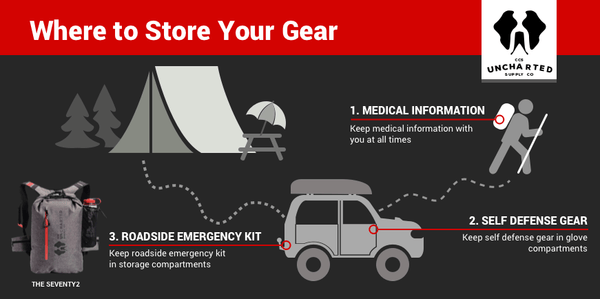
Picture this: you’re driving down a quiet road when suddenly, your car breaks down. With no help in sight, you’re left wondering what to do next.
Having a well-stocked car emergency kit can transform such a nerve-wracking experience into a manageable situation. Imagine the relief of knowing you’re prepared for any roadside hiccup. But what should you include in this kit? It’s not just about a spare tire or jumper cables.
There’s more to it, and understanding exactly what you’ll need can save you time, stress, and maybe even keep you safe. This article is your guide to creating a robust car emergency kit, designed to keep you secure and confident on any journey. Stick with us, and you’ll discover how a few simple items can make a world of difference when the unexpected strikes.
Credit: www.dilawri.ca
Basic Safety Tools
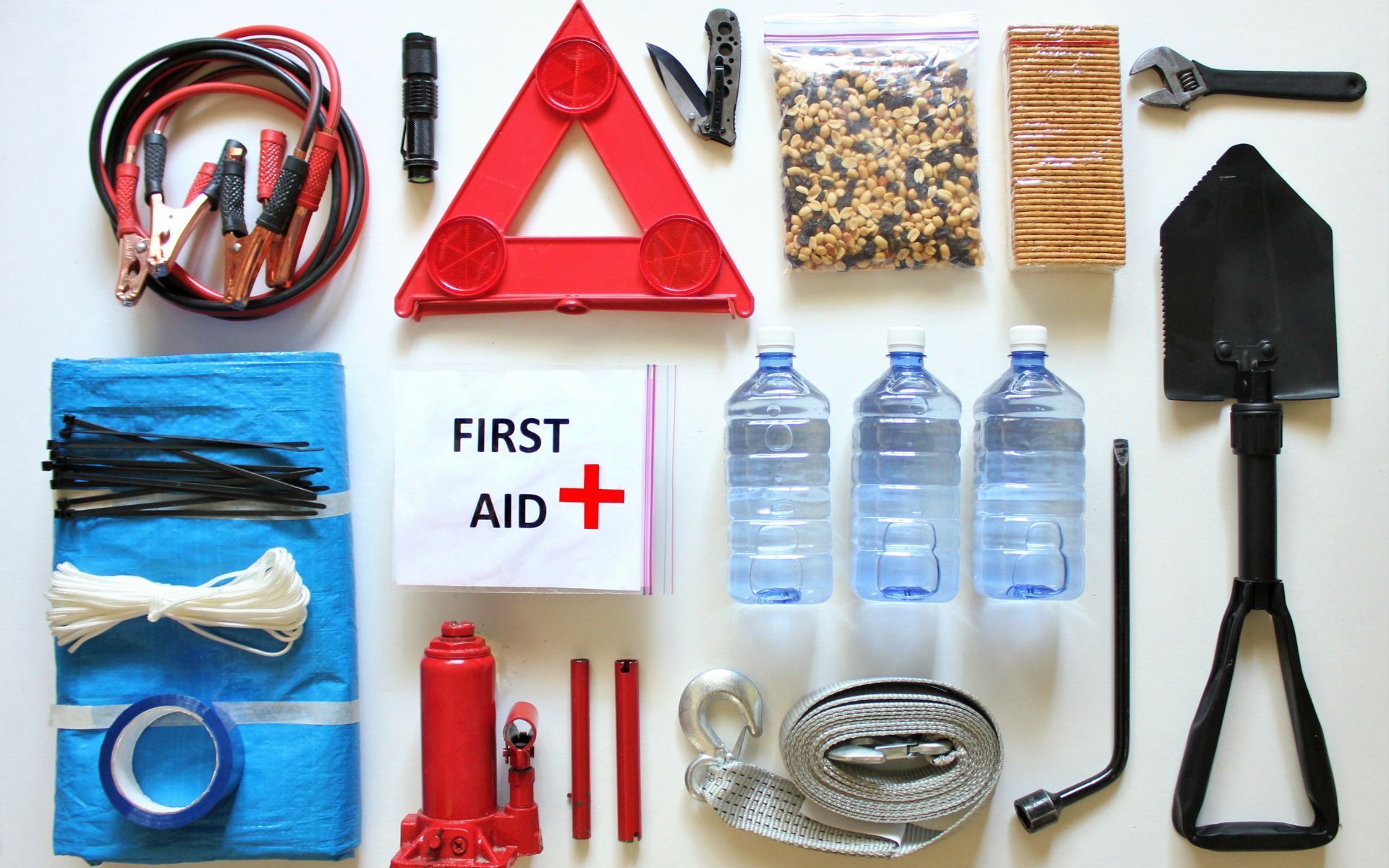
An essential car emergency kit includes basic safety tools. These tools can help you handle unexpected situations on the road. Every driver should have them in their vehicle. They provide peace of mind and enhance safety.
Reflective Warning Triangles
Reflective warning triangles are crucial for alerting other drivers. They help signal a breakdown or accident. Place them behind your car for visibility. They reduce the risk of further accidents. Keep them in an accessible spot in your car.
Flashlights And Batteries
A flashlight is vital during nighttime emergencies. It helps you see clearly in the dark. Keep extra batteries to ensure it’s always ready. A flashlight can guide you to safety. It also aids in inspecting your vehicle at night.
First Aid Kit
A first aid kit is a must-have in any car. It can address minor injuries quickly. Include band-aids, antiseptic wipes, and pain relievers. A well-stocked kit can make a big difference. Ensure it’s regularly checked and updated.
Vehicle Repair Essentials
Imagine you’re on a road trip, miles away from home, and your car suddenly breaks down. Knowing how to handle minor vehicle issues can make all the difference between a stressful ordeal and a manageable situation. This is where having a well-equipped car emergency kit comes into play. Your kit should include essential tools for vehicle repair, so you’re prepared for unexpected breakdowns.
Jumper Cables
Jumper cables are a must-have in your emergency kit. Imagine the frustration of a dead battery when you’re late for an appointment. With jumper cables, you can revive your vehicle by connecting it to another car’s battery. Choose cables that are at least 10 feet long to ensure flexibility in connecting vehicles.
Consider investing in a pair with heavy-duty clamps for better grip and conductivity. Remember, not all cables are created equal. Look for cables with sufficient gauge, ideally 6 or lower, for efficient power transfer.
Tire Repair Kit
A flat tire can ruin your day, but with a tire repair kit, you can fix it temporarily and reach the nearest service station safely. The kit typically includes tire plugs, a tool to insert them, and an air compressor. These tools allow you to patch small punctures quickly.
Have you ever been stranded due to a simple nail? With a tire repair kit, you can avoid towing costs and save precious time. Ensure the compressor is compact but powerful enough to inflate your tire adequately.
Multi-tool
A multi-tool is like having a mini toolbox in your pocket. Its versatility makes it a valuable addition to your car emergency kit. From tightening screws to cutting wires, this tool can handle a variety of small tasks.
Consider a multi-tool with pliers, screwdrivers, a knife, and scissors. This compact tool can assist with minor repairs and adjustments, saving you from needing multiple individual tools. Have you ever needed a quick fix but lacked the right tool? A multi-tool ensures you’re always prepared.
Do you feel ready to tackle minor car issues on your own? Building your car emergency kit with these repair essentials empowers you to handle unexpected situations confidently. What’s in your kit?
Survival Gear
Emergency kits in cars should include essentials like a first-aid kit, flashlight, and jumper cables. Water bottles and non-perishable snacks can be lifesavers. A multi-tool and blanket offer added security during unexpected situations.
Survival Gear Every driver knows that having a car emergency kit can be a lifesaver, but how often do we think about the survival gear aspect? This goes beyond your typical jumper cables and spare tire. Imagine being stuck in your car during a snowstorm or a breakdown in an isolated area. Having the right survival gear can make all the difference. Let’s dive into what essentials you should consider adding to your kit.Blankets And Warm Clothing
Picture yourself stranded in your car during a chilly night with temperatures dropping fast. Would you be prepared to stay warm? Having a few thermal blankets and warm clothing can be crucial. They don’t take up much space and can provide much-needed warmth. Investing in space blankets, known for their heat retention properties, is a smart move. They are compact, lightweight, and can be a real lifesaver when the mercury dips.Non-perishable Snacks
Hunger can quickly turn a bad situation worse. Keeping a stash of non-perishable snacks in your car can provide a morale boost and energy when needed. Think granola bars, nuts, or dried fruits. They’re easy to store and last a long time. You never know when that unexpected wait might turn into hours, and having these snacks can keep your spirits up while you wait for help.Water Bottles
Hydration is key to survival, yet it’s often overlooked in emergency kits. Storing a few bottles of water can be essential, especially if you’re stuck for an extended period. Water is not only important for drinking but can also be used for basic hygiene needs or even to cool down your car if it’s overheating. Consider bottles with purification filters for those dire situations where you might need to source water from less-than-ideal places. Have you ever been stuck on the road and wished you had these essentials at hand? Preparing your car emergency kit with survival gear might just be the smartest decision you make this year.
Credit: www.facebook.com
Navigation And Communication
Maps, compass, and GPS should be in your car emergency kit for navigation. Include a phone charger and spare battery for communication.
Navigating through unexpected situations on the road can be stressful. In such moments, having a reliable means of navigation and communication is crucial. Whether you’re lost in the countryside or stuck in traffic, being prepared with the right tools can save you time and trouble. Think about the last time you took a wrong turn—did you wish you had a better navigation system? Let’s dive into what you should include in your car emergency kit to ensure you stay connected and on the right path.Maps And Gps Device
While digital maps are convenient, they rely heavily on data signals which can be unreliable in remote areas. Including a physical map in your emergency kit is a smart move. A printed map never runs out of battery and can provide a broader view of your surroundings. Pair this with a GPS device for precise navigation. Unlike smartphones, standalone GPS devices are designed to work even in areas with poor signal coverage. They offer detailed directions and can guide you back to safety.Portable Phone Charger
Your smartphone is your lifeline in emergencies. But what happens when its battery dies? A portable phone charger is essential for ensuring that your phone stays powered. Invest in a high-capacity charger that can provide multiple charges. Consider solar-powered or hand-cranked chargers for situations where you’re without power for extended periods. These innovative chargers can be a game-changer when you’re stranded without a power source. How often do you check your phone’s battery level? Make it a habit to ensure your charger is always ready to go. Ensuring you have these essential navigation and communication tools in your car emergency kit can make a difference in critical situations. Are you prepared to tackle unexpected road challenges?Weather Specific Items
Prepare your car emergency kit with weather-specific items. Include a blanket for cold nights and a raincoat for unexpected storms. Keep a flashlight handy for nighttime breakdowns.
Weather conditions can change rapidly, and having the right items in your car emergency kit can make all the difference. Whether you’re caught in a sudden snowstorm or a heavy downpour, being prepared with weather-specific items is essential. These tools not only ensure your safety but also provide peace of mind during unexpected weather events.Ice Scraper And Snow Brush
An ice scraper and snow brush are indispensable during winter months. Picture this: you leave work only to find your car buried under a blanket of snow. With a trusty ice scraper and snow brush, you can quickly clear your windows and roof, ensuring a safe drive home. Keeping these tools in your car can save you precious time and prevent dangerous driving conditions. Imagine trying to navigate icy roads with limited visibility—it’s a recipe for disaster. By clearing your windows thoroughly, you maintain a clear line of sight, crucial for spotting hazards and staying in control.Rain Poncho
A rain poncho is a compact lifesaver for those unexpected showers. Suppose you’re on a road trip and need to change a tire in the pouring rain. A rain poncho keeps you dry, allowing you to focus on the task without being drenched. It’s a small item that offers big benefits. Stash a rain poncho in your glove compartment or trunk, and you’ll be ready for whatever nature throws your way. Staying dry not only keeps you comfortable but also helps you maintain your concentration, reducing the risk of mishaps in wet conditions. Are there other weather-specific items you swear by in your car emergency kit? Share your experiences and insights, and let’s learn from each other how to stay prepared for anything the weather might bring.Personal Comfort Items
Personal Comfort Items Include a cozy blanket, snacks, and a flashlight in your car emergency kit. These items provide warmth, nourishment, and light during unexpected situations, ensuring comfort and safety on the road.
Personal comfort is often overlooked when assembling a car emergency kit, but it can make a significant difference during an unexpected roadside situation. Imagine being stranded in your car for hours without the basic comforts we often take for granted. Would you be prepared to maintain your comfort and well-being? Here are some personal comfort items that can make your wait more manageable and less stressful.Wet Wipes And Sanitation Supplies
Maintaining hygiene is crucial, especially when you are stuck in your car for extended periods. Wet wipes can help keep your hands clean when water is not available. They are also useful for a quick refresh if you are feeling grimy or sweaty. Consider including a small bottle of hand sanitizer and a few disposable trash bags. These items help manage waste and maintain a clean environment inside your vehicle. This can make a big difference in your comfort level during a delay.Personal Medications
If you rely on daily medications, having an extra supply in your car emergency kit is essential. Unexpected delays can interfere with your medication schedule. Ensure you have enough to last a couple of days, just in case. Consider labeling your medications clearly with dosage instructions. This can be crucial if someone else needs to assist you during an emergency. Taking this small step can help prevent potential health complications. By equipping your car emergency kit with these personal comfort items, you can transform a stressful roadside situation into a manageable experience. Are there other personal items you find indispensable during unexpected waits?Miscellaneous Supplies
A well-stocked car emergency kit includes essentials like a first aid kit, flashlight, and jumper cables. It’s wise to also pack bottled water, non-perishable snacks, and a multi-tool. These items can help you stay safe and prepared for unexpected situations on the road.
In the hustle and bustle of daily life, we often overlook the importance of being prepared for unexpected car troubles. While most people remember to pack essentials like jumper cables and a first aid kit, many forget the miscellaneous supplies that can make a big difference during an emergency. These items might not seem crucial at first glance, but they can be real lifesavers when the situation demands it. Let’s delve into a couple of these often-overlooked essentials.Duct Tape
Duct tape is not just for home repairs; it’s a versatile tool that can be invaluable during car emergencies. Imagine you’re on a road trip, and a hose under the hood starts leaking. A quick fix with duct tape can temporarily seal the leak until you reach a mechanic. This strong adhesive can also be used to secure loose parts of your vehicle or even mend a broken side mirror. Think about it—how many times have you seen a car with a bumper held up by duct tape? It’s not pretty, but it gets the job done. Having a roll of duct tape in your emergency kit ensures you’re ready for those unforeseen situations.Emergency Cash
In our increasingly cashless society, carrying emergency cash might sound outdated. Yet, there are scenarios where it becomes invaluable. Imagine your car breaks down in a remote area with no cell service, and you find a local shop that only accepts cash. Having some emergency cash stashed away can be your saving grace. Think of it as your backup plan for toll roads, small repairs, or even a quick snack if you’re stuck waiting for assistance. You never know when you might need it. Consider keeping small denominations and coins, as these are more versatile for different situations. Are you prepared for the unexpected expenses that could arise during a roadside emergency?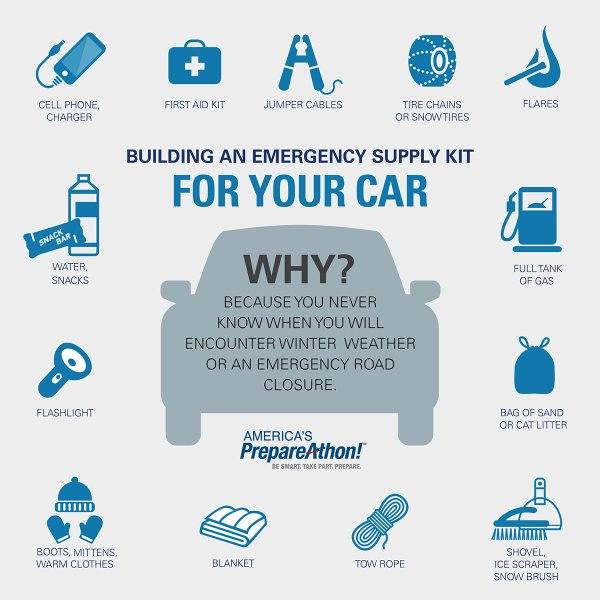
Credit: www.facebook.com
Frequently Asked Questions
What Do You Really Need In A Car Emergency Kit?
A car emergency kit needs a first-aid kit, flashlight, batteries, jumper cables, tire inflator, and basic tools. Include bottled water, non-perishable snacks, a blanket, and a phone charger. Keep a reflective warning triangle, fire extinguisher, and a whistle for safety.
Always check and update your kit regularly.
What Are 10 Things You Should Have In An Emergency Kit?
An emergency kit should include water, non-perishable food, flashlight, batteries, first-aid kit, whistle, dust masks, local maps, wrench or pliers, and a battery-powered radio.
What Emergency Equipment Is Required In A Car?
Carry a first aid kit, fire extinguisher, and warning triangles. Have a flashlight, jumper cables, and a spare tire. Keep a tool kit, reflective vest, and water. Ensure your phone charger is handy. These items help in emergencies, ensuring safety and preparedness while driving.
What Are The 7 Supplies That Are Needed For An Emergency Supply Kit?
An emergency supply kit needs water, food, flashlight, batteries, first aid kit, whistle, and local maps. Keep these essentials handy for safety.
Conclusion
A car emergency kit keeps you prepared for unexpected situations. It provides peace of mind. Start with basics like a first aid kit and flashlight. Add jumper cables and a tire gauge for emergencies. Include water and snacks for longer waits.
Tools like a wrench can help with small repairs. Remember to check your kit regularly. Replace expired items and batteries. Your safety matters most on the road. A well-equipped kit makes all the difference. Stay ready and travel with confidence.
Safe travels are just a kit away.