
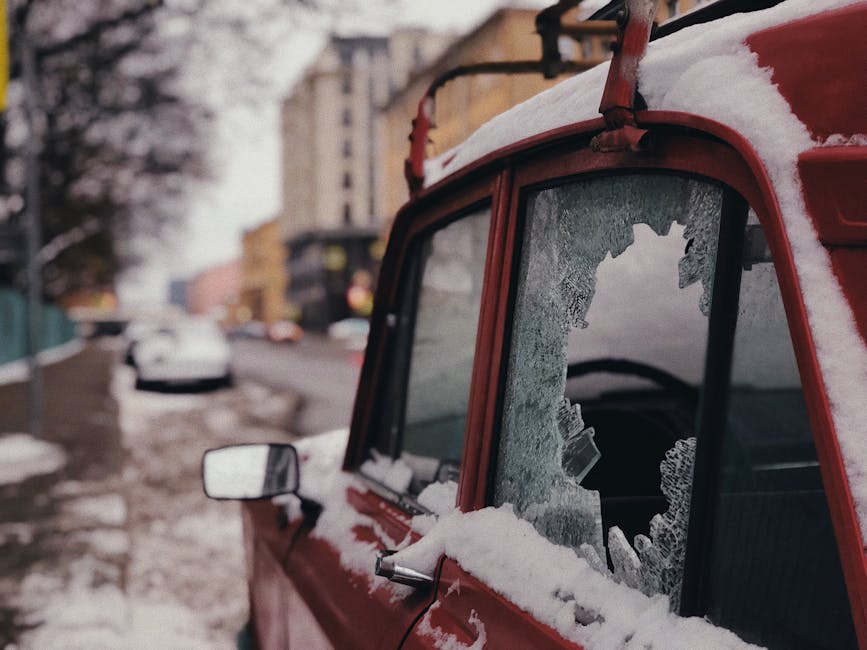
Have you ever wondered if the chilly air might be too cold for a car wash? You’re not alone.
Many drivers face the same dilemma. Winter can be harsh, and while you might be bundled up, your car needs attention too. When temperatures drop, washing your car becomes trickier than usual. But how cold is too cold? Understanding this can save your vehicle from damage and keep it looking great all year round.
Dive into this article to discover the ideal conditions for car washing in cold weather, ensuring you make the best decisions for your beloved ride.
Ideal Car Wash Temperature
The temperature can make or break your car wash experience. Too cold, and you risk frozen suds and water spots. The right temperature ensures your car is squeaky clean without damaging the paint or leaving behind streaks. So, what is the ideal temperature for washing your car?
Avoid Extreme Cold
Washing your car when temperatures dip below freezing can lead to more harm than good. Water can freeze on your car’s surface, causing streaks and even damaging the paint. You want to aim for a temperature above 32°F (0°C) to avoid these issues.
Optimal Range For Washing
The sweet spot for car washing is between 50°F and 75°F (10°C to 24°C). This range allows the cleaning products to work effectively without the risk of freezing. It also helps in drying the car quickly, preventing water spots.
Consider Wind Chill
Wind chill can make the actual temperature feel much colder. Even if the thermometer reads 40°F, a strong wind can make it feel below freezing. On windy days, opt for a warmer temperature or wash your car indoors.
Personal Experience Insights
Have you ever washed your car in the cold only to find it covered in ice the next morning? It’s a common mistake. I learned the hard way, realizing the importance of checking not just the temperature but also the wind chill factor.
Practical Tips For Winter Washing
- Choose a sunny day for natural warmth.
- Use warm water to speed up the drying process.
- Dry your car thoroughly to prevent ice formation.
What are your experiences with car washing in cold weather? Have you found a temperature that works best for your vehicle? Share your tips and thoughts below!
Risks Of Washing In Cold Weather
Freezing temperatures can lead to ice formation on your car during a wash. Ideally, avoid washing below 32°F (0°C). Water might freeze on surfaces, causing damage to paint and parts.
Washing your car in cold weather can be risky. Low temperatures affect the cleaning process. It can lead to damage or ineffective cleaning. Understanding these risks helps protect your vehicle.Frozen Water Issues
Water freezes quickly in cold weather. This can lead to ice forming on your car’s surface. Ice is hard to remove and can damage the paint. It also makes cleaning difficult.Soap Ineffectiveness
Soap doesn’t work well in cold temperatures. It might not dissolve properly, leading to residue on your car. This residue can dull the paint and leave streaks. Proper cleaning requires effective soap action.Cracking And Peeling Paint
Cold weather can cause paint to crack or peel. Washing in low temperatures increases this risk. Paint becomes brittle and less flexible. This may lead to costly repairs.Water Spots
Water spots are common in cold conditions. Rapid freezing prevents water from drying smoothly. These spots can be hard to remove later. They often cause visible blemishes on your car.Damage To Seals And Trim
Cold water can damage seals and trim. It may cause rubber parts to become brittle. This could lead to cracks or breaks. Keeping these parts intact is crucial for your car’s longevity. Understanding these risks helps you make informed choices. Wash your car safely without endangering its condition.Effect On Car Paint
Cold temperatures can harm car paint during washes. Washing below freezing can cause cracking and peeling. Avoid washing when temperatures drop under 32°F to protect your car’s finish.
The temperature plays a vital role in car washing, especially regarding paint care. Cold weather can impact the effectiveness of cleaning methods, potentially harming the car’s exterior. Paint is vulnerable during freezing temperatures, making it crucial to understand how low temperatures affect your vehicle’s appearance.How Cold Weather Affects Car Paint
Cold temperatures can cause the paint to become brittle. This brittleness makes it susceptible to chipping and cracking. Water used in car washes might freeze, leading to damage. Frozen water expands and may crack the paint surface.Impact Of Sudden Temperature Changes
Sudden temperature shifts can harm paint. Rapid warming or cooling can lead to paint expansion or contraction. This may result in peeling or cracking. Consistent temperatures help maintain paint integrity.Protective Measures For Car Paint
Using wax can protect car paint in cold weather. Wax adds a layer of defense against harsh elements. It helps maintain the paint’s shine and durability. Regular waxing is advisable during winter months.Choosing The Right Car Wash Products
Select products designed for cold weather. These products are formulated to prevent damage. They help in maintaining the car’s paint quality. Look for ones that offer additional protection during freezing temperatures.Importance Of Professional Car Washing
Professional car washes ensure proper techniques are used. They have equipment to manage temperature impacts. Experts know how to handle paint carefully in cold weather. Opting for professional services can help preserve car paint.Impact On Car Components
Extreme cold can affect car components during washing. Water can freeze on brakes, tires, and door locks, causing damage. Ensure temperatures are above freezing to avoid issues.
Washing your car in cold temperatures can have surprising effects on various car components. When temperatures drop, certain materials and parts become vulnerable to damage. Understanding these impacts will help you make informed decisions about when and how to wash your vehicle.Windows And Seals
Cold weather can cause car windows to become brittle. This increases the risk of cracks during a wash, especially if hot water is used. Moreover, the seals around windows can stiffen. This reduces their effectiveness in keeping water out, potentially leading to leaks. Have you ever dealt with a wet car interior after a wash? It might be time to check those seals.Tires And Wheels
Low temperatures affect tire pressure, often causing it to drop. Washing your car in cold weather without checking tire pressure can lead to uneven wear and poor driving performance. Ice can form on rims and wheels if moisture isn’t dried properly. This can affect the balance of the wheels and lead to vibrations while driving. Do you know how to dry your wheels thoroughly after a winter wash? It’s a step worth taking to ensure your ride is smooth.Freezing Water Hazards
Freezing temperatures pose risks for car washes. Water can freeze at 32°F (0°C), making car washes risky. Ice can damage paint and cause mechanical issues.
Winter can be a challenging time for car owners who want to keep their vehicles clean. One of the biggest concerns is the risk of freezing water during a wash. A frozen car wash not only leaves your vehicle in a worse condition but can also cause damage. Understanding the hazards associated with freezing water can save you from unexpected repair costs and keep your car looking its best.Water Turns To Ice Quickly
Water left on your car can freeze rapidly in cold temperatures. This is especially true if the temperature drops below 32°F (0°C). When water freezes, it expands, which can lead to cracked paint or damaged seals. Imagine finishing a wash only to find your door seals are frozen shut. This common winter mishap can be avoided by checking the weather forecast before starting your wash.Damage To Car Components
Frozen water can wreak havoc on your car’s components. Ice can form in the small crevices and openings, causing parts like locks, mirrors, and windshield wipers to malfunction. Have you ever tried to unlock your car only to find the lock frozen? This is a direct consequence of washing your car when it’s too cold.Slippery Driveways And Surfaces
Washing your car in freezing temperatures can also lead to hazardous conditions around your home. Water runoff can freeze on driveways and sidewalks, creating slippery surfaces. This not only poses a risk to you but also to anyone walking nearby. Consider using a garage or a covered area if you absolutely need to wash your car in cold weather.Frozen Water In Wash Equipment
Car wash equipment is also susceptible to freezing. Hoses and nozzles can become blocked with ice, leading to reduced water flow or complete blockage. Have you ever had your hose burst on a cold day? It’s a frustrating experience that can be avoided by storing equipment properly and ensuring it’s completely drained after use.Practical Tips To Avoid Freezing Issues
The best way to prevent freezing is to avoid washing your car when temperatures are too low. If you must wash your car, consider these tips:- Wash during the warmest part of the day.
- Dry your car thoroughly, paying special attention to door seals and locks.
- Use a commercial car wash that offers heated bays.
Safe Winter Car Wash Tips
Winter presents unique challenges when it comes to keeping your car clean. The cold weather can make the process difficult and sometimes risky for your vehicle. However, with the right tips and techniques, you can safely wash your car even when temperatures drop. Let’s dive into some essential tips to help you maintain your car’s shine during the chilly season.
Choosing The Right Time
Timing is crucial for a winter car wash. Aim for a day when temperatures are slightly above freezing. Midday might be your best bet as the sun can help with the drying process, reducing the risk of water freezing on your car. Check the weather forecast and plan accordingly to ensure a safe wash.
Proper Drying Techniques
Drying your car thoroughly is imperative to prevent ice formation. Use microfiber towels to absorb moisture effectively, making sure to get into all crevices and joints. Consider using a car dryer or blower to eliminate water from hard-to-reach areas. This will help prevent rust and damage caused by trapped moisture.
What techniques have you found effective for drying your car in the winter? Share your thoughts and experiences below!
Alternatives To Traditional Washes
Understanding the right temperature for washing a car is crucial. Temperatures below freezing can damage your car’s paint. Consider alternatives like waterless washes when it’s too cold.
When temperatures drop, washing your car can become challenging. Cold weather can freeze water, causing damage. Fortunately, there are alternatives to traditional washes. These methods help maintain your vehicle’s shine without the risk of freezing. Let’s explore some effective options.Touchless Car Washes
Touchless car washes use high-pressure water and cleaning agents. They avoid direct contact with your car’s surface. This method reduces the risk of scratches and damage. It also minimizes water usage. Touchless systems are efficient in cold weather. They use warm water and quick-drying techniques. This prevents freezing during the wash. Many modern car washes offer touchless options. They provide a safe and effective cleaning solution.Waterless Cleaning Solutions
Waterless cleaning solutions are perfect for cold climates. These products require no water. They contain special chemicals that lift dirt and grime. Simply spray the solution on your car’s surface. Then wipe it away with a microfiber cloth. Waterless cleaners are easy to use and eco-friendly. They reduce water waste and protect your car’s finish. Keep a bottle handy for quick touch-ups. This method is ideal for those with limited access to water.Protective Measures For Cold Weather
Cold weather can be tough on your car, especially when it comes to washing. As temperatures drop, you might wonder how to protect your vehicle while keeping it clean. Taking protective measures during cold weather can ensure your car remains in top condition, while also preventing damage and wear. So, what can you do to keep your car safe and sparkling even when the chill sets in?
Waxing And Sealants
Adding a layer of wax or sealant to your car before the cold sets in can act as a protective shield against harsh winter elements. This barrier not only keeps the paint looking fresh but also helps repel dirt, road salt, and moisture.
Consider using a high-quality wax designed specifically for winter conditions. These products are formulated to endure lower temperatures and provide longer-lasting protection.
Have you ever noticed how snow and ice cling less to a freshly waxed car? That’s the magic of wax and sealants at work. It’s a small investment with a big payoff in terms of preserving your car’s finish.
Regular Maintenance
Regular maintenance becomes even more crucial during cold weather. Checking tire pressure, battery health, and fluid levels can prevent unexpected issues and ensure your car runs smoothly.
Cold temperatures can affect tire pressure, so it’s important to check and adjust it frequently to maintain optimal performance. Additionally, ensuring your battery is charged and in good condition can save you from a cold morning surprise.
Think about scheduling a winter check-up with your mechanic. It’s not just about avoiding breakdowns, but about making sure every part of your car is equipped to handle the cold months ahead.
By taking these simple yet effective measures, you’re not only protecting your car but also enhancing its longevity. What other steps do you take to winter-proof your vehicle?
Frequently Asked Questions
Is It Okay To Go Through A Car Wash In The Winter?
Yes, using a car wash in winter is okay. It helps remove salt, grime, and prevents rust. Ensure the car wash is open and functioning properly. Regular cleaning maintains your car’s appearance and longevity.
What Temperature Should It Be To Go Through A Car Wash?
Car washes are best when temperatures are above 32°F (0°C) to prevent water from freezing. Use caution in colder conditions. Ensure your car is thoroughly dried to avoid ice formation. Regular washing helps protect your vehicle’s paint from winter road salt and grime.
Always check weather conditions before washing.
What Temperature Is Too Cold To Wash A Car?
Washing a car in temperatures below freezing, around 32°F (0°C), can cause water to freeze. This can damage the car’s paint and other surfaces. It’s best to wait until the temperature rises above freezing. This ensures a safer and more effective wash for your vehicle.
Can I Wash My Car In Cold Weather?
Yes, but precautions are necessary. Use warm water and a car wash soap designed for cold conditions. Avoid washing your car when temperatures are below freezing. This helps to prevent ice formation on your car’s surfaces, ensuring a safer and more effective cleaning process.
Conclusion
Cold weather can impact your car wash plans. Temperatures below freezing are risky. Water can freeze, damaging your car. It’s best to avoid washing below 32°F. Winter can bring salt and grime. So, washing is still important. Choose milder days for a wash.
Consider using indoor or heated facilities. Your car deserves care in all seasons. Stay mindful of the weather. Protect your vehicle from potential damage. This ensures its longevity and appearance. Keep your car clean and safe, regardless of the season.