

Imagine you’re driving along a scenic route or heading to work, and suddenly, the unexpected happens. A minor accident, a sudden illness, or even a simple cut can turn your day upside down.
It’s in these moments that having a well-stocked first aid kit in your car becomes invaluable. You might not think about it often, but your car’s first aid kit can be the difference between a minor inconvenience and a major emergency.
So, what should you have in your car first aid kit to ensure you’re prepared for any situation? This article will guide you through the essential items that should be in your kit, helping you feel confident and ready to tackle any mishaps on the road. As you read on, you’ll uncover tips and insights that could save you time, stress, and even lives. Don’t leave this crucial aspect of your safety to chance; let’s dive in and make sure you’re prepared for whatever the road throws your way.

Credit: www.youtube.com
Choosing The Right Container
Choosing a compact, durable container ensures easy storage in your car. Opt for a waterproof box to keep supplies safe. Include essentials like bandages, antiseptic wipes, and a CPR mask for emergencies.
Choosing the right container for your car first aid kit is crucial. It ensures your supplies remain organized and protected. A well-chosen container can make accessing your first aid items quicker and easier during emergencies.Size And Portability
Select a container that fits your car’s space. It should be easy to store and carry. Consider a compact design that doesn’t compromise on capacity. This ensures you can store all essential items without taking up too much room.Durability And Material
Opt for a container made of strong, durable material. It should withstand bumps and falls without breaking. Water-resistant materials are beneficial. They protect contents from accidental spills and damp conditions.Compartments And Organization
Choose a container with multiple compartments. This helps in organizing different first aid items efficiently. Labels or clear sections can aid quick identification. It makes finding specific items faster during stressful situations.Visibility And Accessibility
Ensure the container is easy to access when needed. A bright color or clear labeling can improve visibility. It should open and close smoothly for quick access. This minimizes delays during emergencies.Security Features
Consider a container with a secure locking mechanism. This prevents accidental spills and keeps contents safe. A simple latch or zipper works well. It ensures everything stays in place while driving.Basic Medical Supplies
Having a first aid kit in your car can be a lifesaver when unexpected situations arise. Whether you’re dealing with a minor cut or a more serious injury, basic medical supplies are essential. They are your first line of defense in providing immediate care. You never know when you might need to patch up a scraped knee from a day at the park or sanitize a wound on a road trip. So, what should your car first aid kit include?
Bandages And Dressings
Bandages and dressings are crucial for covering wounds and preventing infections. Make sure to have a variety of sizes, from small adhesive bandages for minor cuts to larger gauze pads for bigger injuries. This variety ensures you’re prepared for different situations. Remember the time you went hiking and scraped your elbow against a rock? Having the right size bandage made all the difference.
Antiseptic Wipes And Solutions
Antiseptic wipes and solutions help clean wounds and reduce the risk of infection. These are particularly useful when you don’t have access to soap and water. Keeping a few individually packed antiseptic wipes in your kit can be a game-changer. Imagine spilling hot coffee and needing to clean the burn quickly while on the road. A simple antiseptic wipe can soothe and protect the skin.
Adhesive Tape
Adhesive tape is essential for securing bandages and dressings. It ensures that the bandage stays in place, even if you’re on the move. Choose a tape that’s easy to tear and apply. Ever had a bandage slip off while driving because it wasn’t properly secured? A good adhesive tape can prevent this hassle, letting you focus on the road instead of your injury.
Each of these supplies plays a vital role in a well-rounded first aid kit. Are you ready to assemble yours and ensure you’re prepared for whatever life throws your way? Remember, being prepared is not just smart; it’s empowering.
Tools And Equipment
A car first aid kit should include essential items like bandages, antiseptic wipes, and adhesive tape. Add a pair of scissors and tweezers for emergencies. Ensure you have a variety of gauze pads and a CPR mask.
Having a well-stocked first aid kit in your car is crucial for managing unexpected situations effectively. Beyond bandages and antiseptics, tools and equipment play a vital role in ensuring you’re fully prepared for minor medical emergencies or even assisting others in need. Let’s explore some essential items that should be a part of your car’s first aid toolkit.Scissors And Tweezers
Scissors are indispensable for cutting bandages or clothing in emergencies. A pair of sharp, sturdy scissors can make the difference when you need to access a wound quickly or trim gauze to size. Tweezers are equally vital for removing splinters, glass shards, or other small debris from the skin. Imagine encountering a situation where someone has a nasty thorn embedded in their finger; a reliable pair of tweezers could save the day.Digital Thermometer
A digital thermometer is a compact tool that can provide essential information about someone’s health, especially when fever is a concern. Knowing whether someone has a fever can help you decide your next steps or inform medical professionals when seeking assistance. Consider a scenario where a family member suddenly feels unwell on a road trip—having a digital thermometer can help you assess their condition swiftly. It’s an easy-to-use tool that delivers quick results, making it a must-have in your kit.Instant Cold Packs
Instant cold packs are invaluable for treating sprains, strains, or bruises. They help reduce swelling and numb pain, providing immediate relief. These packs activate with a simple squeeze, making them perfect for situations where ice isn’t available. Picture yourself on a hiking trip where someone trips and twists an ankle. An instant cold pack can offer instant comfort and prevent further injury, demonstrating its importance in your first aid arsenal. Having these tools and equipment in your car first aid kit ensures you’re better prepared for the unexpected. What other items do you think are essential for a comprehensive first aid kit?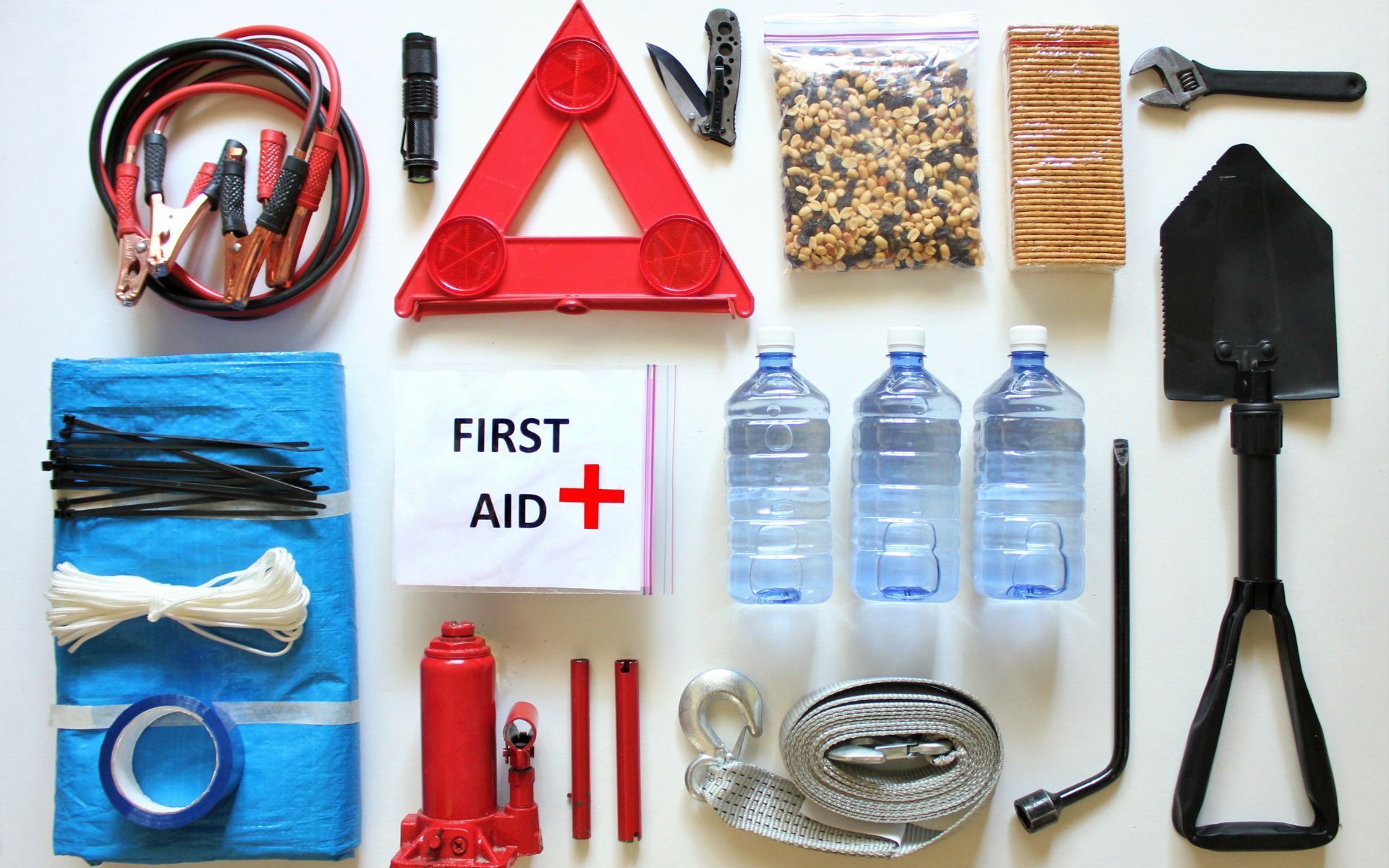
Credit: www.dilawri.ca
Medications
A car first aid kit should include essential medications like pain relievers and antihistamines. Keep these handy for emergencies.
In any car first aid kit, medications play a crucial role. They provide immediate relief in situations that demand quick medical intervention. Keeping the right medications can make a significant difference during emergencies. Below are essential medications you should include in your car first aid kit.Pain Relievers
Pain relievers are essential. They help manage headaches, muscle aches, and minor injuries. Common options include acetaminophen and ibuprofen. These medications are effective for reducing fever too. They are available in various forms, such as tablets or capsules. Keep a small supply handy for unexpected discomfort.Antihistamines
Antihistamines are vital for allergic reactions. They soothe symptoms like itching, swelling, and sneezing. For those with known allergies, having antihistamines can be life-saving. Choose options like diphenhydramine or loratadine. They help manage mild to moderate allergic responses. Store them safely in your kit.Gastrointestinal Medications
Digestive issues can arise suddenly. Gastrointestinal medications help manage symptoms like nausea, vomiting, or diarrhea. Options include antacids and anti-diarrheal medications. These are useful for treating heartburn or upset stomachs. Keep them in your kit to address digestive discomfort swiftly.Personal Safety Items
A well-stocked car first aid kit should include bandages, antiseptic wipes, and a basic manual. Add scissors, adhesive tape, and pain relievers for minor emergencies. Keep it accessible for quick use during unexpected situations.
Personal safety items are crucial in any car first aid kit. They protect you and others during emergencies. These items ensure you handle situations safely and effectively. Let’s explore some essential personal safety items.Disposable Gloves
Disposable gloves are essential. They protect your hands from blood and fluids. Always choose gloves that fit well. This ensures ease of movement. Latex-free gloves are best. They prevent allergic reactions. Keep several pairs in your kit.Face Masks
Face masks offer vital protection. They shield you from airborne particles. Masks are especially important during pandemics. They also protect against dust and pollution. Choose masks with good filtration. Keep a few in your kit for emergencies.Emergency Blanket
An emergency blanket is a must-have. It helps retain body heat. Useful in cold weather or shock situations. These blankets are lightweight and compact. They fit easily in your kit. Always have one ready for unexpected cold conditions.Emergency Contact Information
Keep a list of emergency contact numbers in your car first aid kit. Include family, friends, and medical professionals. This ensures quick access during emergencies.
Having a first aid kit in your car is essential for handling unexpected emergencies, but have you ever thought about including emergency contact information? This small detail can make a huge difference in critical situations. Imagine being in a scenario where you’re unable to communicate effectively—having clear contact information can be a lifesaver.Why You Need Emergency Contact Information
Your first aid kit isn’t just about band-aids and antiseptic wipes. It’s also about ensuring you have the information needed when seconds count. Include a list of emergency contacts, like family members or close friends, who can make decisions on your behalf. This ensures that medical personnel have immediate access to critical information, which could be crucial if you’re unable to communicate.What Information To Include
Your emergency contact list should be clear and comprehensive. Make sure to include: – Full names – Relationship to you – Primary and secondary phone numbers – Any relevant medical conditions or allergies This information should be easy to read and updated regularly. A simple printed card can suffice, but why not laminate it to protect against spills or damage?Placement Of Emergency Contact Information
Where should you keep this vital information? Ideally, place it in an easily accessible spot within your first aid kit. You might want to attach it to the inside cover of the kit or place it in a clear plastic sleeve. The goal is to make sure it’s the first thing someone sees when they open the kit.Digital Backup
In today’s digital age, having a backup can be beneficial. Consider storing this information on your phone as well. Use apps designed for storing emergency contacts or simply keep a note with the same details. This ensures that even if your physical list is misplaced, you have a digital version ready.Regular Updates
When was the last time you updated your emergency contacts? As life changes, so might your list of contacts. Regularly review and update this information to ensure its accuracy. A simple calendar reminder every few months can help you keep this crucial detail up-to-date. By considering these aspects, you ensure that your emergency contact information is as effective as the medical supplies in your first aid kit. What changes will you make to your car’s first aid kit today?Special Considerations
Ensure your car’s first aid kit includes essential items like bandages, antiseptic wipes, and pain relievers. A small flashlight and a whistle can also be useful. Keep these items organized for quick access during emergencies.
Special Considerations When assembling a car first aid kit, it’s crucial to think beyond the basics. Tailoring your kit to your specific needs can make all the difference in an emergency. Consider the unique factors like climate and travel habits that might influence what you pack.Seasonal Needs
Your car first aid kit should adapt to the changing seasons. In winter, include items like hand warmers and thermal blankets. These can be lifesavers if you find yourself stranded in the cold. Summer calls for sunscreen and aloe vera gel to soothe sunburns. Think about how the weather impacts your travel and pack accordingly. A small investment in seasonal items can provide comfort and safety year-round.Travel-specific Items
Do you often take long road trips or venture into remote areas? Your kit should reflect your travel habits. For instance, a portable phone charger is essential for long journeys to ensure you can call for help if needed. If you travel with pets, include a pet first aid guide and extra supplies for them. Traveling with kids? Add child-friendly bandages and pain relief options. Tailoring your kit to fit your travel lifestyle ensures you’re prepared for any situation. Think about your most frequent destinations. Are there specific risks associated with those places? By preparing your kit with these factors in mind, you can travel with peace of mind, knowing you’re ready for the unexpected.Maintaining And Updating The Kit
Maintaining a car first aid kit is essential for safety. Regularly check and replace expired items. Keep basics like bandages, antiseptics, and pain relievers ready.
Maintaining and updating your car first aid kit is essential. This ensures you’re prepared for emergencies. Supplies can run low or expire over time. Regular checks keep your kit effective and ready. Let’s explore how to keep your kit in top shape.Check Expiry Dates Regularly
Many first aid items have expiry dates. Expired items can lose effectiveness. Check dates at least twice a year. Replace any expired supplies promptly.Replenish Used Items
After using any item, replace it immediately. Keep a list of what each item is. This helps you track what needs restocking.Update Contact Information
Emergency contacts can change. Ensure you have current contact details. Include doctors and family numbers. Keep the information easily accessible.Include Seasonal Items
Different seasons bring different needs. In winter, add thermal blankets. Summer requires sunscreen and insect repellent. Adjust the kit with the seasons.Inspect The Kit Container
The container should be durable. Check for damage or leaks. A sturdy container protects your supplies. Ensure it closes securely.Keep A Checklist
A checklist helps track the contents. Keep it inside the kit. Update it whenever you add or remove items. This ensures you always know what’s inside.Store The Kit Properly
The kit should be in an accessible location. Avoid places with extreme temperatures. This preserves the integrity of supplies. Consider the trunk or under a seat.Practice Using The Kit
Know how to use every item. Familiarity saves time in emergencies. Consider taking a basic first aid course. Practice ensures you use the kit effectively.
Credit: www.amazon.com
Frequently Asked Questions
What To Put In A Vehicle First Aid Kit?
Include bandages, antiseptic wipes, adhesive tape, gauze pads, scissors, tweezers, pain relievers, and a CPR mask. Ensure first aid manual, gloves, and emergency contact numbers are present. A flashlight and blanket can be helpful. Regularly check and replenish supplies for safety.
What 7 Items Should Be In A First Aid Kit?
A first aid kit should include bandages, antiseptic wipes, adhesive tape, gauze pads, scissors, tweezers, and pain relievers. These essentials address minor injuries effectively. Ensure your kit is easily accessible and regularly checked for expired items. Consider additional items based on specific needs or environments.
What Should You Have In Your Emergency Kit If You Use A Car?
Keep a first aid kit, flashlight, jumper cables, tire repair tools, water, and non-perishable snacks in your car. Include a blanket, road map, and emergency contact information. Store a car charger for your phone and extra batteries. Ensure all items are easily accessible and regularly checked.
What Medicine Should I Keep In My Car?
Keep a first-aid kit, pain relievers, antihistamines, and motion sickness medication in your car for emergencies. Include bandages, antiseptic wipes, and a thermometer for quick access. Store medications safely to prevent heat damage and ensure they’re within expiration dates. Always consult a healthcare professional for personal medical advice.
Conclusion
A well-stocked car first aid kit is essential for safety. It helps handle minor injuries during travel. Keep bandages, antiseptic wipes, and pain relievers handy. Don’t forget a pair of scissors and tweezers. Include a list of emergency contact numbers.
Regularly check your kit for expired items. Restock anything used or missing. Staying prepared can ease worries on the road. Your safety, and that of your passengers, matters. A ready kit ensures you’re always prepared for small emergencies. Travel with peace of mind and take control of unexpected situations.