
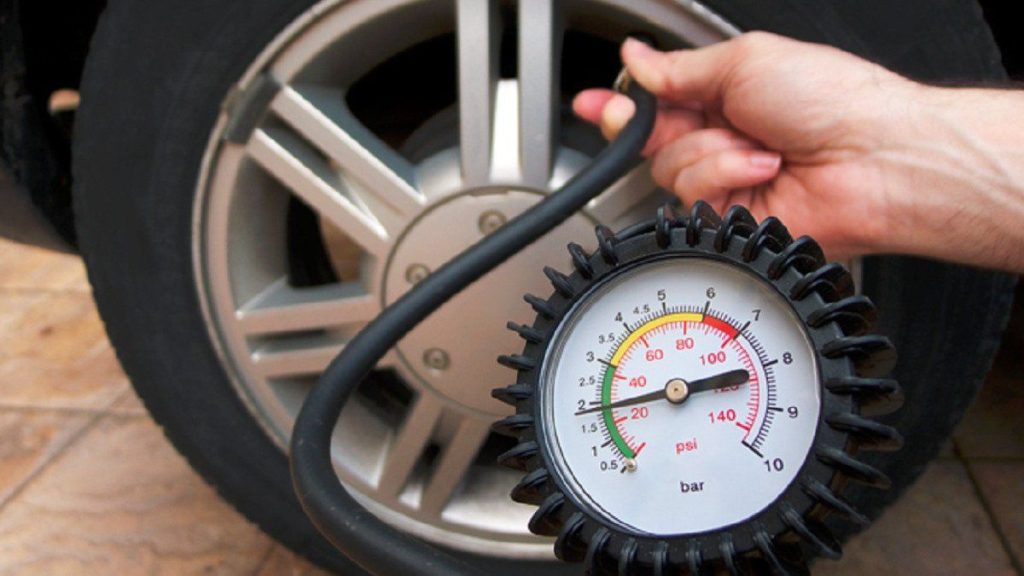
Have you ever wondered why your car feels a little off while driving? The answer might be right under your nose—your car tyres.
Having the right air pressure in your tyres is crucial for a smooth ride, better fuel efficiency, and most importantly, your safety. But how do you know what the ideal pressure should be? It’s not just a number; it’s about optimizing your driving experience and keeping you safe on the road.
We’ll dive into the specifics of what the air pressure in your car tyres should be, and how you can easily check and maintain it. You’ll discover why this simple yet essential task can save you money and give you peace of mind. So, are you ready to take control of your driving safety and comfort? Let’s get started!

Credit: alphatires.ca
Importance Of Correct Tyre Pressure
Maintaining the correct tyre pressure is crucial for your car’s performance, safety, and fuel efficiency. It’s easy to overlook, yet it impacts your driving experience more than you might think. Imagine a scenario where you’re driving on a highway, and your tyres are under-inflated. You might feel your car veering slightly, consuming more fuel, and even putting you at risk of a blowout. This is why understanding the importance of correct tyre pressure is essential.
Why Tyre Pressure Matters
Correct tyre pressure ensures that your car handles properly. It provides the optimal contact between the tyre and the road, enhancing grip and stability. Think about driving in wet conditions; the right pressure can prevent skidding and improve braking.
Impact On Fuel Efficiency
Did you know that under-inflated tyres can decrease your fuel efficiency? With lower pressure, your car needs more energy to move, which means more fuel consumption. Keeping the tyres inflated to the recommended level saves you money at the pump.
Safety Concerns
Safety is paramount, and tyre pressure plays a significant role. Properly inflated tyres reduce the risk of blowouts and improve your vehicle’s response to emergency maneuvers. Consider this: would you rather drive with peace of mind or anxiety about a potential tyre failure?
Tyre Longevity
Want your tyres to last longer? Correct pressure minimizes uneven wear, extending the life of your tyres. It’s like giving your tyres a chance to perform their best, mile after mile.
Checking And Maintaining Tyre Pressure
Are you regularly checking your tyre pressure? A simple routine check can prevent many issues. Use a reliable pressure gauge, and make it a habit. Remember, a few minutes of maintenance can save you from costly repairs and ensure a smooth drive.
Credit: rac.com.au
Factors Affecting Tyre Pressure
Temperature changes and load variations impact tyre pressure significantly. Driving habits and road conditions also affect how much air your tyres need. Proper maintenance ensures safety and efficiency on the road.
Proper tyre pressure is crucial for your car’s performance and safety. But did you know several factors can affect tyre pressure? Understanding these variables helps you maintain optimal pressure, ensuring your driving experience is smooth and secure. Let’s dive into the key factors that influence tyre pressure.Climate And Temperature
The climate you live in can significantly impact your tyre pressure. Warm temperatures cause air to expand, increasing the pressure in your tyres. Conversely, cold weather can lead to decreased pressure as the air contracts. Have you ever noticed your tyre pressure light coming on after a chilly night? That’s why! Regularly checking your tyre pressure during seasonal changes is a smart habit to adopt.Vehicle Load
The amount of weight your car carries affects tyre pressure. If you’re loading up for a road trip with luggage and passengers, your tyres bear more weight, potentially altering their pressure. Have you planned a family trip recently? It’s a good idea to adjust the tyre pressure accordingly to prevent uneven wear and improve fuel efficiency. Always check the recommended pressure for a loaded vehicle; it might surprise you how different it can be from your daily commute settings.Tyre Type And Size
Different tyres have different pressure requirements. Larger tyres might need more air, while smaller ones require less. It’s like shoes; not all sizes fit the same! Are you driving with performance tyres or perhaps all-terrain ones for off-roading? Each type is designed with specific pressure needs. Be sure to consult your car’s manual or the tyre manufacturer’s guidelines to get the precise pressure recommendation for your tyre size and type. Have you considered these factors while monitoring your tyre pressure? Understanding them not only extends the life of your tyres but also enhances your driving safety and comfort.Recommended Tyre Pressure Levels
Understanding the recommended tyre pressure levels for your car is crucial for both safety and performance. Tyres that are properly inflated can enhance your driving experience, improve fuel efficiency, and even extend the lifespan of your tyres. But what exactly are these recommended levels, and how do you know if your tyres are correctly inflated?
Manufacturer Guidelines
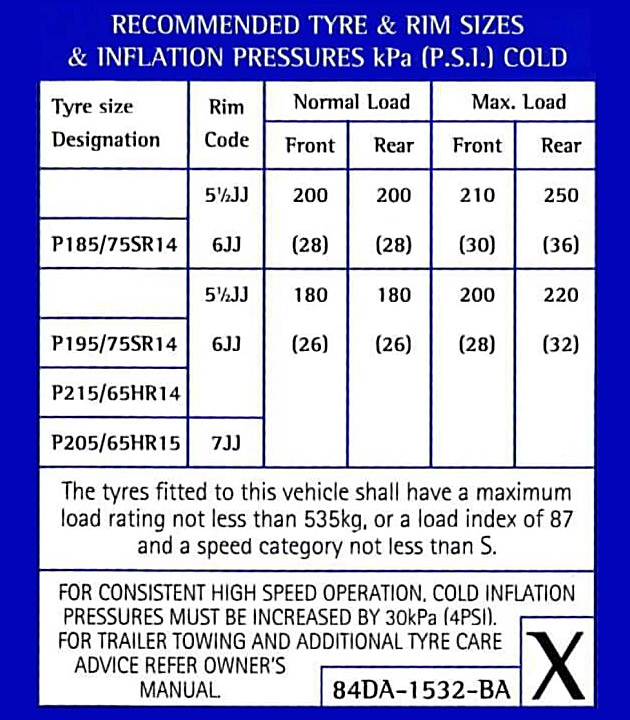
Every vehicle comes with its own set of guidelines regarding tyre pressure, typically found in the owner’s manual or on a sticker inside the driver’s side door. These guidelines are tailored to your specific vehicle, taking into account its weight, size, and intended use. Following these manufacturer recommendations ensures that your car performs optimally under various conditions.
Have you ever checked your car’s manual for these guidelines? If not, it’s worth taking a moment to do so. Knowing the exact pressure recommended by your car’s manufacturer can prevent issues like uneven tyre wear and improve your driving comfort.
Standard Pressure Ranges
While manufacturer guidelines are specific, standard pressure ranges offer a general insight into what might be ideal for most passenger vehicles. Typically, these ranges are between 30 and 35 PSI (pounds per square inch). However, always remember that these are just averages and your vehicle might need something different.
- Passenger Cars: Generally between 30-35 PSI
- Light Trucks: Often require higher pressure, around 40-45 PSI
- High-performance vehicles: May have unique requirements
Have you ever tried setting your tyre pressure based on these standard ranges, only to find your ride uncomfortable? It could be because your vehicle needs something different. Always cross-check with your vehicle’s specific needs to ensure a smooth drive.
Are your tyres at their recommended pressure levels right now? If not, perhaps it’s time for a quick check. This simple task can make a significant difference in your driving experience.
Checking And Adjusting Tyre Pressure
Maintaining the correct air pressure in car tyres is crucial for safety and fuel efficiency. Most cars require tyre pressure between 30 to 35 PSI. Regularly check and adjust to ensure optimal performance and to avoid uneven tyre wear.
Maintaining the correct air pressure in your car tyres is crucial for safety, fuel efficiency, and tyre longevity. Yet, many car owners overlook this simple task. Regularly checking and adjusting your tyre pressure can enhance your driving experience and save you money in the long run. But how do you ensure your tyres are properly inflated?Tools Needed
Before you dive into the process, gather a few essential tools. A reliable tyre pressure gauge is a must-have in your car kit. Digital gauges provide accurate readings and are easy to use. Additionally, an air compressor or a trip to a nearby petrol station with air pumps will help you adjust the pressure as needed.Step-by-step Process
Checking and adjusting tyre pressure is straightforward. Start by ensuring your tyres are cold, as driving heats them up and can give inaccurate readings. Remove the valve cap from your tyre and press the tyre pressure gauge onto the valve stem. Read the pressure level on the gauge. Compare this number to your vehicle’s recommended tyre pressure, usually found in the owner’s manual or on a sticker inside the driver’s door. If the tyre pressure is too low, use an air compressor to add air until the gauge shows the correct pressure. If it’s too high, release some air by pressing the metal pin in the valve stem until the desired pressure is achieved. Regularly checking and adjusting tyre pressure might seem like a small task, but it plays a significant role in your car’s performance and safety. When was the last time you checked your tyre pressure? Make it a habit to do so every month, and you’ll notice the difference in your drive.Consequences Of Incorrect Tyre Pressure
Incorrect tyre pressure can cause several problems for your car. The performance and safety of your vehicle can be compromised. Understanding these consequences can help maintain your car’s health.
Fuel Efficiency Impact
Incorrect tyre pressure can affect fuel efficiency. Low pressure increases rolling resistance. Your car needs more energy to move. This means more fuel is consumed. High pressure reduces the contact area. This can also affect fuel efficiency. Keeping tyres at the right pressure helps save fuel.
Safety Risks
Tyre pressure affects safety on the road. Low pressure can lead to tyre blowouts. This can be dangerous, especially at high speeds. High pressure can reduce traction. This affects braking and handling. Proper pressure is crucial for safe driving.
Tyre Wear And Damage
Incorrect pressure can cause uneven tyre wear. Low pressure leads to wear on the edges. High pressure causes wear in the center. Both reduce tyre life. Maintaining correct pressure extends tyre lifespan. It also prevents unexpected damage.
Tips For Maintaining Optimal Tyre Pressure
Maintaining optimal tyre pressure is crucial for your car’s performance, safety, and fuel efficiency. Under-inflated tyres can lead to increased wear and tear, while over-inflated tyres might compromise your ride quality. Regularly checking and adjusting your tyre pressure ensures you’re getting the most out of your vehicle. But how often should you do this, and what should you keep in mind during different seasons?
Regular Inspections
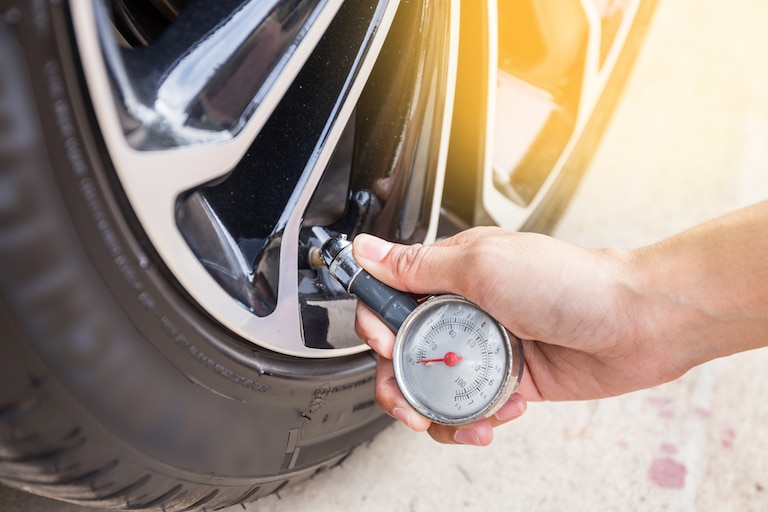
Make it a habit to check your tyre pressure at least once a month. This simple task can save you from potential breakdowns and improve your car’s fuel efficiency. Consider keeping a tyre pressure gauge in your glove compartment for easy access. Many petrol stations offer free air pressure checks, so take advantage of these resources during your fuel stops.
Have you ever noticed a decline in your car’s performance or fuel efficiency? It might be due to improper tyre pressure. Regular inspections can help detect issues early and prevent costly repairs down the line.
Seasonal Adjustments
Did you know that temperature changes can affect your tyre pressure? Cold weather tends to decrease tyre pressure, while hot weather can increase it. It’s essential to adjust your tyre pressure according to the season to maintain optimal performance.
During winter months, your tyres may lose pressure due to lower temperatures. Conversely, in summer, tyres might overinflate, leading to wear and tear. Adjusting your tyre pressure with the changing seasons ensures a smoother ride and can extend the life of your tyres.
Are you ready to tackle seasonal changes head-on? Keep an eye on the weather and adjust your tyre pressure accordingly. It’s a small effort that pays off in the long run.
Credit: www.bridgestonetire.com
Frequently Asked Questions
What Is The Correct Tire Pressure For A Car?
Check the driver’s manual or the sticker inside the driver’s door for correct tire pressure. Typically, it’s between 30-35 PSI. Always measure tire pressure when tires are cold. Regularly maintaining correct tire pressure ensures safety and fuel efficiency.
Is 40 Psi Good Tire Pressure?
40 PSI is generally good for car tires, depending on the manufacturer’s recommendation. Always check your vehicle’s manual for exact specifications. Proper tire pressure ensures safety, improved fuel efficiency, and longer tire life. Regularly monitor tire pressure to maintain optimal performance and prevent potential issues.
Is 35 Psi Too High?
35 PSI is generally safe for most vehicles. Check your owner’s manual for the recommended tire pressure. Overinflation can affect handling and wear, while underinflation risks blowouts. Regularly monitor tire pressure to ensure safety and optimal performance. Proper tire maintenance helps prevent accidents and extends tire life.
How Low Is Too Low Tire Pressure?
Tire pressure below 20 PSI is considered too low and can lead to unsafe driving conditions. Regularly check tire pressure to ensure optimal performance and safety. Low tire pressure decreases fuel efficiency and increases tire wear. Refer to your vehicle’s manual for recommended tire pressure levels.
Conclusion
Checking your car tyre pressure is important. It ensures safety and efficiency. Proper pressure boosts fuel economy. It also extends tyre life. Always follow the car manufacturer’s guidelines. Use a reliable pressure gauge. Check tyres monthly, at least. This habit prevents uneven wear.
It saves you money in the long run. Tyres lose pressure over time. Cold weather can affect them too. Keep an eye on it. Stay safe on the road. Happy driving!