
Have you ever parked your car and wondered what keeps your dash cam running even when the engine is off? You’re not alone.
Many drivers are curious about the technology that allows these little devices to keep an eye on things, providing peace of mind even when you’re nowhere near your vehicle. Understanding the power source behind a dash cam when your car is off can not only enhance your knowledge but also help you make informed decisions about your vehicle’s security.
So, let’s delve into the fascinating world of dash cams and uncover the secrets that keep them vigilant, ensuring your car’s safety 24/7. By the end of this article, you’ll know exactly how these devices work and why they’re a must-have for every car owner.
Dash Cam Basics
Power banks and internal batteries keep dash cams running after the car is off. These devices store energy during driving, ensuring continuous recording without draining the vehicle’s battery.
Understanding the basics of dash cams can significantly enhance your vehicle safety experience. A dash cam is a small camera mounted on your car’s dashboard or windshield, designed to record the road ahead. These devices serve as your silent witness, capturing everything from breathtaking road trips to unfortunate accidents.Purpose And Function
Dash cams primarily serve as an unbiased eyewitness to your driving journey. They record high-definition footage, which can be crucial in resolving disputes after an accident. Additionally, some insurance companies may offer discounts if you have a dash cam installed, as it provides credible evidence in case of an incident. Beyond accident documentation, dash cams can deter theft or vandalism when your vehicle is parked. If you love road trips, a dash cam can capture scenic drives and unexpected wildlife encounters. Have you ever wished you had footage of that incredible sunset you witnessed while driving? A dash cam can make that wish come true.Common Features
Dash cams come equipped with a variety of features to enhance their functionality. Most modern dash cams offer loop recording, which ensures continuous recording by overwriting old footage. This means you won’t have to worry about manually deleting old videos. Many dash cams now include GPS tracking to log your vehicle’s location and speed. This can be particularly useful if you need to prove your driving behavior in specific situations. Advanced models feature motion detection and parking mode, which activate the camera when motion is detected around your vehicle. This is particularly beneficial for protecting your car from hit-and-runs or vandalism while parked. Some dash cams also offer night vision capabilities, ensuring clear footage in low light conditions. If you often drive at night, this feature can be invaluable. Understanding these basics can help you choose the right dash cam for your needs. What features are most important to you in a dash cam?Power Sources For Dash Cams
Dash cams are essential for recording incidents and ensuring safety. They need power to function even when the car is off. Different power sources help dash cams stay active, providing continuous protection.
Battery Types
Some dash cams use internal batteries to stay powered. These batteries charge while the car is running. Once the car is off, the dash cam relies on this stored energy. The battery type can affect how long the dash cam operates. Lithium-ion batteries are common due to their efficiency and durability.
Capacitor Technology
Capacitors offer an alternative to traditional batteries. They store energy quickly and discharge it faster. This makes them reliable for short-term power needs. Capacitors are less prone to damage from temperature changes. Dash cams with capacitors often have a longer lifespan.
External Power Options
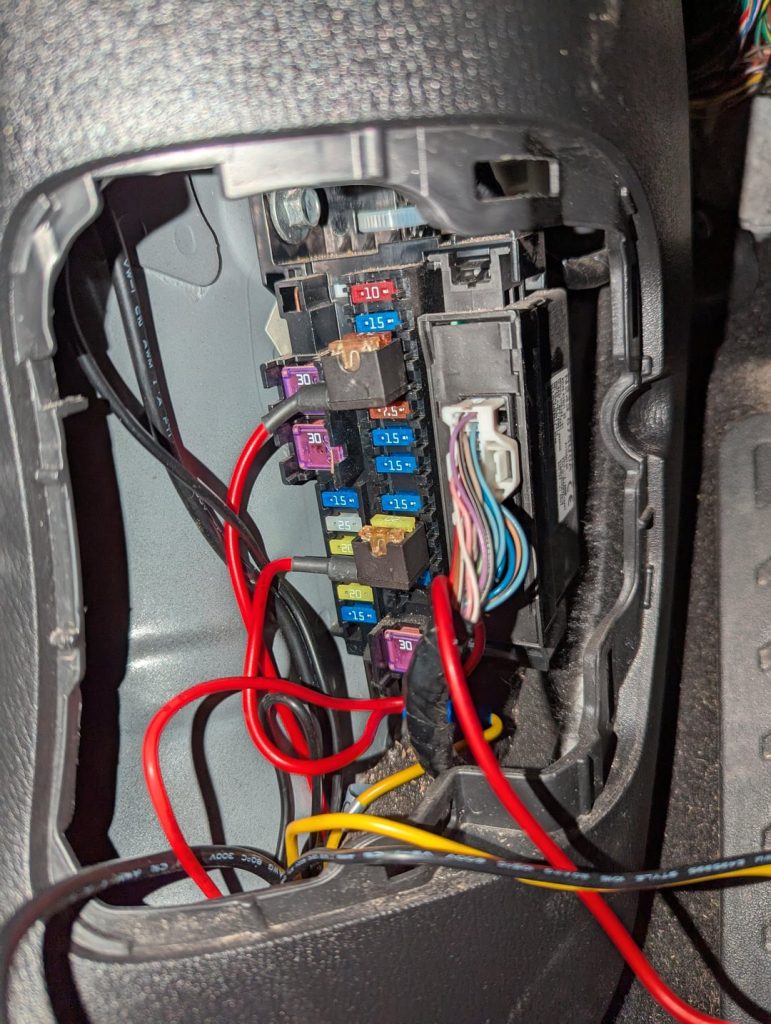
Some dash cams use external power sources for extended operation. These include hardwiring kits that connect to the car’s fuse box. An external battery pack is another option. It provides a steady power supply without draining the car’s battery. These solutions ensure the dash cam stays active for longer periods.
Battery-powered Dash Cams
Battery-powered dash cams offer a convenient solution for recording incidents even when your car is turned off. These devices are equipped with built-in batteries that allow them to continue operating independently from the vehicle’s power supply. Whether you’re parked overnight or at a shopping center, battery-powered dash cams ensure that crucial footage is captured anytime, anywhere.
Pros And Cons
Battery-powered dash cams come with their own set of advantages and drawbacks. On the plus side, they are easy to install and do not require a complicated setup with your car’s electrical system. This independence from the car’s power means you can record events without draining your car battery.
However, the downside is that these dash cams are limited by their battery life, potentially requiring frequent recharging or replacement. Also, the battery capacity may not be sufficient for extended recording sessions, especially if you leave your car unattended for long periods.
Battery Life Considerations
When choosing a battery-powered dash cam, battery life is a critical factor. You need to assess how long the battery can support continuous recording. Some models offer several hours of operation, while others might last only a couple of hours.
Consider your typical parking duration. If you often park for long stretches, a dash cam with a longer battery life is essential. Additionally, think about the charging options. Is the battery easily rechargeable, or do you need to replace it frequently?
Would a dash cam with a backup battery pack suit your needs better? These questions will guide you in selecting a dash cam that aligns perfectly with your requirements.

Credit: www.pelsee.com
Capacitor-powered Dash Cams
Capacitor-powered dash cams are becoming increasingly popular among drivers who want continuous monitoring, even when their vehicle is off. Unlike traditional battery-powered dash cams, these devices rely on capacitors to store energy. This ensures they can operate smoothly without the common pitfalls associated with batteries, such as overheating or rapid degradation. But what makes capacitor-powered dash cams a viable choice for many, and what are their limitations?
Advantages Over Batteries
Capacitors offer remarkable durability and reliability. They are less prone to heat damage, making them ideal for use in cars that can become quite warm when parked. If you’ve ever had a battery-powered device fail during a scorching summer day, you know how frustrating it can be. Capacitors sidestep this issue, providing peace of mind.
Another advantage is the longevity of capacitors. Unlike batteries that can lose their capacity over time, capacitors maintain their efficiency. This means fewer replacements and consistent performance, saving you time and money in the long run.
Environmental conditions such as humidity and temperature fluctuations can drastically affect battery life. Capacitors, however, are built to withstand such challenges, ensuring your dash cam remains operational regardless of external conditions.
Limitations And Challenges
Despite their benefits, capacitors have their own set of challenges. One major limitation is their storage capacity. Capacitors typically hold less charge compared to batteries, which might limit the recording time after your car is off. This can be crucial if you’re hoping to capture extended footage while your vehicle is parked.
Initial costs can also be higher for capacitor-powered dash cams. While they might save you money in the long run, the upfront investment can be a hurdle. It’s worth considering if the benefits outweigh the cost for your specific needs.
Capacitor-powered dash cams may also require more frequent checks to ensure they’re functioning correctly. Unlike batteries that display evident signs of deterioration, capacitors might fail silently, posing a challenge for regular users.
So, is a capacitor-powered dash cam the right choice for your vehicle? Consider the environment in which you park your car and the importance of continuous monitoring for your peace of mind. As technology advances, will capacitors become the standard for dash cams, or will batteries continue to hold their ground?
Hardwiring Dash Cams
Hardwiring dash cams allows them to draw power directly from the vehicle’s battery. This connection keeps the camera running even when the car is off. It ensures continuous surveillance without draining the battery significantly.
Hardwiring dash cams ensure your camera stays powered even after the car is off. This installation connects the dash cam directly to the car’s electrical system. It provides continuous power and avoids relying on battery packs or cigarette lighter sockets. Hardwiring offers reliability and convenience for long-term use.Installation Process
- Gather necessary tools like wire cutters and a fuse tap.
- Locate the fuse box in your vehicle.
- Select a fuse that provides constant power.
- Use a fuse tap to connect the dash cam wire.
- Run the wire along the vehicle’s edge, keeping it hidden.
- Ensure all connections are secure and test the dash cam.
Benefits Of Hardwiring
- Provides continuous power, ensuring consistent recording.
- Avoids draining the car’s battery with low-power draw.
- Eliminates clutter from wires hanging in the cabin.
- Improves safety by capturing footage even when parked.
- Ensures the dash cam starts automatically with the car.

Credit: www.amazon.ca
Parking Mode Features
Parking mode features in dash cams keep them running even when the car is off. This is powered by internal batteries, capacitors, or hardwired connections to the car’s fuse box. These options ensure continuous monitoring, providing extra security for your vehicle.
Parking mode features in dash cams ensure your vehicle stays protected even when the engine is off. This innovative technology allows dash cams to monitor your car continuously, capturing crucial footage without draining your car battery. Whether you’re parked in a crowded shopping mall or leaving your car overnight, these features provide peace of mind and valuable evidence if anything happens.Motion Detection
Motion detection is a key feature that activates your dash cam when movement is detected near your vehicle. Imagine parking your car in a busy lot and worrying about potential scratches or hits. With motion detection, the dash cam springs into action, recording any activity around your car. This proactive approach ensures you have video evidence should an incident occur.Impact Sensors
Impact sensors are another essential component of parking mode. They detect sudden movements or shocks to the car, like a vehicle bumping into yours while parked. Upon sensing an impact, the dash cam starts recording immediately, capturing the event in real-time. This feature is particularly useful in hit-and-run situations, allowing you to identify the offending vehicle. Wouldn’t you want to know exactly what happened to your car while you were away? With impact sensors, you gain that knowledge and a sense of security.Choosing The Right Power Solution
Dash cams can stay powered after the car is off using an external battery pack. These devices offer reliable power and ensure continuous recording. Another option is using a hardwire kit that connects directly to the car’s fuse box, allowing power supply without draining the car battery.
Choosing the Right Power Solution When your car is off, your dash cam still needs a reliable power source to stay operational. Picking the right power solution is essential to ensure your dash cam is always ready to capture crucial footage. But how do you decide which option is best for your needs?Factors To Consider
Several factors should guide your decision when selecting a power solution for your dash cam. – Power Consumption: Dash cams vary in their energy needs. Check your device’s power consumption to avoid draining your car battery. – Parking Mode Requirements: If your dash cam has a parking mode, it might need continuous power. Opt for a solution that supports this feature. – Installation Complexity: Some power solutions require professional installation. Decide if you prefer a plug-and-play option or if you’re comfortable with a more involved setup.Compatibility With Vehicles
Ensuring compatibility with your vehicle is crucial when choosing a power solution. – Battery Types: Different vehicles have different battery types and capacities. Make sure your chosen power solution is compatible with your car’s battery. – Fuse Box Access: Some solutions require tapping into the fuse box. Ensure your vehicle’s fuse box is accessible and compatible with the add-a-circuit technology. – Vehicle Model: Certain vehicles, especially luxury models, might have complex electrical systems. Double-check that the power solution won’t interfere with existing systems. Have you ever purchased a power accessory only to find it didn’t fit your car model? Avoid this frustration by researching in advance. Consider these factors and compatibility checks to keep your dash cam running smoothly even when your car is off.
Credit: www.reddit.com
Frequently Asked Questions
How Do Dash Cams Stay Powered After Shutdown?
Dash cams can stay powered using built-in batteries, capacitors, or external battery packs. These power sources ensure continuous recording even when the car is off. Some dash cams also use hardwiring kits that connect directly to the car’s battery, allowing for parking mode monitoring without draining the car’s main battery.
What Is Parking Mode In Dash Cams?
Parking mode allows dash cams to record while the car is off. It typically uses motion detection or impact sensors to start recording. This feature helps capture any incidents or vandalism when the vehicle is parked. Parking mode is powered by internal batteries, capacitors, or external battery packs.
Can Dash Cams Drain Your Car Battery?
Yes, dash cams can drain the car battery if not properly managed. Using a hardwiring kit with a voltage cutoff feature can prevent excessive battery drain. Alternatively, using a dash cam with a built-in battery or external battery pack can help avoid draining the car’s main battery.
What Is The Role Of Capacitors In Dash Cams?
Capacitors provide temporary power to dash cams, allowing them to save recordings after shutdown. They are more reliable than batteries in extreme temperatures. Capacitors charge while the car is running and discharge when needed. They offer a safer and longer-lasting alternative to traditional batteries in dash cams.
Conclusion
Understanding what powers dash cams when the car is off helps a lot. It ensures safety, even when parked. Battery packs and hardwiring kits are key solutions. Each option has its own benefits. Choose based on your needs and budget.
Always consider the installation process. It’s simple yet effective. Dash cams offer peace of mind. Remember to maintain them regularly. This keeps them functioning well. With the right setup, your car stays protected. Day or night. Even when you’re away.
Stay informed and make the best choice for your vehicle.