
Imagine this: you’re cruising down the highway, music playing, windows down, and suddenly, a warning light flashes on your dashboard. It’s the dreaded tire pressure alert.
If you’re like most drivers, you might wonder, “What is tire pressure supposed to be in a car? ” Tire pressure might seem like a small detail, but it plays a huge role in your safety, fuel efficiency, and the overall performance of your vehicle.
Knowing the correct tire pressure is crucial not only to keep your journey smooth but also to avoid potential hazards. Under-inflated or over-inflated tires can lead to uncomfortable rides, reduced gas mileage, and even dangerous blowouts. But don’t worry, you’re not alone in trying to figure this out. You’ll discover the simple yet vital details about tire pressure that every driver should know. By the end, you’ll be equipped with the knowledge to keep your tires perfectly inflated, ensuring you get the most out of your car while staying safe on the road. Keep reading to learn how easy it is to maintain the right tire pressure and why it matters more than you might think.
Ideal Tire Pressure Levels
Understanding the ideal tire pressure levels for your car is crucial for maintaining safety and efficiency on the road. Maintaining the correct tire pressure helps ensure optimal contact between your tires and the road, improving fuel efficiency and extending the lifespan of your tires. But what exactly is the ideal tire pressure for your vehicle?
Recommended Pressure Range
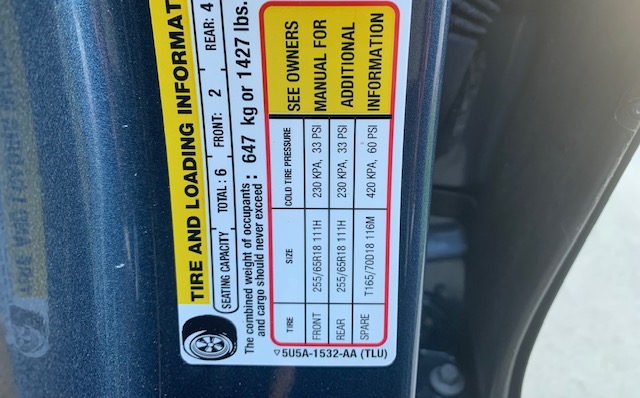
The ideal tire pressure for most cars usually falls between 30 to 35 PSI (pounds per square inch). This range provides a balance between comfort, performance, and fuel economy. However, you should always refer to your vehicle’s manual or the sticker inside the driver’s door for the manufacturer’s recommended levels.
Once, I ignored this advice during a road trip, thinking a bit more air would be better. The ride became noticeably bumpier, and my fuel efficiency took a hit. It was a learning moment that highlighted the importance of sticking to the recommended pressure range.
Factors Influencing Pressure
Several factors can influence the ideal tire pressure for your car. Temperature changes, for instance, can cause tire pressure to fluctuate. As a rule of thumb, tire pressure decreases by about 1 PSI for every 10-degree drop in temperature.
Loading your vehicle with extra weight also affects tire pressure. More weight means you might need to adjust your tire pressure slightly higher than usual. Always check your tires before a long journey or when you’re carrying heavy loads.
Have you ever checked your tire pressure after a long drive? The heat generated from driving can increase the pressure temporarily. It’s fascinating how such small details can make a big difference in your driving experience.
By understanding and maintaining the ideal tire pressure levels, you’re not just taking care of your car—you’re ensuring your safety and comfort on every drive. So, when was the last time you checked your tire pressure?

Credit: blog.nationwide.com
Importance Of Correct Tire Pressure
Maintaining the correct tire pressure is crucial for a car’s performance. It affects safety, fuel efficiency, and the lifespan of your tires. Many drivers overlook this simple aspect, but its importance is undeniable.
Safety Concerns
Proper tire pressure ensures better grip on the road. It reduces the risk of tire blowouts and accidents. Underinflated tires can lead to poor handling, especially in wet conditions. Overinflated tires might burst under high speeds or sharp turns. Regular checks keep you safe from unexpected tire failures.
Fuel Efficiency Benefits
Correct tire pressure improves fuel efficiency. Underinflated tires increase rolling resistance, making the engine work harder. This leads to higher fuel consumption. Properly inflated tires reduce the engine’s workload, saving you money on fuel. Efficient fuel use means fewer emissions, which is better for the environment.
Impact On Tire Longevity
Maintaining the right tire pressure extends the life of your tires. Underinflated tires wear out faster on the edges. Overinflated tires wear out in the center. Regular pressure checks ensure even wear, increasing tire lifespan. You save money by avoiding frequent tire replacements.
How To Check Tire Pressure
Proper tire pressure ensures safety and efficiency. Most cars require 30-35 psi. Check your vehicle’s manual or the sticker inside the driver’s door for exact values. Use a tire gauge to measure the pressure, adjusting as needed for optimal performance.
Checking your car’s tire pressure might seem like a mundane task, but it’s vital for your vehicle’s performance and safety. Properly inflated tires ensure better fuel efficiency, extended tire life, and optimal handling. But how often do you actually check your tire pressure? You might be surprised to find out that many drivers neglect this simple maintenance task. Let’s explore how you can easily check your tire pressure and keep your car running smoothly.Using A Pressure Gauge
To accurately check your tire pressure, a tire pressure gauge is essential. You can find these handy tools in various forms, such as digital or analog versions, at most automotive stores. Here’s how to use one: – Remove the valve cap from your tire’s valve stem. – Press the gauge onto the valve stem until the hissing sound stops. – Read the pressure on the gauge display. Digital gauges will give you a clear number, while analog gauges require you to look at the needle position. It’s best to check tire pressure when the tires are cold, preferably in the morning before you start driving. This ensures you get the most accurate reading.Identifying Correct Pressure
Knowing what your tire pressure should be is just as important as checking it. You might wonder where to find this crucial information. Here’s where to look: – Driver’s side door jamb: Most cars have a sticker here with the recommended tire pressure. – Owner’s manual: This trusty book will have the tire pressure information for all seasons. – Inside the fuel door: Some models provide this detail where you least expect it. Typically, tire pressure is measured in PSI (pounds per square inch), and standard recommendations can vary between 30-35 PSI. However, always rely on the specifications given for your specific vehicle. Have you ever noticed a difference in how your car handles after adjusting the tire pressure? It can be quite an eye-opener to see how such a small change impacts driving comfort and efficiency.Adjusting Tire Pressure
Proper tire pressure ensures safety and efficiency. Typically, car tires should have a pressure between 30 to 35 PSI. Check the owner’s manual or door placard for specific recommendations.
Adjusting tire pressure is more than just a maintenance task—it’s a crucial part of ensuring your vehicle runs smoothly and safely. Whether you’re preparing for a road trip or just your daily commute, knowing how to adjust your tire pressure can save you from unexpected setbacks. It’s a skill every driver should master to prolong tire life and optimize fuel efficiency. Have you ever noticed your car pulling slightly to one side? It might be a sign that your tire pressure needs adjusting. But don’t worry, adjusting tire pressure is easier than you might think.Steps To Increase Pressure
1. Locate the Air Valve Start by finding the air valve on your tire. Unscrew the cap and keep it safe—you don’t want to lose it. 2. Use a Tire Pressure Gauge Check the current pressure using a reliable tire pressure gauge. Compare this with the recommended pressure level, usually found on a sticker inside your driver’s door or in your car’s manual. 3. Attach the Air Compressor Connect the air compressor nozzle to the valve. Make sure it’s secure before turning it on. 4. Inflate the Tire Add air slowly, checking the pressure frequently to avoid over-inflation. A burst of air can sometimes be enough, so proceed with caution. 5. Check and Recheck After inflating, use the gauge again to ensure you’ve reached the desired pressure. Then, replace the valve cap securely.Steps To Decrease Pressure
1. Check Current Pressure Before you start, use a tire gauge to measure the current pressure. Make sure it’s higher than your vehicle’s recommended level. 2. Locate and Unscrew the Valve Cap Find the valve stem on the tire and unscrew the cap. Keep it in a safe place. 3. Release Air Press the center pin in the valve stem to let air out. Use a small tool or even the back of the valve cap for this. 4. Monitor the Pressure As air releases, keep checking the pressure with your gauge. Aim for precision to avoid under-inflating. 5. Replace the Valve Cap Once at the desired pressure, screw the valve cap back on tightly. This prevents dirt and moisture from entering. Adjusting your tire pressure doesn’t have to be a daunting task. With the right tools and knowledge, you can keep your vehicle performing at its best. Have you checked your tire pressure lately? It might be time to give your tires the attention they deserve.Common Tire Pressure Mistakes
Checking tire pressure is crucial for car safety. Many drivers overlook the recommended pressure levels. Proper inflation maintains tire health and improves vehicle performance.
Maintaining the correct tire pressure in your car is crucial for safety and performance. However, many drivers make common mistakes when it comes to tire pressure. These mistakes can lead to increased wear and tear, decreased fuel efficiency, and even dangerous driving conditions. Let’s explore some of these errors to help you avoid them and ensure your vehicle runs smoothly.Overinflation Risks
Overinflating your tires might seem like a good idea if you want to enhance fuel efficiency. However, this can actually reduce the tire’s contact patch with the road. A smaller contact patch means less grip, leading to a higher risk of losing control, especially in wet conditions. Have you ever noticed a bumpy ride after inflating your tires too much? That’s because overly firm tires don’t absorb road shocks well, causing an uncomfortable drive. Additionally, overinflated tires wear unevenly, particularly in the center, shortening their lifespan.Underinflation Risks
On the flip side, underinflation is a common issue that many drivers overlook. Low tire pressure increases the rolling resistance of your vehicle, which means your engine works harder, using more fuel. This not only burns a hole in your pocket but also contributes to higher emissions. Have you ever had a flat tire because you ignored the low-pressure warning? Underinflated tires are prone to overheating, leading to potential blowouts. Moreover, they wear out quickly on the edges, reducing your tire’s longevity and increasing the chances of an accident. By paying attention to these common mistakes, you can enhance your driving experience and ensure your safety on the road. Regularly checking your tire pressure, using a reliable gauge, and adjusting it according to your vehicle’s specifications can make all the difference. Remember, a little attention goes a long way in maintaining the health of your tires and the safety of your journey.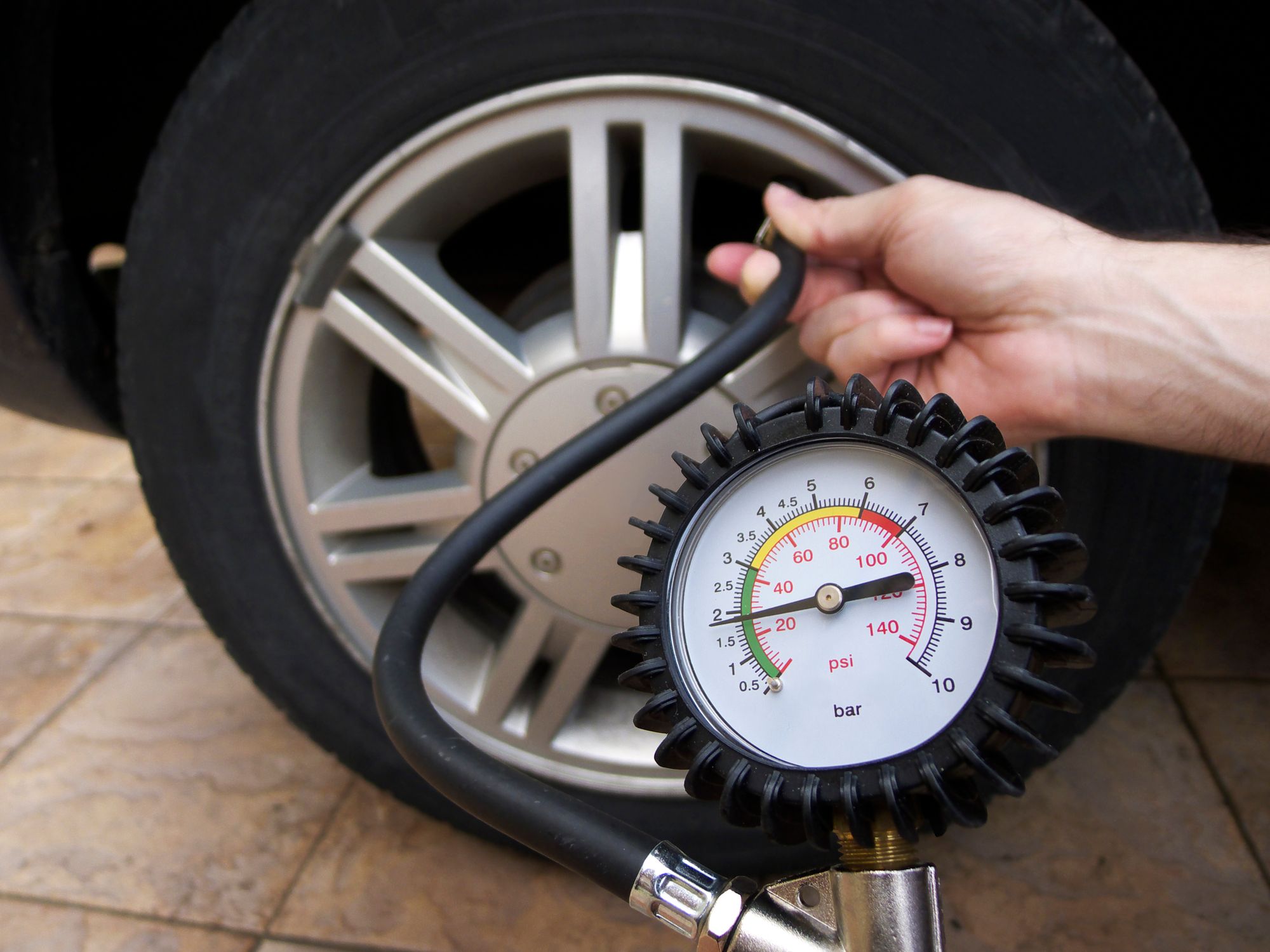
Credit: wrench.com
Seasonal Tire Pressure Changes
Seasonal tire pressure changes are crucial for ensuring your car’s tires perform optimally throughout the year. As temperatures fluctuate, the air pressure inside your tires can change, impacting safety and fuel efficiency. Understanding how to adjust tire pressure in different weather conditions can save you time, money, and potential headaches.
Cold Weather Adjustments
As temperatures drop, so does tire pressure. For every 10°F decrease in temperature, your tire pressure can drop by about 1 PSI (pound per square inch). This means it’s essential to check your tire pressure more frequently during the colder months.
Consider adding a little extra air to your tires at the beginning of winter. If your recommended tire pressure is 32 PSI, you might want to set it at 34 PSI to account for the drop in temperature. Keep a tire pressure gauge handy in your car to quickly check and adjust as needed.
Hot Weather Adjustments
Hot weather causes air inside your tires to expand, which can lead to over-inflation. Over-inflated tires can wear out faster and decrease your vehicle’s grip on the road. During the summer, check your tire pressure in the morning when temperatures are cooler.
Be cautious about letting air out if your tires seem over-inflated during the heat of the day. Instead, aim for a balanced pressure that matches your vehicle’s specifications. This small habit can improve your car’s handling and extend tire life.
Have you ever considered how seasonal changes affect other car maintenance tasks? Ensuring your tires are properly inflated throughout the year is just one step in keeping your vehicle in top shape. What other seasonal adjustments do you make to your car? Share your experiences in the comments below!
Tools For Maintaining Tire Pressure
Maintaining the right tire pressure is crucial for safety and fuel efficiency. Proper tools can help you keep tires in good condition. Regular checks ensure your car runs smoothly and reduces wear. Let’s explore some tools to maintain tire pressure effectively.
Types Of Tire Gauges
Tire gauges measure air pressure accurately. Digital gauges provide precise readings, are easy to read. They often include extra features like backlighting for use in dim conditions. Analog gauges are durable and reliable, with a simple needle display. Choose one based on preference, both serve well.
Air Compressors
Air compressors refill tires to the recommended pressure. Portable models are convenient for home use and travel. They plug into car outlets or use battery power. Larger models suit garages, offering faster inflation. Ensure compatibility with your tire type, read instructions carefully.
Signs Of Incorrect Tire Pressure
Low tire pressure causes poor fuel efficiency and uneven tire wear. High pressure leads to reduced traction and a bumpy ride. Proper tire pressure enhances safety and performance. Check your car’s manual or door placard for the right pressure levels.
Maintaining the correct tire pressure in your car is crucial for safety and efficiency. But how can you tell if your tires are under or over-inflated? Paying attention to signs of incorrect tire pressure can save you from costly repairs and dangerous situations. Let’s explore some common indicators that your tire pressure might not be right.Uneven Tire Wear
One clear sign of incorrect tire pressure is uneven tire wear. If you notice that the tread on one part of the tire is more worn than the rest, your tire pressure might be the culprit. Over-inflated tires tend to wear more in the center, while under-inflated ones wear more on the edges. Keep an eye on your tires regularly. A simple visual inspection can help you spot these issues early.Poor Handling
Have you ever felt your car swaying more than usual or not responding as sharply as it should? Poor handling is often a symptom of incorrect tire pressure. Under-inflated tires can make your car feel sluggish and unresponsive, while over-inflated tires might cause it to be too bouncy or harsh on the road. Consider how your car feels when you drive it. Is it performing as expected, or is something off? Adjusting the tire pressure might improve your driving experience significantly. Have you checked your tire pressure lately? It might be time to give it another look.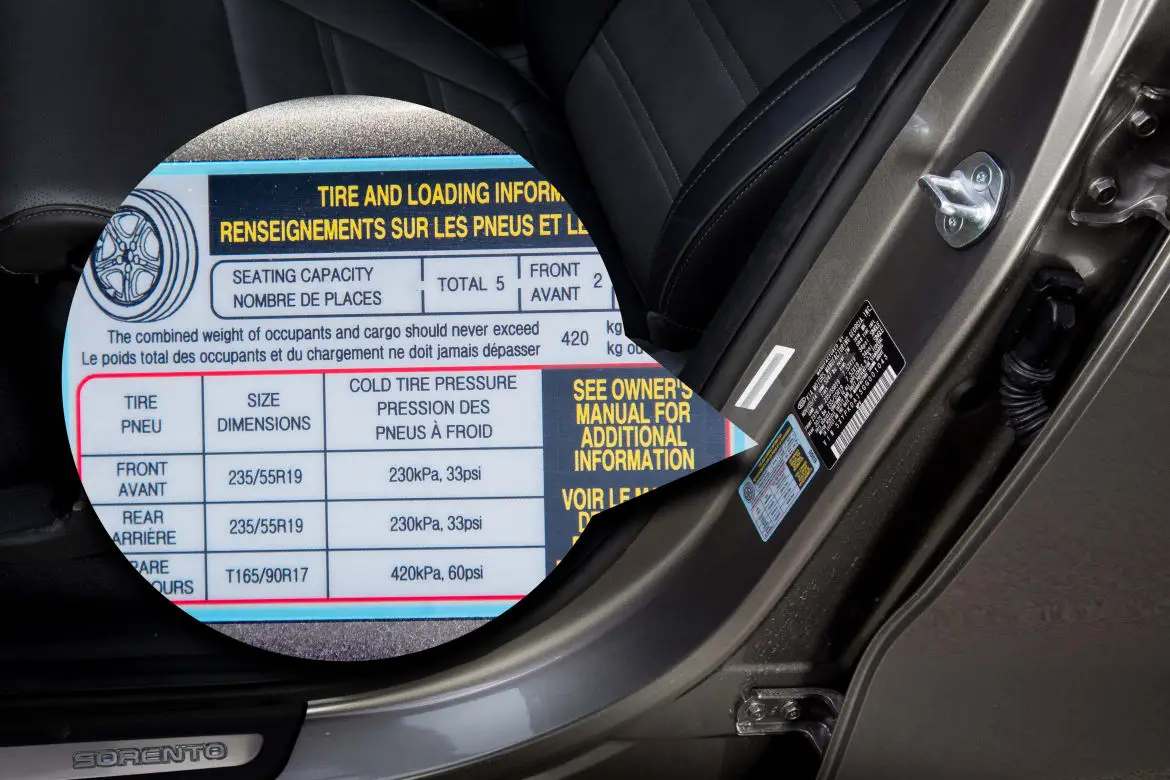
Credit: www.cars.com
Frequently Asked Questions
What Is My Normal Tire Pressure?
Check your vehicle’s manual or the label inside the driver’s door for recommended tire pressure. Typically, it ranges from 30-35 psi. Regularly maintaining the correct tire pressure ensures safety, fuel efficiency, and tire longevity. Always use a reliable gauge to measure tire pressure.
Is 28 Tire Pressure Ok To Drive?
28 PSI is generally too low for most vehicles. Check your vehicle’s manual for the recommended tire pressure. Driving with low pressure can cause poor handling and increased wear. Inflate tires to the recommended PSI for safety and efficiency. Always ensure tires are properly inflated before driving.
Is It Okay For Tire Pressure To Be On 40?
Tire pressure at 40 PSI can be suitable, depending on the vehicle and tire specifications. Always check the manufacturer’s recommendation for optimal safety and performance. Proper tire pressure ensures better fuel efficiency, traction, and longevity. Regularly monitor tire pressure to maintain the best driving conditions.
Is 35 Tire Pressure Too High?
35 PSI is generally safe for most passenger cars. Check your vehicle’s manual for the recommended tire pressure. Proper pressure ensures safety, fuel efficiency, and longer tire life. Adjust according to driving conditions and load. Regularly inspect tires for optimal performance.
Conclusion
Keeping your car’s tire pressure in check is crucial. Proper pressure improves fuel efficiency and safety. Low or high pressure can cause problems. Check tires regularly with a gauge. Follow your car’s manual for correct pressure levels. This simple task can save you money and prevent accidents.
Remember, tire care is essential for smooth rides. It protects against wear and tear. The right pressure ensures your tires last longer. So, stay informed and keep your tires healthy. It’s a small step that makes a big difference. Your car will thank you.