
Have you ever wondered if your car’s tire pressure is just right? You might be cruising down the highway or running errands around town, but the air in your tires plays a crucial role in your ride’s safety and efficiency.
Imagine feeling confident every time you drive, knowing that your tires are perfectly inflated. Knowing the standard tire pressure for your car isn’t just about avoiding a flat; it’s about enhancing your driving experience and ensuring your safety. This article will guide you through understanding what those numbers mean and how they impact your daily drive.
So, grab a seat and let’s dive into the world of tire pressure—your next smooth ride depends on it!
Importance Of Tire Pressure
Understanding tire pressure is more than just a maintenance chore—it’s a vital aspect of driving safety and efficiency. Proper tire pressure ensures your car handles correctly, providing you with a smoother, safer ride. Neglecting it can lead to unexpected issues, potentially affecting your travel plans and your wallet.
Why Tire Pressure Matters
Ever driven with low tire pressure? You might have noticed the car feeling sluggish or the steering less responsive. This happens because under-inflated tires increase the rolling resistance, making your engine work harder. This not only affects fuel efficiency but also increases wear and tear on your tires.
Impact On Fuel Efficiency
Keeping your tires properly inflated can save you money. A 1 psi drop in tire pressure can lower gas mileage by about 0.2%. Imagine how much fuel you could waste over a year with low tire pressure. Regularly checking and maintaining your tire pressure is a simple way to ensure you’re not spending more on fuel than necessary.
Safety Concerns
Low tire pressure can be dangerous. It can lead to tire blowouts, especially during high-speed travel on highways. Do you really want to risk your safety and that of your passengers because of neglected tire pressure? It’s crucial to check your tire pressure regularly to avoid these potentially hazardous situations.
Effects On Tire Longevity
Proper tire pressure extends tire life. Over-inflated tires can wear out the center tread, while under-inflated tires can wear the edges. Both conditions reduce tire lifespan, meaning you’ll need replacements sooner. Maintaining the right pressure helps you maximize your tires’ lifespan and reduces overall maintenance costs.
How To Check Tire Pressure
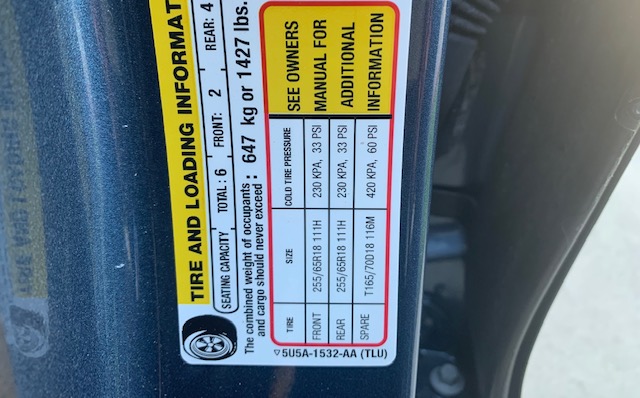
Checking tire pressure is simple and quick. All you need is a reliable tire gauge. Unscrew the valve cap, press the gauge onto the valve stem, and read the pressure. Compare it to your car’s recommended levels found in your owner’s manual or on a sticker inside the driver’s door.
Regularly maintaining the correct tire pressure is a small task that yields significant benefits. By ensuring your tires are at their optimal pressure, you enhance safety, save money, and get the most out of your vehicle. So next time you fill up on gas, take a moment to check those tires—it’s worth it!
.jpg)
Credit: point-s.ca
Factors Affecting Tire Pressure
Understanding the factors affecting tire pressure is crucial for car safety and performance. Tire pressure is not a one-size-fits-all setting. Various elements can cause fluctuations, impacting your vehicle’s handling and fuel efficiency. Let’s delve into the main factors that influence tire pressure.
Temperature Variations
Temperature changes can significantly affect tire pressure. Hot weather increases pressure, while cold weather decreases it. Tires expand in heat, causing higher pressure. In colder temperatures, tires contract, resulting in lower pressure. Regularly check tire pressure during seasonal changes.
Vehicle Load
The weight your car carries alters tire pressure. More load means more pressure is needed. Under heavy load, tires need extra air to support the weight. Overloading a vehicle can lead to under-inflated tires. Ensure your tires are properly inflated based on the load.
Tire Condition
Worn-out tires may not hold pressure effectively. Older tires have weaker sidewalls. This can cause air leaks and pressure loss. Regular inspections of tire condition are essential. Replace worn tires to maintain optimal tire pressure and ensure safety.
Recommended Tire Pressure Levels
Understanding the recommended tire pressure levels for your car is crucial for safety, performance, and fuel efficiency. Proper tire pressure ensures your car handles well, brakes effectively, and uses fuel efficiently. But how do you know what the right pressure is for your vehicle? Let’s dive into the specifics.
Manufacturer Guidelines
Manufacturers provide specific tire pressure recommendations tailored to each vehicle model. You can typically find this information on a sticker inside the driver’s side door or in the owner’s manual. These guidelines take into account the vehicle’s weight, load capacity, and intended use.
Have you ever checked your car’s door for this sticker? It might surprise you how many people overlook this handy piece of information. Following the manufacturer’s guidelines ensures your tires are inflated to the optimal level for your vehicle.
Common Pressure Ranges
While each car has its specific recommendations, most passenger vehicles have a standard tire pressure range between 30 to 35 PSI (pounds per square inch). However, factors like weather, road conditions, and tire type can influence these numbers.
Consider how the air temperature affects tire pressure. Cold weather can decrease PSI, while hot weather can increase it. That’s why regular checks are essential, especially during seasonal changes. How often do you adjust your tire pressure with the changing seasons?

Credit: cars.usnews.com
Checking Tire Pressure
Standard tire pressure for a car typically ranges between 30 and 35 PSI. Correct tire pressure ensures safety and fuel efficiency. Always check the vehicle’s manual or the driver’s side door for the recommended PSI.
Checking tire pressure is a simple yet crucial maintenance task that can enhance your car’s performance and safety. Regularly ensuring your tires are properly inflated can help you avoid unexpected mishaps and improve fuel efficiency. You might be surprised to learn how often under-inflated tires can cause issues, from uneven tire wear to poor handling. So, how do you ensure your tires are just right?Tools Required
To check your tire pressure accurately, you’ll need a few basic tools:- Tire Pressure Gauge:Available in digital and analog versions, this tool is essential for precise readings.
- Air Compressor:Handy for adjusting the pressure if your tires are under-inflated.
- Pen and Paper:Useful for recording the pressure and making notes.
Steps For Accurate Measurement
Accurate tire pressure measurement is key to ensuring safety and efficiency. Follow these steps to get it right every time: 1. Cool Tires: Measure tire pressure when the tires are cold. Driving heats them up and can give inaccurate readings. 2. Check Recommended Pressure: Look inside the driver’s door or the owner’s manual for the recommended PSI (pounds per square inch). 3. Use the Gauge: Remove the valve cap and press the tire pressure gauge onto the valve stem. Note the reading. 4. Adjust if Necessary: If the pressure is too low, add air with the compressor. If too high, release some air. 5. Re-check and Record: After adjustments, measure again to ensure accuracy. Jot down the final readings for your records. Regular checks can prevent bigger problems down the road. Have you ever had to cancel a trip because of a flat tire? Keeping an eye on your tire pressure can save you from such inconveniences. What’s your current tire pressure? Take a moment to check it today and drive with peace of mind.Adjusting Tire Pressure
Adjusting tire pressure is crucial for vehicle safety and performance. Properly inflated tires ensure a smooth and efficient drive. Incorrect tire pressure can lead to various issues. It affects fuel efficiency and tire lifespan. Understanding when to adjust tire pressure is essential.
When To Inflate
Tires lose pressure over time. Cold weather can cause a drop in tire pressure. Check your tires regularly, especially in winter. If the pressure is below the recommended level, it’s time to inflate. Use a reliable tire pressure gauge. Follow the car manufacturer’s recommended PSI. Most cars have this information in the owner’s manual. You can also find it on a sticker inside the driver’s door.
When To Deflate
Sometimes, tires may be over-inflated. This can happen after a long drive in hot weather. Over-inflated tires reduce traction and comfort. Check tire pressure when the tires are cool. If the pressure is above the recommended level, let some air out. Use the tire pressure gauge to ensure accuracy. Adjust until reaching the recommended PSI. This ensures a safe and comfortable ride.
Consequences Of Incorrect Tire Pressure
Incorrect tire pressure can lead to many issues. It affects car safety, fuel efficiency, and tire lifespan. Understanding these impacts can save money and ensure a safer drive.
Safety Risks
Incorrect tire pressure increases safety risks on the road. Under-inflated tires can overheat and cause blowouts. Over-inflated tires reduce traction, especially on wet roads. Both situations raise the chance of accidents.
Impact On Fuel Efficiency
Tire pressure affects fuel efficiency significantly. Under-inflated tires create more rolling resistance. This forces the engine to work harder, increasing fuel consumption. Correct tire pressure ensures optimal fuel economy.
Effect On Tire Wear
Incorrect tire pressure leads to uneven tire wear. Over-inflated tires wear out the center tread quickly. Under-inflated tires cause more wear on the edges. Proper inflation ensures even wear and extends tire life.
Maintaining Optimal Tire Pressure
Maintaining optimal tire pressure is crucial for your car’s performance and safety. Properly inflated tires enhance fuel efficiency, improve handling, and reduce the risk of tire-related accidents. Yet, how often do you check your tire pressure? It’s easy to overlook, but this small habit can save money and enhance driving experience.
Regular Monitoring Tips
Checking your tire pressure regularly is a simple yet effective practice. Use a reliable tire gauge to measure pressure when tires are cold; this means after parking for a few hours or before starting your drive. Make it a monthly ritual or coincide it with your gasoline refills.
Modern cars have tire pressure monitoring systems (TPMS) that alert you when pressure is low. However, manual checks ensure accuracy and peace of mind. Remember, even a slight deviation from recommended pressure can affect performance.
Seasonal Adjustments
Did you know temperature fluctuations impact tire pressure? In colder months, tire pressure drops, while in hotter months, it rises. Adjust the pressure to align with seasonal changes. For instance, during winter, you might need to add air to maintain optimal pressure.
A proactive approach prevents uneven tire wear and maintains grip on icy roads. Consider the climate where you live and adjust accordingly. Have you ever noticed your tires losing pressure in winter? A quick check can prevent unexpected issues.

Credit: www.supaquick.com
Frequently Asked Questions
Is 40 Psi Good Tire Pressure For A Car?
40 psi tire pressure is usually too high for most cars. Check your vehicle’s manual for the recommended range. Proper tire pressure ensures safety and optimal performance. Always maintain tires within the specified limits for your car model. Regularly monitor and adjust tire pressure as needed.
Is 28 Tire Pressure Ok To Drive?
Check your vehicle’s manual for recommended tire pressure. Generally, 28 PSI is low and can affect handling and fuel efficiency. Inflate to the specified level for optimal performance. Regularly maintain tire pressure to ensure safe driving conditions. Always consult a professional if unsure.
Is 35 Tire Pressure Too High?
35 PSI is generally safe for most tires. Check your vehicle’s manual for recommended pressure. Proper inflation ensures safety and efficiency. Regularly inspect tire pressure to avoid issues. Always adjust based on your specific vehicle and tire requirements for optimal performance and longevity.
What Is The Correct Tire Pressure For Most Cars?
Most car tires require a pressure between 30 to 35 PSI. Check your vehicle’s manual or door sticker for specifics. Regularly inspecting tire pressure ensures safety and efficiency. Use a reliable gauge for accurate readings. Proper maintenance extends tire life and improves fuel economy.
Conclusion
Keeping the right tire pressure helps your car run smoothly. It improves safety and fuel efficiency. Check your tires regularly. Use a reliable gauge for accuracy. Consult your car’s manual for pressure details. Proper tire pressure extends tire life. It prevents accidents and costly repairs.
Don’t ignore tire pressure; it’s crucial. Make it a part of your routine maintenance. Keep your journey safe and comfortable. Check the tires before long trips. Avoid uneven wear and tear. Your car will thank you. Enjoy the peace of mind that comes with well-maintained tires.