
Did you know that maintaining the ideal tire pressure can significantly improve your car’s performance and safety? If you’re like most drivers, you might not check your tire pressure as often as you should.
But here’s a fact: having the right tire pressure can save you money on fuel, extend the life of your tires, and even enhance your driving experience. Imagine driving with ease and confidence, knowing your tires are perfectly inflated for optimal handling.
You’ll discover what the ideal tire pressure is for your car, why it matters, and how you can easily keep your tires in top shape. By the end, you’ll feel empowered to make simple adjustments that will have a big impact on your car’s performance and your safety. Don’t miss out on these essential insights – your car and your wallet will thank you!
Importance Of Correct Tire Pressure
Maintaining the correct tire pressure is not just about adhering to the manufacturer’s recommendations; it’s about ensuring your safety and maximizing the performance of your vehicle. Many drivers overlook this simple yet critical aspect of car maintenance. But did you know that improper tire pressure can lead to a range of issues, from safety risks to reduced fuel efficiency?
Safety Benefits
Correct tire pressure is crucial for safe driving. Under-inflated tires can cause your car to handle unpredictably, especially in wet conditions. This increases the risk of accidents. On the other hand, over-inflated tires can be just as dangerous. They are more prone to blowouts, particularly at high speeds.
Imagine driving on a winding road with tires that aren’t at the correct pressure. Your car won’t grip the road as it should, and you might find yourself struggling to keep it on course. Always check your tire pressure before long journeys to avoid such scenarios.
Fuel Efficiency Impact
Did you know that the right tire pressure can save you money at the pump? Properly inflated tires reduce rolling resistance, which means your engine doesn’t have to work as hard. This leads to better fuel efficiency.
Think about the last time you refueled. Were you shocked at how quickly your fuel gauge dropped? It could be due to low tire pressure. Regularly checking and maintaining the correct pressure can improve your mileage and keep more money in your pocket.
Tire Longevity
Proper tire pressure extends the lifespan of your tires. Under-inflated tires wear out faster on the edges, while over-inflated ones wear more in the center. This uneven wear means you’ll need to replace your tires more frequently.
Consider the cost of a new set of tires. It’s a significant investment. By ensuring your tires are at the correct pressure, you can maximize their lifespan and delay the need for replacements. This simple maintenance step can save you a considerable amount of money over time.
When was the last time you checked your tire pressure? It’s a quick task that can enhance safety, improve fuel efficiency, and prolong tire life. Next time you’re at the gas station, take a few minutes to check your tires. Your car—and your wallet—will thank you.

Credit: www.whocanfixmycar.com
Factors Influencing Ideal Tire Pressure
Factors Influencing Ideal Tire Pressure Weather, vehicle load, and driving habits affect tire pressure. Check the car manual for specific recommendations. Regular maintenance ensures safety and fuel efficiency.
Understanding the ideal tire pressure for your car is crucial for ensuring safety, fuel efficiency, and optimal vehicle performance. However, determining the perfect pressure isn’t as simple as reading a number off a chart. Various factors influence what should be considered ‘ideal’ for your car’s tires. Let’s dive into these key factors and see how they might affect your decision.Vehicle Type Considerations
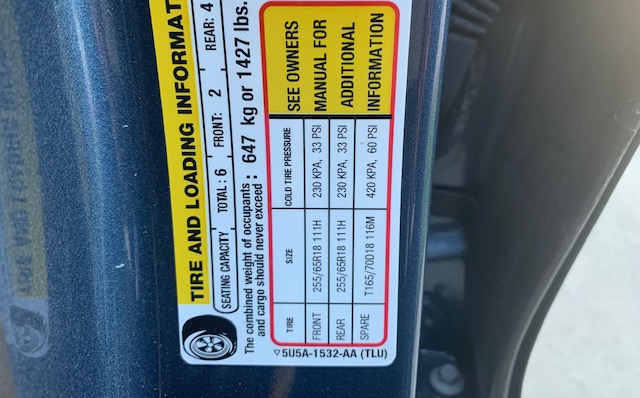
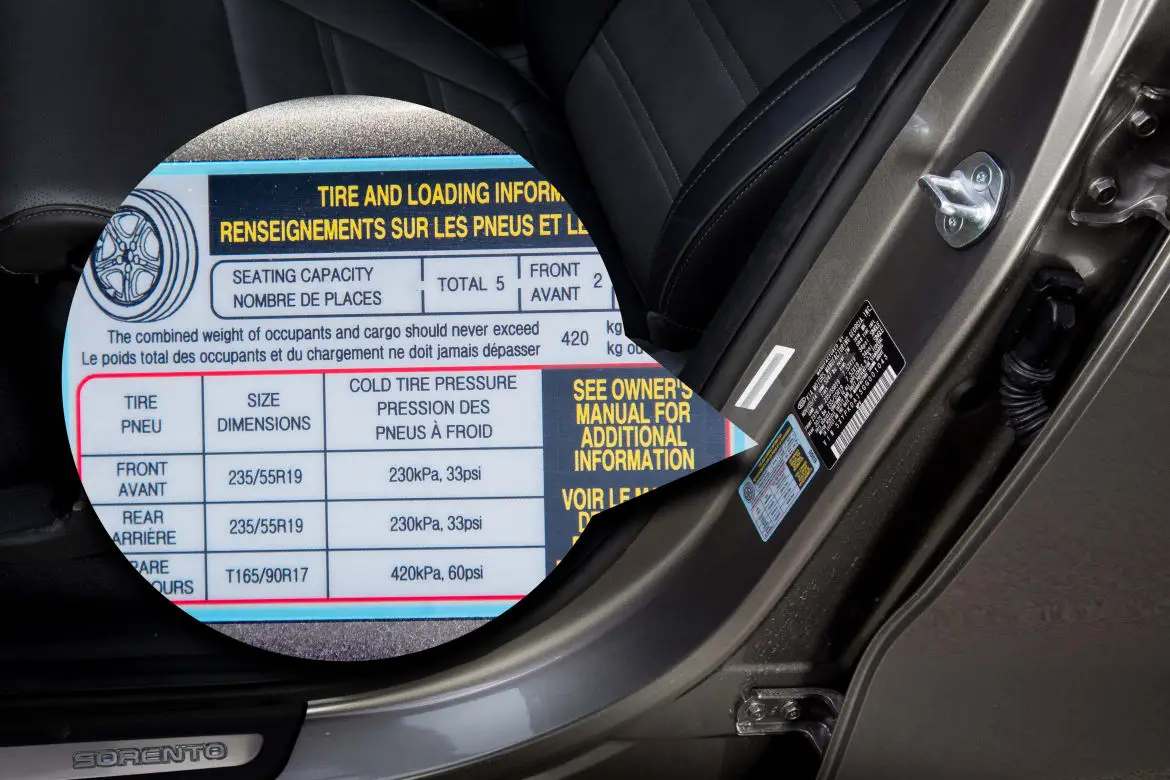
Different vehicles require different tire pressures. The pressure needed for a compact car won’t be the same for a heavy-duty truck. Manufacturers often provide specific recommendations based on the vehicle’s design and purpose. Check your owner’s manual or the placard inside the driver’s door for guidance. Think about how your vehicle’s weight and size can impact tire pressure needs. What would happen if you applied a sports car’s tire pressure to an SUV?Weather Conditions
Weather can dramatically affect tire pressure. Cold temperatures can cause the air inside tires to contract, leading to lower pressure. Conversely, heat can make it expand, increasing pressure. Regularly check your tire pressure during extreme weather changes. A drop in winter temperatures might mean your tires need a little more air to perform effectively. Have you ever noticed your tires looking a bit deflated after a cold night? That’s the weather at work!Load And Weight Distribution
The load your vehicle carries can alter the ideal tire pressure. Heavier loads require higher pressure to support the weight adequately. Consider how weight distribution affects tire pressure. Are you often carrying heavy items in your trunk or back seat? This can shift the pressure needs of rear tires compared to the front ones. Keeping a close eye on tire pressure when your car is heavily loaded could prevent uneven wear and potential blowouts. Have you ever had to adjust your tire pressure after a big shopping spree or road trip with a packed car? These factors are essential in determining the right tire pressure for your vehicle. Regular checks and adjustments based on these considerations can ensure your car runs smoothly and safely. So, what’s your tire pressure today, and have you considered these factors lately?How To Determine Your Car’s Tire Pressure
Check your car’s manual for the ideal tire pressure. Find the recommended PSI for each tire. Use a tire gauge to measure the pressure and ensure it matches the manual’s specifications. Adjust the air in your tires accordingly for a safe and smooth ride.
Determining your car’s tire pressure is vital for safety and efficiency. Proper tire pressure ensures a smooth ride and better fuel economy. It also helps prevent accidents due to tire failure. Let’s explore how to check and maintain your car’s tire pressure.Manufacturer Recommendations
Refer to your car’s manual for tire pressure guidelines. Check the sticker inside the driver’s door for details. These recommendations ensure optimal performance and safety. Follow them closely to avoid issues.Using A Tire Pressure Gauge
Use a tire pressure gauge for accurate readings. Digital gauges are easy to use and precise. Insert the gauge into the tire valve. Record the reading displayed on the gauge. Compare it to the recommended pressure.Monitoring Tire Pressure Regularly
Regular checks keep your tires in good condition. Inspect monthly or before long drives. Look for changes in tire pressure. Adjust as needed for safety and efficiency. This habit protects your tires and enhances performance.
Credit: philippinetires.com
Consequences Of Incorrect Tire Pressure
Incorrect tire pressure can lead to uneven tire wear and reduced fuel efficiency. Maintaining the ideal tire pressure ensures better handling and safety. Always check your car’s manual to find the recommended tire pressure.
Incorrect tire pressure is more than just a minor inconvenience—it can have significant consequences for your vehicle’s performance and your safety on the road. Maintaining the ideal tire pressure is crucial not only for optimal fuel efficiency but also to ensure the longevity of your tires. Let’s dive into the potential risks and hazards associated with incorrect tire pressure, and why it’s important to check this regularly.Overinflation Risks
Overinflation can lead to a host of issues for your vehicle. When tires are filled with too much air, they become more rigid and less able to absorb road impacts. This results in a harsher ride and increases the risk of tire blowouts, especially on rough or uneven surfaces. Imagine driving on a bumpy road and feeling every jolt. That’s what overinflated tires do—they reduce the contact area between the tire and the road, compromising your vehicle’s handling and stability. You might find your car skidding more easily, particularly in wet conditions.Underinflation Hazards
Underinflated tires can be equally dangerous. They tend to flex more, causing excessive heat build-up which can lead to tire failure. A tire that is underinflated by just a few PSI can increase your stopping distance, putting you and your passengers at greater risk. Have you ever noticed your vehicle pulling slightly to one side? This could be a sign of underinflation, which can cause uneven tire wear. The extra rolling resistance also means your engine has to work harder, decreasing fuel efficiency and costing you more at the pump.Irregular Tire Wear
Irregular tire wear is a common consequence of incorrect tire pressure, whether it’s too high or too low. This uneven wear can shorten the lifespan of your tires, leading to more frequent replacements and unexpected expenses. Check your tires regularly for signs of wear. Are the edges of your tires more worn than the center? This often indicates underinflation. Conversely, if the center tread is more worn than the edges, you could be dealing with overinflation. Have you ever wondered how a small adjustment in tire pressure could impact your wallet and safety? Regularly checking and maintaining the correct tire pressure can save you money, improve your car’s performance, and most importantly, keep you safe on the road. So, when was the last time you checked your tire pressure?Tips For Maintaining Optimal Tire Pressure
Maintaining the ideal tire pressure keeps your car safe and efficient. Proper tire pressure improves fuel economy and extends tire life. It also enhances your car’s handling and braking. Keeping tires properly inflated is simple with a few easy steps.
Routine Checks
Check tire pressure at least once a month. Use a reliable pressure gauge. Do this when tires are cold for accurate readings. Underinflated tires can wear quickly. Overinflated tires may burst. Keep a tire pressure gauge in your glove box for easy access.
Seasonal Adjustments
Temperature changes affect tire pressure. Cold weather decreases pressure. Warm weather increases pressure. Check tires with the change of seasons. Adjust pressure according to the manufacturer’s recommendations. This ensures optimal performance year-round.
Professional Inspections
Visit a mechanic for regular tire checks. They can spot issues you might miss. Professionals ensure your tires are safe and properly inflated. Schedule inspections during routine maintenance. This keeps your tires in top condition.
Credit: www.cars.com
Frequently Asked Questions
Should My Tires Be 32 Or 35 Psi?
Check your vehicle’s manual or driver’s side door placard for the recommended tire pressure. Most cars suggest 32-35 psi for optimal performance and safety. Tire pressure impacts fuel efficiency, handling, and tire lifespan. Regularly inspect and maintain your tire pressure to ensure a smooth and safe drive.
How Do I Know The Correct Tire Pressure For My Car?
Check the tire pressure recommendations on a sticker inside the driver’s door or in the owner’s manual.
What Tire Psi Is Too High?
Overinflating tires beyond the manufacturer’s recommended PSI can lead to uneven wear and decreased traction. Usually, exceeding 40-50 PSI is considered too high for passenger vehicles. Always check your vehicle’s manual for the correct tire pressure to ensure safety and optimal performance.
Is It Okay For Tire Pressure To Be On 40?
Check your vehicle’s manual for the recommended tire pressure. Some cars can safely use 40 PSI, but it’s essential to verify. Proper tire pressure ensures safety and optimal performance.
Conclusion
Checking your tire pressure is vital for safety and performance. Proper tire inflation helps your car handle better on the road. It also increases fuel efficiency, saving you money. Most cars have a recommended tire pressure listed in the owner’s manual.
Check this regularly, especially before long trips. Under-inflated tires can wear out faster and may lead to accidents. Over-inflated tires can be just as risky. Regular maintenance keeps you safe and extends tire life. Always use a reliable pressure gauge.
Keep your tires in top condition for a smooth, safe drive.