

Imagine you’re cruising down the road, enjoying your drive, when suddenly a warning light flashes on your dashboard: “Low Oil Pressure.” Your heart skips a beat.
What does this mean for your car and, more importantly, for you? Low oil pressure is not just a technical issue; it can affect your vehicle’s performance and longevity. It’s crucial to understand what’s happening under the hood. This warning is more than just a nuisance—it’s your car’s way of communicating that something needs attention.
Dive into this article to uncover what low oil pressure means, why it matters, and how you can prevent potential damage to your car. By the end, you’ll be equipped to handle this situation confidently and keep your car running smoothly.
Causes Of Low Oil Pressure
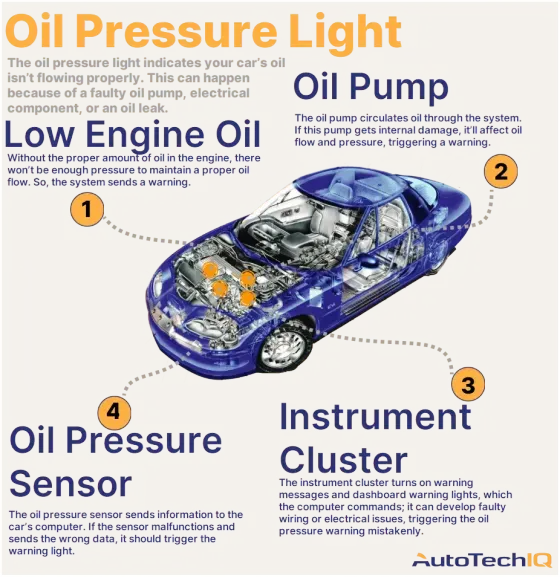
Low oil pressure in a car can signal engine wear, oil leaks, or a faulty oil pump. It means the engine isn’t getting enough lubrication, which can cause severe damage if not addressed quickly. Regular maintenance and checks can prevent these issues.
Low oil pressure in a car can signal critical engine issues. Understanding its causes helps prevent damage and costly repairs. Let’s explore the common reasons behind low oil pressure.Insufficient Oil Level
An insufficient oil level is a common cause of low pressure. The engine requires enough oil for lubrication. Without it, parts grind and heat up. Check the oil dipstick regularly. Refill as needed to maintain proper levels. Low oil can lead to severe engine damage.Worn-out Oil Pump
The oil pump circulates oil through the engine. If worn out, it fails to maintain pressure. This reduces lubrication, increasing wear on engine parts. Listen for unusual noises from the engine. Replace the oil pump promptly to avoid serious issues.Oil Filter Blockage
Oil filters trap dirt and debris. A blocked filter restricts oil flow. This decreases pressure and affects engine performance. Regularly change the oil filter. It ensures smooth oil circulation and proper pressure. A clean filter protects engine components.Engine Wear And Tear
Engines wear over time. This increases gaps between parts, affecting oil flow. These gaps reduce pressure and efficiency. Routine maintenance helps detect wear early. Repair or replace worn components to maintain healthy pressure levels. Regular check-ups extend engine life.
Credit: www.autonationmobileservice.com
Symptoms Of Low Oil Pressure
Low oil pressure in a car can cause a warning light on the dashboard. Drivers may notice engine noise or knocking sounds, as the engine lacks proper lubrication. This issue requires immediate attention to prevent serious engine damage.
Low oil pressure in a car can lead to serious engine problems. Understanding the symptoms can help prevent costly repairs. These symptoms often serve as early warning signs, alerting you to potential issues with your vehicle’s oil system.Warning Light Indicators
The oil pressure warning light is one of the first signs. When oil pressure drops, this light usually appears on the dashboard. It indicates a problem in the oil system. Ignoring this light can result in severe engine damage.Unusual Engine Noises
Low oil pressure can cause strange noises from the engine. You might hear knocking or ticking sounds. These noises occur due to inadequate lubrication. Oil helps in smoothing the movement of engine parts. Without proper lubrication, friction increases, leading to noise.Reduced Engine Performance
A drop in oil pressure can affect engine performance. You may notice a decrease in power or sluggish acceleration. The engine might struggle to maintain speed. This happens because oil helps in reducing wear and friction. Without it, the engine works harder.Overheating Issues
Oil also plays a role in cooling the engine. Low oil pressure can lead to overheating. This can cause the engine to overheat quickly. An overheated engine risks severe damage. Keeping an eye on the temperature gauge can help detect this issue early.Impact On Vehicle Performance
Low oil pressure can harm a car’s engine, leading to poor performance. It may cause increased friction and overheating, resulting in potential engine damage. Regularly checking oil levels helps maintain optimal vehicle performance.
Low oil pressure in a car can have serious implications for vehicle performance. It’s not just a warning light on your dashboard; it signals potential troubles that can affect the smooth functioning of your vehicle. Understanding these impacts can help you take timely action and avoid costly repairs.Potential Engine Damage
Low oil pressure can lead to inadequate lubrication, which is essential for the engine’s moving parts. Without sufficient lubrication, these parts can grind against each other, causing premature wear and tear. If left unchecked, this can result in severe engine damage or even complete engine failure.Decreased Fuel Efficiency
When your car’s engine is not operating optimally due to low oil pressure, it can lead to decreased fuel efficiency. The engine has to work harder, consuming more fuel to maintain the same performance levels. This means you’ll be stopping at the gas station more often, increasing your running costs.Increased Emissions
A poorly lubricated engine can also lead to increased emissions. The burning of extra fuel and the inefficient functioning of the engine can cause higher levels of pollutants to be released into the atmosphere. This not only affects your wallet but also has a negative impact on the environment. Regular maintenance and timely oil checks can prevent these issues. Have you ever noticed a drop in your car’s performance and wondered if it could be linked to oil pressure? Keeping an eye on this small but crucial detail can make a big difference in your driving experience.Steps To Diagnose Low Oil Pressure
Low oil pressure in a car can signal engine trouble. Check the oil level first, then inspect for leaks or worn components. Consider a faulty oil pump or clogged filter if issues persist.
Diagnosing low oil pressure in a car is essential. It helps prevent engine damage. Understanding the steps can save time and money. Here are some crucial steps to diagnose low oil pressure.Checking Oil Levels
First, check the oil levels. Use the dipstick to get an accurate reading. Make sure the car is on a level surface. Let the engine cool down before checking. Low oil levels can cause low pressure. Top up if necessary. Be careful not to overfill.Inspecting Oil Pump
The oil pump plays a vital role. It circulates oil through the engine. A faulty pump can lead to low pressure. Listen for unusual noises from the pump. Check for leaks around it. Inspect the oil pump for wear or damage. Consider a professional inspection if unsure.Analyzing Oil Quality
Oil quality affects pressure. Bad oil can lead to issues. Check the oil’s color and texture. Dark, gritty oil might need changing. Use the recommended oil type for your car. Fresh oil maintains proper pressure.Assessing Engine Condition
The engine’s condition impacts oil pressure. Inspect for worn engine parts. Look for signs of wear on bearings and seals. These can affect pressure negatively. Listen for strange engine noises. Regular maintenance helps keep the engine in good shape.Preventive Measures
Low oil pressure in a car can signal serious engine problems. Preventive measures are crucial to avoid costly repairs. Regular maintenance keeps your engine running smoothly. Let’s explore some key strategies to maintain optimal oil pressure.
Regular Oil Changes
Regular oil changes are vital for engine health. Fresh oil ensures smooth engine parts movement. Old oil can become thick and lose efficiency. Schedule oil changes based on your car’s manual. This simple task can prevent low oil pressure issues.
Using High-quality Oil
High-quality oil improves engine performance. It reduces friction and wear. Always use oil recommended by your car’s manufacturer. Quality oil maintains proper viscosity, ensuring stable pressure. It also helps in keeping the engine clean.
Routine Engine Maintenance
Routine engine maintenance is essential. Check for leaks and worn-out parts regularly. A well-maintained engine maintains proper oil pressure. This includes checking seals, gaskets, and hoses. Regular inspections can catch small issues early.
Monitoring Oil Pressure Gauge
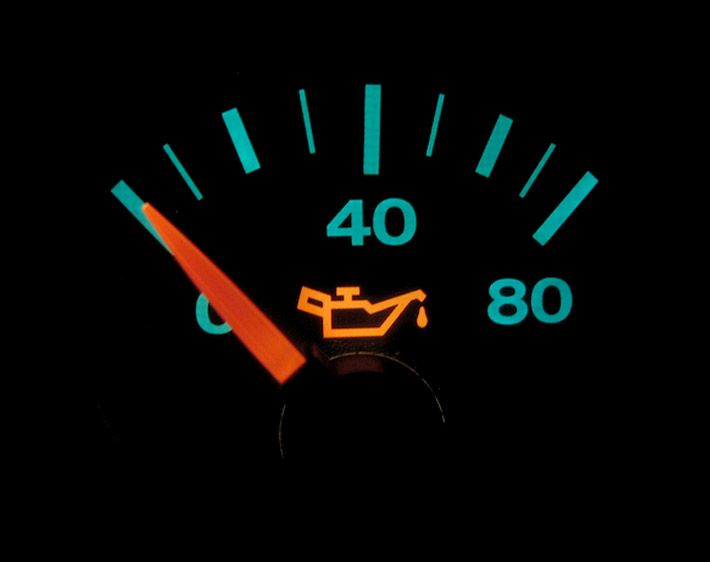
Monitoring the oil pressure gauge can prevent major problems. The gauge shows real-time pressure levels. If the needle drops suddenly, it signals trouble. Pay attention to the gauge while driving. Early detection can save your engine from damage.
Credit: www.firestonecompleteautocare.com
Common Misconceptions
It’s easy to panic when the low oil pressure warning light appears on your car’s dashboard. Many drivers often misunderstand what this signal means, leading to misconceptions that can result in costly repairs or unnecessary stress. To help you navigate these waters, let’s clarify some common misunderstandings regarding oil pressure and what it truly means for your vehicle.
Understanding Oil Pressure Vs. Oil Level
A frequent misconception is confusing oil pressure with oil level. While they are related, they are not the same thing. Oil pressure refers to the force at which oil circulates through your engine, ensuring it is properly lubricated. On the other hand, oil level is simply the amount of oil present in your engine. You can have full oil levels but still experience low oil pressure due to other factors like a faulty oil pump. Always check both to understand the true state of your engine’s health.
Effects Of Different Oil Types
Another misconception revolves around the types of oil used. Some drivers believe that using a thicker oil automatically boosts oil pressure. While thicker oil can increase pressure initially, it may not necessarily be the best choice for your engine. Using oil that doesn’t match your car’s specifications can lead to poor lubrication and eventual damage. It’s crucial to use the oil type recommended by your vehicle’s manufacturer for optimal performance.
Myths About Oil Additives
Oil additives often come up in discussions about enhancing oil pressure. Many believe these products can magically fix low oil pressure problems. While additives can improve certain aspects of oil performance, they are not a cure-all solution. Some additives might even cause more harm than good if used improperly. Before using any additive, research its effects and consult your mechanic to ensure it’s suitable for your car’s needs. Always prioritize genuine solutions over quick fixes.
Have you ever found yourself believing any of these misconceptions? Next time you’re faced with a low oil pressure warning, remember these insights and take a moment to assess the situation calmly. Understanding your car’s needs can save you time, money, and headaches in the long run.
Credit: www.autotechiq.com
Frequently Asked Questions
How Do You Fix Low Oil Pressure In A Car?
Fix low oil pressure by checking the oil level and topping it up if needed. Inspect for leaks and repair any damaged seals or gaskets. Replace the oil filter regularly. Use the correct oil type recommended by the manufacturer. Consider engine inspection if the problem persists.
Can You Drive A Car With Low Oil Pressure?
Driving with low oil pressure is dangerous. It can cause engine damage. Stop and check oil levels immediately. Always maintain proper oil levels to ensure engine safety.
How Much Is It To Fix Oil Pressure?
Fixing oil pressure can cost between $100 to $500. Prices vary based on vehicle model and repair complexity. Regular maintenance helps prevent issues. Always consult a professional mechanic for accurate diagnosis and repair.
How Do I Raise My Oil Pressure?
Check the oil level and top up if needed. Use high-quality, thicker oil. Replace a clogged oil filter. Inspect for leaks in the system. Ensure the oil pump is functioning well. Regular maintenance and inspections help maintain optimal oil pressure.
Conclusion
Low oil pressure signals possible engine trouble. It’s crucial to address it quickly. Ignoring it can lead to serious engine damage. Regular maintenance helps prevent oil pressure issues. Check oil levels frequently. Listen for unusual noises from the engine. These could be warning signs.
If oil pressure drops, consult a mechanic. They can pinpoint the problem. Ensure your car runs smoothly and safely. Keeping an eye on oil pressure protects your vehicle. Peace of mind comes with a well-maintained engine. Your car will thank you.
Stay alert. Stay safe.