
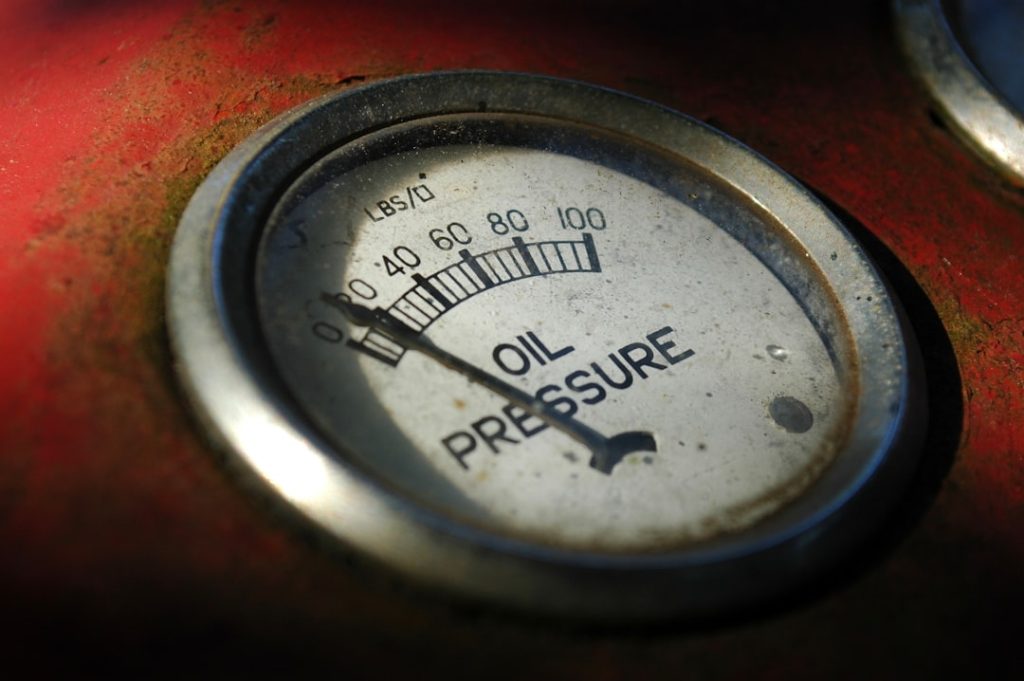
Imagine you’re cruising down the highway, enjoying the ride, and suddenly, a warning light pops up on your dashboard: low oil pressure. What does this mean for your car, and more importantly, for you?
Ignoring it could lead to costly repairs or even engine failure, but understanding it can save you time, money, and stress. This article will unravel the mystery behind low oil pressure, helping you comprehend what it means for your vehicle’s health.
You’ll discover why it’s crucial to address this issue promptly and learn steps to take to ensure your car runs smoothly. Dive in to find out how to keep your car in top shape and avoid unnecessary headaches down the road.
Credit: www.utires.com
Causes Of Low Oil Pressure
Low oil pressure in your car may indicate a problem with the oil pump. It could also mean there’s a leak or clog in the oil passage. Regular checks and maintenance can help prevent these issues.
Low oil pressure in your car can be a source of concern, hinting at potential problems that might compromise your engine’s health. Understanding the causes of low oil pressure is crucial for maintaining your vehicle’s performance and avoiding costly repairs. Let’s dive into the common reasons behind this issue.Insufficient Oil Level
When the oil level in your engine is too low, it cannot maintain adequate pressure. This is often due to oil leaks, which might not always be noticeable. Regularly check your oil level and top it off if necessary. A simple maintenance routine can prevent a lot of headaches down the road.Oil Pump Malfunction
The oil pump is responsible for circulating oil throughout the engine. If it malfunctions, the oil pressure can drop significantly. This can result from wear and tear or debris blocking the pump. Have you ever noticed strange noises from your engine? It might be your oil pump struggling to do its job.Worn Engine Bearings
Engine bearings support moving parts inside your engine. Over time, they can wear out, leading to increased clearance and reduced oil pressure. If you’re experiencing low oil pressure and your car has high mileage, worn bearings could be the culprit. Could this be the time to give your engine some extra attention?Clogged Oil Filter
A clogged oil filter restricts the flow of oil, reducing pressure. This can happen if the filter isn’t changed regularly or if contaminants build up faster than expected. Routine oil and filter changes are key to avoiding this problem. Are you keeping track of your oil change schedule?Oil Viscosity Issues
Using the wrong oil viscosity can lead to low oil pressure. Oil that’s too thin won’t maintain pressure, especially in hot conditions. Conversely, oil that’s too thick may cause pressure issues in cold weather. Check your owner’s manual to ensure you’re using the correct oil for your climate. Have you ever considered how your choice of oil affects engine performance? Understanding these causes empowers you to take proactive steps in maintaining your car’s health. Regular checks and timely maintenance can keep your oil pressure stable and your engine running smoothly.Symptoms Of Low Oil Pressure
Low oil pressure in your car can lead to engine damage. Common symptoms include the oil warning light illuminating, engine noise, and reduced engine performance. Regular checks and maintenance can prevent these issues.
Low oil pressure in your car is a situation no driver wants to face. It can lead to significant engine damage if not addressed promptly. Recognizing the symptoms early can save you from costly repairs and keep your car running smoothly. Let’s dive into the key symptoms that indicate low oil pressure in your vehicle.Warning Light Activation
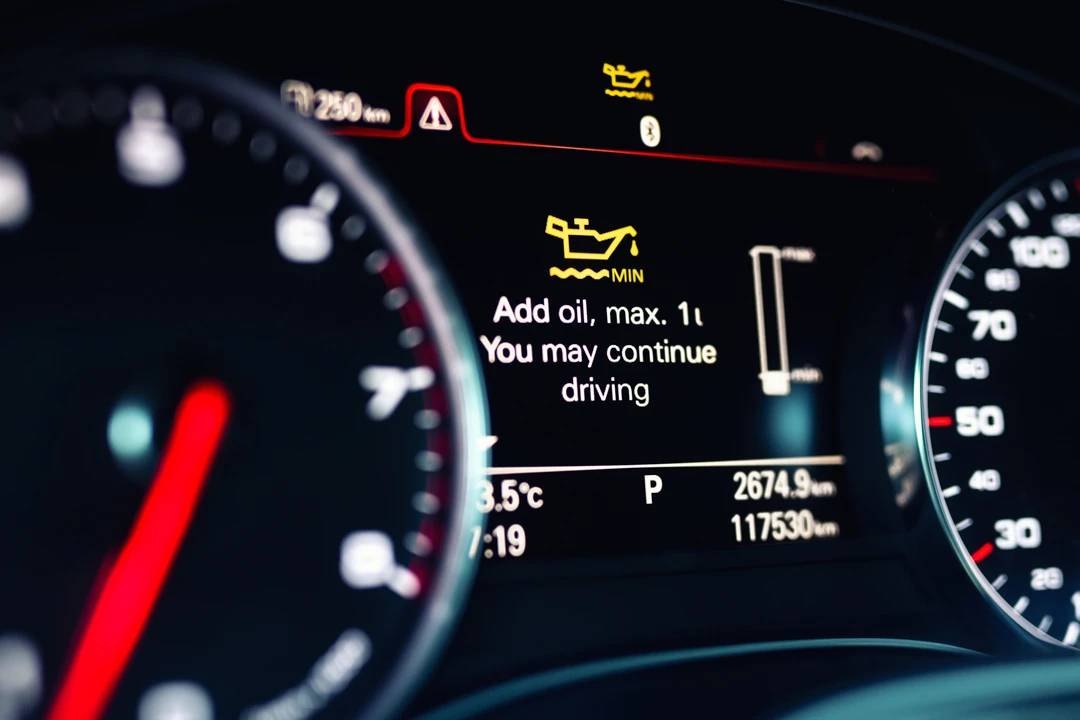
One of the most straightforward signs of low oil pressure is the activation of your car’s oil warning light. This indicator, often resembling an oil can, is designed to alert you when the oil pressure in your engine drops below optimal levels. It’s crucial to respond quickly when this light appears. Ignoring it can lead to severe engine damage. Consider it a call to action to check your oil levels immediately. Have you ever noticed this light blinking while driving? Your engine might be desperately signaling for attention.Engine Noise
Unusual noises coming from your engine can be a telltale sign of low oil pressure. The absence of sufficient oil means that the parts of your engine aren’t lubricated properly. This can result in a loud knocking or ticking sound. These noises are your engine’s way of asking for help. If you hear them, it’s time to investigate your oil pressure. Imagine driving without music, just you and the rhythmic ticking sound from the engine. It’s unsettling, right? Don’t let it become a norm.Reduced Engine Performance
Low oil pressure can directly affect your car’s performance. You might notice a decrease in power or efficiency. The engine may struggle to deliver the same performance it once did. This can be particularly noticeable when accelerating or climbing hills. Have you ever felt your car lagging, almost like it’s dragging itself forward? That could be your engine battling low oil pressure. Don’t let your car’s potential go to waste—address these issues promptly to ensure your vehicle performs at its best.Impacts On Engine Health
Low oil pressure in your car can have serious implications for engine health. It’s not just about a blinking light on your dashboard; it can be the precursor to costly repairs or even a complete engine breakdown. Understanding how low oil pressure impacts engine health is crucial for maintaining your vehicle’s performance and longevity.
Increased Wear And Tear
Low oil pressure means less lubrication for engine components. Think about driving without enough oil as running a marathon with insufficient hydration. The friction between moving parts increases, causing them to wear out faster. You might notice strange noises like knocking or ticking, which are warning signs that your engine is under stress. Frequent oil checks can prevent these issues before they escalate.
Potential Engine Failure
If left unchecked, low oil pressure can lead to engine failure. Imagine being stranded on a lonely road with a smoking hood—an engine failure is not just inconvenient, but dangerous. Your engine relies on oil to keep cool and reduce friction. Without it, the engine can overheat and seize completely. Regular maintenance and timely oil changes can help you avoid this nightmare scenario.
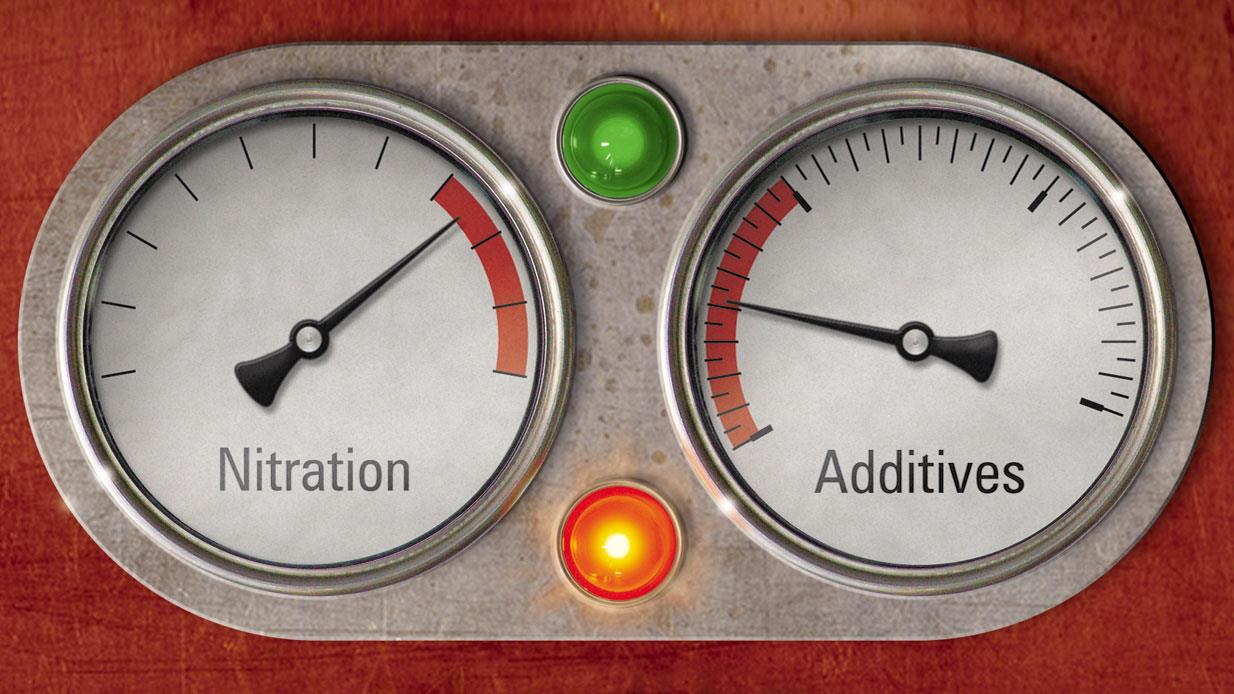
Have you ever skipped an oil change and regretted it? What steps will you take to ensure your engine stays healthy? Keeping an eye on oil pressure could save you from unexpected breakdowns and hefty repair bills.
Credit: www.machinerylubrication.com
Diagnosing Low Oil Pressure
Low oil pressure in your car can indicate serious engine issues, like leaks or a failing oil pump. This condition reduces lubrication, causing engine parts to wear out quickly and possibly leading to engine damage. Regular checks and timely maintenance can help prevent these costly problems.
Diagnosing low oil pressure in your car is crucial for maintaining engine health and performance. Ignoring this issue can lead to severe engine damage, which often results in costly repairs. Understanding the root cause can help you take appropriate action promptly. Let’s break down the steps to diagnose low oil pressure effectively.Checking Oil Level
First, ensure your car is parked on level ground and the engine is off. Use the dipstick to check the oil level. If the oil is below the recommended level, add the appropriate type and grade of oil. Sometimes, simply topping off your oil can resolve the low pressure warning. However, if the problem persists, you need to investigate further.Inspecting The Oil Pump
The oil pump plays a crucial role in circulating oil throughout the engine. A malfunctioning pump can lead to low oil pressure. Listen for unusual noises that might indicate a failing pump. Consider having a professional mechanic check the oil pump pressure using a specialized gauge. This ensures accurate readings and can confirm if the pump needs replacement.Evaluating Engine Components
Engine wear and tear can also lead to low oil pressure. Components like bearings and seals can wear out over time, causing oil leaks and pressure drops. Regular maintenance checks can help identify wear before it becomes a major issue. Are you noticing any oil spots under your car? This could be a sign that engine components need attention. By addressing these potential issues, you can maintain optimal oil pressure and keep your engine running smoothly. Have you ever faced low oil pressure in your car? What steps did you take to resolve it?Preventive Measures
Low oil pressure in a car signals potential engine trouble. Regularly check oil levels and change oil filters to prevent damage. Consult a mechanic promptly for inspection if the oil pressure warning light appears.
Preventive measures can keep your car running smoothly and avoid low oil pressure. Regular maintenance helps maintain engine health. Addressing potential issues early can save time and money. Let’s explore some key actions you can take.Regular Oil Changes
Changing your oil regularly is crucial. It keeps the engine lubricated and clean. Old oil thickens and loses efficiency. Follow the car manufacturer’s guidelines for oil change intervals. Typically, every 3,000 to 5,000 miles is recommended. Fresh oil ensures better engine performance and longevity.Monitoring Oil Levels
Check your car’s oil levels frequently. Use the dipstick under the hood. Low oil levels can harm the engine. Top up if needed to maintain optimal levels. Regular checks prevent sudden drops in oil pressure. Make it a habit to check oil levels monthly.Using Quality Oil
Choose high-quality oil for your car. Quality oil provides better lubrication and protection. It reduces engine wear and keeps parts running smoothly. Look for oil that meets your car’s specifications. Quality oil enhances performance and prevents low pressure issues.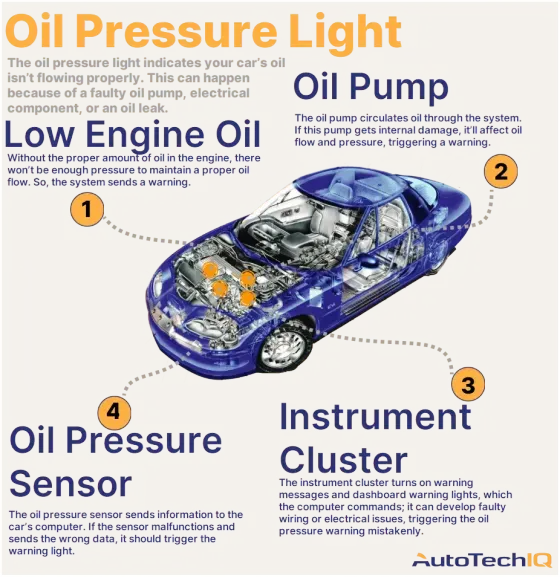
Credit: www.autotechiq.com
When To Seek Professional Help
Low oil pressure is a serious concern for any car owner. It can lead to engine damage if not addressed promptly. Understanding when to seek professional help is crucial for maintaining your vehicle’s health. Ignoring the signs can result in costly repairs or even engine failure. Regular checks and timely intervention can save you a lot of trouble.
Persistent Low Pressure
If your car’s oil pressure warning light stays on, it’s time for help. Low pressure can mean insufficient oil reaching engine parts. This can cause friction and wear. A professional can diagnose the issue accurately. They have the tools and expertise to fix it. Don’t attempt to solve this on your own. Doing so might worsen the problem.
Unusual Engine Sounds
Listen for knocking or ticking noises from the engine. These sounds may signal low oil pressure. It indicates that parts are not lubricated properly. Such noises require immediate attention. A mechanic can identify the root cause. Early detection prevents severe engine damage. Regular maintenance checks can help avoid these issues.
Frequently Asked Questions
How Do You Fix Low Oil Pressure In A Car?
Check oil level and refill if low. Replace the oil filter and use the correct oil grade. Inspect the oil pump and pressure sensor for faults. Address any engine leaks or wear promptly. Regular maintenance helps prevent low oil pressure issues.
Can You Drive A Car With Low Oil Pressure?
Driving with low oil pressure is risky and can damage the engine. Stop driving immediately to prevent severe harm. Always check and maintain oil levels regularly to ensure safe driving conditions. Consult a mechanic if you notice any warning signs, such as the oil pressure light on your dashboard.
What Is The Most Common Cause Of Low Oil Pressure?
The most common cause of low oil pressure is insufficient oil levels. This can result from leaks, burning oil, or infrequent oil changes. Regularly check oil levels and address any leaks promptly to maintain optimal pressure.
How Much Is It To Fix Oil Pressure?
Fixing oil pressure costs $100 to $500, depending on the vehicle and problem severity. Parts and labor influence the price. Regular maintenance helps prevent costly repairs. Always consult a professional mechanic for accurate diagnosis and repair estimates. Proper oil pressure is essential for engine health and performance.
Conclusion
Low oil pressure is a serious concern for car owners. It can lead to engine damage if not addressed promptly. Regular maintenance helps prevent low oil pressure issues. Check your oil level often and refill as needed. Listen for unusual engine noises; they may signal a problem.
Visit a mechanic if you’re unsure about your car’s oil pressure. Protect your engine with timely checks. Your car’s health depends on it. Stay informed and act quickly for the best results. Keep your vehicle running smoothly and safely.