
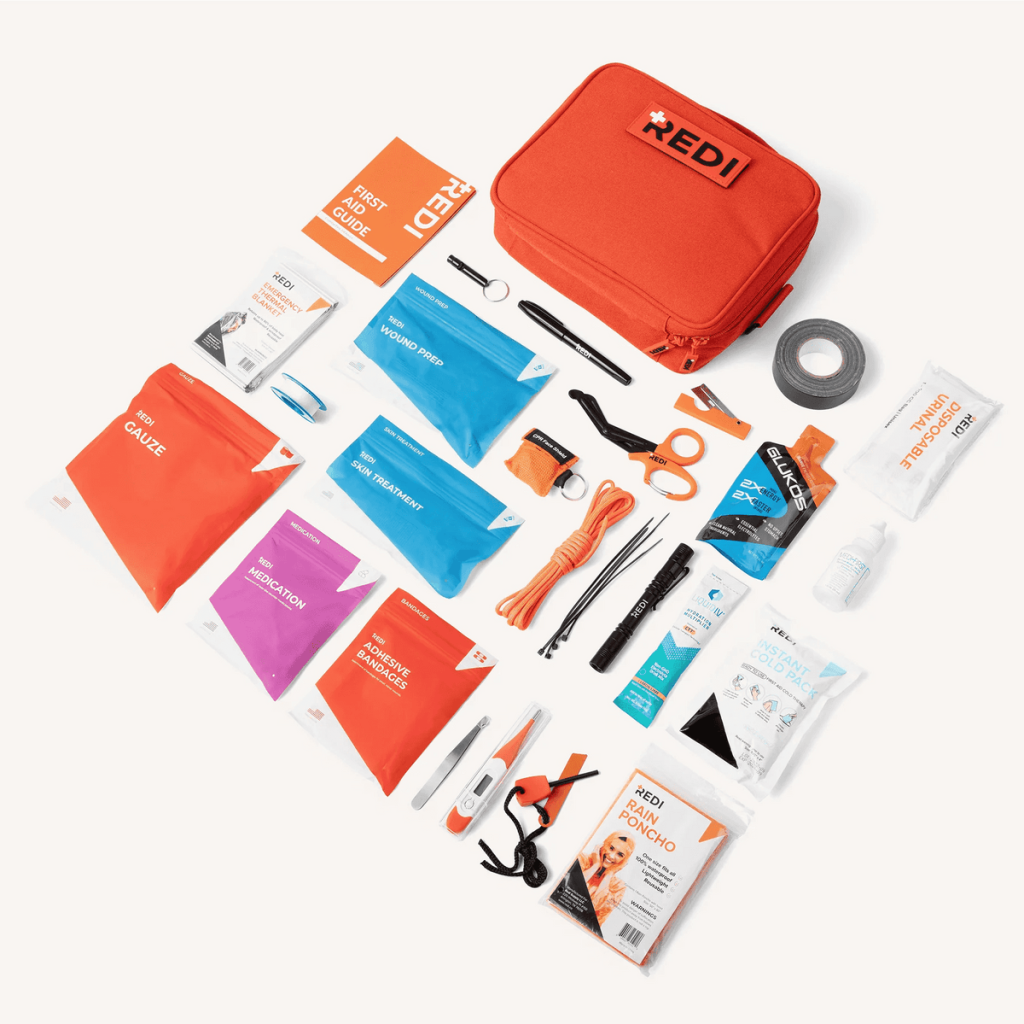
Imagine you’re driving down a scenic road, enjoying the view, when suddenly, a minor accident occurs. Your heart races, and you wish you had something to help you manage the situation until professional help arrives.
That’s where a car first aid kit comes into play. Having one could be the difference between feeling helpless and being prepared. But do you know what a car first aid kit should contain? You might be surprised by the essentials it holds.
We’ll explore the crucial items that ensure your readiness for any minor emergency on the road. Discover how these simple tools can offer peace of mind and potentially save the day. Keep reading to ensure that you and your loved ones are equipped with the right knowledge and supplies for safe travels.
Importance Of A Car First Aid Kit
Every car owner needs a first aid kit. It’s essential for safety on the road. Accidents happen unexpectedly. A car first aid kit helps manage minor injuries. It provides immediate care until professional help arrives. Having one can save lives.
Why Every Car Should Have A First Aid Kit
Emergencies can occur anywhere, anytime. A first aid kit is a lifesaver. It allows quick response to injuries. This can prevent complications. It offers peace of mind knowing you’re prepared. Without it, even small injuries can worsen.
Contents Of A Car First Aid Kit
A car first aid kit contains basic medical supplies. Bandages for cuts. Antiseptic wipes to clean wounds. Pain relievers for headaches. Gauze pads for bleeding control. All these are necessary for minor injuries. Having them handy is crucial.
How A First Aid Kit Can Help
Quick access to supplies makes a difference. It helps treat injuries immediately. Reduces pain and discomfort. Limits infection risks. A well-stocked kit is invaluable in emergencies. It ensures prompt care.
Benefits Of Being Prepared
Being prepared reduces stress. You handle emergencies with ease. It provides a sense of security. Knowing you can care for injuries boosts confidence. It makes travel safer. Preparedness is key to safety.
Basic First Aid Supplies
When you think of a car first aid kit, the first image might be a box filled with medical supplies for emergencies. But do you know the basic items that could make all the difference? These supplies are not just about dealing with major injuries; they can come in handy for everyday situations like cuts, scrapes, or minor burns. Let’s dive into some of the essentials that should be part of your car’s first aid kit.
Adhesive Bandages
Adhesive bandages are the unsung heroes of any first aid kit. They are perfect for protecting small cuts and blisters. Imagine you’re on a road trip and get a paper cut from a map. A simple adhesive bandage keeps it clean and prevents it from getting worse. It’s always comforting to know you have a quick fix right in your glove box.
Sterile Gauze Pads
Sterile gauze pads are crucial for larger wounds that need more attention. They are excellent for stopping bleeding and keeping wounds clean. Picture this: you’re hiking, and someone scrapes their knee on a rock. A sterile gauze pad can cover the wound and provide a barrier against dirt and germs, allowing you to safely continue your adventure.
Antiseptic Wipes
Antiseptic wipes are your go-to for cleaning wounds before applying bandages or gauze. They help prevent infections, which is critical when you’re far from medical help. Imagine your child gets a minor scratch while playing in the park. An antiseptic wipe cleans the area swiftly, reducing the risk of infection and easing your worries.
By keeping these basic supplies in your car, you’re not just prepared for emergencies. You’re ready for life’s little hiccups that can happen anytime, anywhere. So, what’s in your car’s first aid kit? Are you prepared for the unexpected?
Emergency Medical Equipment
Having a well-stocked car first aid kit can be a lifesaver in unexpected situations. While we often think of bandages and antiseptics, emergency medical equipment plays a crucial role in handling more severe incidents. These items are designed to assist you in critical moments, offering support until professional help arrives. Let’s dive into some essential components that should be part of your kit.
Cpr Mask
A CPR mask is an indispensable tool for performing safe and effective cardiopulmonary resuscitation. Imagine you’re driving on a highway and witness someone collapse. A CPR mask can protect you from direct contact while ensuring the person receives crucial breaths. It’s compact and easy to use, making it a vital addition to your kit. Have you ever considered how this simple item could be the bridge between life and death?
Thermal Blanket
A thermal blanket can be your best friend in emergencies, especially when dealing with shock or cold weather conditions. Picture yourself stranded in a chilly area with a passenger showing signs of hypothermia. This lightweight blanket helps maintain body heat, offering comfort and warmth. Do you have one tucked away in your kit? Its presence can turn a potentially dangerous situation into a manageable one.
First Aid Manual
The first aid manual is your guidebook in times of crisis. When faced with unfamiliar medical emergencies, this manual provides step-by-step instructions to help you stay calm and act effectively. It’s like having a mini medical advisor on hand. Have you ever flipped through one during a roadside emergency? The clarity and guidance it offers can be reassuring and empowering.

Credit: www.safetykitsplus.com
Injury Treatment Tools
A car first aid kit typically contains essential items like bandages, antiseptic wipes, and adhesive tape. You might also find scissors, tweezers, and a CPR mask. These tools are crucial for addressing minor injuries on the road.
When you’re out on the road, accidents can happen. Being prepared with a car first aid kit is essential. One crucial part of this kit is the tools for treating injuries. These tools are simple yet effective in addressing minor accidents. They ensure you can handle emergencies with confidence.Tweezers
Tweezers are vital for removing small debris from wounds. They help extract splinters or glass fragments. Their precise tips ensure you can grab even the tiniest objects. Tweezers also aid in cleaning wounds before applying bandages.Scissors
Scissors in a first aid kit are for cutting medical tape or bandages. They offer clean cuts, which prevent fraying edges. This makes securing bandages easier. Scissors also help cut clothing away from injuries. This gives better access to wounds.Safety Pins
Safety pins are useful for securing bandages or slings. They keep dressings in place during movement. These pins are small but sturdy. They ensure bandages stay tight and effective. Safety pins also help in fastening splints securely.Pain Relief And Medications
A car first aid kit often contains essential pain relief medications, bandages, and antiseptic wipes. Also included are adhesive tape, gauze pads, and scissors for quick response to injuries.
Pain relief and medications form a crucial part of any car first aid kit. They provide immediate relief from discomfort during emergencies. Understanding what each medication does can aid in quick decision-making.Aspirin Or Ibuprofen
Aspirin or ibuprofen helps with pain and inflammation. These are essential for headaches, muscle pain, or minor injuries. They also reduce fever. Always check for allergies before use.Antihistamine Tablets
Antihistamines combat allergic reactions. They alleviate symptoms like itching, swelling, and rashes. Keep these handy for unexpected allergies from insect bites or pollen.Burn Relief Ointment
Burn relief ointment soothes minor burns. It reduces pain and speeds up healing. Apply gently to the affected area. Always clean the burn first to prevent infection.
Credit: www.amazon.com
Additional Safety Items
A car first aid kit typically contains essential items for minor injuries. Bandages, antiseptic wipes, and gauze pads are common inclusions. Also, adhesive tape, scissors, and tweezers are often found in these kits.
In addition to the basic supplies, a well-stocked car first aid kit should include additional safety items. These items are not just for emergencies but can also be lifesavers during unexpected situations. Imagine being stranded on a dark road or needing to alert passersby of your presence; these tools can make all the difference.Flashlight
A flashlight is an essential part of your car’s safety arsenal. Picture yourself in the dark with a flat tire—having a flashlight can help you see clearly and work efficiently. Opt for a durable, waterproof flashlight with long battery life and store extra batteries alongside it.Whistle
A whistle can be a simple yet powerful tool in emergencies. If you’re ever in a situation where you need to attract attention, a whistle can be heard over long distances. It’s lightweight and takes up minimal space in your kit, making it a must-have.Reflective Warning Triangle
The reflective warning triangle is crucial for roadside safety. It alerts other drivers to your vehicle’s presence and helps prevent accidents. Place it at a safe distance behind your car to give approaching vehicles ample warning in case of a breakdown or emergency stop. By equipping your car first aid kit with these additional safety items, you’re not just preparing for medical emergencies but also ensuring a safer journey. Have you ever thought about what you might need in an unexpected situation?Regular Maintenance And Updates
A car first aid kit typically includes bandages, antiseptic wipes, and adhesive tape. Essential items like gauze pads and scissors are also present. Regular maintenance ensures all supplies are intact and usable.
Regular maintenance and updates of a car first aid kit are crucial. Over time, items might expire or become ineffective. Keeping the kit current ensures safety and preparedness. Inspecting the kit regularly can prevent surprises during emergencies. It’s also vital to replenish used items promptly.Check Expiration Dates
Items like bandages and ointments can expire. Regularly checking these dates is essential. Replace expired items to ensure effectiveness. Fresh supplies guarantee optimal care.Replenish Used Supplies
After using items, restock immediately. A well-stocked kit is always ready for action. Keep track of what gets used frequently. This helps in maintaining a complete kit.Update Contact Information
Contact information can change. Ensure phone numbers are current. In emergencies, correct numbers are vital. Update this information regularly.Inspect Kit Condition
The kit itself needs attention. Check for any damage. A broken container can lead to lost items. Ensure the kit is sturdy and intact.Consider Seasonal Adjustments
Seasons affect the items you need. In winter, add thermal blankets. In summer, sunscreen might be necessary. Adjust the kit according to seasonal changes.Review Contents
Review the contents for relevance. Some items may no longer be necessary. Remove outdated supplies. Add new items as needed.
Credit: www.amazon.com
Frequently Asked Questions
What Should Be In A First Aid Kit In A Car?
A car’s first aid kit should include band-aids, gauze, antiseptic wipes, adhesive tape, scissors, tweezers, gloves, pain relievers, and a first aid manual. Keep it organized and accessible for emergencies.
What Should Be In A Cat First Aid Kit?
A cat first aid kit should include gauze, antiseptic wipes, tweezers, scissors, adhesive tape, sterile gloves, and a digital thermometer. Add a pet-safe antiseptic and emergency contact information for your veterinarian. Always check expiration dates regularly to ensure your supplies are fresh and ready for use.
What Does A Car Emergency Kit Include?
A car emergency kit typically includes a first aid kit, flashlight, jumper cables, tire repair tools, and reflective triangles. It may also have a blanket, multi-tool, bottled water, non-perishable snacks, and a phone charger. Always tailor the kit to your specific needs and climate conditions.
Which Is Not Required To Be Included In A Vehicle First Aid Kit?
A vehicle first aid kit doesn’t require a defibrillator. Kits usually contain bandages, antiseptic wipes, and gauze pads for minor injuries.
Conclusion
A car first aid kit holds crucial items for emergencies. Bandages, antiseptic wipes, and gloves are essentials. Scissors and tweezers help handle minor injuries. Include a CPR mask and an emergency blanket. Pain relievers and burn cream add extra care.
Reflective triangles and a flashlight ensure safety on the road. A well-stocked kit can make a difference. Being prepared boosts confidence during unexpected situations. Always check your kit regularly. Replace expired items to keep it ready. A small step towards safety.
Peace of mind while driving. Keep it within reach in your vehicle.