
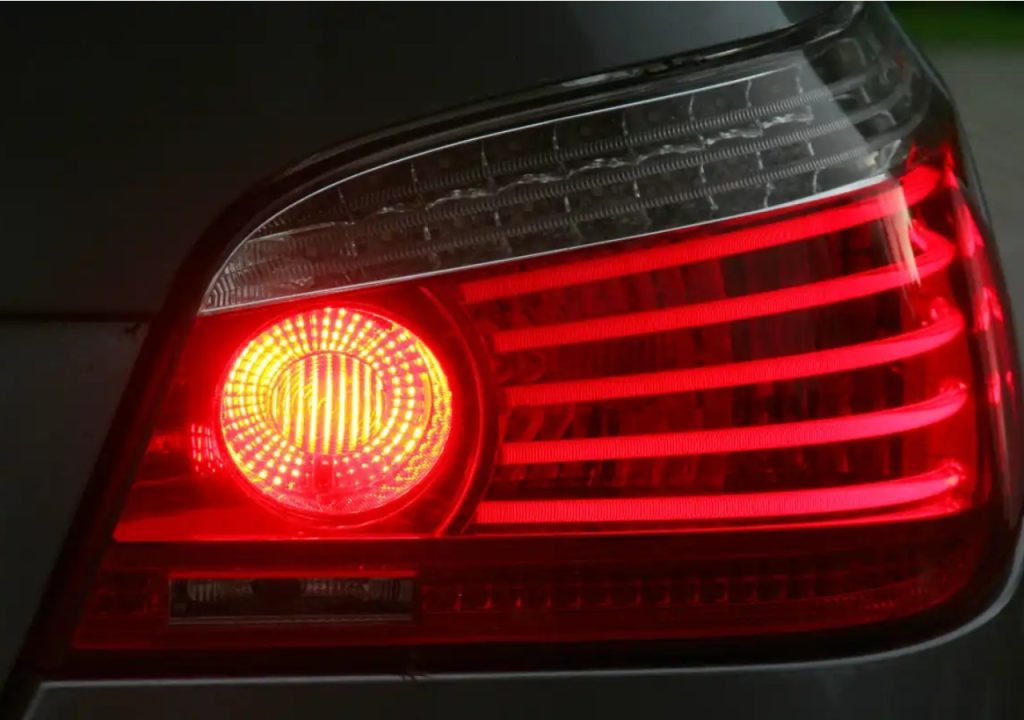
Imagine you’re cruising down the road, enjoying the drive, when suddenly you notice something odd: your car’s brake lights won’t turn off. It’s a common issue that can catch anyone off guard.
You may start wondering if it’s a quick fix or something more serious. This problem can be more than just an annoyance; it can be a safety hazard. You need answers and solutions, and fast. Understanding why your car brake lights are staying on can save you from unnecessary stress and potential mishaps.
Whether it’s a faulty brake light switch, a blown fuse, or some other underlying issue, knowing what to look for will empower you to take action. We’ll explore the common causes and guide you on how to address this issue effectively. Stick around to discover the simple steps to ensure your car is safe and reliable on the road.
Common Causes
Have you ever found yourself puzzled by your car brake lights staying on even when you’re not pressing the pedal? This common issue can be both frustrating and a potential safety hazard. Understanding the reasons behind it can help you address the problem more effectively. Let’s explore some common causes that could be keeping those lights on.
Faulty Brake Light Switch
A faulty brake light switch is a frequent culprit behind brake lights that won’t turn off. This switch is located near the brake pedal and is responsible for activating the brake lights when you press the pedal. When it malfunctions, the lights may remain illuminated because the switch fails to disengage properly. You might notice this when you park your car, and the lights are still on. Replacing this switch can often resolve the issue quickly.
Damaged Wiring
Another potential cause is damaged wiring. Wires that connect your brake lights may become frayed or broken due to wear and tear, leading to electrical shorts. These shorts can cause the lights to stay on continuously. If you’ve ever experienced flickering lights while driving, it might be a sign of faulty wiring. Checking the wiring for any visible damage can be an effective first step in diagnosing the problem.
Malfunctioning Brake Pedal
Sometimes, the brake pedal itself can be at fault. If the pedal doesn’t return to its original position after being pressed, it might keep the brake light switch engaged. This malfunction might be due to wear and tear or debris that obstructs the pedal’s movement. A simple inspection can reveal if the pedal is sticking, and addressing this can prevent the lights from staying on. Have you ever had to jiggle your pedal to turn off the lights?
These common causes are worth considering when you face persistent brake light issues. By addressing each potential cause, you can ensure your brake lights function correctly, enhancing your car’s safety and reliability.

Credit: urbsgarage.com
Electrical Issues
Electrical issues often cause car brake lights to stay on. These problems can lead to safety concerns. Understanding these issues helps in diagnosing and fixing them efficiently. Let’s explore some common electrical problems that can affect brake lights.
Blown Fuses
Blown fuses are a frequent culprit in brake light malfunctions. Fuses protect the electrical circuits in your car. If a fuse blows, the brake lights may stay on or fail to work. Checking the fuse box can reveal if a fuse is burnt out. Replacing a blown fuse is a simple fix. Always use the correct fuse type for your vehicle model.
Corroded Connections
Corroded connections can disrupt the brake light circuit. Moisture and dirt can build up on connectors. This causes poor conductivity. Inspect the connectors for signs of rust or dirt. Cleaning them might solve the issue. Use a wire brush to remove corrosion. Apply dielectric grease to prevent future corrosion.
Faulty Sensors
Faulty sensors can also cause brake lights to stay on. The brake light switch sensor detects pedal movement. If it malfunctions, it may signal the lights to stay on. Check the sensor near the brake pedal. Ensure it is aligned and functioning. Replacing a faulty sensor might be necessary to resolve the issue.
Mechanical Problems
Mechanical problems can often be the sneaky culprits behind persistent car brake lights. It’s not just about electrical hiccups; sometimes, the very parts you rely on for stopping can cause the lights to stay on. Let’s dive into some common mechanical issues that may be at play.
Sticking Brake Pedal
Imagine pressing your brake pedal and feeling it resist coming back up. This is a classic sign of a sticking brake pedal. When the pedal doesn’t return to its original position, it can keep the brake lights illuminated. This might happen due to dirt accumulation or wear and tear. It’s like a stubborn door that won’t close properly because of grime in the hinges.
If you’ve ever driven in dusty conditions or parked under trees, you might have noticed debris around your car’s pedals. Cleaning and lubricating the pedal mechanism could solve the issue. But what if you’re on a road trip and suddenly your brake lights stay on? A handy trick is to gently lift the pedal with your foot to see if the lights go off. This temporary fix can save you from unwanted battery drainage until you get home.
Misaligned Components
Misaligned components are another common cause. If the brake light switch is not correctly aligned with the pedal mechanism, it can result in the lights staying on. It’s like wearing mismatched shoes—they just don’t function as intended.
A misalignment might occur after brake repairs or adjustments. Have you ever had brake work done and then noticed something was off? It’s crucial to ensure everything aligns properly during installation. You might need a mechanic to adjust the switch or realign components if you’re not comfortable doing it yourself. Think of it as setting the right tune for an orchestra; every part must be in harmony for the system to work smoothly.
Have you encountered persistent brake lights and wondered about their cause? Addressing mechanical issues can prevent unnecessary wear on your car and keep you safe on the road. Regular checks can be your best ally against these unexpected surprises. What’s your strategy for tackling car troubles? Share your thoughts below!
Diy Troubleshooting Tips
If you’ve ever noticed your car brake lights stubbornly staying on, it can be both annoying and concerning. Fortunately, there are several DIY troubleshooting tips you can try before heading to the mechanic. These practical steps can help you pinpoint the problem and possibly save you time and money. By tackling the issue yourself, you might discover some unexpected causes and solutions, and gain a bit more confidence in handling car-related problems.
Inspecting The Brake Light Switch
The brake light switch is often the culprit behind persistent brake lights. You can typically find it near the brake pedal. To inspect it, press the pedal and listen for a clicking sound. This indicates the switch is functioning. If there’s no click, consider replacing it. It’s an inexpensive part that is relatively easy to swap out with basic tools.
Checking Fuses And Connections
A blown fuse or loose connection can also lead to brake light issues. Check your car’s fuse box and identify the fuse associated with the brake lights. A visual inspection can reveal if it’s burnt or damaged. Replace it if necessary. Additionally, inspect the wiring connections. Ensure they are tight and free from corrosion. A simple fix here can solve the problem without professional help.
Adjusting The Brake Pedal
Sometimes, the brake pedal itself might be misaligned, causing the lights to stay on. Check the pedal’s position and adjust it if needed. You might need to tighten or loosen a few bolts. Consider using a flashlight to see better under the dashboard. A small adjustment can make a big difference and might be all it takes to turn off those nagging lights.
When To Seek Professional Help
When your car’s brake lights refuse to turn off, it can be more than just a minor annoyance. While some issues can be resolved with a simple fix, others require the expertise of a professional. Knowing when to seek help can save you time, money, and potential safety hazards. Let’s explore the scenarios where professional intervention is the best choice.
Persistent Problems
If you’ve tried the basic checks like ensuring the brake pedal isn’t stuck or adjusting the brake light switch, yet the lights remain on, it’s time to call in the experts. Persistent issues might indicate underlying problems that aren’t immediately visible. Continuing to drive with this issue isn’t just a distraction; it could lead to further complications down the line.
Consider the potential wear on your car’s electrical system. You might think it’s a small issue, but persistent brake light problems can drain your car battery. Why risk an unexpected breakdown when a professional can diagnose and fix the issue efficiently?
Complex Electrical Issues
Modern vehicles come with intricate electrical systems. If your brake lights are staying on due to wiring issues, a damaged relay, or a malfunctioning control module, these are not jobs for a novice. Tinkering with your car’s electrical system without proper knowledge can lead to more significant problems, including short circuits or even fires.
Have you noticed other electrical anomalies alongside your brake light issues? If you see flickering dashboard lights or experience erratic behavior in other electronic components, it’s time for a professional diagnosis. An experienced technician can troubleshoot the electrical system and ensure everything is functioning correctly.
In these cases, seeking professional help isn’t just a precaution—it’s a necessity. Protect your investment and your safety by trusting your vehicle to those who understand its intricate systems.

Credit: urbsgarage.com

Credit: autos.yahoo.com
Frequently Asked Questions
What Is The Most Likely Cause Of Brake Lights Staying On?
A faulty brake light switch often causes brake lights to stay on. This switch is near the brake pedal. Check for misalignment or damage. A stuck pedal can also trigger constant illumination. Fixing these issues usually resolves the problem.
What Do You Do When Your Brake Lights Won’t Turn Off?
Check the brake light switch near the brake pedal. Adjust or replace it if necessary. Inspect and replace any faulty wiring or connectors. Ensure the brake pedal isn’t stuck. If issues persist, consult a professional mechanic to diagnose and fix the problem.
Can A Bad Alternator Cause Brake Lights To Stay On?
A bad alternator can indirectly cause brake lights to stay on. It may lead to electrical issues, affecting various components. If the alternator fails, the battery may not charge properly, resulting in malfunctioning systems, including brake lights. It’s essential to check both the alternator and electrical connections.
Why Is My Brake Light On But Brakes Work Fine?
A brake light may illuminate due to low brake fluid, a faulty sensor, or a stuck parking brake. Check fluid levels and sensors. If issues persist, consult a mechanic to ensure safety and prevent further complications. Regular maintenance helps prevent unexpected brake light alerts.
Conclusion
Brake lights staying on can be frustrating and unsafe. Knowing the causes helps fix the problem quickly. Check the brake pedal switch for any faults. Inspect the wiring for damage or loose connections. Make sure the brake fluid level is correct.
These steps can prevent accidents and ensure safety. Regular maintenance keeps your car in top shape. Don’t ignore warning signs. Keep your vehicle safe and reliable. Address issues promptly and drive with peace of mind. Remember, a well-maintained car is a safe car.