
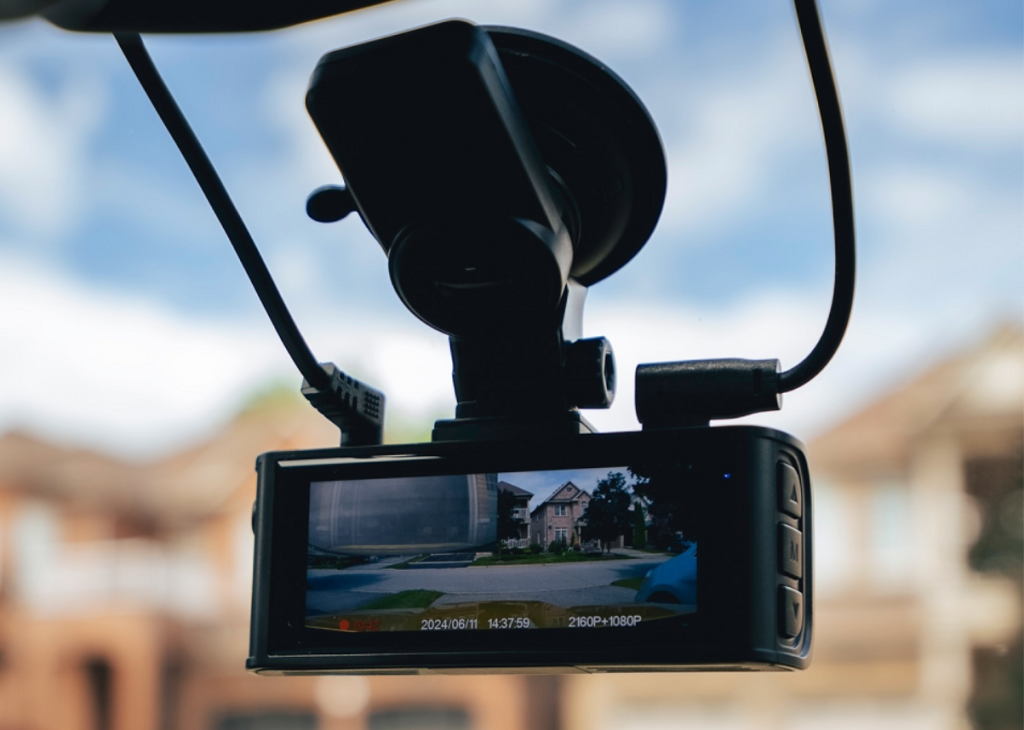
Imagine this: you’ve parked your car safely and walked away. Yet, unseen events unfold around it.
Vandalism, hit-and-run incidents, or theft could occur when you least expect it. You’re probably wondering if your dash cam should remain vigilant even when your car is off. This question taps into your desire for safety and peace of mind.
After all, protecting your vehicle and the assets within it is a top priority. In this blog post, we’ll delve into the pros and cons of keeping your dash cam running when your car is off, helping you make an informed decision that suits your needs. Ready to ensure your car stays under watchful eyes 24/7? Let’s explore the possibilities together!
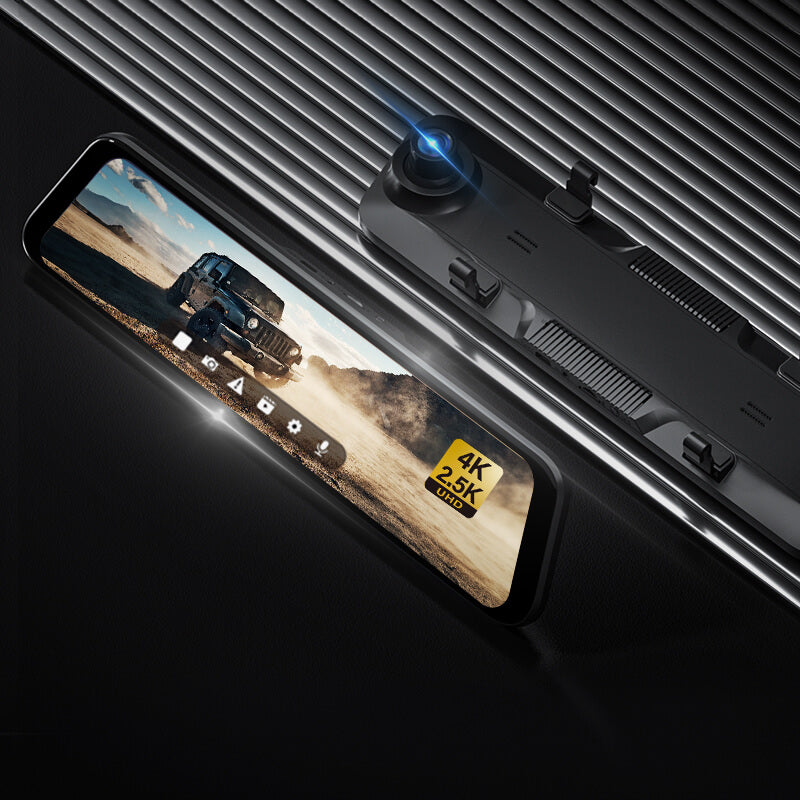
Credit: wolfbox.com
Benefits Of Dash Cams Operating When Car Is Off
Dash cams are valuable tools for drivers. Their benefits increase when they operate while the car is off. This feature offers more than just recording on the road. It enhances security, documents accidents, and captures parking lot incidents. Let’s explore these benefits in detail.
Enhanced Security
Dash cams can deter theft and vandalism. When visible, they make criminals think twice. A recording device can provide crucial evidence. It captures any suspicious activity around your car. This footage can help in police investigations. It’s a valuable tool for car owners wanting peace of mind.
Accident Documentation
Accidents can happen anytime. A dash cam records unexpected events even when parked. It captures details like weather and surroundings. This footage can support insurance claims. It provides clear evidence of what happened. Dash cams make resolving disputes easier and quicker.
Parking Lot Incidents
Parking lots are common spots for minor accidents. A dash cam can record hit-and-runs or fender benders. The footage can identify the responsible party. It helps in claiming damages from insurance. Dash cams can also prevent false claims against you. They ensure that the truth is visible to all parties involved.
Potential Risks And Concerns
Dash cams offer valuable security by recording while driving. Yet, should they remain active when your car is off? This decision carries potential risks and concerns worth considering.
Battery Drain
Leaving your dash cam on can drain your car’s battery. This might lead to unexpected issues when starting your car. A drained battery could leave you stranded, requiring jump-start assistance. Monitor your battery’s health to avoid this inconvenience.
Privacy Issues
Continuous recording may raise privacy concerns. Your dash cam could capture personal moments or sensitive information. It’s crucial to respect privacy laws and consider who might access these recordings. Protecting privacy should be a priority when operating your dash cam.
Overheating Risks
Dash cams generate heat during operation. Running them while your car is off might increase the risk of overheating. Excessive heat can damage your dash cam or other car components. Ensure your device has adequate ventilation to mitigate overheating risks.
Technical Considerations
Power consumption and battery drainage are key factors. A dash cam running when the car is off can drain the battery. Consider models with low power usage or external battery options to avoid draining your car’s battery.
When considering whether your dash cam should operate when your car is off, several technical aspects need your attention. These factors can influence the effectiveness of your dash cam and its ability to capture crucial footage when you’re not driving. Let’s delve into these technical considerations to help you make an informed choice.Power Supply Options
Ensuring your dash cam has a reliable power source when the car is off is essential. Many dash cams can connect directly to your car’s battery, enabling them to function continuously. However, this connection can drain your battery if not managed properly. An alternative is using a battery pack designed for dash cams. These packs provide a separate power source, protecting your vehicle’s battery. When choosing a battery pack, look for one with a sufficient charge capacity to last through long periods when the car is parked.Storage Capacity
Storage capacity can significantly affect your dash cam’s ability to record continuously. A dash cam with limited storage might overwrite footage before you have a chance to review it. Opt for a device with expandable storage options, such as a microSD card slot. Consider investing in high-capacity microSD cards that can store more footage. Regularly check the storage and clear out unnecessary files to prevent loss of crucial recordings.Camera Quality And Features
Quality and features of the camera play a vital role in capturing usable footage. A dash cam with high-resolution recording ensures clear images, even in low-light conditions. This can be crucial for identifying details during nighttime or in poorly lit areas. Look for features like motion detection and wide-angle lenses that enhance the dash cam’s functionality. Motion detection allows the camera to start recording when it senses movement, saving storage space by not recording when it’s unnecessary. Wide-angle lenses offer a broader view, capturing more of your surroundings. As you consider these technical aspects, ask yourself: How important is continuous surveillance to you? If capturing every detail, even when parked, is crucial, investing in the right dash cam setup can provide peace of mind.Legal Implications
Considering whether your dash cam should operate when the car is off involves understanding legal implications. Dash cams can capture crucial footage, but operating them while the vehicle is off can raise legal questions. Different regions have laws affecting dash cam usage. Understanding these can prevent legal issues.
Local Laws And Regulations
Dash cam legality varies by location. Some regions may allow continuous recording, while others restrict it. Research local laws to avoid penalties. Authorities may view recording while parked as a privacy violation. Always check regional guidelines before setting your dash cam to operate when off.
Consent And Privacy Rights
Recording without consent can infringe privacy rights. Dash cams capture footage of people and properties. Consent is crucial, especially if the car is parked in private areas. Respect privacy by informing those around you. Clear communication can prevent disputes and legal trouble.
Choosing The Right Dash Cam
Choosing the right dash cam can feel overwhelming. Many options offer varied features, prices, and brands. You need a dash cam that suits your needs and budget. Let’s dive into some key factors to consider.
Features To Look For
Ensure the dash cam records high-quality video. Look for at least 1080p resolution. Check if it has night vision for clear recordings in low light. A wide-angle lens captures more of the road, increasing coverage.
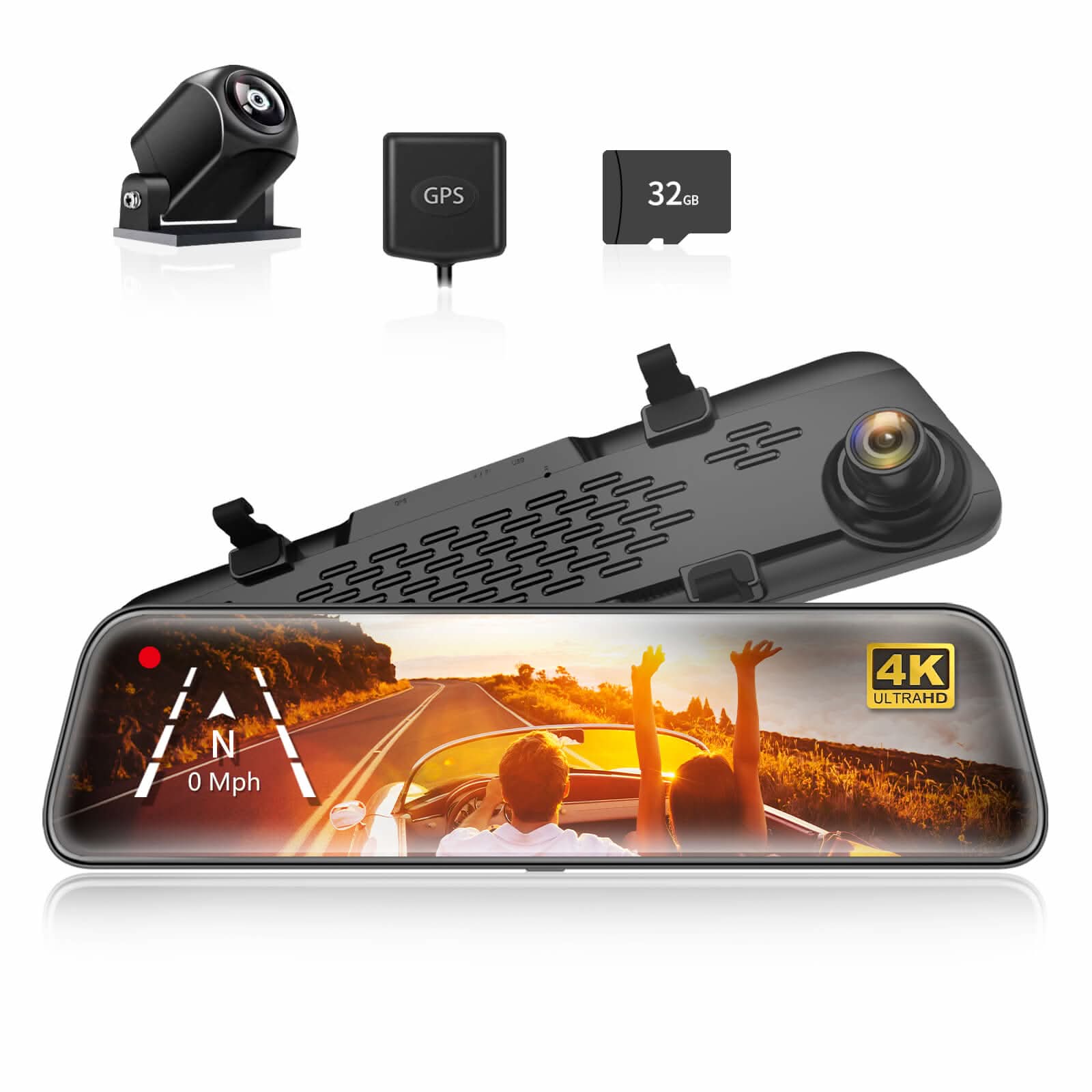
Consider GPS functionality. It records your speed and location. This data can be crucial in disputes. A G-sensor feature detects collisions and locks footage, preventing accidental deletion.
Loop recording is essential. It automatically overwrites old footage. So, you never run out of space. Check if the dash cam supports Wi-Fi. It allows easy transfer of videos to your phone.
Budget Considerations
Dash cams vary in price, from budget to premium. Set a budget that fits your needs. Basic models are affordable and cover essential features. Mid-range cams offer better video quality and extra features.
High-end models include advanced features like cloud storage and 4K video. Decide which features are must-haves. This helps balance between cost and benefits.
Top Dash Cam Brands
Some brands are well-known for quality and reliability. Garmin offers user-friendly models with good video quality. Thinkware provides dash cams with advanced safety features.
BlackVue is popular for sleek design and cloud capabilities. Nextbase offers a wide range of models to suit different needs. Research brands to find one that fits your requirements.
Credit: www.seeworldgps.com
Installation And Setup Tips
Installing a dash cam requires careful planning. Proper setup ensures it functions well. This section offers useful tips for installation. These tips help keep your dash cam running smoothly.
Proper Positioning
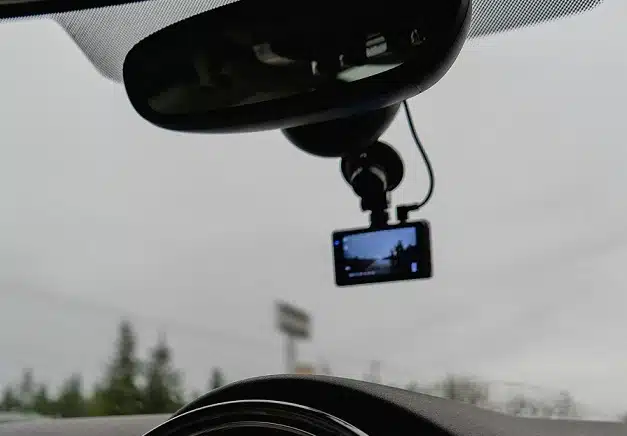
Position your dash cam for clear visibility. Mount it on the windshield, near the rear-view mirror. This location captures a wide view of the road. Ensure the camera does not obstruct your sight. Adjust the angle for optimal recording.
Wiring And Connectivity
Connect the dash cam to your car’s power supply. Use a hardwire kit for constant power. This setup lets the cam record even when the car is off. Secure the wires to prevent tangling. Hide them under panels for a neat look.
Testing And Maintenance
Test the dash cam regularly. Check video quality and sound. Ensure it’s recording properly. Clean the lens to avoid blurry footage. Update the firmware for new features. Inspect the wiring for any damage.
Alternatives To Dash Cams
When your car is parked and turned off, a dash cam might not always be the best option to keep it secure. There are several other effective alternatives that can provide peace of mind. Let’s explore a few options that might suit your needs better.
Car Security Systems
Car security systems are a comprehensive approach to vehicle protection. They often include alarms, immobilizers, and sometimes GPS tracking. Imagine being instantly alerted if someone tries to tamper with your car. These systems can deter thieves and give you immediate notification of any suspicious activity.
Consider investing in a system that offers a combination of audible alarms and silent alerts to your phone. This dual approach can scare off intruders while keeping you informed. Think about what features matter most to you and your lifestyle.
Mobile Apps
In today’s digital age, mobile apps are becoming an essential tool for car owners. Some apps allow you to monitor your car’s status and location right from your smartphone. They can even provide video footage from nearby surveillance cameras.
These apps can be a cost-effective alternative to a dash cam. They offer features like parking location tracking and can notify you of any movement or impact. Have you ever forgotten where you parked? A mobile app can solve that too.
Tracking Devices
Tracking devices are small, discreet, and can be easily installed in your vehicle. They offer real-time updates on your car’s location. If your car is ever stolen, a tracking device can be invaluable in recovering it quickly.
Some tracking devices come with additional features like geofencing. This allows you to set virtual boundaries and receive alerts if your car leaves the designated area. It’s a simple yet powerful tool to enhance your car’s security.
Whether you choose a security system, a mobile app, or a tracking device, each option provides unique benefits. Consider your specific needs and lifestyle when deciding what’s best for you and your vehicle’s safety.
Credit: wolfbox.com
Frequently Asked Questions
Can Dash Cams Record When Car Is Off?
Yes, many dash cams can record when the car is off. They use a feature called parking mode. This mode activates when the car is stationary, ensuring continuous monitoring. However, it requires a constant power source, either through hardwiring or a battery pack.
Will Dash Cam Drain My Car Battery?
A dash cam can drain your car battery if not managed properly. Parking mode is the main culprit. To avoid this, use a battery pack or hardwire kit with voltage cut-off. This ensures the dash cam stops drawing power before the battery runs low.
How To Power Dash Cam When Car Is Off?
You can power your dash cam with a hardwire kit or battery pack. A hardwire kit connects directly to your car’s fuse box. A battery pack is a separate unit that powers the dash cam independently. Both options provide reliable power without draining the car battery.
Is It Legal To Record With Dash Cam Off?
Recording with a dash cam when the car is off is generally legal, but check local laws. Some regions have strict privacy regulations. It’s advisable to ensure compliance with these regulations to avoid legal issues. Always prioritize respecting privacy and following local guidelines.
Conclusion
Deciding if your dash cam should run when the car is off depends on your needs. Consider safety and battery life. Continuous recording can help capture incidents. But it may drain your car battery. Some dash cams have parking modes.
These activate only with motion or impact. This feature saves energy. Check your dash cam’s specifications. Ensure it suits your preferences. Think about your car’s battery capacity too. Make an informed decision for peace of mind. Your choice should balance security and practicality.