

Imagine you’re reversing out of a busy parking lot. You’re surrounded by pedestrians, shopping carts, and other cars.
Wouldn’t it be reassuring to have an extra set of eyes watching out for you? This is precisely what backup cameras offer. As you navigate daily life, the safety and ease that these devices provide can be a game-changer. But should every car have one?
This question might have crossed your mind, especially when thinking about your family’s safety and your own peace of mind. You’ll discover why backup cameras are more than just a fancy add-on. You’ll learn how they could transform your driving experience, making every journey smoother and safer. Keep reading to find out if these technological wonders should be a staple in your vehicle.
Evolution Of Car Safety Features
Cars have transformed over the decades, becoming safer and more reliable. The journey of car safety features is fascinating. From basic seatbelts to advanced backup cameras, technology has played a crucial role. Understanding this evolution helps appreciate modern safety measures.
Historical Context
Early cars offered minimal safety features. Seatbelts were rare and airbags nonexistent. Drivers relied heavily on their skills to avoid accidents. As car usage increased, so did the demand for better safety. Manufacturers began experimenting with new ideas. Over time, these experiments led to essential safety inventions. The rise of safety standards changed the industry. These standards pushed for safer designs and features. Seatbelts became mandatory, saving countless lives.
Technological Advances
Technology radically improved car safety. Sensors and cameras became standard in many vehicles. Backup cameras offer drivers a clearer rear view. This reduces blind spots and enhances parking safety. Modern cars now have lane assist and collision warnings. These features alert drivers to potential dangers. Advanced systems can even brake automatically. Such innovations stem from years of technological progress. They make driving safer for everyone on the road.

Credit: www.carsales.com.au
Understanding Backup Cameras
Backup cameras have become an essential feature in modern vehicles, offering drivers a clearer view of what’s behind them. Whether you’re reversing out of a tight parking spot or ensuring your driveway is clear, these cameras provide peace of mind and enhance safety. Understanding how they work and the different types available can help you decide if they are a necessary addition to your car.
How They Work
Backup cameras are typically mounted at the rear of your vehicle, near the license plate. They activate automatically when you shift into reverse gear. The camera sends real-time video to a screen inside your car, usually integrated into the dashboard or rearview mirror. This allows you to see obstacles that might not be visible through mirrors alone. Some systems even offer guidelines to help you judge distances more accurately.
Types Of Backup Cameras
There are several types of backup cameras, each offering unique features:
- Surface Mounted Cameras:These are attached to the exterior of the vehicle, providing a wide-angle view. They’re easy to install but can be more exposed to the elements.
- Flush Mounted Cameras:Integrated into the vehicle’s body for a sleek appearance. They offer protection from weather and damage.
- License Plate Frame Cameras:These combine the camera with the license plate frame, offering a discreet option that doesn’t alter the car’s look.
- Wireless Cameras:Ideal for retrofitting older models. They transmit video via wireless signals, reducing the need for complex wiring.
Each type has its pros and cons. For example, surface-mounted cameras provide broader visibility, but wireless cameras are great for easy installation. Consider your needs and vehicle design when choosing the best option.
Thinking about your driving habits, do you often find yourself in situations where a backup camera could prevent an accident? It’s worth considering how much value a clearer view can add to your driving experience.
Benefits Of Backup Cameras
Backup cameras enhance safety by providing a clear view of blind spots, reducing the risk of accidents. They make parking easier and help prevent collisions with obstacles and pedestrians. These cameras are a valuable feature for all drivers.
The benefits of backup cameras are numerous, making them an essential feature in modern cars. They offer drivers increased awareness and safety. With backup cameras, reversing becomes less stressful. Let’s explore the advantages of having backup cameras in your vehicle.Enhanced Visibility
Backup cameras provide drivers with a clear view of what’s behind the car. This visibility helps in tight parking spaces. The wide-angle view covers areas mirrors might miss. Drivers can see pedestrians or obstacles easily. This feature is crucial, especially in busy areas.Reducing Blind Spots
Traditional mirrors have limitations. They often leave blind spots that can be dangerous. Backup cameras minimize these blind spots significantly. Drivers get a complete rear view, enhancing their ability to maneuver safely. This technology helps in avoiding potential hazards.Preventing Accidents
Accidents can happen when reversing. With backup cameras, drivers can prevent many of these incidents. The camera alerts drivers to any unexpected objects. This reduces the risk of collision. It’s a simple yet effective way to enhance safety.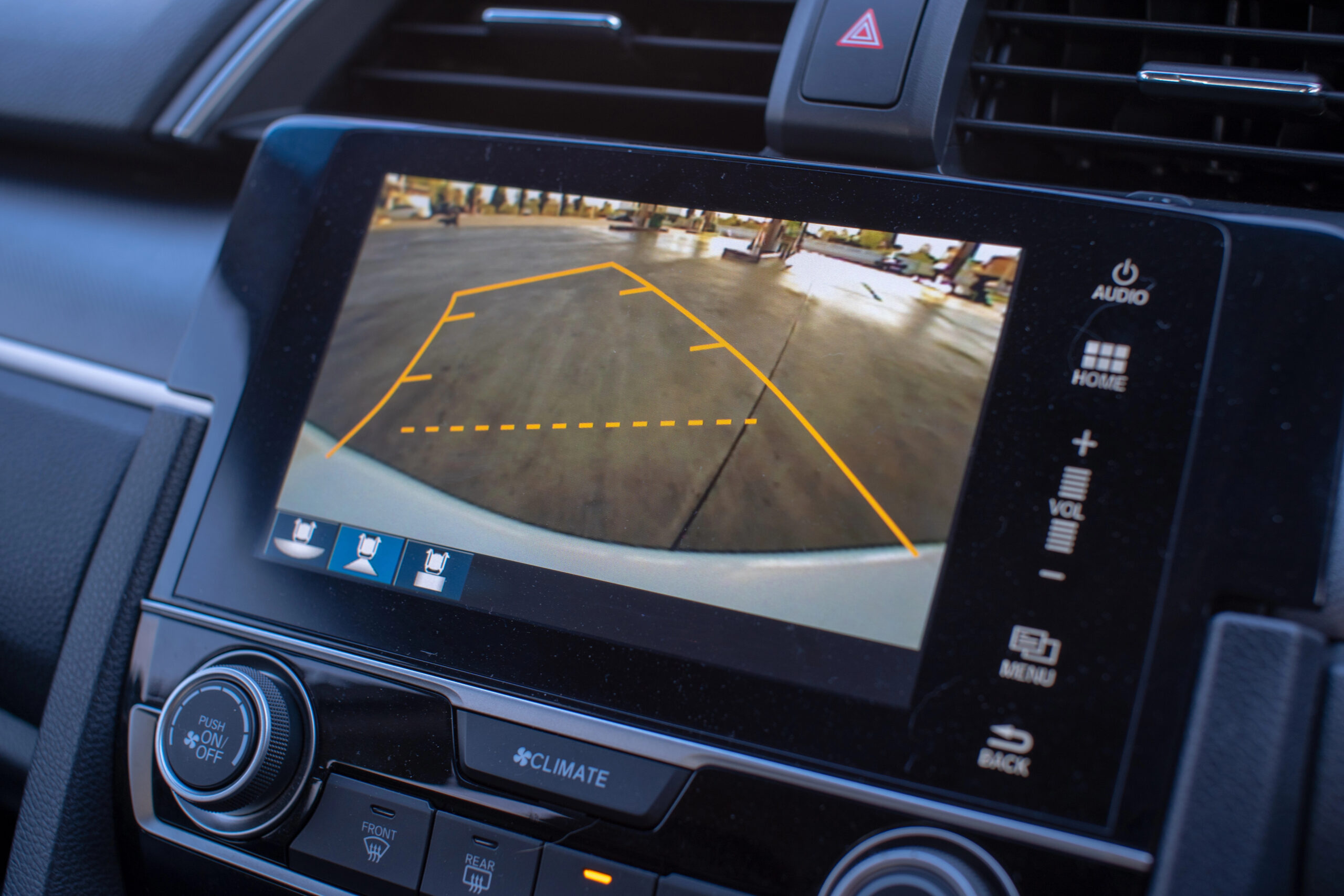
Credit: jerry.ai
Challenges And Limitations
Backup cameras in cars offer many benefits. Yet, they come with challenges and limitations. While these devices enhance safety, they are not without issues. Understanding their drawbacks is crucial for potential buyers. Below, we explore some common challenges and limitations of backup cameras.
Technical Issues
Backup cameras sometimes face technical glitches. Poor video quality can occur in low light. Sun glare might affect visibility during the day. Camera lenses can get dirty, blocking the view. Software updates might also cause problems. These issues can hinder a driver’s ability to see clearly.
Cost Implications
Adding a backup camera can be costly. The initial purchase price might be high. Installation fees can increase expenses further. Repairing a broken camera can also be expensive. Not all car owners can afford these costs. Considering the budget is important before investing.
Regulatory Landscape
The regulatory landscape for backup cameras in cars is evolving quickly. Many countries now mandate these cameras to enhance safety. This shift aims to reduce accidents and improve driver visibility.
The discussion around whether cars should have backup cameras isn’t just a matter of convenience or luxury—it’s deeply tied to the regulatory landscape. As technology advances, governments worldwide are adapting regulations to ensure safety and drive innovation. Understanding these regulations can help you make informed decisions when purchasing a vehicle and anticipate future changes in automotive features.Current Regulations
Currently, many countries have established regulations mandating the inclusion of backup cameras in new vehicles. In the United States, for example, the National Highway Traffic Safety Administration (NHTSA) requires all new cars under 10,000 pounds to have backup cameras as of May 2018. This move was largely in response to the alarming statistics on backover accidents, which can cause serious injuries and fatalities. The European Union also adopted similar regulations to enhance road safety. The idea is to reduce blind spots and improve visibility, especially in crowded urban environments. Is your car compliant with these regulations, or are you considering an upgrade?Impact On Manufacturers
For manufacturers, the requirement to include backup cameras has introduced both challenges and opportunities. On one hand, it means additional costs and design considerations during the production process. However, it also provides a chance to differentiate their products by offering advanced camera systems with extra features like parking assistance and 360-degree views. Manufacturers have responded by integrating these systems seamlessly into their vehicles. Some brands now offer high-definition displays and smart sensors, which not only enhance safety but also improve the driving experience. As a consumer, this technological shift could influence your next car purchase, prompting you to consider models with the most innovative camera systems. What do you think? Are backup cameras a crucial feature or just another tech add-on?
Credit: www.familyhandyman.com
Consumer Perspectives
Consumer perspectives on backup cameras in cars are as varied as the roads we drive. Some drivers see these cameras as essential, while others view them as a luxury. Understanding what consumers think can help us see why backup cameras are becoming more common.
User Experience
Many drivers feel that backup cameras enhance their driving experience significantly. They offer an extra pair of eyes, especially in tight spots or during tricky maneuvers. Imagine the ease of reversing into a crowded parking lot without turning your head like an owl.
Feedback from drivers often highlights reduced stress levels when parking. Parents, in particular, appreciate the added safety when their kids are playing around the car. Can you recall the last time you worried about hitting a hidden object while backing up?
Adoption Rates
Adoption rates for backup cameras have soared in recent years. This surge is partly due to regulations in various countries mandating these devices in new vehicles. But it’s also driven by consumer demand for enhanced safety features.
Consider the increasing number of used cars being retrofitted with backup cameras. This trend indicates not just compliance but genuine consumer interest. Are you one of those considering an upgrade for your older vehicle?
In essence, as more people experience the convenience and safety of backup cameras, their popularity only seems to grow. Would you join the ranks of drivers who swear by this simple yet powerful technology?
Future Of Vehicle Safety Technology
The future of vehicle safety technology promises exciting advancements. As roads get busier, safety becomes crucial. Backup cameras already play a big role. But what’s next in this evolving field?
Emerging Innovations
New technologies aim to make driving safer. Sensors can detect objects and people around the car. Cameras now offer 360-degree views. This helps drivers see blind spots. Smart systems also warn of nearby obstacles. These innovations enhance driver awareness.
Integration With Autonomous Systems
Backup cameras will integrate with autonomous systems. Self-driving cars rely on cameras and sensors. These tools help navigate and make decisions. Cameras provide real-time data to onboard computers. This data improves safety and efficiency. As technology advances, integration will deepen. This will offer safer, smoother driving experiences.
Frequently Asked Questions
Why Are Backup Cameras Important For Cars?
Backup cameras enhance safety by providing a clear view of the rear area. They help drivers avoid obstacles and pedestrians. This technology reduces the risk of accidents during parking or reversing. Many modern vehicles include backup cameras as standard equipment.
They’re a valuable tool for safe driving and parking.
Do Backup Cameras Prevent Accidents?
Yes, backup cameras significantly reduce accident risks. They offer a clear rear view, helping drivers detect obstacles. This visual aid minimizes collisions with objects or pedestrians. Many studies show a decrease in backing-related accidents in vehicles equipped with these cameras.
Backup cameras are an effective safety feature.
Are Backup Cameras Mandatory In New Cars?
In many regions, backup cameras are mandatory in new cars. For example, the U. S. required them in new vehicles from May 2018. This regulation aims to enhance driver visibility and reduce backing accidents. However, requirements can vary by country.
Checking local regulations is important for accurate information.
Can Backup Cameras Improve Parking Skills?
Backup cameras can indeed improve parking skills. They provide a clear view of the vehicle’s rear area. This helps in aligning the car properly while parking. Drivers can better judge distances and angles, reducing the chances of errors. Over time, using backup cameras can enhance parking proficiency.
Conclusion
Backup cameras in cars offer significant safety benefits. They help avoid accidents. Many drivers appreciate the added visibility. This feature aids in parking and reversing. With technology advancing, cameras get better and cheaper. They are becoming standard in new cars.
This change supports safer driving. Some might view them as unnecessary, but most find them helpful. The choice depends on personal preference. Consider safety and convenience when deciding. Backup cameras can be a valuable tool. They contribute to a safer driving experience.
Ultimately, their benefits often outweigh any drawbacks.