
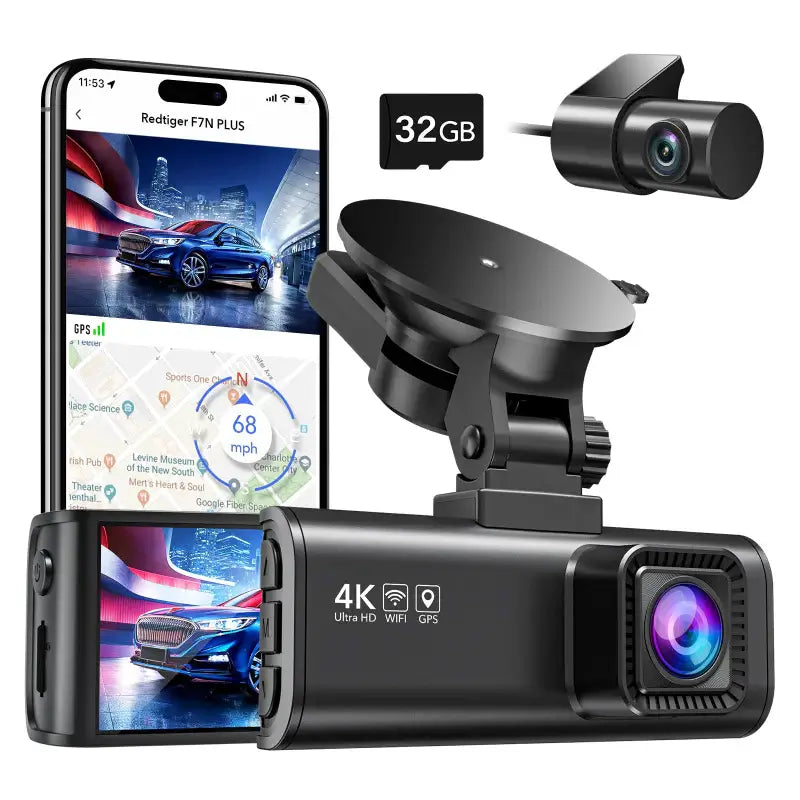
Imagine you’re driving down the road, and something unexpected happens. A dash cam could capture every detail, offering peace of mind and perhaps even crucial evidence.
But before you install one in your car, it’s important to know if it’s legal. You might be wondering about privacy issues or laws in your area. This article will guide you through the legalities of setting up a dash cam, helping you make an informed decision.
With the right knowledge, you can enhance your driving experience safely and legally. Curious? Let’s dive in and explore what you need to know.
Dash Cam Basics
Dash cams are becoming popular among drivers worldwide. These small cameras record the road while you drive. They offer many benefits and have various features. Understanding the basics of dash cams can help you decide if they are right for you.
Purpose And Benefits
The main purpose of a dash cam is to record video footage. This footage can serve as evidence in case of an accident. It provides a clear account of events, which can be useful for insurance claims. Dash cams also deter theft and vandalism. Knowing your car is monitored can discourage potential criminals. They can even capture unexpected events or scenic drives, adding to their usefulness.
Common Features
Dash cams come with various features to enhance their functionality. Most have a loop recording feature. This means they overwrite old footage when the memory card is full. They often have a G-sensor, which detects sudden movements or impacts. When triggered, the camera saves the footage automatically. Some dash cams offer GPS tracking. This adds location and speed data to your recordings. Many also have night vision capabilities, ensuring clear footage in low light.
Advanced models may include parking mode. This feature records even when the car is parked. It activates when motion is detected around your vehicle. Some dash cams come with a dual-camera setup. These record both the road and the car’s interior. This is useful for ride-share drivers wanting extra security. The wide range of features allows users to choose a dash cam that suits their needs and budget.

Credit: www.shopownermag.com
Legal Considerations
Setting up a dash cam in your car can be a smart move for capturing road incidents and enhancing your driving safety. However, before you mount that camera, it’s essential to consider legal factors that could impact your decision. Navigating privacy laws and consent requirements can be tricky, but understanding them ensures you stay on the right side of the law.
Privacy Laws
Privacy laws vary significantly from one location to another, affecting what you can and cannot do with a dash cam. In some areas, recording video footage without the consent of those being filmed might infringe on privacy rights. Imagine you’re driving through a bustling city; your dash cam might inadvertently capture pedestrians or other drivers. This footage could potentially be considered a privacy violation. Always check your local laws to ensure compliance.
Consent Requirements
Consent requirements can be a hurdle when setting up your dash cam. Some regions require explicit consent from passengers before recording begins. Have you ever thought about how you might inform your passengers about the dash cam? Consider placing a small sign in your car or verbally notifying them. By keeping everyone in the loop, you not only adhere to consent laws but also foster trust and transparency.
Country-specific Regulations
Understanding the country-specific regulations for installing dash cams in your car can be crucial to avoid legal pitfalls. Each nation has its own set of rules, which may surprise you with their differences. Let’s explore how the United States, United Kingdom, and Australia approach the legality of dash cams.
United States
In the United States, dash cam laws vary significantly from state to state. While some states permit the use of dash cams without restrictions, others impose limitations regarding placement and use. For example, in California, dash cams cannot obstruct the driver’s view, which means mounting it on the windshield might be problematic. It’s essential to check your state’s specific laws before installation.
United Kingdom
The United Kingdom generally welcomes the use of dash cams. However, the focus is on ensuring that the device doesn’t interfere with the driver’s vision. UK drivers must also be aware of privacy laws that govern the sharing of recorded footage, especially if it captures people without their consent. Are you ready to navigate the legal maze of privacy rights?
Australia
In Australia, dash cams are legal but come with guidelines around placement and usage. Privacy laws play a significant role here, as recordings can be used as evidence only if they comply with these laws. Did you know that in some regions, sharing footage without consent could land you in hot water? Always ensure your dash cam complies with local laws to avoid unexpected fines.
State And Local Laws
Setting up a dash cam in your car is generally legal, but state and local laws vary. Some regions require notifying passengers or restrict recording in private areas. Always check specific regulations to ensure compliance.
Setting up a dash cam in your car can provide peace of mind. But you need to know the rules. State and local laws vary widely. Understanding these laws is crucial before installing a dash cam.Recording Consent Laws
Many states have specific consent laws. Some require one-party consent for recording. This means only one person needs to agree to the recording. Other states need all parties involved to consent. These laws aim to protect privacy. Knowing your state’s rules helps avoid legal issues. Always check local consent laws.Traffic And Safety Regulations
Dash cams must comply with traffic and safety regulations. Placement is key. Avoid blocking your view. Some states have rules for windshield mounts. Violating these regulations can lead to fines. Ensure your dash cam is installed safely. It’s important for both legality and safety. Check state-specific rules for dash cam positioning.Insurance And Liability
Installing a dash cam in your car can be a game-changer when it comes to insurance and liability. Not only can it provide peace of mind, but it can also play a crucial role in determining fault and supporting your claims. Have you ever wondered how a small device could potentially affect your insurance premiums and legal outcomes?
Impact On Claims
Dash cams can significantly influence insurance claims, providing a clear and objective record of events. Imagine being involved in a minor fender bender where both parties insist they had the green light. With dash cam footage, you can offer undeniable proof to your insurer, potentially speeding up the claim process and ensuring you aren’t wrongly blamed.
Insurance companies appreciate dash cam evidence because it reduces ambiguity. This can lead to quicker settlements and may even lower your insurance premiums. Wouldn’t it be nice if your dash cam helped you save some money?
Legal Evidence
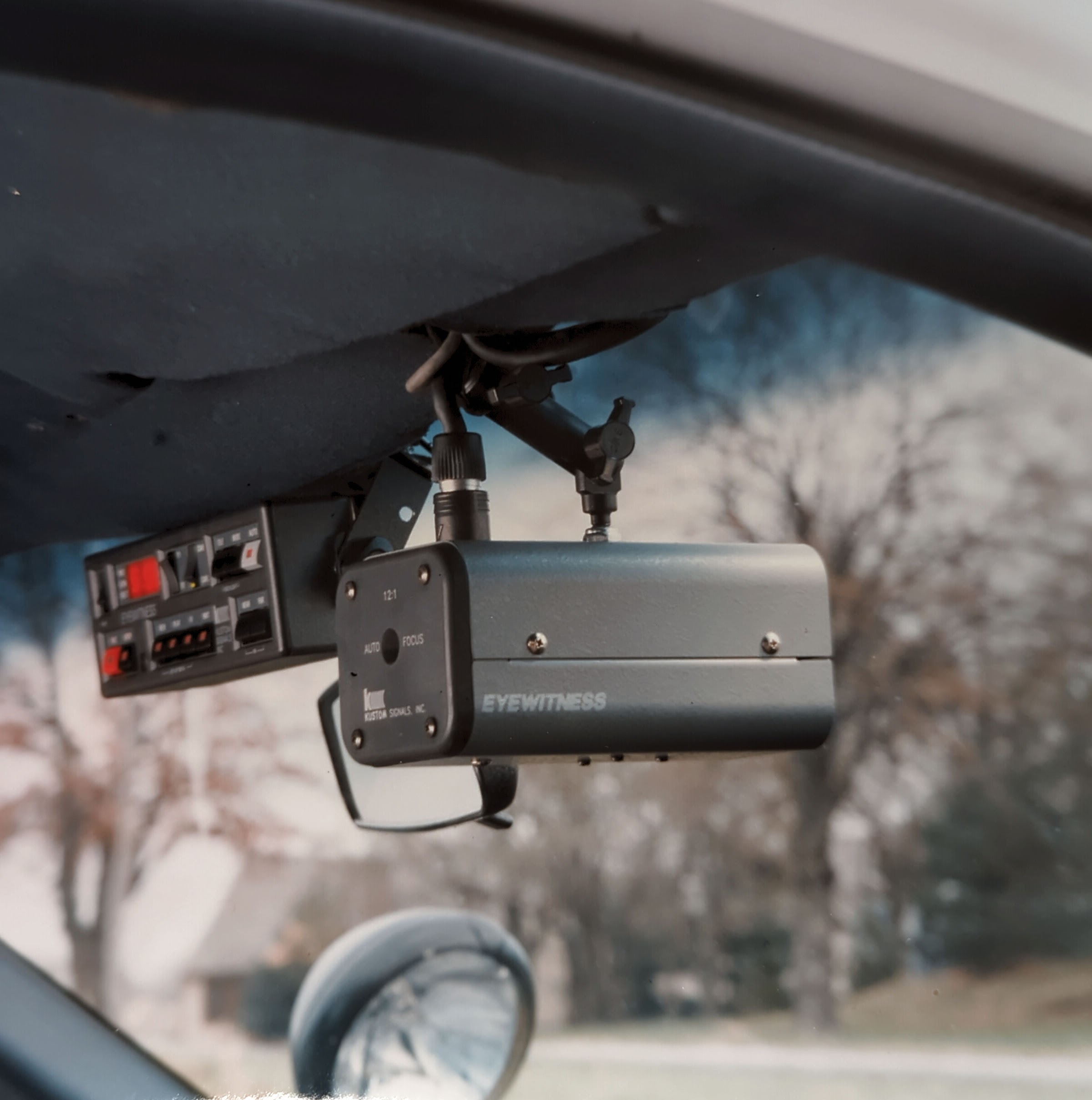
Dash cam footage can serve as vital legal evidence in disputes or accidents. Picture a scenario where you’re accused of running a red light. Your dash cam can capture the exact moment, providing a clear account of your driving behavior. This footage can be pivotal in court, potentially saving you from unjust penalties.
Moreover, dash cams can also protect you from fraudulent claims, commonly known as “crash-for-cash” schemes. These schemes involve staged accidents to extort money from innocent drivers. With a dash cam, you have the power to combat these scams, safeguarding your reputation and finances.
While installing a dash cam seems beneficial, always check the legal requirements in your area. Are you ready to protect yourself with this small but mighty device?
Credit: kustomsignals.com
Installation Tips
Installing a dash cam can enhance your driving experience. It provides a visual record of your journeys. For a successful setup, follow these installation tips. These guidelines ensure your dash cam works efficiently.
Choosing The Right Dash Cam
Select a dash cam that fits your needs. Consider camera quality and features. Look for models with good night vision. GPS tracking is a valuable feature, too. Ensure the dash cam is compatible with your car. Check customer reviews for reliability insights.
Positioning For Optimal Use
Position your dash cam for a clear view. Place it behind the rear-view mirror. This reduces distractions while driving. Adjust the angle to capture the road ahead. Avoid blocking any sensors or airbags. Ensure the camera lens is clean for clear footage.
Privacy And Ethical Concerns
Installing a dash cam in your car can raise privacy and ethical concerns. Recording others without their consent may breach privacy laws. It’s crucial to understand local regulations before setting up a dash cam to ensure compliance and respect for others’ privacy.
Privacy and ethical concerns surrounding the use of dash cams have sparked much debate. While these devices can be incredibly useful for capturing evidence during accidents, they can also raise questions about the invasion of privacy. As a dash cam owner, you need to tread carefully to ensure you’re respecting the privacy of others while using this technology responsibly.Respecting Others’ Privacy
Using a dash cam means you might inadvertently record people who have not consented to being filmed. This can include pedestrians, fellow drivers, or passengers in your vehicle. The key is to ensure that your dash cam is only recording what is necessary—such as the road ahead. Consider the placement of your dash cam. Avoid filming into private properties or through the windows of other vehicles. Have you ever thought about how you’d feel if someone recorded you without your consent? It’s crucial to be mindful of others’ privacy as you would expect them to respect yours.Responsible Usage
Responsible dash cam usage is about more than just privacy—it’s about ethical considerations too. Share footage only when necessary, such as with law enforcement or insurance companies. Posting videos online can lead to unintended consequences, including legal issues or violating others’ privacy rights. Regularly review your recorded footage. Keep what is essential and delete unnecessary clips to minimize potential privacy breaches. Think about the purpose of your dash cam. Is it for safety, or is it becoming a tool for entertainment? Balancing its use with ethical considerations can ensure you’re using this technology in a way that benefits everyone.Future Trends
Dash cams are legal in many places, but laws differ. Check local regulations before installing one in your car. Privacy concerns may arise, and some regions have specific rules about recording audio or video.
Future trends for dash cams in cars are becoming increasingly important. As technology advances, the way we use dash cams is evolving. Understanding these trends can help you make informed decisions. Dash cams offer more than just security. They are shaping the future of driving experiences.Technological Advancements
Dash cams are integrating with smart devices. This makes them more user-friendly. Some models offer cloud storage for video footage. This feature eliminates the need for physical storage. Artificial Intelligence is being used to analyze driving patterns. It can alert drivers to potential hazards. Voice control is another emerging trend. This allows hands-free operation. Night vision capabilities are improving. This makes recordings clearer in low light conditions.Evolving Legal Landscape
The legal framework for dash cams is changing. Laws vary by country and region. Some places require consent to record audio. Others have restrictions on video footage usage. Privacy concerns are influencing legislation. New laws focus on data protection. It’s crucial to stay updated on these changes. Legal compliance can prevent penalties. Dash cam usage might be mandatory for insurance claims. Understanding these trends is vital for responsible usage.Credit: www.sacbee.com
Frequently Asked Questions
Is It Legal To Use A Dash Cam?
Yes, dash cams are generally legal in many countries. However, laws vary by region. It’s important to ensure your dash cam doesn’t obstruct your view while driving. Additionally, be aware of privacy laws, especially when recording in public places. Always check local regulations before installing one.
Can Dash Cam Footage Be Used In Court?
Yes, dash cam footage is often admissible in court. It can serve as crucial evidence in accidents or disputes. However, the footage must be clear and relevant to the case. Ensure your dash cam records date and time accurately for it to be considered valid evidence.
Are There Privacy Concerns With Dash Cams?
Yes, privacy concerns exist with dash cams. Recording inside your vehicle is usually fine. However, capturing audio or video of people without their consent might breach privacy laws. Always inform passengers if your dash cam records audio to avoid potential legal issues.
Do All Countries Allow Dash Cam Usage?
No, not all countries allow dash cam usage. While many countries permit them, some have strict regulations. In countries like Austria and Luxembourg, dash cams are heavily restricted. Always research and comply with local laws before using a dash cam abroad.
Conclusion
Setting up a dash cam can be beneficial. It protects against false claims. Provides peace of mind. Before installing, check local laws. Each region has different rules. Privacy is a key concern. Ensure compliance with regulations. Recording without consent may cause legal issues.
Dash cams offer safety and security. But, use them responsibly. Respect others’ privacy. Understand your rights and obligations. This ensures a smooth experience. Stay informed and drive safely. A well-placed dash cam can be a valuable asset. Always prioritize legal and ethical use.