

Have you ever thought about adding reflective tape to your car? Maybe you’ve seen it on other vehicles and wondered if it’s legal.
It’s easy to understand why you might want to use reflective tape. It can make your car more visible at night, potentially reducing the risk of accidents. But, before you start sticking it all over your vehicle, you need to know if it’s within the legal boundaries.
This is where things can get a bit confusing, as laws might vary depending on where you live. So, let’s dive into the specifics and find out what you need to know. By understanding the legal side of things, you can make informed decisions about how to enhance your car’s safety features without running into trouble. Keep reading to ensure you’re on the right side of the law while making your car stand out for all the right reasons.
Laws On Vehicle Modifications
Understanding the laws surrounding vehicle modifications is crucial if you’re considering adding reflective tape to your car. While it might seem like a simple enhancement for visibility, the legal landscape is more complex than it appears. Each country, and even individual states, may have specific regulations that dictate what modifications are permissible.
Federal Regulations
At the federal level, vehicle modification laws are primarily about safety. The Department of Transportation (DOT) sets standards that ensure all vehicles meet certain safety criteria. Reflective tape is not explicitly prohibited, but it must not interfere with the vehicle’s compliance with these safety standards.
For instance, reflective tape should not obscure essential lights like brake or indicator lights. Ensuring that your car’s lighting remains visible and functional is non-negotiable. Before adding reflective tape, consult the DOT regulations to avoid potential fines or safety hazards.
State-specific Rules
State laws can vary significantly when it comes to vehicle modifications. Some states may have specific rules about the placement and color of reflective materials on vehicles. For example, using red or blue tape might be restricted in certain areas as they could be confused with emergency vehicle lights.
Checking with your local Department of Motor Vehicles (DMV) can save you from legal headaches. They can provide detailed guidance on what’s allowed and what isn’t. Ignoring state-specific rules could result in fines or even vehicle impoundment, so it’s worth doing your homework.
Have you ever wondered if a small modification could cause you legal trouble? Understanding the laws before making changes can help you stay on the right side of the law while enhancing your vehicle’s safety. Would you risk a fine for a simple enhancement?

Credit: www.tiktok.com
Purpose Of Reflective Tape
Reflective tape on vehicles serves a specific purpose that goes beyond mere aesthetics. Its primary aim is to enhance the safety and visibility of your car, making it a vital addition for those who often find themselves driving in low-light conditions or areas with poor visibility. Reflective tape can be a lifesaver, turning your vehicle into a more noticeable presence on the road. But what exactly does it do? Let’s explore its benefits through two main aspects.
Safety Enhancement
Reflective tape is like a silent guardian for your car. It can significantly reduce the risk of accidents by making your vehicle visible from a greater distance. Imagine driving down a dark road; reflective tape can alert other drivers to your presence much earlier than standard car lights alone. This early warning gives them ample time to adjust their speed or change lanes if necessary.
Your car becomes a beacon of safety. If you’ve ever driven in heavy fog, you’ll know how challenging it can be to spot other vehicles. Reflective tape helps mitigate this risk, providing an extra layer of protection when conditions are less than ideal.
Visibility Improvement
Visibility is crucial, especially during nighttime or adverse weather conditions. Reflective tape works by reflecting light from other vehicles back to their drivers, making your car more visible. This enhanced visibility can be particularly helpful in preventing rear-end collisions.
Consider those unexpected moments when a car suddenly appears out of nowhere. Reflective tape can minimize the surprise factor by ensuring your car is seen from afar. Have you ever had a close call during a night drive? Reflective tape might just make the difference between a near-miss and a safe journey.
Reflective tape isn’t just for emergencies; it’s a proactive measure that keeps you and your vehicle on the radar. With safety in mind, it begs the question: is this simple addition worth the peace of mind it brings?
Types Of Reflective Tape
Reflective tape on cars varies by type, such as prismatic or glass bead. Legal use depends on local regulations. Always check if reflective tape is allowed on specific parts of your car to ensure compliance.
Reflective tape can enhance your car’s visibility at night. It’s important to choose the right type for your needs. Different types offer varying levels of brightness and durability. Let’s explore two popular types.High-intensity Reflective Tape
High-intensity tape is known for its bright reflection. It uses tiny glass beads to reflect light. This tape is often used on trucks and emergency vehicles. It can withstand harsh weather conditions. It’s durable and lasts longer than regular tape. This makes it a good choice for those who need reliable visibility.Prismatic Reflective Tape
Prismatic tape offers a unique reflective pattern. It uses prisms to bounce light back to its source. This tape is often brighter than high-intensity tape. It has a smooth surface and is easier to clean. Prismatic tape is ideal for those wanting maximum brightness. It’s often seen on road signs and traffic cones. Choose this if you want your car to stand out at night.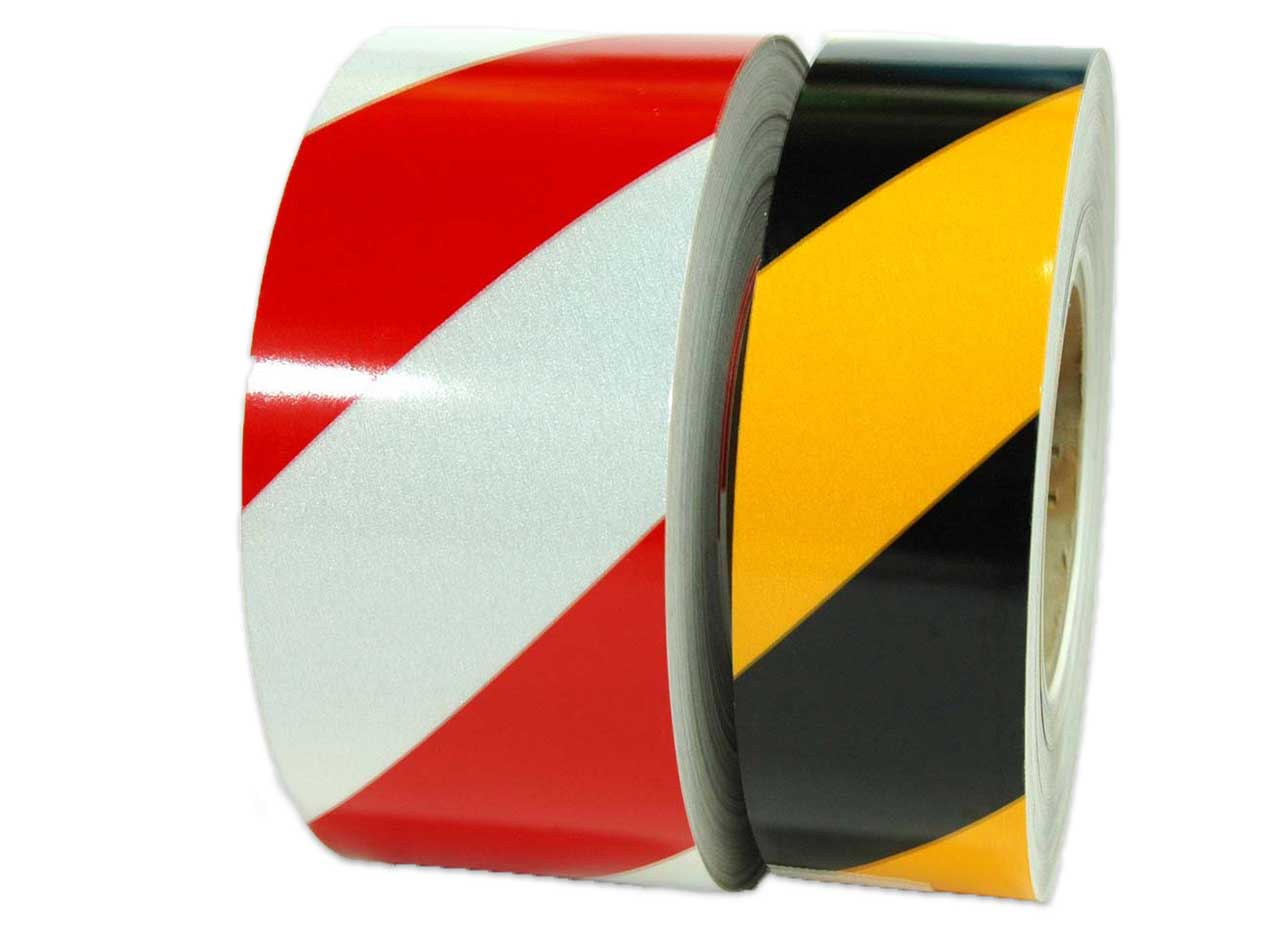
Credit: www.tapejungle.com
Potential Legal Implications
Considering adding reflective tape to your car? It’s wise to understand the potential legal implications. Laws vary across regions, impacting the legality of modifications. Reflective tape can enhance visibility but may conflict with local vehicle regulations. Understanding the legal landscape helps you avoid fines and ensures compliance with safety standards.
Impact On Vehicle Inspection
Reflective tape can affect vehicle inspection outcomes. Some regions have strict guidelines on vehicle modifications. Your car might fail inspection if the tape does not meet these standards. Ensure the tape is not too bright or distracting. Check local regulations before applying reflective tape to your vehicle.
Insurance Considerations
Adding reflective tape may influence your insurance policy. Insurers assess modifications for potential risks. Reflective tape can either raise or lower perceived risk. Consult with your insurer before application. This ensures coverage remains valid and prevents unexpected issues.
Installation Guidelines
Reflective tape on cars is legal in many places, but check local laws first. It enhances visibility, reducing accident risk. Proper installation ensures effectiveness and compliance.
Installing reflective tape on your car can be a practical way to enhance visibility and safety. However, it’s crucial to follow specific guidelines to ensure compliance with legal standards and achieve optimal results. Knowing where and how to apply this tape can make all the difference in its effectiveness and legality.Placement Tips
Proper placement of reflective tape is essential for both functionality and legality. Start by identifying areas on your car that are most visible to other drivers. These typically include the rear bumper, side panels, and any parts of the car that protrude, like mirrors. Ensure the tape is applied on clean, dry surfaces for maximum adhesion. Experiment with different angles and positions before finalizing the placement. This can help you avoid obstructing any important labels or lights.Avoiding Overuse
While reflective tape can improve safety, using too much can have the opposite effect. Overuse may lead to distractions for other drivers, which is something you definitely want to avoid. Focus on using just enough tape to highlight key areas. This ensures that your car remains visible without overwhelming onlookers. Consider how your car looks from a distance. Subtlety can often be more effective and aesthetically pleasing than covering every available inch with tape. Balance is key. Have you ever seen a car with too many stickers? Reflective tape can have the same cluttered effect if overdone.Alternatives To Reflective Tape
Reflective tape on cars can enhance visibility, but legality varies by region. Alternatives include LED lights and reflective decals, offering safer options without legal complications. Always check local laws before making modifications to your vehicle’s exterior.
When enhancing car visibility, reflective tape isn’t the only option. There are several alternatives that can be both effective and stylish. These alternatives offer improved safety and a unique look for your vehicle.Reflective Decals
Reflective decals provide a creative way to boost your car’s visibility. They come in various shapes and designs. You can choose patterns that match your style. These decals are easy to apply and remove. They reflect light like traditional tape, enhancing safety at night. Reflective decals can be customized for a personal touch. This flexibility makes them a popular choice for many drivers.Led Lighting Options
LED lights are another great alternative for car visibility. They are bright and energy-efficient. LED strips can be placed around headlights or bumpers. This adds a modern look to your car. Interior LED lights can enhance nighttime driving. You can find LED options in various colors and styles. They are durable and long-lasting. Installing LED lights can also improve your car’s aesthetic appeal.Public Safety Concerns
Public safety concerns arise with the use of reflective tape on cars. Laws vary by location, affecting its legality. Reflective tape can improve visibility but might violate vehicle modification regulations. Always check local laws before applying.
Public safety concerns are at the forefront when considering whether reflective tape is appropriate for your car. While the idea of enhancing your vehicle’s visibility sounds beneficial, it’s crucial to weigh the potential risks it might pose. Reflective tape can sometimes create more problems than solutions on the road.Distraction Risks
Reflective tape can be incredibly eye-catching, especially at night. While this might help in ensuring others see your car, it can also divert their attention from crucial road signs and signals. Imagine driving behind a car that’s adorned with reflective tape; the constant glare might lead you to miss an important turn or traffic light. Have you ever followed a vehicle with excessive or unusually bright lights? It can feel like you’re in a disco rather than on the highway. This is a similar effect that reflective tape might have, increasing the chances of accidents due to driver distraction.Emergency Vehicle Confusion
Reflective tape can sometimes mimic the appearance of emergency vehicles. This resemblance can cause confusion, especially in high-pressure situations where quick decisions are needed. Consider a scenario where a driver spots reflective tape in their rearview mirror. The immediate reaction might be to slow down or pull over, thinking an emergency vehicle is approaching. Such confusion not only disrupts traffic flow but can also lead to collisions as drivers react unpredictably. Reflective tape on personal vehicles can blur the lines of vehicle identification. Ask yourself, is it worth the risk of being mistaken for an emergency responder when seconds count on the road? By thinking critically about these safety issues, you can make informed decisions about using reflective tape on your vehicle.
Credit: www.amazon.ca
Frequently Asked Questions
Is It Okay To Put Reflective Tape On Your Car?
Yes, it’s generally okay to put reflective tape on your car. Ensure it doesn’t obscure lights or violate local laws. Always check regulations in your area before applying. Reflective tape can enhance visibility and safety, especially at night.
Is It Illegal To Have A Mirror Finish On Your Car?
Mirror finishes on cars can be illegal if they cause glare or distraction for other drivers. Laws vary by region. Check local regulations to ensure compliance. A mirror-like surface may require special permissions or modifications. Always prioritize safety and legal guidelines when customizing your vehicle’s appearance.
Is It Illegal To Put Stuff On Top Of Your Car?
Putting stuff on your car is not illegal, but it must be secured safely. Ensure items don’t obstruct your view or pose a hazard. Check local laws for specific regulations. Unsecured loads can lead to fines or accidents. Always prioritize safety when transporting items on your vehicle.
Can You Put Tape On Your Car?
Yes, you can put tape on your car, but choose automotive-grade tape. It won’t damage the paint. Ensure the surface is clean and dry before application. Avoid leaving it on for extended periods to prevent residue. Duct tape and other strong adhesives can harm the finish.
Conclusion
Reflective tape on cars can enhance visibility at night. Legal rules vary by location. Some areas have strict laws about vehicle modifications. It’s crucial to check local regulations before adding tape. Reflective tape can increase safety if used correctly. Avoid excessive use to prevent legal issues.
Consider professional advice for proper application. Safety and legality should always be priorities. Research and compliance are key. A well-informed decision ensures peace of mind. Drive safely and responsibly. Keep your vehicle both stylish and lawful.