
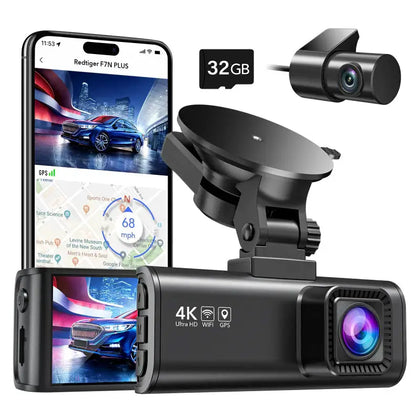
Have you ever wondered if your dash cam keeps rolling even after you’ve turned off your car? This little device has the power to capture crucial footage, but understanding its functionality when your vehicle is parked is key.
Imagine the peace of mind knowing that every moment, even when you’re not around, is recorded. We’ll uncover the secrets behind whether your dash cam stays on or turns off with your car, helping you make the most of this essential gadget.
Get ready to discover how your dash cam can work for you, even when your engine is silent. Let’s dive into the details and find out how this can be a game changer for your safety and security.
Credit: eu.redtigercam.com
Dash Cam Basics
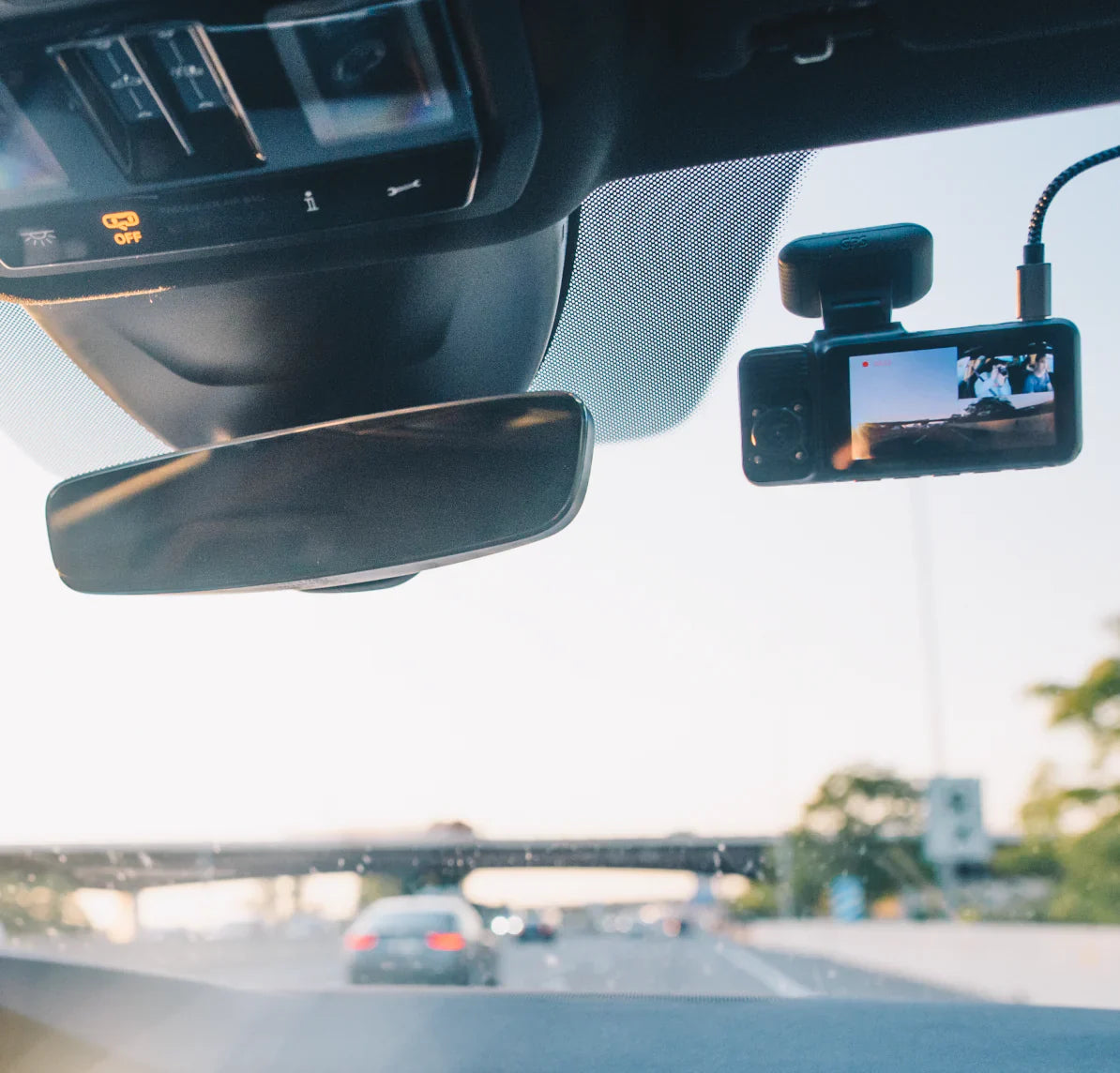
Dash cams typically turn off when the car is off, unless they have a parking mode feature. This mode allows continuous recording even when parked, powered by an external battery or hardwiring. Check your dash cam’s specifications to understand its capabilities.
Dash cams have become essential for many drivers, serving as silent witnesses to everything that happens on the road. These compact devices not only capture the scenic routes but also provide crucial evidence in the event of accidents or disputes. Understanding the basics of dash cams is key to making the most of their features and knowing whether they stay on when your car is off.Purpose And Functionality
The main purpose of a dash cam is to record video footage while you drive. It captures everything happening in front of your vehicle and sometimes behind, depending on its type. This footage can be invaluable for insurance claims, legal evidence, or just reliving your road trip adventures. Dash cams typically start recording automatically when the car is turned on. They save footage onto a memory card in a loop, meaning new recordings overwrite the oldest ones unless saved. Some models include motion detection, capturing activity even when the car is parked.Types Of Dash Cams
There are several types of dash cams, each with unique features to suit different needs. Single-channel dash cams record only the view from the front, ideal for those who want a basic setup. Dual-channel dash cams add a rear camera, providing a comprehensive view of the road. Other dash cams come with advanced features like GPS logging, night vision, and Wi-Fi connectivity. These options can enhance usability, but they might also impact whether your dash cam remains active when the car is off. Knowing the type of dash cam you have can help determine its behavior in various scenarios. Have you ever had an unexpected event on the road that made you wish you had a dash cam? Understanding its basics can ensure you’re always prepared.Power Sources For Dash Cams
Dash cams offer great security for your vehicle. They capture crucial footage during incidents. But do they stay on when the car is off? The answer depends on their power source. Different dash cams draw power in unique ways. Understanding these sources helps make informed decisions.
Hardwired Installations
Hardwired dash cams connect directly to the car’s fuse box. They receive power even when the car is off. This ensures continuous recording. Installation may require professional help. It involves connecting wires to the car’s electrical system. Hardwiring is ideal for parking mode features. The camera records incidents while the car is parked. It offers peace of mind without draining the car battery.
Battery-powered Dash Cams
Battery-powered dash cams have built-in rechargeable batteries. They can run independently of the car’s power supply. This feature allows them to record when the car is off. These cams are easy to install. No wiring is needed. However, battery life is limited. They need regular recharging. Frequent recharging might be inconvenient for some users. Consider usage needs before choosing this type.
Capacitor-based Dash Cams
Capacitor-based dash cams use capacitors instead of batteries. Capacitors store electrical energy temporarily. They are more durable in extreme temperatures. Capacitors charge while the car is running. Once charged, they provide short-term power. They are less likely to fail in hot weather. They are ideal for regions with temperature fluctuations. Yet, they lack long-term power when the car is off.
Operation Modes
Dash cams can operate even when the car is off, depending on the model and its power source. Some models use a parking mode feature, allowing continuous recording. Others require hardwiring to the car battery for power.
Dash cams have become indispensable tools for drivers, capturing everything from scenic drives to unexpected incidents. But how do these devices function when your car is off? Understanding their operation modes can help you make the most of your dash cam and ensure it meets your needs. Let’s explore the different modes to see how they work.Parking Mode
Parking mode is a feature that keeps your dash cam active even when your car is off. This mode is perfect for monitoring your vehicle while parked. It can detect movement and record any suspicious activity around your car. Some dash cams use a built-in battery to operate in parking mode, while others require a hardwiring kit to draw power from your car’s battery. You might wonder if this could drain your battery. In most cases, dash cams are designed to use minimal power, ensuring your car starts without a hitch.Normal Driving Mode
In normal driving mode, the dash cam functions while the engine is running, capturing continuous video footage. This is the standard setting for most users, providing peace of mind during road trips. Think of normal driving mode as your car’s black box. It records everything from your morning commute to that impromptu road trip. If an incident occurs, you have a reliable record of the event. Dash cams often loop recordings, meaning they overwrite the oldest footage when the memory card is full. This ensures you always have the most recent video available.Event Detection Mode
Event detection mode is a smart feature that activates the dash cam during specific events, like sudden braking or a collision. This mode is crucial for capturing critical moments without needing constant recording. Imagine you’re parked at a grocery store and someone backs into your car. The dash cam’s event detection mode kicks in, saving the footage for you to review later. This can be invaluable for insurance claims or police reports. Some dash cams even have G-sensors that trigger recording based on impact levels. This means you won’t miss important events, even when you’re not around.Factors Affecting Dash Cam Activity
Have you ever parked your car and wondered if your dash cam continues recording? It’s a common question, especially for those who want to ensure their vehicle is protected around the clock. The activity of a dash cam when your car is off depends on several factors. Understanding these can help you make the most of your dash cam’s capabilities.
Vehicle’s Electrical System
Your car’s electrical system plays a crucial role in whether your dash cam can stay active when the engine is off. Some vehicles have a constant power supply to the cigarette lighter or USB ports even when the ignition is off. If your car does, your dash cam might continue to operate, assuming it’s plugged into one of these outlets. However, not all cars offer this feature. How is your car configured?
Dash Cam Model Specifics
Dash cams come in various models, each with its own features and settings. Some models have parking mode, allowing them to record even when the vehicle is off. Parking mode can be a lifesaver if you’re worried about vandalism or hit-and-runs. Check your dash cam’s manual to see if it supports this feature and whether it requires special installation.
External Power Solutions
If your car’s electrical system doesn’t support constant power, or if your dash cam lacks parking mode, external power solutions can be the answer. Battery packs or hardwiring kits can keep your dash cam operational even when the car is off. These solutions are particularly useful for extended parking periods. Have you considered installing a battery pack for peace of mind?
Benefits Of Continuous Recording
Continuous recording with a dash cam offers security even when the car is off. It captures crucial moments, safeguarding against theft and vandalism. This feature ensures peace of mind by documenting incidents around your parked vehicle.
The benefits of continuous recording with a dash cam can be a game-changer for vehicle owners. Imagine your car parked on a busy street overnight. While you might be sound asleep, your dash cam is wide awake, capturing everything that happens around your vehicle. This constant vigilance can provide peace of mind and act as a silent guardian for your car.Enhanced Security
Continuous recording helps enhance security by keeping an eye on your vehicle around the clock. Even when your car is off, the dash cam records any unusual activity or suspicious behavior. You might catch someone attempting to break in or even capture a passerby accidentally scratching your car. In such instances, having a dash cam that records continuously can be invaluable. Ask yourself, how much is peace of mind worth when it comes to protecting your vehicle?Evidence Collection
Having a dash cam that records continuously ensures you have a reliable witness if your car is involved in an incident when parked. This can include hit-and-run accidents or vandalism. Imagine returning to your parked car only to find a dent with no note left behind. With a dash cam, you’ll have the footage to identify the responsible party, providing crucial evidence to law enforcement or insurance companies. Think about how much easier it would be to resolve disputes when you have clear video evidence at your fingertips.
Credit: www.blogenvision.com
Potential Drawbacks
Dash cams offer peace of mind on the road. But, they can have drawbacks. Understanding these is key to maximizing benefits. Below are potential issues you might face.
Battery Drain Concerns
Dash cams need power, even when cars are off. This can drain car batteries. Some models come with parking mode. This feature records events when the car is parked. But, it consumes battery power. Over time, this can lead to a dead battery. Solutions include using external battery packs. Or, hardwiring dash cams to cars. Both options can help manage battery drain.
Data Storage Limitations
Dash cams record continuously. This requires storage space. Most use memory cards to store footage. But, these cards have limits. Once full, new footage overwrites old files. Important events might get deleted. Regularly checking and clearing memory cards is crucial. Investing in larger storage cards can also help. Managing storage ensures you keep vital footage.
Tips For Effective Dash Cam Usage
Understanding dash cam settings can optimize usage. Some models stay active even when the car is off. Ensuring proper configuration helps avoid battery drain and captures important footage.
When it comes to using a dash cam effectively, a few thoughtful tips can make all the difference. Whether you’re a daily commuter or an occasional road tripper, optimizing your dash cam’s performance can ensure you capture the footage you need, when you need it. From selecting the right model to managing its power efficiently, these insights will help you make the most of your device.Selecting The Right Dash Cam
Choosing the perfect dash cam is crucial. Look for models with high-resolution capabilities, as clear footage can be a lifesaver in tricky situations. Consider features like a wide-angle lens, night vision, and built-in GPS for comprehensive coverage and accurate data. Research different brands and read customer reviews. Personal recommendations can also be invaluable. I once bought a dash cam based on a friend’s glowing review, and it turned out to be the best tech purchase I’d made in a while.Optimizing Power Management
Efficient power management is key to ensuring your dash cam runs smoothly. Some dash cams have a parking mode feature that allows them to operate even when the car is off. However, it’s essential to ensure your car battery remains charged and healthy. Consider using a hardwiring kit to connect the dash cam directly to your car’s fuse box. This setup can provide a constant power source without draining the battery excessively. Alternatively, look into dash cams with built-in batteries or capacitor models, which can offer better power efficiency. Think about your driving habits and choose a power management solution that aligns with them. After all, the best dash cam is one that fits seamlessly into your lifestyle, without adding unnecessary stress or complications.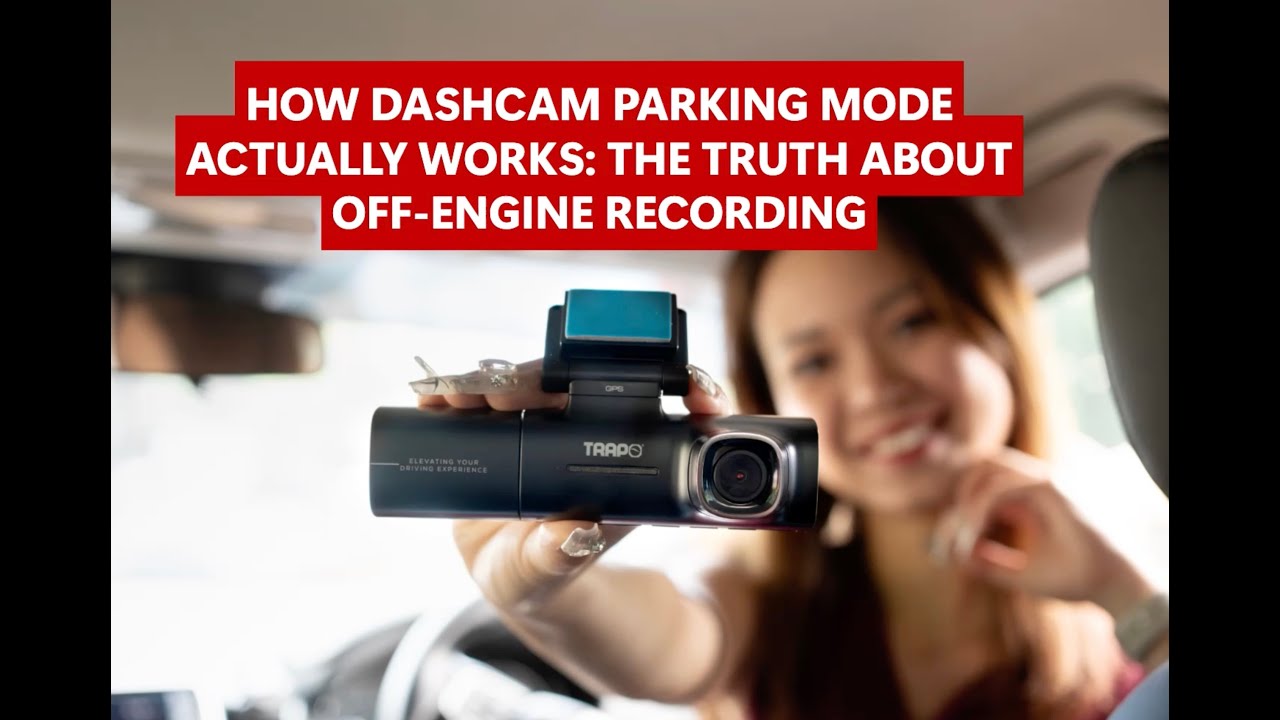
Credit: www.youtube.com
Frequently Asked Questions
Does A Dash Cam Work When The Car Is Off?
Most dash cams don’t work when the car is off. They typically rely on the car’s power supply. However, some models have built-in batteries or external power sources. These can continue recording when the vehicle is turned off, ensuring continuous surveillance.
Can Dash Cams Drain Car Battery?
Yes, dash cams can drain the car battery if left on continuously. Some dash cams come with parking mode, which minimizes power usage. It’s recommended to use a hardwire kit or battery-saving features to prevent battery drain when parked for extended periods.
How Do Dash Cams Record When Parked?
Dash cams can record when parked using parking mode. This feature activates the camera upon detecting motion or impacts. Some models have built-in batteries or require hardwiring to the car’s power supply. This ensures the dash cam can function even when the ignition is off.
What Is Parking Mode In Dash Cams?
Parking mode allows dash cams to monitor your car while parked. It activates recording upon detecting motion or impacts. This feature is useful for capturing incidents when the car is unattended. Ensure your dash cam model supports parking mode for effective surveillance.
Conclusion
Understanding if a dash cam stays on when the car is off is crucial. It helps in deciding the right dash cam for your needs. Some dash cams continue recording, while others do not. Power source plays a major role in this.
A hardwired dash cam usually records even when the car is off. Battery-powered ones might not. Always check your dash cam specifications. This ensures you choose wisely. Peace of mind on the road starts with informed choices. Consider your driving habits and security needs.
Happy driving with the right dash cam!