
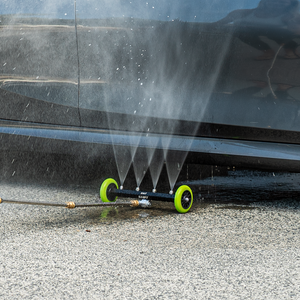
Have you ever noticed a white, crusty residue on your car after driving through snowy or icy roads? That’s salt, and while it’s great for keeping roads safe in winter, it can be a silent enemy for your vehicle.
Salt can lead to rust and corrosion, which can damage your car’s undercarriage over time. But don’t worry, with the right methods, you can easily wash salt from under your car and prevent long-term damage. Imagine driving confidently, knowing that your car is free from harmful salt and ready to tackle any road condition.
By following these straightforward steps, you can ensure your car remains in top shape, saving you time and money on repairs. Dive in to discover how you can protect your car and enjoy peace of mind, all year round.
Importance Of Removing Salt
Washing salt from under your car is crucial to prevent rust. Salt can corrode metal parts and damage the vehicle. Regular cleaning helps maintain your car’s longevity and performance.
The unsightly residue of salt on your car isn’t just a winter nuisance—it’s a potential hazard to your vehicle’s health. Salt, often used to de-ice roads, can lead to significant damage if left unchecked. It accelerates the corrosion of metal parts, including the undercarriage, which is vital for your car’s structural integrity. Removing salt is not just about aesthetics; it’s about preserving the longevity and value of your vehicle.Why Salt Is Harmful To Your Car
Salt is corrosive. It speeds up the rusting process on metal surfaces. Your car’s undercarriage is especially vulnerable, as it’s constantly exposed to road conditions. Rust can weaken the structure and cause parts to fail prematurely. Have you ever noticed patches of rust forming in unexpected places? That’s salt at work, eating away at your car’s defenses.Impact On Vehicle Performance
Beyond the structural damage, salt can also affect your car’s performance. Corroded brake lines can lead to brake failure, a potentially dangerous situation. Suspension components can also suffer, leading to a rougher ride. By neglecting salt removal, you’re risking not just your car, but your safety on the road.Long-term Financial Consequences
Repairing salt damage can be costly. Replacing rusted parts and dealing with structural issues often requires professional help. Regularly washing away salt can save you thousands in repair bills. Why spend more later when a simple wash can prevent these issues?Environmental Impact
Salt runoff isn’t just harmful to your car—it’s detrimental to the environment. It can contaminate water sources and harm plant life. By removing salt from your car, you’re also doing your part to protect the environment. Isn’t it satisfying to know that a simple car wash can have such a positive impact?Practical Tips For Salt Removal
– Rinse Regularly: Use a high-pressure hose to rinse the undercarriage. Focus on wheel wells where salt accumulates. – Use Appropriate Cleaners: Choose products designed to neutralize salt. Look for labels indicating their effectiveness against road salt. – Get Professional Help: Consider professional detailing services if you’re unsure about DIY methods. They have the tools and expertise to thoroughly clean every crevice. Keeping your car free from salt is more than just maintenance; it’s a commitment to safety, savings, and sustainability. So next time you see salt stains, take action—your car will thank you for it.Identifying Salt Buildup
Salt buildup under a car can lead to rust and damage. Regularly wash the undercarriage with water to remove salt. Use a hose or pressure washer to clean every nook and cranny effectively.
Identifying salt buildup under your car is crucial for maintaining its longevity. You might not think much about the winter road salt that silently accumulates beneath your vehicle, but ignoring it can lead to costly damages. This buildup can corrode the metal parts, leading to rust and weakening structural integrity. Knowing how to spot salt accumulation early can save you from unwanted repair bills down the road.Check For Visible Signs
Start by looking underneath your car for any white, chalky residue. This is typically a sign of salt buildup. Use a flashlight if necessary to examine hard-to-see areas. Pay special attention to the wheel wells and the undercarriage, as these are common spots for salt to accumulate.Feel The Texture
If you notice a gritty texture when you run your hand underneath the car, it’s likely salt. This grainy feeling is distinctly different from regular road dirt. Always wear gloves to protect your skin when checking.Monitor Rust Formation
Rust is a telltale indicator of salt damage. Inspect your car for any orange or brown patches, particularly around metal parts. If rust is forming, it may be time to take action before it spreads.Use A Salt Testing Kit
Consider using a salt testing kit to measure the exact level of salt buildup. These kits can provide a more accurate assessment and help you decide on the necessary cleaning measures. They are available at most auto parts stores. Spotting salt early is essential. It allows you to take preventive measures before significant damage occurs. Have you ever checked your car for salt buildup, only to find more than you expected?Gathering Necessary Tools
Gather essential tools like a hose, bucket, and car jack for washing salt from under the car. These items ensure effective cleaning and help protect your vehicle from rust.
Gathering the necessary tools is a crucial first step in effectively washing salt from under your car. Without the right equipment, you might find yourself struggling to reach those stubborn spots where salt tends to accumulate. So, let’s dive into the essentials that will make this task easier and more efficient.Cleaning Agents
Selecting the right cleaning agents can make a significant difference in removing salt from your car’s undercarriage. Mild detergents mixed with water often do the trick. They help break down salt deposits without damaging metal components. You might also consider using specialized car wash solutions designed to combat salt. These are formulated to dissolve salt while protecting your car’s surface. Always read the labels for instructions and recommendations. This ensures that you’re using the right concentration for effective cleaning.Protective Gear
Safety should be your top priority when dealing with cleaning agents and scrubbing under your car. Wearing gloves protects your hands from harsh chemicals and abrasive materials. You wouldn’t want to come away with irritated skin. Consider using goggles to protect your eyes from splashes. It’s easy to overlook this but a simple precaution can prevent discomfort or injury. Comfortable clothing that you don’t mind getting dirty is a must. You might be crawling under your car, so wear something flexible and durable.Tools For Scrubbing
When it comes to scrubbing, the right tools make all the difference. Long-handled brushes are perfect for reaching under your car without straining your back. They allow you to apply pressure effectively, ensuring a thorough clean. You might also use a pressure washer for more stubborn salt deposits. This can be a quick and efficient way to blast away salt without manual labor. For intricate areas, a small brush can be handy to target tight spaces. It might seem tedious, but attention to detail pays off in maintaining your car’s condition. Taking the time to gather these tools not only makes the process smoother but also helps protect your car from long-term damage. What tools have you found indispensable in your car cleaning routine?Choosing The Right Location
Choosing the right location is crucial for washing salt from under your car. A proper site ensures safety and efficiency during the cleaning process. Selecting an ideal spot can prevent accidents and protect your vehicle.
Benefits Of An Elevated Surface
Washing your car on an elevated surface offers many advantages. It allows better access to the car’s underside. You can easily reach and clean hidden areas. An elevated surface helps water drain away quickly. This prevents puddles and reduces slip hazards.
Safety Considerations
Safety is vital when washing salt from under your car. Ensure the area is stable and secure. Avoid places with uneven ground or loose gravel. Check for any overhead obstructions that might pose a risk. Use wheel chocks to prevent the car from rolling. Always wear protective gear, like gloves and goggles, to safeguard yourself.
Pre-wash Preparations
Preparing your car for a salt wash is crucial. Salt can damage the car’s undercarriage if not removed. Proper pre-wash preparations ensure a thorough cleaning. Let’s explore how to get your car ready.
Inspecting The Undercarriage
Start with a careful inspection of the car’s undercarriage. Look for any signs of rust or wear. Use a flashlight to spot hidden areas. Check around the wheels and suspension. Identifying problem spots helps target the wash effectively.
Protecting Sensitive Components
Before washing, protect delicate parts. Cover the engine and electrical components. Use plastic bags or waterproof materials. This prevents water damage during the wash. Secure the coverings tightly to avoid slipping.
Washing Process
Keeping your car free from salt buildup is essential. Salt can corrode metal parts and damage your vehicle. Regular washing helps maintain its condition. Learn effective techniques for washing salt from under your car.
Effective Rinsing Techniques
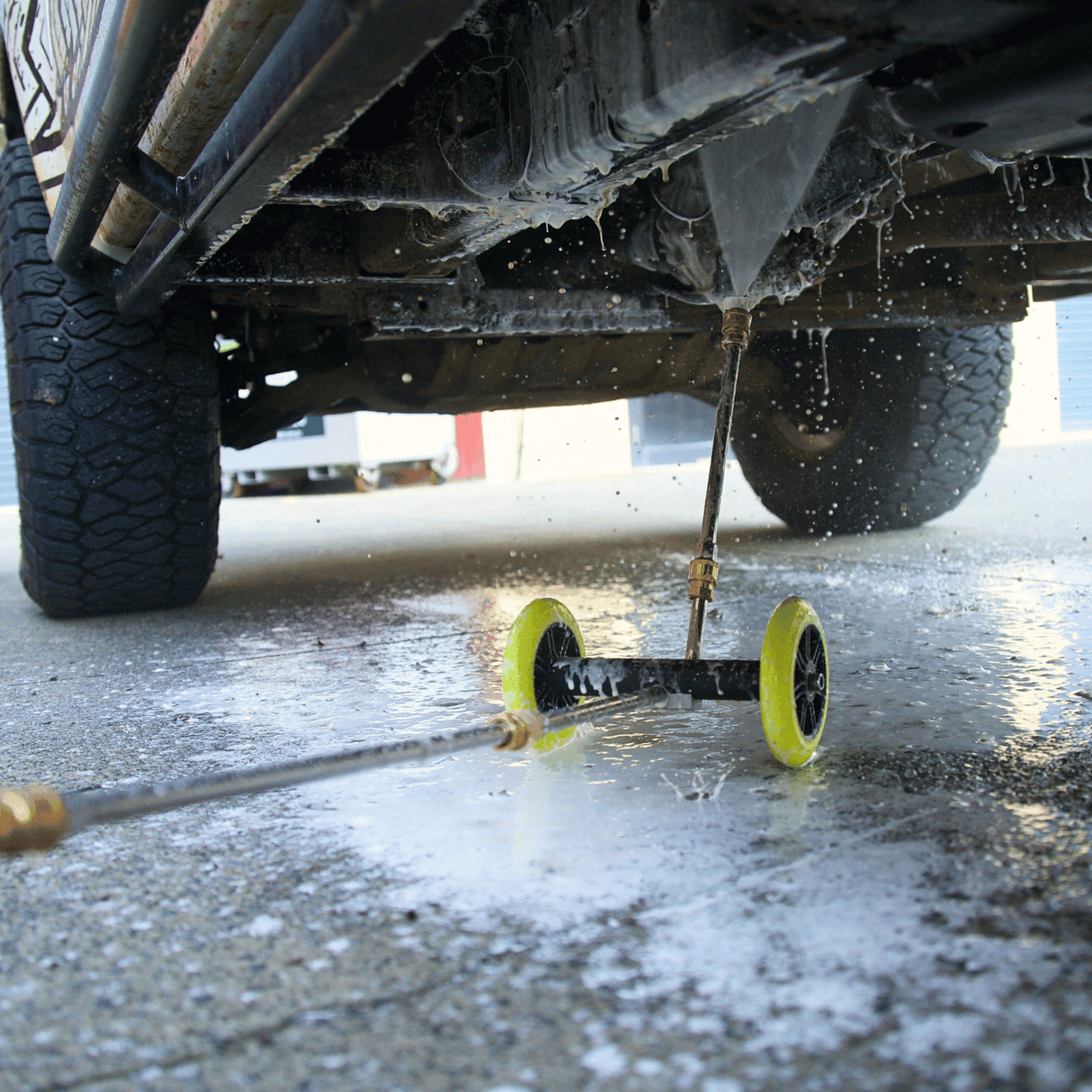
Start by rinsing your car with clean water. Use a garden hose with high pressure for best results. Focus on the undercarriage. Aim the water jet at all angles. This will loosen salt deposits. Move the hose back and forth. Cover every inch of the surface.
Application Of Cleaning Solutions
Apply a cleaning solution designed for vehicles. Choose one that targets salt and grime. Mix the solution with water. Use a spray bottle for easy application. Spray generously on affected areas. Let it sit for a few minutes. This breaks down stubborn salt residues.
Scrubbing Salt Deposits
Use a soft brush or sponge. Scrub the undercarriage gently. Focus on areas with visible salt deposits. Make sure to reach tight spots. Scrubbing removes salt effectively. Rinse thoroughly after scrubbing. Ensure no cleaning solution remains. Dry the undercarriage with a clean towel.
Drying The Undercarriage
After washing salt from under your car, drying the undercarriage is crucial. It prevents rust and corrosion, ensuring your vehicle remains in excellent condition. Proper drying methods help maintain your car’s performance and longevity.
Using Compressed Air
Compressed air quickly removes moisture from the undercarriage. It reaches areas that are hard to access, ensuring thorough drying. Use an air compressor with a nozzle attachment for precision. Direct the airflow to crevices and joints where water can hide.
Hold the nozzle at a safe distance to avoid damage. Move methodically across the undercarriage, covering all parts. This technique reduces drying time and minimizes potential rust spots.
Natural Drying Tips
Natural drying is effective and eco-friendly. Park your car in a sunny area after washing. Sunlight helps evaporate water from the surface. Ensure the vehicle is on a slope if possible. This allows water to drain easily.
Wind is also helpful for drying. Choose a location with good air circulation. Open spaces facilitate faster drying. Monitor the weather for optimal conditions. Avoid areas prone to moisture and humidity.
Credit: www.saltshift.com
Post-wash Care
After washing salt from your car, post-wash care is crucial. Salt can cause rust and damage if left untreated. Taking the right steps ensures your car remains in great condition.
Applying Rust Inhibitors
Rust inhibitors are essential in protecting your car’s metal parts. They form a barrier, preventing moisture and salt from causing rust. Apply them evenly under the car. Make sure to cover all metal surfaces. Choose a product designed for automotive use. This step will extend your car’s lifespan.
Regular Maintenance Checks
Schedule regular checks to spot early signs of rust. Look under the car and in hidden corners. Pay attention to the wheel wells and undercarriage. Use a flashlight for better visibility. Address any issues immediately to prevent further damage.
Check for any loose or damaged parts. Tighten bolts and replace any worn-out components. This keeps your car safe and running smoothly.
Preventive Measures
Rinse the car’s underside thoroughly with water to remove salt. Use a high-pressure hose for effective cleaning. Ensure all areas, especially crevices, are washed to prevent corrosion.
Preventive measures are essential for keeping your car safe from salt damage. Salt can corrode metal parts and lead to costly repairs. Taking steps to protect your vehicle can save you money and extend its lifespan.Seasonal Cleaning Schedule
Create a cleaning schedule based on the seasons. In winter, salt is more prevalent on roads. Wash your car more frequently during this time. Aim for once a week if possible. Regular cleaning removes salt buildup before it can cause harm. In spring, reduce washing frequency as salt use decreases.Use Of Protective Coatings
Applying protective coatings can shield your car from salt damage. Use a wax or sealant designed for cars. These coatings create a barrier that repels salt and moisture. This helps prevent corrosion. Apply wax every three months for best results. It’s an easy way to protect your vehicle’s paint and metal surfaces.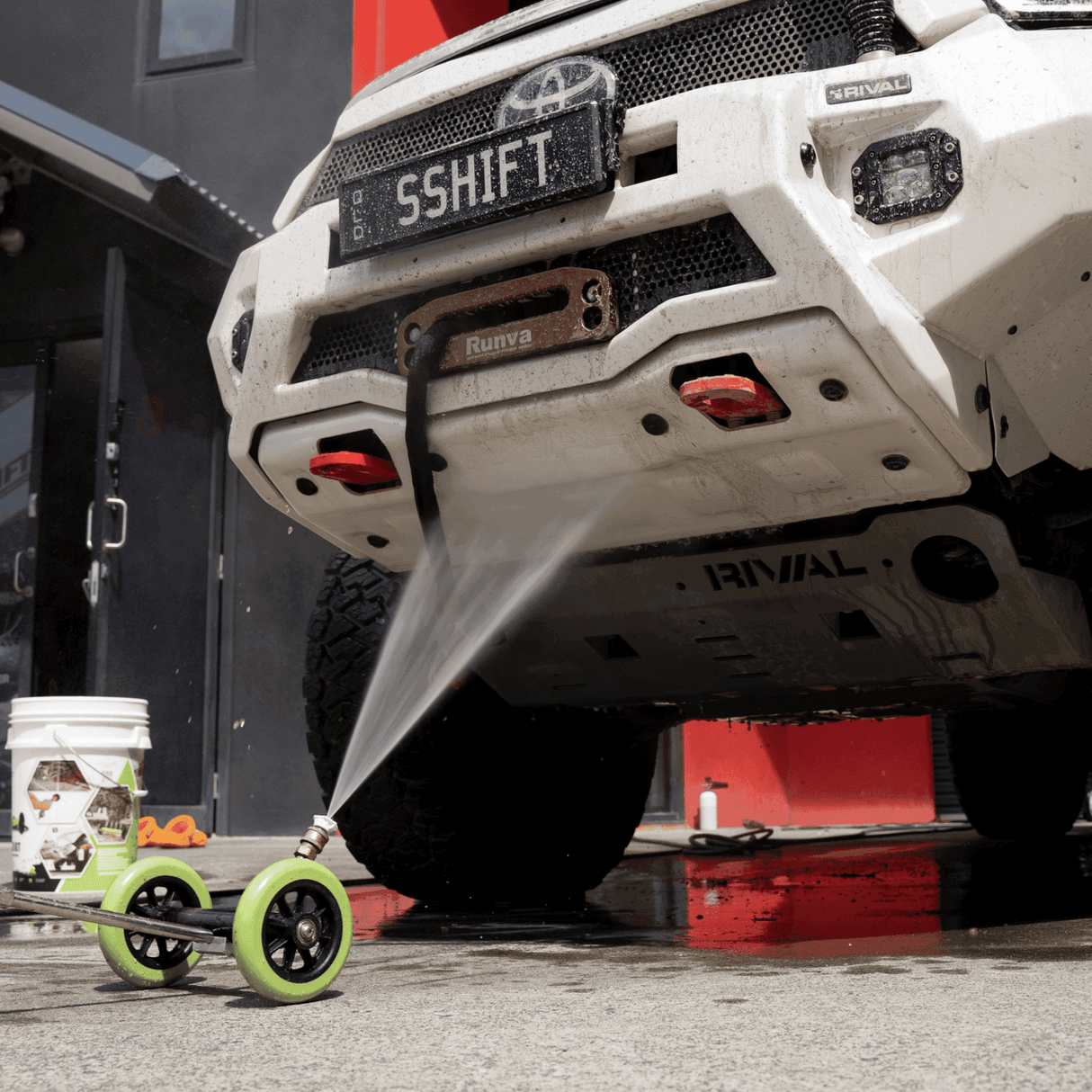
Credit: www.saltshift.com

Credit: www.youtube.com
Frequently Asked Questions
How Often Should I Wash Salt From My Car?
Wash salt from your car every two weeks during winter. Salt can cause corrosion and damage to your car’s undercarriage. Regular washing helps prevent rust and maintain your vehicle’s longevity. Pay special attention to the wheel wells and underbody, where salt tends to accumulate the most.
What Tools Do I Need For Washing Salt?
You need a high-pressure hose or power washer, car soap, and a scrub brush. A garden hose with a spray nozzle can also work. Ensure you have a bucket and microfiber cloth for drying. These tools help you effectively remove salt without damaging your car.
Can Salt Damage My Car’s Undercarriage?
Yes, salt can corrode and damage your car’s undercarriage over time. It speeds up rust formation, leading to structural damage. Regular cleaning removes salt and protects your vehicle. Applying an undercarriage sealant before winter can also add an extra layer of protection.
Is It Necessary To Wash Under The Car?
Yes, washing under the car is crucial to remove accumulated salt. Salt buildup can lead to rust and damage important components. Use a high-pressure hose to clean thoroughly. Regular maintenance helps preserve your car’s condition and resale value.
Conclusion
Washing salt from under your car is crucial. It prevents rust and damage. Regular cleaning keeps your vehicle safe and looking good. Use water and a mild detergent. A garden hose works well for this task. Pay attention to hard-to-reach areas.
These spots often collect the most salt. Dry your car thoroughly after washing. This step helps avoid corrosion. With these simple steps, your car stays in top shape. Protect your investment. Keep it clean and salt-free. Your car will thank you.
Enjoy smooth rides on the road.