
Imagine the satisfaction of seeing your car gleam in the sunlight, free from dirt and grime. Washing your car with a pressure washer is a game-changer.
It’s faster, more efficient, and can give your vehicle that showroom shine. But if you’re not careful, it can also cause damage. You might be wondering how to get the perfect clean without any mishaps. Well, you’re in the right place.
This guide will show you exactly how to use a pressure washer safely and effectively. You’ll learn insider tips that will make your car cleaning experience easier and more enjoyable. Stick around, and you’ll soon be the envy of your neighborhood.
Choosing The Right Pressure Washer
Choosing the right pressure washer is crucial for achieving a clean and shiny car without causing any damage. With numerous options available, it can be overwhelming to pick the perfect one for your needs. Let’s break down the key factors to consider when selecting a pressure washer for washing your car.
Electric Vs. Gas Models
When deciding between electric and gas pressure washers, consider convenience and power. Electric models are generally quieter, lighter, and easier to maintain. They’re ideal for small to medium cleaning tasks, making them a popular choice for car washing.
Gas models, on the other hand, offer more power and are suitable for larger, tougher cleaning jobs. However, they are noisier, heavier, and require more maintenance. If you have a large vehicle or plan to use the pressure washer for other demanding tasks, a gas model might be worth the investment.
Pressure Settings And Nozzles
Understanding pressure settings and nozzles is essential for effective and safe car washing. Pressure washers come with adjustable pressure settings, allowing you to tailor the force of the water to your specific needs. For car washing, a setting between 1200 to 1900 PSI is typically sufficient.
Nozzles play a vital role in determining the water spray pattern and intensity. Most pressure washers come with interchangeable nozzles, including options like 0°, 15°, 25°, and 40°. For car washing, a 25° or 40° nozzle is recommended to ensure gentle yet efficient cleaning. Always test the nozzle on an inconspicuous area to avoid damaging your car’s paint.
Have you ever wondered how much pressure is too much? Or which nozzle would give you the best results without risking damage? Choosing the right pressure washer and understanding its settings will not only save you time but also protect your car’s finish.
Preparing Your Car For Washing
Preparing Your Car for Washing Gather necessary supplies like soap, a sponge, and a pressure washer. Remove personal items and close windows. Rinse your car with the pressure washer to remove loose dirt and debris.
Preparing your car for washing with a pressure washer is a crucial step to ensure a spotless finish and prevent any potential damage. It’s a bit like preparing for a road trip; you want to make sure everything is in top shape before you hit the road. Before the actual washing begins, it’s essential to spend some time inspecting and preparing your car’s surface. This will make the entire washing process smoother and more effective.Inspecting The Surface
Start by giving your car a thorough look-over. Are there any scratches, dents, or chipped paint? These might be areas where extra care is needed. A pressure washer can be powerful, and you don’t want to worsen any existing damage. Check for sticky substances like sap or bird droppings. These stubborn spots may require special attention or pre-treatment before you start washing. Noticing these details early helps prevent surprises and ensures a cleaner result.Removing Loose Debris
Before the pressure washer roars to life, take a moment to remove any loose debris. Leaves, twigs, and dirt can easily get stuck in crevices, causing scratches or clogging your washer. A simple rinse with a garden hose or a quick wipe with your hand can do wonders. This small step saves time and ensures the pressure washer works efficiently, focusing on deeper dirt rather than superficial mess. Have you ever washed your car only to realize you missed a clump of leaves lodged in the windshield? It’s frustrating, and easily avoidable. Taking a few extra minutes to remove debris will make the entire washing process more effective and satisfying.Setting Up The Pressure Washer
Connect the hose to the pressure washer, ensuring a secure fit. Adjust the nozzle for a gentle spray.
Setting up a pressure washer for car cleaning can seem like a daunting task, but with a little guidance, you’ll be off to a sparkling start in no time. It’s all about ensuring that each part is in place and you’re aware of safety measures to protect both you and your vehicle. Getting this setup right is the first step toward achieving a professional-quality wash at home.Assembly And Connection
Begin by assembling the components of your pressure washer. This typically involves attaching the spray wand to the hose and securing the hose to the machine. Ensure all connections are tight to prevent leaks. You don’t want to waste water or lose pressure. Consider using quick-connect fittings for easier assembly and disassembly, especially if you plan to wash your car regularly.Safety Precautions
Safety should be your top priority when using a pressure washer. Always wear protective eyewear to guard against unexpected spray-back. Check that the electrical cords are in good condition and avoid using the washer near wet areas to prevent shocks. Is your pressure washer gas-powered? Be sure to operate it in well-ventilated areas to avoid inhaling fumes. Remember, safety isn’t just about protecting yourself—it’s also about preventing damage to your car. How often do you consider the safety of your car’s paintwork? Using the wrong nozzle or pressure setting can cause chips and scratches. Always start with the lowest pressure setting and gradually increase if necessary.Using The Pressure Washer Effectively
Washing your car with a pressure washer can make the task easier. It can also be more efficient. But using the pressure washer correctly is important. You need to know how to handle it well. This ensures you get the best results without causing damage.
Correct Distance And Angle
Maintain a safe distance from your car. Too close can damage the paint. Keep the nozzle at least 12 inches away. This helps protect your car’s surface.
Angle matters too. Hold the nozzle at 45 degrees. This removes dirt effectively. It also prevents water from pooling in certain spots.
Managing Water Pressure
Pressure settings are crucial. Too high can harm your car. Start with the lowest setting. Gradually increase if needed.
Test pressure on a small area first. This helps you find the right level. Adjust until the water cleans without stripping paint.
Applying Soap And Detergent
Washing your car with a pressure washer can be efficient. Using soap and detergent helps remove stubborn grime. It’s crucial to use the right products and tools for the best results.
Choosing The Right Soap
Not all soaps are suitable for car washing. Select a soap specifically designed for cars. These soaps are gentle on paint and effective in removing dirt. Avoid using dish soap; it can strip away wax. Look for pH-balanced options. They protect your car’s finish and ensure a shiny surface.
Using A Foam Cannon
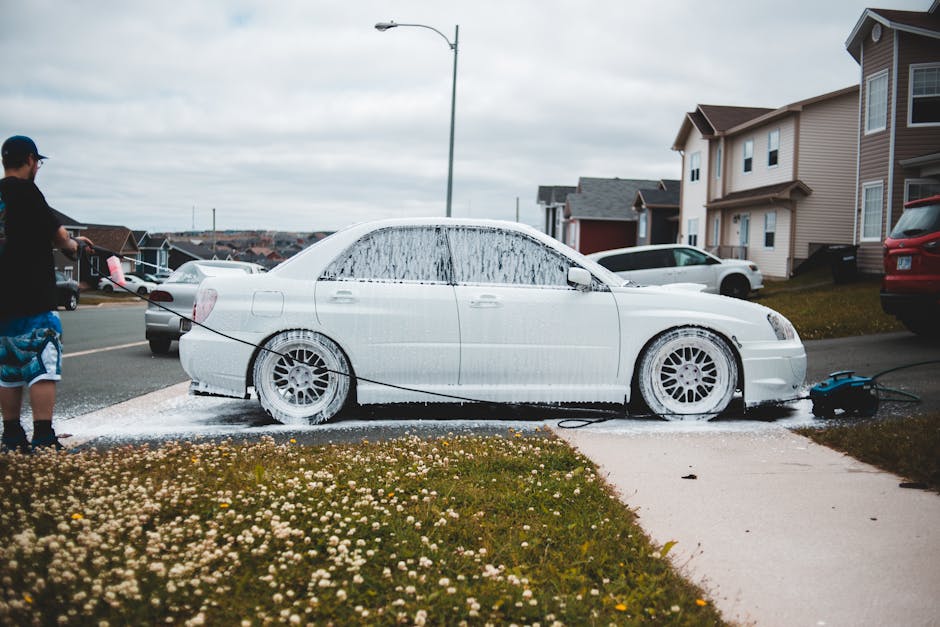
A foam cannon can enhance your washing process. It attaches to your pressure washer. This tool disperses soap evenly over your car. The thick foam clings to dirt, making it easier to wash away. To use, fill the cannon with water and soap. Attach it to the pressure washer and spray. Ensure you cover all areas for the best clean.
Rinsing And Drying Your Car
Use a pressure washer to rinse your car, removing dirt and soap efficiently. Aim the spray downward to avoid water spots. Dry with a microfiber cloth for a spotless finish.
Rinsing and drying your car after using a pressure washer is crucial in achieving that gleaming finish you desire. The final rinse ensures that all soap residue is removed, while proper drying prevents water spots and streaks. Done correctly, these steps can make your car look as if it just rolled off the showroom floor. Here’s how you can perfect these techniques to showcase your vehicle in the best light.Final Rinse Techniques
Use the pressure washer to give your car a thorough final rinse. Start at the top and work your way down. This method ensures that all soap and grime are washed away efficiently. Adjust the nozzle to a wide spray setting. A focused jet might cause damage or leave streaks. The wide spray covers more surface area, providing an even rinse. Check the water pressure. Make sure it’s not too high to avoid damaging the paintwork. The goal is a gentle yet effective rinse.Drying Methods
Grab a microfiber towel to dry your car. It’s gentle on the paint and absorbs water quickly. This reduces the risk of scratching the surface. Consider using a car dryer or blower. These tools can be incredibly effective in reaching those tricky spots where towels can’t. Park your car in a shaded area. Direct sunlight can cause water spots, making your drying efforts less effective. Is there a technique you swear by when drying your car? Finding the right method can save time and enhance the finish.Maintenance Tips For Your Pressure Washer
Regularly check and clean the nozzle for optimal performance. Use a gentle spray setting to avoid damaging the car’s paint. Ensure connections are tight and hoses are free of leaks before starting.
Maintaining your pressure washer is crucial to ensure it performs efficiently every time you use it. Proper upkeep not only extends the lifespan of your machine but also ensures your car gets the best clean possible. Let’s dive into some essential maintenance tips to keep your pressure washer in tip-top shape.Cleaning And Storage
After each use, thoroughly rinse the hose, nozzles, and wand to remove any detergent residue. This prevents clogging and ensures smooth operation next time. Store your pressure washer in a dry place, away from moisture, to prevent rust and corrosion. If you’re storing it for an extended period, consider using a pump saver to protect the internal components.Checking For Wear And Tear
Regularly inspect your pressure washer for any signs of wear and tear. Look for cracks in the hose, nozzle blockages, or any leaks that might affect performance. Replace worn-out parts promptly to avoid further damage. Keeping spare parts handy can save you from unexpected interruptions during your cleaning sessions. By following these tips, you’ll ensure your pressure washer remains a reliable tool in your car cleaning arsenal. Have you noticed any issues with your pressure washer that regular maintenance could solve?Frequently Asked Questions
Is It Okay To Wash A Car With A Pressure Washer?
Yes, washing a car with a pressure washer is okay. Use the correct nozzle and pressure setting. This prevents damage to the paint. Keep a safe distance to avoid harm. Ensure the pressure washer is suitable for vehicles. Always follow manufacturer instructions for best results.
How To Properly Wash A Car With A Pressure Washer?
Use a pressure washer with a gentle setting. Rinse the car thoroughly to remove loose dirt. Apply car shampoo using a foam cannon or spray nozzle. Gently scrub with a microfiber mitt. Rinse well and dry using a microfiber towel to prevent water spots.
What To Spray On A Car Before Pressure Washing?
Use a pH-balanced car soap or pre-wash foam. Apply it using a foam cannon or sprayer. This helps loosen dirt and grime before pressure washing. Always choose products specifically designed for vehicles to avoid damage.
What Detergent To Use In A Pressure Washer For Cars?
Use a specialized car wash detergent for pressure washers. Choose biodegradable options safe for vehicle surfaces. Avoid harsh chemicals to protect the paint. Ensure the detergent is compatible with your pressure washer model for optimal cleaning results. Always follow manufacturer instructions for the best outcome.
Conclusion
Washing your car with a pressure washer is simple and effective. You save time and effort while achieving a clean shine. Remember to use the right nozzle and keep a safe distance. This helps protect your car’s paint from damage.
Regular cleaning with a pressure washer maintains your vehicle’s appearance. It also prevents dirt buildup and protects against rust. Follow these steps for best results. Enjoy a spotless car with less hassle. Keep your car looking great with regular care.
Try pressure washing today for an easy cleaning solution!