
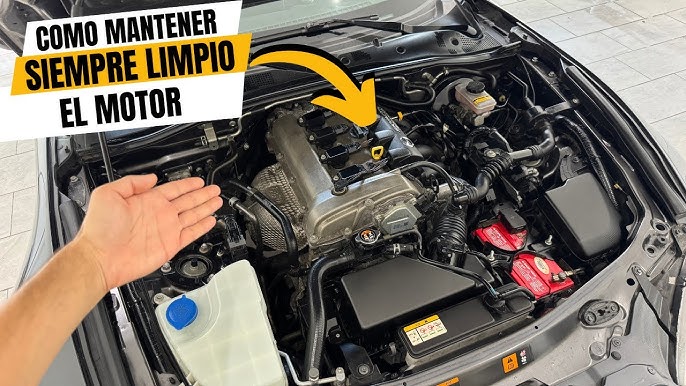
Ever looked under your car’s hood and wondered how to tackle the grime and grease lurking there? You’re not alone.
Keeping your car motor clean isn’t just about aesthetics; it’s crucial for performance and longevity. But where do you start? The thought of washing a car motor might seem daunting, yet it’s easier than you think. Imagine the satisfaction of knowing your car is running smoothly because you’ve taken the time to care for its engine.
You’ll discover simple, effective steps to wash your car motor safely and efficiently. Whether you’re a seasoned car enthusiast or a curious beginner, this guide will empower you with the confidence and knowledge to maintain your engine like a pro. Ready to give your car the care it deserves? Let’s dive in and transform your motor from grimy to gleaming.
Preparing Your Workspace
Preparing your workspace is crucial for washing your car motor. A well-organized area ensures safety and efficiency. Having everything in place prevents disruptions and saves time.
Choosing The Right Location
Select a flat, dry area for your workspace. Concrete or asphalt surfaces are ideal. Avoid grassy or muddy spots. Ensure good ventilation to disperse fumes. Keep away from direct sunlight, which can cause water spots.
Gathering Necessary Tools
Collect all essential tools before starting. You’ll need a bucket, mild detergent, and brushes. A hose with a spray nozzle is important. Protective gear like gloves and goggles is a must. Having rags and a vacuum helps with the cleanup.
Safety Precautions
Washing a car motor requires more than just soap and water. It’s a task that demands attention to detail and, most importantly, safety precautions. Neglecting safety can lead to costly damage or personal injury. As you prepare to clean your engine, keep these safety measures in mind to ensure a smooth and secure process.
Wearing Protective Gear
Think about the dirt and grime you’ll be dealing with—it’s not just about keeping your clothes clean. You should wear gloves to protect your hands from chemicals and sharp edges. Goggles are crucial to shield your eyes from splashes that could cause irritation or harm. You might feel like you’re dressing up for a science lab, but it’s all about keeping yourself safe. Have you ever underestimated the mess a task could make?
Avoiding Electrical Hazards
Water and electricity don’t mix well. Before you start, disconnect the battery to prevent shorts or shocks. Make sure the engine is cool to the touch to avoid burns. Cover any exposed electrical components with plastic bags or waterproof covers. Have you ever thought about the hidden dangers lurking under the hood? A little precaution can save you a lot of trouble.
Initial Motor Inspection
Before you roll up your sleeves and dive into washing your car motor, it’s crucial to begin with an initial motor inspection. This step sets the foundation for a safe and effective cleaning process, ensuring you don’t inadvertently cause damage. Inspecting your motor allows you to identify any potential issues and sensitive components that require special attention during the wash.
Checking For Leaks
Start by examining your motor for any visible leaks. Look for oil stains or coolant puddles under the car. These signs could indicate a problem that needs addressing before you proceed with cleaning. If you spot a leak, consider consulting a mechanic to prevent exacerbating the issue.
Leaks can be subtle, so pay attention to any unusual smells or smoke. Sometimes, these are the first indicators of a hidden leak. Addressing leaks early can save you from costly repairs later.
Identifying Sensitive Components
Once you’ve checked for leaks, move on to identifying the sensitive components in your motor. Parts like the alternator, battery terminals, and electrical connections should be shielded from water exposure. Cover these areas with plastic bags or waterproof covers.
Think about the effect of water on your car’s electrical system. A small oversight could lead to malfunctioning electronics or even a complete breakdown. Protecting sensitive parts ensures a smooth wash without unexpected hiccups.
Do you know which components in your motor are most vulnerable? Understanding this can make the difference between a successful wash and an avoidable disaster.

Credit: www.youtube.com
Selecting Cleaning Products
Keeping your car motor clean is essential for maintaining its performance and longevity. While washing the exterior of your car might seem straightforward, cleaning the motor requires a bit more care and the right products. Choosing the appropriate cleaning products is crucial to ensure that you don’t damage any parts and that your engine remains in top condition. Let’s dive into the specifics of selecting the best cleaning products for your car motor.
Choosing The Right Degreaser
A quality degreaser is your best friend when it comes to removing the grime and oil build-up on your car motor. Opt for a degreaser that is specifically designed for automotive use. These are formulated to break down stubborn grease without harming metal, rubber, or plastic components.
Water-based degreasers are often a good choice for eco-conscious car owners. They are less harsh on the environment and can be safely rinsed away. Check the label to ensure it is safe for your car’s engine type.
Have you ever noticed a significant improvement in your engine’s appearance after using a new degreaser? Share your experience with fellow car enthusiasts in the comments.
Selecting Brushes And Cloths
The tools you use to scrub and wipe your car motor are just as important as the cleaning products. Select brushes with soft bristles to avoid scratching delicate surfaces. Nylon or natural bristle brushes can be effective at reaching into crevices and removing dirt without causing damage.
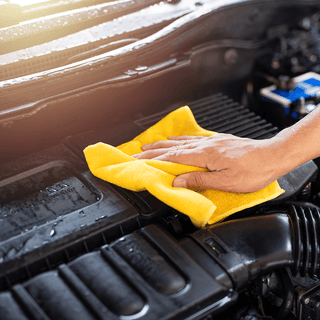
Microfiber cloths are ideal for wiping down the engine after applying the degreaser. They are gentle and absorbent, making them perfect for drying and polishing. Avoid using old rags or towels that might leave lint or scratch the surfaces.
Do you have a favorite brush or cloth that you swear by for engine cleaning? Discuss your preferences and why they work for you.
Engine Cleaning Process
The engine cleaning process is not just about aesthetics; it’s also essential for maintaining your car’s performance. A clean engine can help you spot potential issues early and ensures optimal functioning. Before diving in, remember to let your engine cool down completely to avoid any risk of burns or damage.
Pre-rinsing The Motor
Begin by removing any loose debris or leaves around the engine bay. Use a soft brush to gently sweep away dirt. Then, use a low-pressure hose to rinse off the initial layer of grime. Be cautious to avoid directly spraying electrical components or sensitive areas. This step helps in loosening stubborn dirt and prepares the engine for deeper cleaning.
Applying Degreaser
Choose a high-quality degreaser that’s safe for engine components. Spray the degreaser liberally on the engine and any visible greasy spots. Allow it to sit for a few minutes, giving it time to break down the grease and grime. Remember, the key is to let the product do the hard work for you. Have you ever noticed how much easier cleaning becomes when you allow the degreaser to soak in?
Scrubbing And Brushing
After the degreaser has had time to work, it’s time to scrub. Use a soft-bristled brush to gently scrub the engine surfaces. Pay extra attention to areas with heavy buildup or oil stains. Rinse the brush frequently to avoid spreading grease back onto the engine. Don’t forget the nooks and crannies where dirt tends to hide.
Once scrubbing is complete, rinse the engine thoroughly with a low-pressure hose. Ensure all cleaning agents are removed to prevent residue buildup. Enjoy the sight of a sparkling clean engine, knowing it’s ready to perform at its best.
Credit: www.carsupplieswarehouse.com
Rinsing And Drying
Rinse the car motor gently with a low-pressure hose to remove soap and dirt. Dry thoroughly using a clean microfiber cloth to prevent water spots and rust.
Washing a car motor requires attention to detail. Rinsing and drying are crucial steps. Proper techniques ensure the engine remains in top condition. These steps prevent water spots and damage. Let’s explore how to rinse and dry your car motor effectively.Proper Rinsing Techniques
Begin with a gentle spray of water. Avoid high pressure to prevent water intrusion. Direct the stream downward, guiding dirt and grime away. Use lukewarm water for effective cleaning. Pay special attention to hard-to-reach areas. A soft brush can help dislodge stubborn debris.Drying With Compressed Air
Compressed air is ideal for drying car motors. It reaches areas a towel cannot. Start with the engine block and work outward. Use short bursts to avoid moisture buildup. Keep the nozzle moving to cover all surfaces. This method also helps remove residual water. Finish by wiping visible surfaces with a microfiber cloth.Post-cleaning Inspection
After washing your car motor, a post-cleaning inspection is essential. This step ensures the motor runs smoothly and remains safe. By checking for any leftover dirt and ensuring all components are safe, you can prevent future issues. These checks are crucial for maintaining your vehicle’s health.
Checking For Residual Dirt
Start by examining the motor’s surface for any leftover grime. Use a flashlight to spot hidden dirt in tight spaces. Pay close attention to the corners and crevices. Leftover dirt can cause problems over time. Wipe away any missed spots with a clean, damp cloth. This step ensures your motor is truly clean.
Ensuring Component Safety
Inspect all components for damage or loose connections. Check wires, belts, and hoses for wear or cracks. A loose connection can lead to bigger issues. Make sure all parts are secure and in place. If anything seems off, consult a professional. A quick check now can save expensive repairs later.

Credit: www.msn.com
Maintenance And Upkeep
Keeping your car motor clean extends its life. Regular maintenance and upkeep prevent costly repairs. A clean engine operates more efficiently, saving money on fuel and repairs.
Regular Cleaning Schedule
Create a cleaning schedule for your car motor. Clean the engine every few months to prevent dirt buildup. Frequent cleaning reduces the risk of corrosion and damage. Use a gentle degreaser to remove grime. Avoid harsh chemicals that can harm engine parts. Rinse thoroughly with water and let it dry completely.
Monitoring Engine Performance
<pobserve a="" address="" after="" and="" any="" before="" check="" checks="" clean="" cleaning.="" damage.="" early.="" engine="" escalate.="" for="" help="" how="" improves="" issues="" keeping="" leaks="" listen="" money="" noises="" of="" or="" p="" performance="" performance.="" problems="" regular="" runs="" saves="" spot="" the="" they="" time.Frequently Asked Questions
How Often Should I Wash My Car Motor?
It’s recommended to wash your car motor every 3 to 6 months. Regular cleaning helps prevent dirt buildup and potential damage. Ensure the engine is cool before starting. A well-maintained motor enhances performance and longevity. Always use a gentle cleaner and avoid high-pressure water.
Can I Wash A Car Motor At Home?
Yes, you can wash your car motor at home safely. First, cover sensitive components like the alternator. Use a mild degreaser and soft brush to clean. Rinse with low-pressure water. Ensure everything is dry before starting the engine. This DIY approach saves money and keeps your engine clean.
What Tools Do I Need To Wash A Car Motor?
To wash your car motor, you’ll need a mild degreaser, soft brush, and microfiber cloth. Also, have plastic bags to cover sensitive parts like the alternator. A garden hose with low pressure is ideal for rinsing. These tools ensure an effective and safe cleaning process.
Is It Safe To Wash A Hot Car Motor?
No, it’s not safe to wash a hot car motor. Washing a hot engine can cause damage due to sudden temperature changes. Always allow the engine to cool completely before cleaning. This precaution prevents potential cracking or warping of engine parts, ensuring the motor’s longevity.
Conclusion
Cleaning a car motor keeps it running smoothly and efficiently. It prevents dirt buildup and potential damage. Remember to gather all necessary materials beforehand. Use a gentle cleaner and avoid harsh chemicals. Rinse thoroughly to remove all soap residue. Always dry the engine completely to prevent rust.
Regular maintenance extends your car’s lifespan. It ensures optimal performance and safety on the road. Take time to inspect your work for any missed spots. Consistent care leads to a well-functioning vehicle. Enjoy the satisfaction of a clean and healthy engine.
Happy cleaning!