
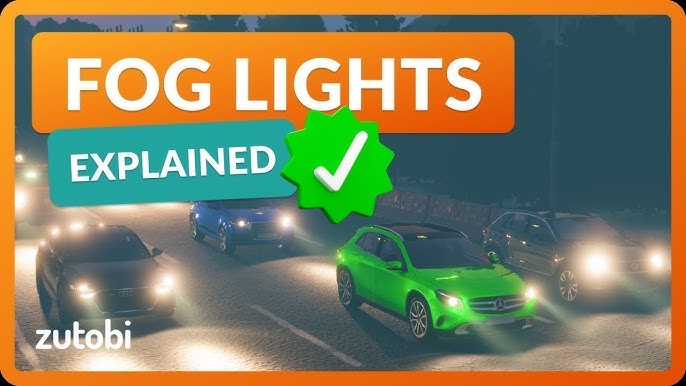
Navigating through foggy conditions can be a nerve-wracking experience. You know that feeling when visibility drops and you’re squinting to make out the road ahead?
Fog lights are your secret weapon in such moments. They’re specially designed to cut through the haze and help you see more clearly. But are you using them correctly? Understanding how to use fog lights in your car can make a significant difference in your driving safety.
You’ll discover practical tips and expert advice to ensure you’re getting the most out of your fog lights. Let’s clear up the fog and enhance your driving confidence.
Importance Of Fog Lights
Fog lights are essential components of your car’s lighting system, specifically designed to enhance visibility during challenging weather conditions. Have you ever driven through dense fog or heavy rain and struggled to see the road ahead? Fog lights can be your lifesaver in these situations, providing a clearer path and reducing the risk of accidents. Understanding their importance is crucial for every driver.
Why Fog Lights Matter
Fog lights are specifically angled to cut through fog, mist, and rain. Unlike regular headlights, which can reflect off water particles and reduce visibility, fog lights minimize glare and illuminate the road directly. This focused beam allows you to see the edges of the road, helping you stay on track.
Safety First
Imagine driving on a foggy morning where visibility is almost zero. Without fog lights, you might miss critical signs or even pedestrians. Fog lights ensure you have a better view of the road, making your journey safer for you and others. It’s not just about your safety; it’s about being a responsible driver.
Enhancing Your Driving Confidence
Have you ever felt anxious while driving in bad weather? Fog lights can boost your confidence by giving you a clearer view of the road. Knowing you can rely on them in difficult conditions can make driving less stressful. It’s about feeling secure and assured behind the wheel.
How Fog Lights Differ From Regular Headlights
Regular headlights aim higher and can cause reflections in foggy conditions, blinding you momentarily. Fog lights, however, are mounted lower and provide a wide, flat beam directly onto the road. This difference ensures better visibility and reduces the chances of glare from fog or rain.
When Should You Use Fog Lights?
Not all weather conditions require fog lights. They are best used in fog, heavy rain, or snow. If the weather clears up, switch them off to avoid blinding other drivers. It’s about using them wisely and ensuring optimal visibility when you need it most.
Next time you’re faced with poor weather conditions, consider the role of fog lights in your driving experience. Are you maximizing their potential? Understanding their importance can transform your approach to driving in challenging conditions, ensuring your safety and peace of mind.
When To Use Fog Lights
Using fog lights is essential during foggy, rainy, or snowy conditions. They improve visibility on the road, enhancing safety. Turn them on when regular headlights are not enough.
Driving in foggy conditions can be nerve-wracking. Visibility is reduced, and even the most familiar roads can seem unfamiliar. This is where fog lights come into play. They provide a wide, low beam of light, illuminating the road directly in front of you. But when exactly should you switch them on? Knowing the right moments to use fog lights can make your drive much safer and more comfortable.When Visibility Drops Significantly
Fog lights are most effective when visibility is seriously compromised. If you find it hard to see more than a few meters ahead, it’s a good time to use them. Think of those early morning drives when the world seems wrapped in a thick, gray blanket. In such scenarios, fog lights can help you navigate safely.During Heavy Rain Or Snow
While fog lights are primarily designed for fog, they can also be useful in heavy rain or snow. These conditions can scatter the light from your regular headlights, creating a glare. Fog lights, with their lower positioning, minimize this glare and help you see more clearly. Have you ever driven in a rainstorm and felt like your headlights were only making things worse? Fog lights can reduce that issue.On Winding Roads With Limited Visibility
Winding roads present their own challenges, especially in poor visibility conditions. Fog lights can illuminate the edges of the road, helping you stay on course. Picture driving through a mountain pass in the mist; fog lights can make each curve less treacherous. They offer more illumination on the sides of the road, which is crucial for avoiding obstacles.Early Morning Or Late Evening Drives
Fog often settles during early mornings or late evenings. If you’re a commuter who hits the road during these times, keeping your fog lights handy is wise. Ever noticed how the world seems eerily quiet and misty during these hours? That’s the perfect cue for your fog lights to shine.When Regular Headlights Aren’t Enough
If you find that your regular headlights aren’t cutting through the fog, it’s a sign to switch to fog lights. They’re designed specifically for this purpose, providing the clarity you need. Have you ever strained your eyes trying to see through the fog with just your regular beams? That’s when fog lights can be a game-changer. Using fog lights appropriately not only enhances your safety but also ensures you are not dazzling other road users. So, next time you’re driving in challenging weather, remember these tips and make your journey smoother and safer.Fog Light Types
Fog lights improve visibility in poor weather conditions. Use them when driving in fog, rain, or snow. They illuminate the road directly ahead, reducing glare and enhancing safety.
When driving through foggy conditions, fog lights are essential for safety. They help illuminate the road and enhance visibility. Understanding the types of fog lights can make a difference in how you use them. There are primarily two types: front fog lights and rear fog lights. Each serves a unique purpose to ensure safe driving.Front Fog Lights
Front fog lights are positioned low on the car’s front bumper. Their low placement helps reduce glare. They illuminate the road surface directly ahead. This helps drivers spot obstacles on the road. Front fog lights are designed to spread light widely. This aids in seeing the edges of the road clearly. They are beneficial during dense fog, rain, or snow. Use them in low visibility situations, not as regular headlights.Rear Fog Lights
Rear fog lights are crucial for alerting drivers behind you. They are brighter than regular taillights. This intense brightness helps in poor visibility conditions. Rear fog lights signal your car’s presence. They reduce the risk of rear-end collisions. Ensure they are turned off when not needed. Their brightness can be distracting in clear conditions. Use them responsibly to ensure safety on the roads.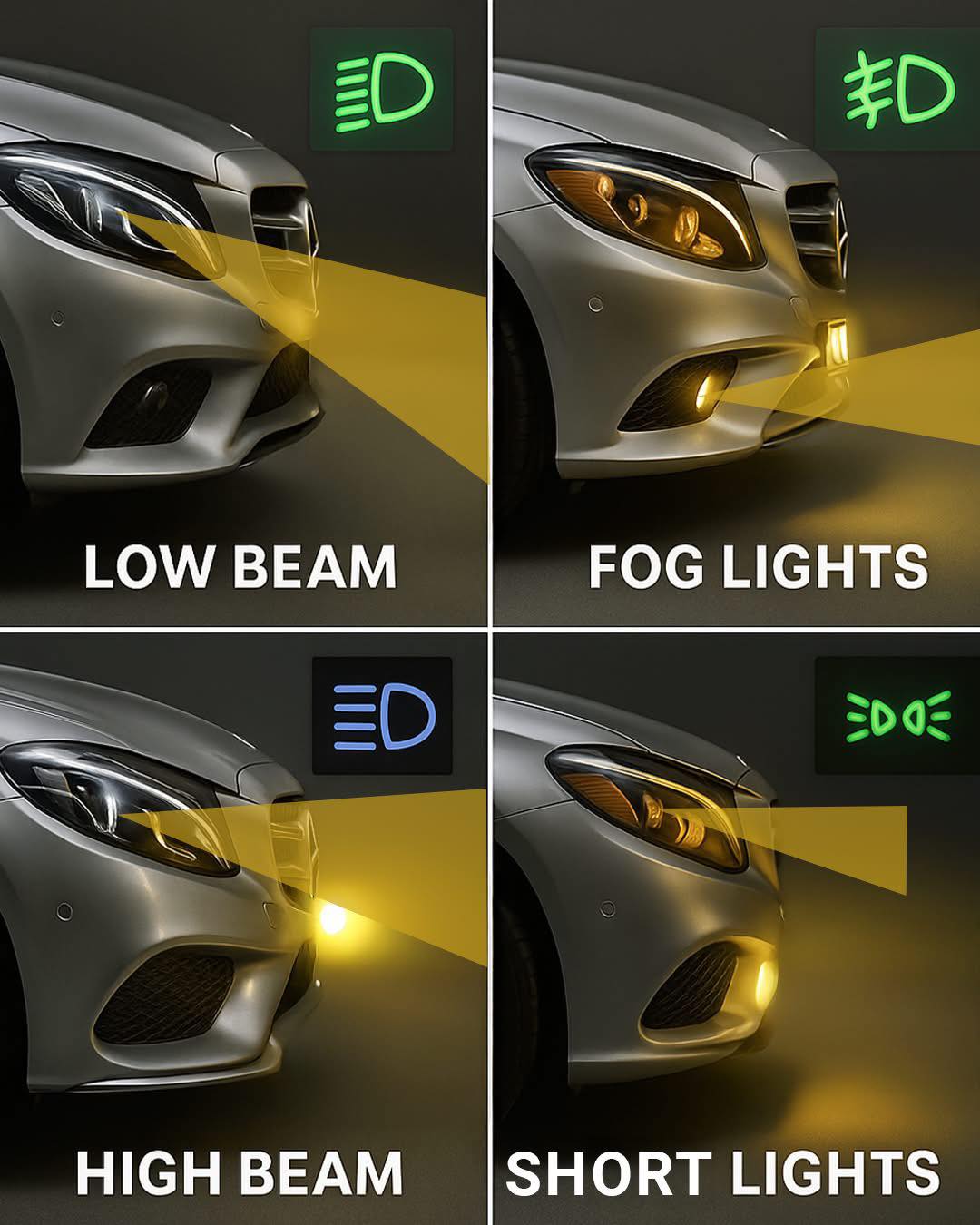
Credit: www.facebook.com
How To Activate Fog Lights
Activating fog lights involves locating the switch, often found near the dashboard. Turn on the headlights first, then press or toggle the fog light button. This enhances visibility in misty conditions, improving safety.
Activating fog lights in your car can significantly enhance your driving safety during foggy conditions. It’s crucial to understand how to turn them on, as these lights are specially designed to cut through fog and improve visibility. Many drivers may overlook fog lights, thinking they’re complicated to use. However, with a little guidance, you can easily harness their power and ensure a safer journey when the weather gets murky.Dashboard Controls
Your car’s dashboard is your command center for controlling various functions, including fog lights. Typically, fog light controls are located near the headlights switch. Look for a dial or button dedicated to lighting. In some vehicles, the fog light switch is integrated with the main light control, requiring you to pull or twist the knob to activate them. Always consult your vehicle’s manual if you’re unsure. It will provide detailed instructions specific to your car model.Fog Light Symbols
Fog light symbols are universally recognized icons that indicate the activation of fog lights. Familiarize yourself with these symbols to avoid confusion. A common front fog light symbol resembles a horizontal line with three downward-slanting lines through it. The rear fog light symbol typically has a similar design but with one vertical line instead. Ensure you activate the correct set of fog lights. Misuse can lead to a fine or reduced visibility for other drivers. Understanding these symbols will help you confidently navigate foggy conditions, enhancing your safety on the road. Have you ever found yourself struggling to see on a foggy day, wishing for better visibility? Knowing how to activate your fog lights can make all the difference.Proper Usage Techniques
Proper usage of fog lights can make a significant difference in visibility during adverse weather conditions like fog, heavy rain, or snow. Understanding how to use them correctly not only enhances safety but also ensures compliance with traffic regulations. Let’s dive into some effective techniques to optimize your fog light usage.
Avoiding High Beams
High beams in foggy conditions can actually reduce visibility. The intense light reflects off the fog, creating a glare that makes it harder to see the road. Instead, rely on your fog lights, which are specifically designed to cut through fog and illuminate the road surface directly ahead.
Think of fog lights as your low-profile allies. They provide a wider beam spread at a lower height, helping you navigate without the blinding reflection that high beams cause.
Adjusting Light Angles
Adjusting the angle of your fog lights is crucial for optimal performance. If they are angled too high, they will mimic the effect of high beams, bouncing light off the fog rather than penetrating it.
Ensure your fog lights are angled slightly downward. This adjustment allows the light to target the road directly, improving your view and reducing glare.
Test this adjustment in a safe environment before hitting foggy roads. A quick check can save you from unexpected surprises in poor visibility conditions.
Have you ever faced challenges while driving in fog? What adjustments worked best for you? Feel free to share your experiences in the comments below!
Legal Considerations
Understanding the legal considerations for using fog lights is essential. Each region may have different rules about their use. Misusing fog lights can lead to penalties. Proper usage ensures safety and compliance with the law.
Local Regulations
Local regulations dictate when fog lights can be used. Some areas allow them only in fog, rain, or snow. Others might have stricter rules. Always check your local traffic laws. This helps avoid unnecessary fines.
Penalties For Misuse
Improper use of fog lights can lead to penalties. These might include fines or points on your license. It’s crucial to use fog lights only when needed. Avoid using them in clear weather. This ensures you don’t distract other drivers.
Maintenance Tips
Ensure fog lights are clean and functional for clear visibility. Use them in fog, rain, or snow conditions. Avoid using fog lights in clear weather to prevent glare for other drivers.
Maintaining your car’s fog lights is essential for ensuring optimal visibility during adverse weather conditions. Proper care not only extends their lifespan but also enhances safety during your drives. Let’s dive into some practical maintenance tips that will keep your fog lights shining brightly whenever you need them.Regular Cleaning
Fog lights are positioned low on your car, making them prone to dirt, grime, and mud accumulation. Regular cleaning can help maintain their clarity. Use a soft cloth and a mild cleaner to gently wipe the lenses. Avoid abrasive materials that could scratch the surface. Consider checking your fog lights after driving through muddy or dusty areas. A quick rinse can prevent buildup and keep your lights effective.Bulb Replacement
Fog light bulbs can dim or burn out over time, affecting their performance. Knowing how to replace them is crucial. Check your car’s manual for the correct bulb type and replacement procedure. Keep a spare bulb in your glove compartment for emergencies. Swapping out a bulb is usually straightforward, but if you’re unsure, ask a professional for guidance. Have you ever tried changing a bulb and felt like you were solving a puzzle? It’s easier than it seems with a bit of practice.
Credit: www.tiktok.com
Common Mistakes
Using fog lights correctly can significantly enhance your driving safety in foggy conditions. However, many drivers unknowingly misuse them, leading to potential dangers and inefficiencies. Recognizing these common mistakes can make a difference in your road experience.
Overuse In Clear Conditions
One of the most frequent errors is using fog lights when visibility is clear. This overuse not only blinds other drivers but also violates traffic regulations in many regions. Imagine driving on a bright, clear night and suddenly being blinded by intense light from another car. It’s distracting and dangerous.
Fog lights are designed for specific conditions where visibility is significantly reduced. Using them unnecessarily drains your car’s battery faster. It also makes it harder for other drivers to gauge your vehicle’s size and distance.
Have you ever been tempted to leave them on just because they look cool? Remember, using them appropriately is not just about following the rules; it’s about ensuring everyone’s safety on the road.
Incorrect Installation
Another common oversight is improper installation of fog lights. Incorrectly aligned lights can either point too high or too low. This not only defeats their purpose but can also endanger you and others on the road.
Imagine driving through thick fog, expecting your fog lights to cut through, but instead, they illuminate the sky or just a few feet ahead. Frustrating, right?
Ensure your fog lights are installed by a professional or follow the manufacturer’s guide closely. This small step can significantly improve your visibility and safety during foggy drives. Have you checked if your fog lights are properly aligned?
Safety Benefits
Fog lights enhance visibility in poor weather conditions like fog, rain, or snow. They illuminate the road ahead, reducing glare and helping drivers spot hazards more easily. Proper use of fog lights ensures safer driving by improving visibility without distracting other drivers.
Fog lights play a crucial role in enhancing safety during driving. They are designed to improve visibility in challenging weather conditions. Their strategic placement and specialized light patterns help drivers navigate safely. Let’s explore the specific safety benefits of fog lights.Improved Road Visibility
Fog lights illuminate the road directly in front of your car. This helps you see the road markings clearly. They are especially useful in fog, rain, or snow. Their low placement allows light to cut through fog. It reduces the reflection and glare caused by headlights. This ensures a clearer view of the road. It helps you react quickly to any obstacles. Enhanced visibility means safer driving.Reduced Glare For Other Drivers
Standard headlights can create glare for oncoming drivers. Fog lights minimize this issue significantly. Their beams are directed downward, reducing glare. This helps other drivers maintain their visibility. It creates a safer driving environment for everyone. By using fog lights, you contribute to road safety. You help prevent accidents caused by temporary blindness.
Credit: www.youtube.com
Frequently Asked Questions
How To Use Fog Lights Correctly?
Use fog lights in foggy or misty conditions for better visibility. Turn them off in clear weather. Aim lights low to prevent glare. Only use in conjunction with dipped headlights. Check local regulations, as rules for fog light usage vary.
When Should I Put My Fog Lights On?
Use fog lights during heavy fog, rain, or snow to improve visibility. Turn them on in low-light conditions when regular headlights aren’t enough. Avoid using them in clear weather to prevent dazzling other drivers. Always follow local regulations regarding fog light usage.
Safety and visibility are key considerations.
How Do Fog Lights Work On A Car?
Fog lights illuminate the road directly ahead, cutting through fog, rain, or snow. They emit a wide, short beam. Positioned lower on the vehicle, they reduce glare and improve visibility. Typically used in poor weather conditions, they ensure safer driving by highlighting road edges and obstacles.
Do You Put Headlights On With Fog Lights?
Yes, turn on headlights with fog lights for better visibility. Headlights improve road illumination, while fog lights cut through fog. Combining both ensures safer driving in poor weather conditions. Always check local laws, as regulations vary.
Conclusion
Fog lights make driving safer during misty conditions. They cut through fog, enhancing visibility. Use them only in fog or heavy mist. Turn them off when visibility improves. Avoid using fog lights in clear weather. They can blind other drivers.
Check your car’s manual for proper use. Regularly maintain fog lights for best performance. Clean them often to ensure clarity. Always prioritize safety on the road. Drive carefully in foggy weather. Keep your lights in good condition. Remember, fog lights are crucial tools, not decorative features.
Use them wisely for a safer journey.