

Have you ever found yourself in a situation where your car’s brake lights just won’t turn off? You park your vehicle, step out, and notice those lights stubbornly glowing, refusing to dim.
It’s not only annoying but can also drain your battery, leaving you with a frustrating problem. You’re not alone, and fortunately, there’s a way to tackle this issue. Picture this: you’re preparing for a long-awaited road trip, excited to hit the open road.
But, as you pack the last of your luggage, you realize your brake lights are still on, even though the engine is off. Instead of focusing on the adventure ahead, you’re left wondering how to fix this glitch before it disrupts your plans. In this guide, we’ll walk you through the steps to turn off your car’s brake lights, offering practical solutions and troubleshooting tips. By the end of this article, you’ll have the knowledge and confidence to ensure your brake lights operate as they should, saving you time, energy, and potentially your car’s battery life. Let’s dive in and get your car ready for its next journey, free from the worry of persistent brake lights.
Credit: www.mdxers.org
Common Causes Of Persistent Brake Lights
Faulty brake light switches often cause persistent brake lights. A stuck or misaligned brake pedal can also keep lights on. Damaged wiring may lead to continuous illumination.
Persistent brake lights can be more than just a minor inconvenience; they might be signaling underlying issues with your vehicle. Understanding the common causes can save you time and money, not to mention prevent potential accidents. Imagine driving home late at night and realizing your brake lights are stuck on. This not only confuses other drivers but can also drain your battery. Let’s explore what might be causing this problem, so you can tackle it effectively.Faulty Brake Light Switch
The brake light switch is often the culprit behind persistent brake lights. This small device is located near the brake pedal and activates the lights when you press the pedal. If it’s damaged or misaligned, your lights could stay on even when you’re not braking. Check its position and functionality by gently pressing the pedal and observing whether the lights respond correctly.Stuck Pedal Or Misadjusted Brake Pedal
A brake pedal that doesn’t fully return to its resting position can keep the lights on. Sometimes, dirt or debris can cause the pedal to stick. Ensure the pedal’s return spring is functioning well and isn’t blocked by any obstructions. A simple cleaning or readjustment might resolve the issue.Electrical Issues
Electrical problems, such as short circuits or frayed wires, can lead to persistent brake lights. Inspect the wiring connected to your brake lights for any visible damage. An electrical issue might require professional help, so don’t hesitate to consult a mechanic if you suspect a deeper problem.Malfunctioning Relay
The brake light relay helps control the electrical flow to the lights. A malfunctioning relay can cause the lights to stay on continuously. Replacing a faulty relay is usually straightforward and can be done with basic tools.Damaged Brake Light Bulb
A damaged or improperly installed bulb can cause persistent illumination. Check if the bulb is seated correctly and replace it if necessary. Sometimes, the bulb’s socket might be corroded, causing a connection issue. Have you ever experienced a situation where your brake lights wouldn’t turn off? What did you discover was the cause? Addressing these common issues can prevent further complications and ensure your vehicle operates safely.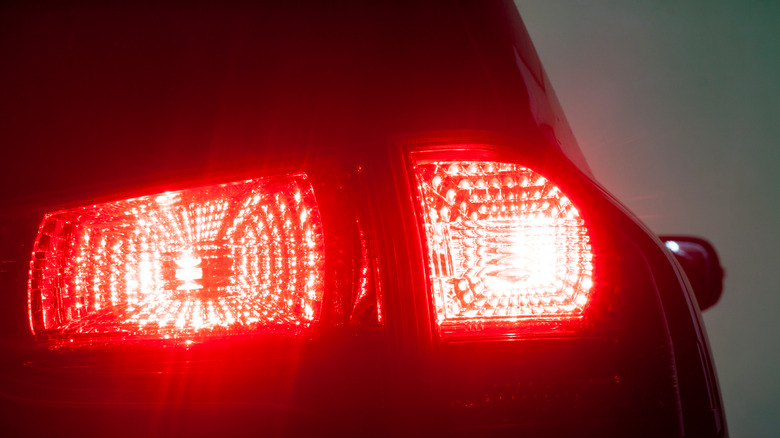
Credit: www.jalopnik.com
Safety Precautions Before Starting
Ensure the car is parked on a flat surface. Turn off the engine and remove the key. Engage the parking brake to prevent any movement.
Before you start fiddling with your car’s brake lights, it’s crucial to keep safety at the forefront of your mind. Ensuring that you’re following the right steps can prevent unnecessary mishaps and keep both you and your car in optimal condition. It might seem straightforward, but overlooking basic precautions can lead to unexpected issues.Check Your Surroundings
Always start by ensuring your car is parked on a flat, stable surface. This prevents your car from rolling unexpectedly. Engage the parking brake for added security.Gather Necessary Tools
Before diving into the task, make sure you have the right tools on hand. A simple toolkit with screwdrivers and a flashlight can be incredibly useful. Having the right tools not only makes the job easier but also reduces the chances of damaging your car.Wear Safety Gear
Safety glasses and gloves aren’t just for show; they protect you from potential injuries. Brake light bulbs can get surprisingly hot, and gloves help shield your hands. A pair of safety glasses can keep dust and debris out of your eyes.Disconnect The Battery
To avoid any electrical shocks, disconnect the car battery before starting work. This step is often overlooked but is essential for your safety. It also prevents any accidental short circuits while you’re working.Consult Your Car Manual
Your car’s manual is a treasure trove of information. It provides specific instructions for your car model, ensuring you’re not flying blind. Taking a few minutes to glance through it can save you a lot of time and trouble. These precautions might seem like extra steps, but they make a huge difference in ensuring a smooth, hassle-free experience. Have you ever skipped a step and regretted it later? Taking the time to prepare can turn a daunting task into a simple routine.Tools Required For The Task
A wrench and screwdriver are essential tools to access and adjust the brake light switch. A flashlight can help illuminate hard-to-see areas under the dashboard.
Turning off car brake lights involves some simple tools. These tools ensure you perform the task safely and efficiently. Equipping yourself with the right tools makes the process smoother and less stressful. Let’s dive into the essential tools you’ll need for this task.Basic Tool Kit
A basic tool kit is essential. It usually includes screwdrivers, pliers, and a wrench. These help in accessing and adjusting brake light components. Ensure the tools are in good condition. This avoids any damage or injury during the task.Flashlight
A flashlight is crucial for visibility. It helps you see the brake light area clearly. A compact flashlight is ideal. You might need it in dimly lit conditions or at night.Protective Gloves
Protective gloves safeguard your hands. They prevent cuts and bruises when handling sharp edges. Choose gloves that fit snugly. This ensures better grip and control over tools.Multimeter
A multimeter checks the electrical connections. It ensures the brake light circuit works properly. Use it to test voltage and continuity. This helps identify any electrical issues quickly.Replacement Bulbs
Keep replacement bulbs handy. In case the brake light bulb is faulty, a quick replacement is possible. Ensure the bulbs match your car’s specifications. This avoids compatibility issues.Owner’s Manual
The owner’s manual is your guide. It provides specific instructions for your car model. Refer to it for detailed steps and diagrams. This ensures you follow the correct procedure. Having these tools ready simplifies the task. It ensures you handle the brake lights efficiently.Inspecting The Brake Light Switch
Inspecting the brake light switch can help identify issues with car brake lights. Ensure the switch is correctly aligned and functioning. Adjust or replace if necessary to prevent brake lights from staying on.
Inspecting the brake light switch is a crucial step in solving the mystery of brake lights that won’t turn off. This small but essential component acts like a detective in your car’s electrical system, determining when your brake lights should illuminate. A faulty brake light switch might keep your brake lights on even when you’re not pressing the pedal, leading to confusion and potential safety issues. Are you ready to dive into the detective work of inspecting your car’s brake light switch?Locating The Brake Light Switch
The brake light switch is usually located near the brake pedal arm. You might need to crouch down and peer under the dashboard to find it. It’s often a small rectangular device with a plug connected to it. If you’re unsure, check your car’s manual for a diagram. Having a flashlight on hand can make this task easier, especially in dimly lit spaces.Testing The Switch For Faults
To test the switch, you can use a multimeter. First, disconnect the switch from its wiring harness. Set your multimeter to measure continuity, and touch its probes to the switch terminals. With the brake pedal released, the multimeter should show no continuity. When you press the pedal, you should see continuity. If the results are inconsistent, it might be time to replace the switch. Have you ever experienced a moment where a simple adjustment solved a persistent problem? It’s empowering, right? Sometimes, a minor tweak to the switch alignment can resolve the issue without needing a replacement. Why not give it a try? Adjusting the switch position or cleaning its connectors might be all that’s needed to turn off those stubborn brake lights.Adjusting Or Replacing The Brake Light Switch
Adjusting or replacing the brake light switch can solve persistent brake light issues. This simple fix ensures your brake lights turn off when needed. Proper function prevents battery drain and enhances road safety.
Adjusting or replacing the brake light switch is essential for car maintenance. This small component plays a big role. It ensures brake lights function correctly. A malfunctioning switch can lead to safety issues. It may cause brake lights to stay on or not work at all. Addressing issues with this switch can save time and money. Here’s how you can adjust or replace it.Adjusting The Switch Position
First, locate the brake light switch near the brake pedal. Look for a small box or cylinder with wires. To adjust, gently push the switch towards the brake pedal. This ensures the button inside makes contact. Test the brake lights by pressing the pedal. If the lights turn off and on, the position is correct. If not, adjust it slightly again. Make sure not to force the switch. It should move smoothly.Replacing A Faulty Switch
If adjusting doesn’t fix the issue, consider replacing the switch. Start by disconnecting the car battery. This prevents electrical shock. Next, remove the switch by loosening the attached nuts or clips. Take note of how wires connect. Use the same pattern for the new switch. Install the new switch by securing it in place. Reconnect the car battery. Test the brake lights to ensure they work properly. A new switch often solves persistent problems.Checking Fuse And Wiring Issues
Checking the fuse and wiring issues can help fix brake lights that stay on. Inspect the fuse for any damage, and ensure all wiring connections are secure. This simple check might solve the problem without needing professional help.
When your car’s brake lights remain on, it can be more than just a nuisance—it can drain your battery or confuse other drivers. One of the common culprits behind this issue lies in the fuse and wiring system of your vehicle. Understanding how to inspect these components can save you time and frustration. So, let’s dive into the nitty-gritty of checking fuse and wiring issues to solve the problem efficiently.Inspecting The Fuse Box
First, locate your vehicle’s fuse box. It’s usually found beneath the dashboard or near the engine compartment. You might have a manual that indicates its exact location. Once you’ve found it, check the diagram on the fuse box cover to identify the fuse related to your brake lights. Carefully pull out the fuse using a fuse puller or tweezers. Examine it to see if it’s blown—look for a broken wire or a discolored, cloudy appearance inside the fuse. If it’s blown, replace it with a new one of the same amperage rating. Replacing a blown fuse is straightforward, but make sure you’re using the correct type. Having a few spare fuses in your glove compartment can be a lifesaver. Have you ever been stranded with a minor issue like this? It might be wise to prepare for unexpected situations.Examining Wiring Connections
Next, shift your focus to the wiring connections associated with the brake lights. Inspect the wires leading to the brake lights for any visible damage or wear. A frayed or broken wire can disrupt the electrical flow, keeping the lights on. Follow the wiring from the brake pedal switch to the brake lights. Check for any loose connectors or corrosion. Tighten loose connections and clean any rust or dirt that might be affecting the circuit. It might be tedious to track down every wire, but this diligence can prevent future electrical mishaps. Have you ever discovered hidden issues while checking wiring? Sometimes uncovering one problem can lead to solving others you didn’t even know existed. By inspecting the fuse box and examining wiring connections, you’re taking proactive steps to address one of the common causes of persistent brake lights. This hands-on approach empowers you to handle minor car issues independently, saving both time and money.Consulting A Professional Mechanic
Brake lights are essential for safe driving. They alert others when you slow down or stop. Yet, sometimes these lights stay on even when not needed. This could be due to a malfunction. In such situations, consulting a professional mechanic is wise. A mechanic can diagnose and fix the issue efficiently. They have the expertise and tools to handle brake light problems. Let’s explore why seeking professional help is beneficial.
Understanding The Importance Of Professional Help
Professional mechanics know car systems inside out. They have the training to identify complex issues. Brake light problems can stem from various causes. A mechanic can pinpoint the exact problem quickly.
What A Mechanic Can Do For You
A mechanic can perform a thorough inspection. They can check wiring, switches, and bulbs. This ensures all parts function correctly. They can also replace faulty components. Mechanics have access to specialized tools. This allows them to fix problems efficiently.
Ensuring Long-term Solutions
Mechanics provide long-term solutions. They ensure the problem won’t recur soon. This saves you time and money in the future. A professional fix can extend your car’s lifespan.
Peace Of Mind With Expert Assistance
Consulting a mechanic offers peace of mind. You know your car is in safe hands. They ensure your brake lights work perfectly. This is crucial for your safety on the road.
Choosing The Right Mechanic
Choose a mechanic with good reviews. Look for certifications and experience. This ensures you receive quality service. A skilled mechanic can resolve brake light issues effectively.

Credit: www.facebook.com
Preventative Measures For Brake Light Issues
Regularly check brake light bulbs for any signs of wear and tear. Ensure the brake light switch functions properly to prevent continuous illumination. Adjust the brake pedal switch if needed to avoid brake light issues.
Preventative measures help avoid brake light issues in your car. Regular care ensures they function correctly, saving time and money. By understanding these measures, you can keep your vehicle safe on the road.Regular Maintenance Tips
Regular maintenance is key to preventing brake light problems. Check your brake lights every month. Ensure they illuminate properly when the brake pedal is pressed. Clean the light covers to remove dirt and grime. This helps the lights shine bright and clear. Replace burnt-out bulbs immediately to maintain safety. Use the correct bulb type for your car model.Monitoring Brake System Health
Monitoring the brake system health prevents future issues. Listen for unusual noises when braking. Squeaking or grinding sounds may indicate problems. Inspect brake fluid levels regularly. Low fluid can affect brake performance. Check the brake pads and rotors for wear. Worn parts can lead to brake light activation. Have a professional inspect the entire brake system yearly. A thorough check ensures everything works as it should.Frequently Asked Questions
How Do I Shut Off The Brake Lights?
To shut off brake lights, check if your vehicle’s brake pedal is stuck. Adjust or replace the brake light switch located near the pedal. Ensure the lights aren’t triggered by faulty wiring or a blown fuse. Consult a mechanic if issues persist for safe resolution.
What Causes Brake Lights To Stay On When The Car Is Off?
Faulty brake light switch often causes brake lights to stay on. This switch might be stuck or misaligned. Damaged wiring or blown fuse can also lead to this issue. Checking and replacing faulty components can resolve the problem efficiently. Always consult a professional mechanic for accurate diagnosis and repair.
How Do I Fix My Brake Light Not Turning Off?
Check the brake light switch under the dashboard. Adjust or replace it if faulty. Inspect wiring and fuses. Ensure the pedal isn’t stuck. If problems persist, consult a professional mechanic. Regular maintenance prevents future issues.
Where Is The Brake Light Switch?
The brake light switch is located near the brake pedal. It’s typically mounted on the pedal assembly. This switch activates the brake lights when you press the pedal. Check your vehicle’s manual for exact placement. If needed, consult a professional mechanic for assistance.
Conclusion
Turning off car brake lights is simple. Follow the steps carefully. Ensure safety first. Disconnect the battery to avoid shocks. Identify the brake light switch. Adjust or replace it if needed. Test the lights after adjustments. Check for any issues.
Regular maintenance prevents future problems. Keep your vehicle manual handy. Consult a professional if unsure. Proper functioning lights keep you safe. Remember, safety on the road matters. A small check saves bigger troubles. Stay alert and proactive. Your car’s health is important.
Enjoy safer drives with well-maintained brake lights.