
Picture this: you’re driving home late at night, and suddenly, your car breaks down in the middle of nowhere. It’s a scenario no one wants to experience, but it’s one you can prepare for.
Having an emergency car kit can transform a stressful situation into a manageable one. Imagine the peace of mind knowing you have the essentials to handle unexpected car troubles. You might think assembling a kit is complicated or expensive, but the truth is, it’s simpler than you think.
By crafting your own emergency car kit, you empower yourself with the tools to tackle challenges head-on. Are you ready to discover how to create a kit that fits your needs? Let’s dive in and make sure you’re prepared for any road trip hiccup.

Credit: grimworkshop.com
Choosing The Right Container
Choosing the right container for your emergency car kit is a crucial step in ensuring that your supplies are organized and easily accessible when you need them most. The container you select should be durable, spacious, and fit seamlessly in your vehicle. Think about the specific needs of your car and travel habits. Are you a frequent road-tripper, or do you mostly drive in urban areas? Your lifestyle can influence the ideal container choice.
Size Matters
The size of your emergency kit container should be compatible with the available space in your vehicle. Consider the trunk or under-seat storage options. You want a container that holds all necessary items without overcrowding. A compact, well-organized kit is more efficient than one that’s too large and cumbersome.
Material And Durability
Opt for a container made from durable materials like heavy-duty plastic or metal. These containers can withstand rough handling and protect your supplies from damage. Avoid flimsy containers that might crack or break under pressure. Remember, your kit could be exposed to various elements, so choose wisely.
Accessibility And Organization
Look for containers with compartments or dividers. This feature will help you organize your kit efficiently, making it easier to find what you need quickly. You don’t want to be rummaging through a pile of supplies in an emergency. Easy access can make all the difference.
Consider Versatility
Think about a container that can double as a seat or step stool. This can be handy in situations where you need an extra boost or a place to sit. Multi-functional containers add value to your kit and might surprise you with their utility.
Weather Resistance
Your container should be weather-resistant. It should protect your supplies from rain, snow, and extreme temperatures. Sealed lids and waterproof materials can help keep your kit dry and functional in adverse conditions. Check for containers with these features.
Choosing the right container is not just about picking any box; it’s about making a thoughtful decision that aligns with your needs and ensures your emergency supplies are safe and ready when you need them. What kind of container would fit perfectly in your car? Consider your options carefully to build a reliable emergency kit.
Essential Tools And Equipment
Having an emergency car kit can be a lifesaver when you’re on the road. It’s not just about preparing for the worst; it’s about ensuring peace of mind for you and your passengers. Let’s dive into some essential tools and equipment that you should include in your kit to be ready for any unexpected situations.
Jumper Cables
Jumper cables are a must-have for any vehicle. Picture this: you’re stuck in a parking lot with a dead battery, and there’s no help in sight. With a set of reliable jumper cables, you can quickly get back on the road by connecting your battery to another vehicle’s battery. Choose cables that are at least 10 feet long and have heavy-duty clamps to ensure they’re up to the task.
Tire Repair Kit
A flat tire can turn a great day into a frustrating ordeal. A tire repair kit can save you from waiting hours for roadside assistance. These kits typically include tire sealant and a small air compressor. You’ll be surprised at how quickly you can fix a puncture and inflate your tire, getting you back to your journey in no time.
Multi-tool
A multi-tool is like having a toolbox in your pocket. Whether you need to tighten a screw or cut a loose wire, a multi-tool has you covered. Look for one that includes pliers, a knife, screwdrivers, and scissors. Its compact size makes it easy to store in your glove compartment, yet it’s versatile enough to handle various minor repairs.
What other tools have you found indispensable in your car kit? Share your thoughts and experiences below!
First Aid Supplies
In emergencies, having first aid supplies in your car can be crucial. These supplies help manage minor injuries on the spot, preventing them from getting worse. Packing a well-equipped first aid kit ensures you are prepared for unexpected situations. Include basic items like bandages, antiseptic wipes, and pain relievers. A comprehensive kit can make all the difference when you need it most.
Basic First Aid Kit
A basic first aid kit should contain essential items. Band-aids, gauze pads, and adhesive tape are must-haves. Antiseptic wipes and ointments help clean wounds. Include tweezers and scissors for cutting bandages or removing splinters. Pain relievers like aspirin or ibuprofen can ease discomfort. Consider adding a thermometer to monitor fevers. Always check expiration dates and replace items regularly.
Emergency Contacts List
An emergency contacts list is vital in your car kit. Include phone numbers for family members and close friends. List your primary doctor’s contact information. Add numbers for roadside assistance and your car insurance provider. Keep this list in a waterproof folder. Update it with any new contacts or changes. A quick call can save time and stress during emergencies.
Safety And Survival Items
Creating your own emergency car kit is essential for safety on the road. Include basic items like a flashlight, first aid supplies, and a blanket. Pack tools such as jumper cables and a tire repair kit for unexpected breakdowns.
Safety and survival items are crucial in any emergency car kit. These items provide essential support during unexpected situations. They can be life-saving when you’re stranded on the road. Ensuring you have the right tools can make all the difference. Prepare your kit with these essential safety items.Flashlight And Batteries
A flashlight is a must-have in your emergency kit. It helps you see in low light conditions. Choose a durable, waterproof flashlight for reliability. Keep extra batteries to ensure it works when needed. Rechargeable options are also available for convenience. Always check that your flashlight is functional.Reflective Warning Triangles
Reflective warning triangles alert other drivers of your presence. They are visible from a distance, even at night. Place them strategically around your vehicle. This helps prevent accidents during breakdowns. Reflective triangles are compact and easy to store. They are an essential safety tool for roadside emergencies.Thermal Blanket
A thermal blanket provides warmth when temperatures drop. It retains body heat and prevents hypothermia. Compact and lightweight, it’s perfect for your car kit. Use it during cold weather or if you’re stuck overnight. A thermal blanket is a simple yet effective survival item. Having one can be a lifesaver in harsh conditions.Nourishment And Hydration
Packing your own emergency car kit is essential. Include water and non-perishable snacks for nourishment and hydration. This ensures you’re prepared for unexpected situations on the road.
Nourishment and hydration are crucial when you’re stranded on the road. Imagine being stuck in your car during a snowstorm or waiting for roadside assistance in the middle of nowhere. Keeping a well-stocked emergency car kit can be a lifesaver, providing you with the energy and hydration necessary to stay alert and comfortable.Non-perishable Snacks
Packing non-perishable snacks ensures that you have a reliable source of energy. Granola bars and trail mix are great choices because they are compact, nutrient-dense, and have a long shelf life. Consider adding dried fruits and nuts to your kit for a healthy mix of carbohydrates, protein, and fats. It’s also wise to include some peanut butter or almond butter packets. They are easy to store and can be a quick way to curb hunger. Canned goods, like beans or soup, can be useful, but remember to pack a manual can opener. Would you rather be caught hungry or prepared?Bottled Water
Water is non-negotiable in any emergency kit. A general rule is to store at least one gallon of water per person per day. While that might not be feasible in a car, bottled water is a practical compromise. Store several bottles in your trunk and consider emergency water pouches if space is a concern. For a more compact solution, look at water purification tablets or a portable water filter. These can be handy if you find yourself needing to drink from a natural water source. Have you ever considered how much water you’d actually need if you were stranded for a day or two? It’s often more than you think. Incorporating these items into your emergency car kit helps ensure that you’re ready for any unexpected roadside situation. So next time you hit the road, take a moment to check your supplies. You’ll thank yourself later.
Credit: www.youtube.com
Comfort And Convenience
Creating your own emergency car kit ensures comfort and convenience during unexpected situations. Include essentials like a flashlight, first aid supplies, and water. Organizing these items in a durable container makes them easily accessible when needed.
In an emergency car kit, comfort and convenience can make a big difference. Sometimes, unexpected situations can leave you feeling uncomfortable and stressed. Having the right items at hand can ease that discomfort. Preparing for these moments can help you stay calm and focused. Let’s explore some essential items that can enhance comfort and convenience in your emergency car kit.Spare Clothing And Gloves
Keeping spare clothing in your car is wise. Situations like spilled drinks or sudden weather changes can happen. A dry set of clothes can be a lifesaver. Consider packing a simple outfit. Include a t-shirt, pants, and socks. Choose comfortable and durable materials. Gloves are another crucial item. They protect your hands in cold weather. They also help if you need to handle rough or dirty items.Rain Poncho
A rain poncho is essential for unexpected rain. It keeps you dry and prevents discomfort. Ponchos are lightweight and easy to store. They take up little space in your kit. Choose a bright color for visibility. This helps in low light or bad weather. A poncho can also serve other purposes. It can be a makeshift shelter or ground cover. Having one in your car adds extra preparedness.Maintaining Your Kit
Creating a car emergency kit ensures you’re prepared for unexpected situations. Include essentials like a flashlight, jumper cables, and first aid supplies. Regularly check and update the kit to keep it ready for use.
Maintaining your emergency car kit is just as crucial as assembling it. An outdated or incomplete kit can be as ineffective as having no kit at all. Regular maintenance ensures you’re always prepared for unexpected situations on the road.Regular Checks And Updates
To keep your emergency car kit effective, conduct regular checks every three to six months. Inspect items like batteries, food, and water for expiration. Replace any items that are close to their expiration date. Check tools and equipment for functionality. For instance, ensure the flashlight works and the spare tire is properly inflated. Reflect on recent experiences or road trips. Did you find yourself needing something that wasn’t in your kit? Updating your kit based on real-life experiences ensures it meets your specific needs.Seasonal Adjustments
Your emergency car kit should adapt to the seasons. In winter, include items like an ice scraper, warm blankets, and hand warmers. These can be lifesavers if you’re stranded in cold weather. In summer, focus on hydration by adding extra water bottles. Also, consider a portable fan or sunshade for comfort during breakdowns in the heat. Think about regional weather patterns. Do you live in an area prone to heavy rains or snow? Adjust your kit accordingly to tackle these seasonal challenges.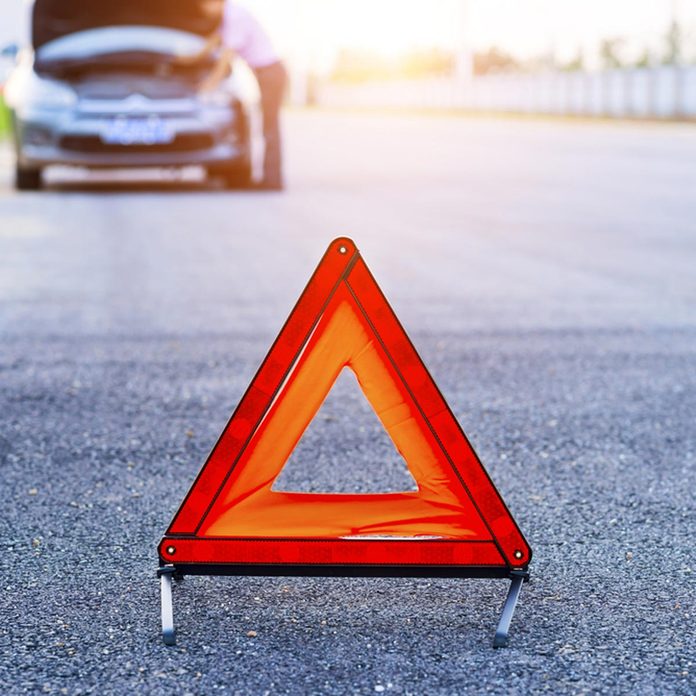
Credit: www.familyhandyman.com
Frequently Asked Questions
How To Make An Emergency Kit For Your Car?
Pack essential items like a first aid kit, flashlight, jumper cables, and bottled water. Include non-perishable snacks, a blanket, tire repair tools, and a multi-tool. Add a phone charger and emergency contact info. Store everything in a durable, waterproof bag for easy access in your car.
How Do You Make A Homemade Emergency Kit?
Gather essentials like water, non-perishable food, flashlight, batteries, first aid kit, and blankets. Include important documents, cash, and personal items. Store everything in a sturdy, waterproof container. Regularly update and check your emergency kit.
What Are The 7 Supplies That Are Needed For An Emergency Supply Kit?
An emergency supply kit needs water, non-perishable food, a flashlight, batteries, a first-aid kit, a multi-tool, and important documents. These essentials ensure you stay prepared for any emergency situation.
What Should Be Included In A Car Emergency Kit?
A car emergency kit should include a first-aid kit, flashlight, jumper cables, tire pressure gauge, basic tools, water, non-perishable snacks, blanket, and reflective triangles.
Conclusion
Creating your own emergency car kit is a smart move. It keeps you prepared for unexpected situations on the road. Having essential items like tools, food, and water ensures safety. Always check your kit regularly. Replace expired items. Update it according to season changes.
A well-prepared kit gives peace of mind. It helps protect you and your passengers during trips. Stay ready. Stay safe. With just a little effort, you can handle emergencies better. So, gather your supplies today. Make your travels worry-free and more enjoyable.
Safety first, always.