
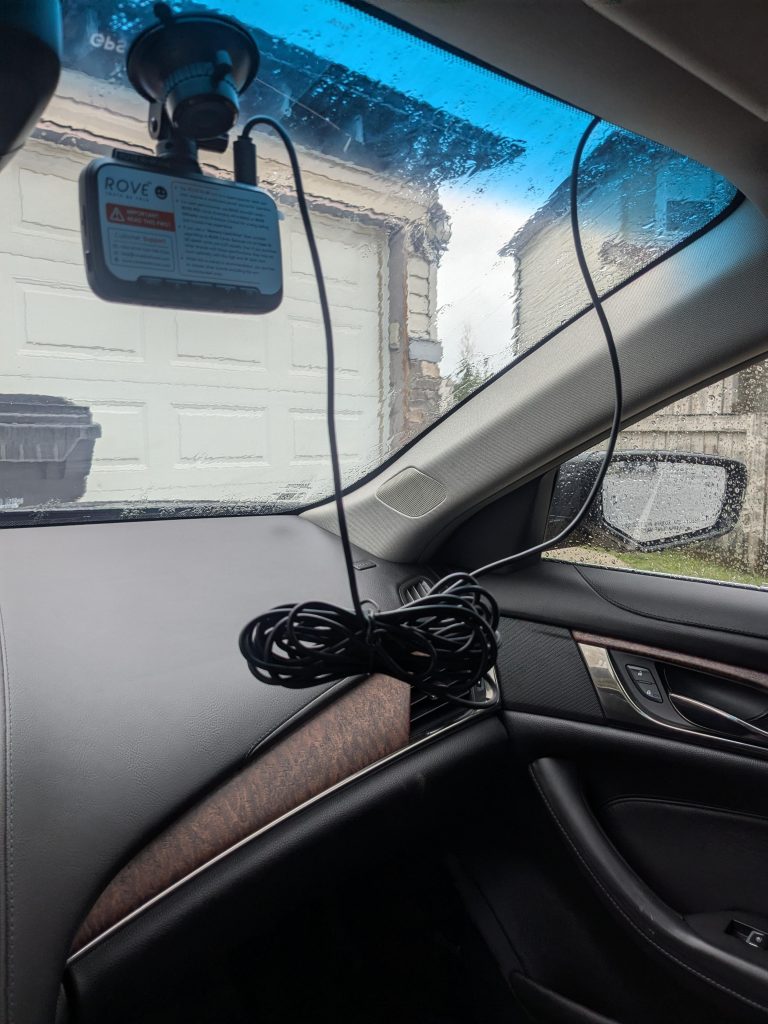
Are you tired of seeing those unsightly dash cam wires cluttering up your car’s interior? You’re not alone.
Many car owners face the challenge of neatly organizing these wires without compromising functionality. Imagine stepping into your car and seeing a clean, wire-free setup that not only enhances aesthetics but also ensures safety. You’ll discover straightforward methods to hide those pesky dash cam wires, transforming your driving experience.
Whether you’re a tech enthusiast or just someone who loves a tidy car, these tips will help you achieve that seamless look. Stick around and learn how to give your car interior the makeover it deserves!

Credit: www.youtube.com
Choosing The Right Tools
Choosing the right tools helps in hiding dash cam wires neatly. Use trim removal tools to tuck wires under car panels without damaging them. This ensures a clean installation, keeping the car’s interior tidy and wires out of sight.
Choosing the right tools for hiding dash cam wires in your car is crucial for a clean and professional look. The tools you use can make the job easier and ensure the wires remain hidden and secure. You don’t need a full toolbox, just a few essential items that can help you get the job done efficiently.Understanding The Basics
Before diving into purchasing tools, familiarize yourself with what each tool does. A plastic trim removal tool is ideal for gently prying open panels without scratching. This is crucial as metal tools can easily damage the delicate interior of your car.Plastic Trim Removal Tools
These tools are designed to help you remove interior panels safely. Choose a set with various shapes and sizes. You’ll find them helpful for accessing hidden areas without leaving marks.Wire Clips And Fasteners
Keep your wires secure with clips and fasteners. They come in different sizes and are easy to install. These small items prevent wires from slipping out over time.Electrical Tape
Use electrical tape to bundle wires neatly. It’s not just about keeping them together; it’s also about ensuring they don’t move around and become visible. Choose a color that matches your car’s interior for a seamless look.Cable Ties
Cable ties are essential for tidying up excess wire length. They’re easy to use and come in handy when you need to keep wires grouped together. Consider reusable ties for adjustability.Flashlight
A flashlight is surprisingly useful. Even during the day, shadows can make it hard to see where you’re working. A bright LED flashlight ensures you don’t miss a spot. Have you ever tried hiding wires in your car and ended up frustrated with tangled messes? With the right tools, you can avoid those pitfalls and create a neat setup. Would you prefer to spend hours struggling or minutes with the right gear?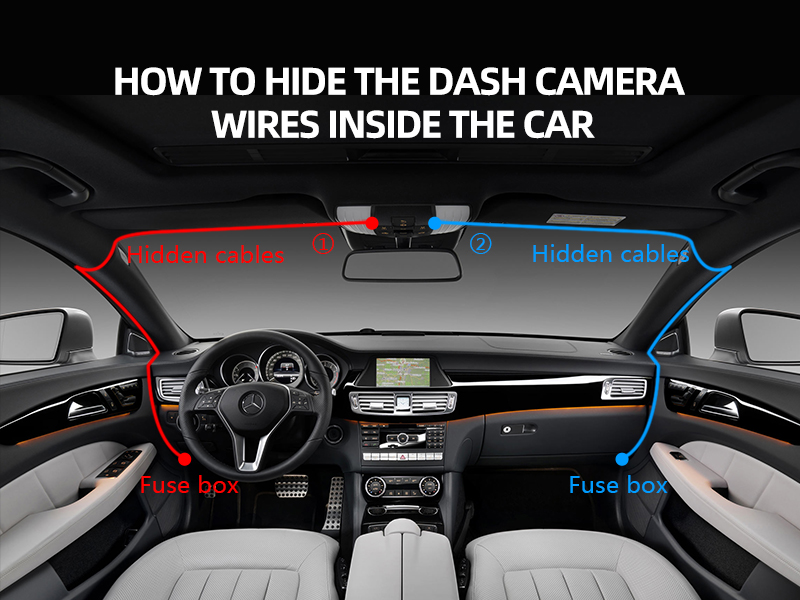
Credit: luview.com
Planning Wire Routes
Routing dash cam wires neatly enhances a car’s interior appearance. Tuck wires under the vehicle’s panels or ceiling lining. Secure them using adhesive clips or cable ties to prevent tangling.
Planning wire routes for dash cam installation in a car is crucial. It ensures a clean look and prevents wire damage. The process involves assessing the car’s interior, identifying entry and exit points, and deciding the most efficient path for the wires.Assessing The Car’s Interior
Understanding the layout of your car’s interior helps in planning. Identify areas where wires can be hidden without obstructing other functions. Look for panels, upholstery seams, and existing conduits. These places often provide natural paths for wires. Check the dashboard, side panels, and the ceiling. The goal is to route wires in a way that they are invisible and protected.Identifying Entry And Exit Points
Determine where the wires will enter and exit the dash cam. Entry points might be near the power source or the camera itself. Exit points should lead to the main power connection. Common entry points include the cigarette lighter socket or fuse box. For exit points, consider areas like door sills or under carpets. Ensure wires are secure and hidden to avoid tangling or damage.Using The Headliner
When trying to hide the dash cam wire in your car, using the headliner is a popular and effective method. The headliner, which is the fabric-covered area on the ceiling of your vehicle, provides a discreet pathway for wires to run from your dash cam to the power source. This approach not only keeps your car’s interior looking tidy but also minimizes any potential tripping hazards. Let’s dive into the steps you need to follow to achieve this clean look.
Loosening The Headliner
Before you can tuck wires underneath the headliner, you need to loosen it slightly. Start by examining the edges where the headliner meets the windshield and side panels. Use a plastic pry tool to gently ease the headliner away from the car’s frame. Be careful not to apply too much force, as this could damage the fabric. If you hear any cracking sounds, stop immediately and reassess your approach.
How much should you loosen the headliner? Just enough to slide your fingers between the fabric and the metal roof. This should provide enough space to tuck the wire without making the headliner sag or appear uneven.
Tucking Wires Safely
Once the headliner is loose, it’s time to tuck the wires safely. Begin at the dash cam and work your way towards the power source. Carefully push the wire under the headliner, ensuring it lays flat and doesn’t bunch up. It’s crucial to keep the wire away from any moving parts like sunroofs or airbags, as these could potentially damage the wire or interfere with the vehicle’s functionality.
Are you worried about the wire shifting over time? Consider using a small amount of adhesive tape to secure the wire in place under the headliner. This simple addition can prevent slippage and ensure your wire remains hidden for the long haul.
By using the headliner, you can effectively hide your dash cam wire, maintaining your car’s sleek appearance. Have you tried this method before, or do you have other tips? Share your thoughts in the comments below!
Utilizing The A-pillar
Hiding dash cam wires can be a challenge, but utilizing the A-Pillar is a smart technique to keep your car’s interior tidy. The A-Pillar, that vertical section between the windshield and the front door, offers a discreet path for routing cables. Using this approach not only enhances the aesthetic of your car but also prevents any distractions while driving. Imagine cruising down the highway with a sleek setup—no wires in sight!
Removing The A-pillar Trim
Start by gently removing the A-Pillar trim. This trim typically snaps off, but be cautious as you don’t want to damage the clips. You might need a trim removal tool; it’s inexpensive and prevents scratches or dents. Once removed, you’ll notice ample space to route your dash cam wires. Ever tried this before? It’s easier than it seems and absolutely worth the effort.
Securing Wires Along The Frame
With the trim removed, the next step is securing the wires along the frame. Use zip ties or adhesive clips to keep the wires snug against the pillar’s structure. This ensures they won’t rattle or come loose. Think about it—how often have loose wires been a nuisance? By securing them, you’re ensuring a smooth and distraction-free drive.
- Ensure wires don’t interfere with airbags or other critical components.
- Test the setup by gently pulling on the wires to confirm they’re secured.
- Reattach the A-Pillar trim carefully, ensuring all clips are engaged.
Once secured, step back and admire your handiwork. You’ve just improved your vehicle’s interior, and perhaps learned a new skill. Isn’t it satisfying to tackle tasks like this yourself?
Routing Through The Dashboard
Routing through the dashboard is an effective way to hide dash cam wires neatly. Tuck the wires under the dashboard panels and secure them for a clean look. Ensure wires are not obstructing any controls or vents for safety and functionality.
Routing dash cam wires through the dashboard keeps them out of sight. This method ensures a neat and professional look. It also prevents distractions while driving. Let’s explore how to achieve this.Accessing The Dashboard Panels
First, locate your car’s dashboard panels. Most cars have easy-to-remove panels. Use a plastic pry tool to avoid damage. Carefully detach the panels, revealing space behind them. This space will help in routing the wires. Keep track of screws and clips for reassembly.Ensuring Wire Stealth
Once the panels are off, plan your wire path. Choose a route that keeps wires hidden. Secure the wires using zip ties or clips. Avoid loose wires that could rattle or interfere with car functions. Tuck the wires along existing paths for added stealth. Finally, reattach the panels securely. Your dash cam wires should now be invisible.Connecting To The Fuse Box
Connecting dash cam wires to the fuse box ensures a tidy setup. Carefully route wires along the vehicle’s trim, using adhesive clips to secure them. This approach keeps wires hidden, maintaining a clean look inside your car.
Connecting your dash cam to the fuse box is a smart way to keep things tidy and efficient. It not only hides the wire but also ensures a constant power supply without dangling cords. This approach keeps your car looking sleek, while also being a practical solution for powering your dash cam.Locating The Fuse Box
Finding the fuse box is the first step. Most vehicles have the fuse box located under the dashboard or in the engine bay. Check your car’s manual if you’re unsure. Once you’ve located it, ensure you have easy access to it without removing too many panels. This will save you time and effort.Safely Integrating The Power Supply
Safety is key when working with electrical components. Use a fuse tap to connect your dash cam wire to the fuse box. This tool allows you to safely add a new circuit to the existing fuse box. Here’s a simple way to do it: – Identify a fuse that turns on and off with the ignition, such as the radio or cigarette lighter fuse. – Remove the fuse, insert it into the fuse tap, and then plug the fuse tap into the original fuse slot. Ensure all connections are tight and secure to prevent any electrical issues. This method ensures your dash cam only uses power when the car is on, preventing battery drain. Have you considered how this small change can elevate your car’s interior aesthetics and functionality?Testing The Setup
Testing the Setup Ensure the dash cam functions properly after hiding the wires. Check for any loose connections. Adjust as necessary.
Testing the setup of your dash cam installation ensures everything works perfectly. This process involves two crucial steps. First, ensure the wires are hidden effectively. Second, verify that the dash cam functions as expected. These checks guarantee a neat appearance and reliable performance. Let’s delve into each aspect.Ensuring Proper Wire Concealment
Check all the wire paths inside your car. Ensure no wires are visible. Look around the dashboard, side panels, and roof lining. Use tools like a plastic trim remover to tuck wires. Make sure they are secure and out of sight. This prevents distractions and maintains your car’s interior look.Verifying Dash Cam Functionality
Turn on the car’s ignition. Check if the dash cam powers up. Ensure it records video and audio correctly. Review footage to see if the camera angle is proper. Adjust if necessary. Confirm the camera saves files as expected. Test any additional features like GPS or Wi-Fi. Make sure everything operates smoothly. By following these steps, your dash cam setup will be both effective and discreet.Maintenance Tips
Tuck the dash cam wire under the car’s headliner for a clean look. Run it along the edge of the windshield. Secure it behind trim panels, using clips or adhesive to keep it hidden.
Maintaining your dash cam wiring ensures safety and functionality. Proper care prevents issues and extends the lifespan of your device. Follow these tips to keep your dash cam wire in top condition.Regular Wire Inspections
Check your dash cam wire every few months. Look for signs of wear or damage. Frayed wires can lead to connectivity problems. Use a flashlight for better visibility in dark areas. Secure loose wires to prevent further damage. A little attention now can save bigger troubles later.Troubleshooting Common Issues
Encountering issues with your dash cam wiring? No need to worry. First, check if the wire is properly connected. Loose connections cause many problems. Inspect the wire for any visible damage. Replace damaged wires immediately. Ensure the power source is functioning. Sometimes, the issue lies with the power socket. If problems persist, consult a professional for help. Regular checks and basic troubleshooting keep your dash cam reliable.
Credit: www.reddit.com
Frequently Asked Questions
Do You Have To Tell Insurance If You Have A Dash Cam?
Informing your insurer about a dash cam isn’t mandatory. It can help support claims, potentially lowering premiums. Check with your insurance provider for any specific requirements or benefits related to dash cam usage. Being transparent about vehicle modifications ensures better coverage and understanding of your policy.
Do I Have To Tell Cops I Have A Dash Cam?
You are not legally required to inform police about your dash cam. Sharing its footage can help in investigations. Always ensure your dash cam complies with local laws regarding its use and placement. Clear recordings can strengthen your case if needed in legal situations.
What Is The Most Discreet Dash Cam?
The Garmin Mini 2 is highly discreet, featuring a compact design and stealthy installation. Its small size ensures it remains unobtrusive in any vehicle. With high-quality video recording and easy connectivity, it offers excellent performance without drawing attention, making it a top choice for a discreet dash cam.
Is It Worth Hardwiring A Dash Cam?
Hardwiring a dash cam ensures constant power, preventing missed recordings. It offers a cleaner installation with fewer visible wires. This setup can enhance security features, like parking mode, for continuous surveillance. Despite initial costs, hardwiring provides long-term benefits, making it a worthy investment for many drivers.
Conclusion
Hiding dash cam wires keeps your car neat and organized. It also ensures safety. No more tangled wires or distractions. Follow the steps mentioned for a clean look. Secure wires along the edges and under the carpet. Use clips and tape to hold them tight.
Check connections after installation. Test your dash cam to ensure it works. Enjoy a clutter-free view while driving. A tidy installation also protects the wires from damage. Keep your focus on the road and drive safely. Your dash cam will capture everything without any messy wires in sight.