
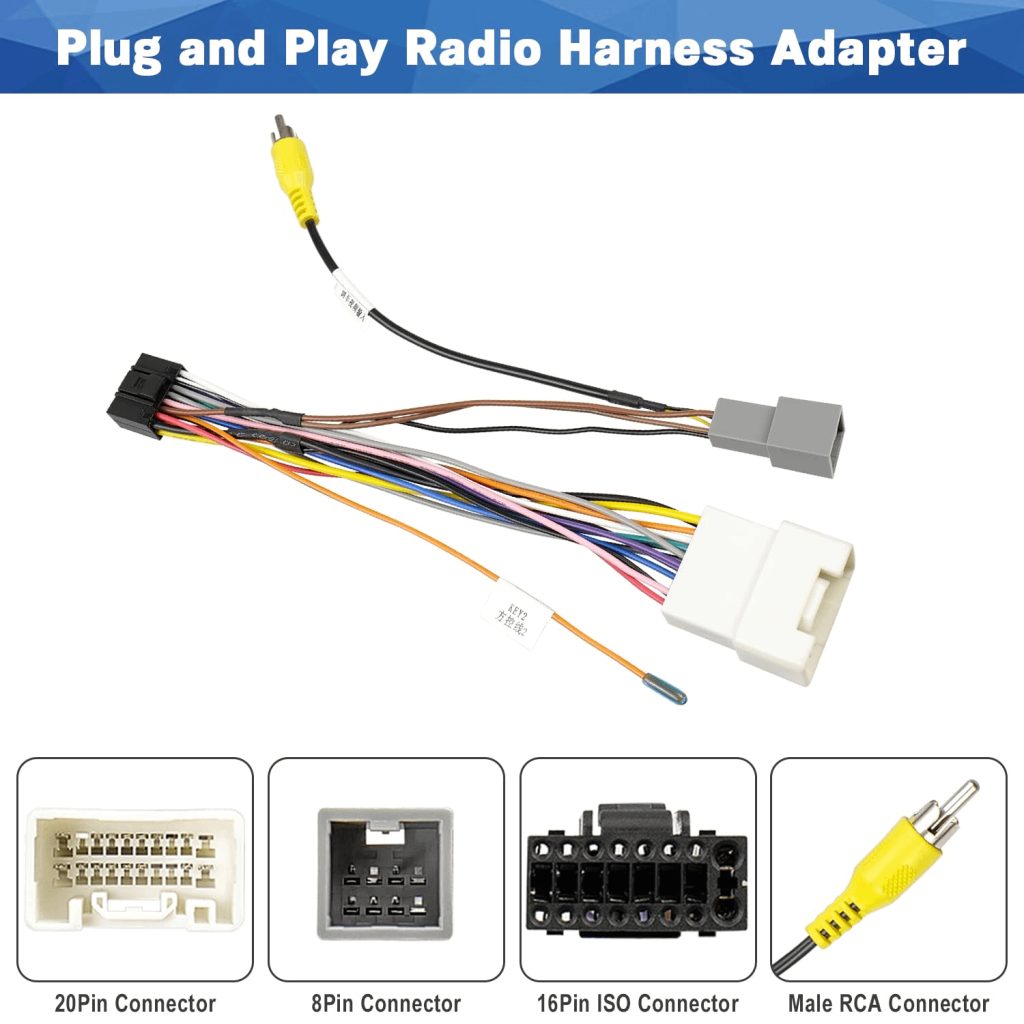
Are you ready to unlock the full potential of your car’s sound system? Connecting car stereo wires might seem like a daunting task, but with the right guidance, you can transform your driving experience into a concert on wheels.
Imagine cruising down the highway with crystal clear sound, your favorite tunes enveloping you in rich, immersive audio. This isn’t just a dream—it’s within your reach! In this guide, you’ll discover straightforward steps to connect car stereo wires, empowering you to enjoy music like never before.
Whether you’re upgrading your system or simply replacing an old one, understanding how these connections work is the key to achieving superior sound quality. As you explore this article, you’ll gain confidence, knowing that you can tackle this project with ease. Get ready to dive in and learn the secrets to creating an audio experience that resonates with every beat.
Gather Necessary Tools
Gathering necessary tools is essential for connecting car stereo wires efficiently. Ensure you have wire strippers, electrical tape, and connectors at hand. These tools help create secure and neat connections, enhancing audio quality and system reliability.
Connecting your car stereo wires can be a rewarding DIY project, but before you dive into it, gathering the right tools is crucial. This step can make your installation smoother and save you a lot of frustration down the line. Armed with the proper tools, you can ensure a secure and efficient connection, and even enjoy a sense of accomplishment when you hear your favorite tunes blasting from your upgraded stereo system.Essential Tools For Your Car Stereo Installation
Start with a wire stripper and cutter. This tool will help you strip the insulation off the wires without damaging them, a critical step for ensuring a solid connection. A multimeter is another must-have tool. It can test voltage, current, and resistance, helping you confirm that your connections are correct before powering up the system.Don’t Forget The Connectors
You’ll need butt connectors or soldering tools, depending on your preference. Butt connectors are quick and easy, while soldering provides a more permanent and reliable connection. Heat shrink tubing is also vital. It insulates and protects the connections, preventing accidental short circuits.Keeping Everything Tidy
Grab some zip ties. They help manage and secure the wires, preventing them from becoming tangled and messy. Consider using a label maker or some simple masking tape. Labeling your wires can save you time and headaches when troubleshooting or making future upgrades.Safety First
Always have a pair of gloves and safety glasses on hand. Protecting yourself from sharp edges and flying debris is a smart move. A flashlight or a headlamp can be invaluable, especially if you’re working in low-light conditions. It ensures you don’t miss any critical details.Final Thoughts On Tools
Before you begin, double-check your tool list. Missing a crucial tool can halt your progress and lead to frustration. Have you ever started a project only to realize you didn’t have the right tool? It’s a common mistake but one that’s easily avoidable with a little preparation. Gathering your tools ahead of time not only sets the stage for success but also boosts your confidence as you prepare to connect those wires.Understand Stereo Wiring Colors
Understanding stereo wiring colors is essential for connecting car stereo wires effectively. Match each color-coded wire to the corresponding car component. This ensures a smooth installation and optimal sound quality in your vehicle.
Understanding stereo wiring colors is crucial for anyone attempting to connect car stereo wires. It can be quite a puzzle, especially if you’re faced with a rainbow of wires, each with its specific role in your vehicle’s audio system. Knowing what these colors mean can save you from the frustration of trial-and-error connections, potentially protecting your stereo from damage. Let’s dive into the wiring world and unravel the color codes that make it tick.Standard Wire Color Codes
Most car stereos follow a standard color coding system, making it easier to identify each wire’s function. Here’s a quick rundown:- Red:Connects to the ignition. It’s the wire that powers your stereo when the car is turned on.
- Yellow:This is for the constant power supply, allowing the stereo to retain memory settings even when the car is off.
- Black:The ground wire, essential for completing the circuit.
- Blue:Often used for the antenna or remote turn-on lead for amplifiers.
- White/White with Black Stripe:Left front speaker positive/negative.
- Gray/Gray with Black Stripe:Right front speaker positive/negative.
- Green/Green with Black Stripe:Left rear speaker positive/negative.
- Purple/Purple with Black Stripe:Right rear speaker positive/negative.
Manufacturer-specific Variations
While the standard color codes are common, some manufacturers have their own variations. This can add a layer of complexity to your wiring project. Imagine unwrapping a set of wires only to find unexpected colors like orange or brown. It can be a moment of panic, but don’t fret. Refer to your car’s manual or a wiring diagram for precise guidance. Manufacturers may use unique colors for different features or added functionalities. Did you ever wonder why your friend’s stereo has an extra pink wire? It might be for a feature your system doesn’t include. Checking the specifics can prevent wiring mishaps. Have you ever had the experience of connecting a wire and hearing a strange noise from your speakers? It’s a telltale sign that something’s not right. Remember, taking the time to understand these variations can make the difference between crystal clear sound and a frustrating silence. Do you have any wiring anecdotes or tips that have helped you in the past? Sharing these experiences can be as enlightening as the information itself.Prepare The Vehicle
Ensure the car is off and the battery disconnected for safety. Gather necessary tools like wire strippers and connectors. Identify each stereo wire by color and function before connecting them to the vehicle’s wiring harness.
Preparing your vehicle is the first crucial step in connecting car stereo wires. It’s like setting the stage for a smooth performance. The process involves ensuring safety and accessibility, so you can proceed without any hitches. You’ll want to make sure you’re not just diving in blindly but rather creating a safe environment to work in.Disconnect The Battery
Before you begin any electrical work on your vehicle, disconnecting the battery is essential for your safety. This prevents any accidental shorts or electrical shocks. The battery is typically located under the hood. Use a wrench to loosen the nut holding the negative cable. Pull the cable off the battery terminal and tuck it away to avoid accidental contact. This simple step can save you from a world of trouble. Have you ever thought about the consequences of skipping this? It’s not just a matter of blown fuses but possibly damaging your stereo or other electrical components.Access The Stereo Compartment
Once your vehicle is safe, accessing the stereo compartment is your next move. This is where patience pays off. Start by removing any panels or screws around the stereo area. Most vehicles have detailed guides or manuals that can show you how to do this without damaging the interior. If your car has a dashboard that requires specific tools to access, investing in a trim removal kit might be worth it. Think of this as uncovering hidden treasures. The stereo compartment is where all the connections come together. It’s the heart of the operation, and getting there requires a little finesse and attention to detail. By preparing your vehicle properly, you’re not just ensuring a successful stereo installation—you’re safeguarding your investment and your car’s electrical system.
Credit: www.amazon.com
Remove The Old Stereo
Remove the old stereo by disconnecting the wires carefully. Take note of the wire colors and connections. This helps in connecting the new stereo wires correctly.
Removing the old stereo is the first step in upgrading your car’s sound system. This process requires care and precision to avoid damaging any components. Begin by gathering the necessary tools, such as screwdrivers and a wire cutter, before you start. Ensure your vehicle is parked safely with the ignition off.Unscrew And Detach
Start by removing any trim or panels around the stereo. Use a screwdriver to unscrew the mounting screws holding the stereo in place. Keep these screws safe for later use. Gently pull the stereo unit out of the dashboard. Ensure you have enough space to access the wires behind it.Disconnect Existing Wires
Identify the wires connected to the back of the stereo. These typically include power, ground, and speaker wires. Carefully disconnect each wire by pulling on the connectors. Avoid pulling on the wires themselves to prevent damage. Label the wires if necessary to remember their positions. This will help in connecting the new stereo later.Connect The New Stereo Wires
Connecting car stereo wires involves matching colors and securing connections properly. Identify each wire, then connect them according to the color code. Ensure tight connections to avoid loose wires and potential issues.
Connecting car stereo wires is a crucial part of installing a new stereo system. This task requires attention to detail to ensure the stereo functions correctly and safely. In this section, we’ll guide you on how to connect the new stereo wires seamlessly.Match Wires By Color
Color-coded wires make the process straightforward. Each wire in the car stereo system corresponds to a specific function, like power supply or speaker output. Typically, manufacturers use standard colors for easy identification. Match the colors of the stereo wires to the existing wires in your vehicle. This ensures the correct connections for power, ground, and speaker outputs. If unsure, refer to the stereo’s manual for guidance.Secure Connections With Crimp Connectors
Crimp connectors offer a reliable way to secure wire connections. They prevent wires from loosening due to vehicle vibrations. To use crimp connectors, strip the wire ends to expose the copper. Insert the wires into the connectors and use a crimping tool to secure them tightly. This method ensures a solid connection, reducing the risk of electrical issues. Properly crimped wires provide a stable connection, enhancing stereo performance.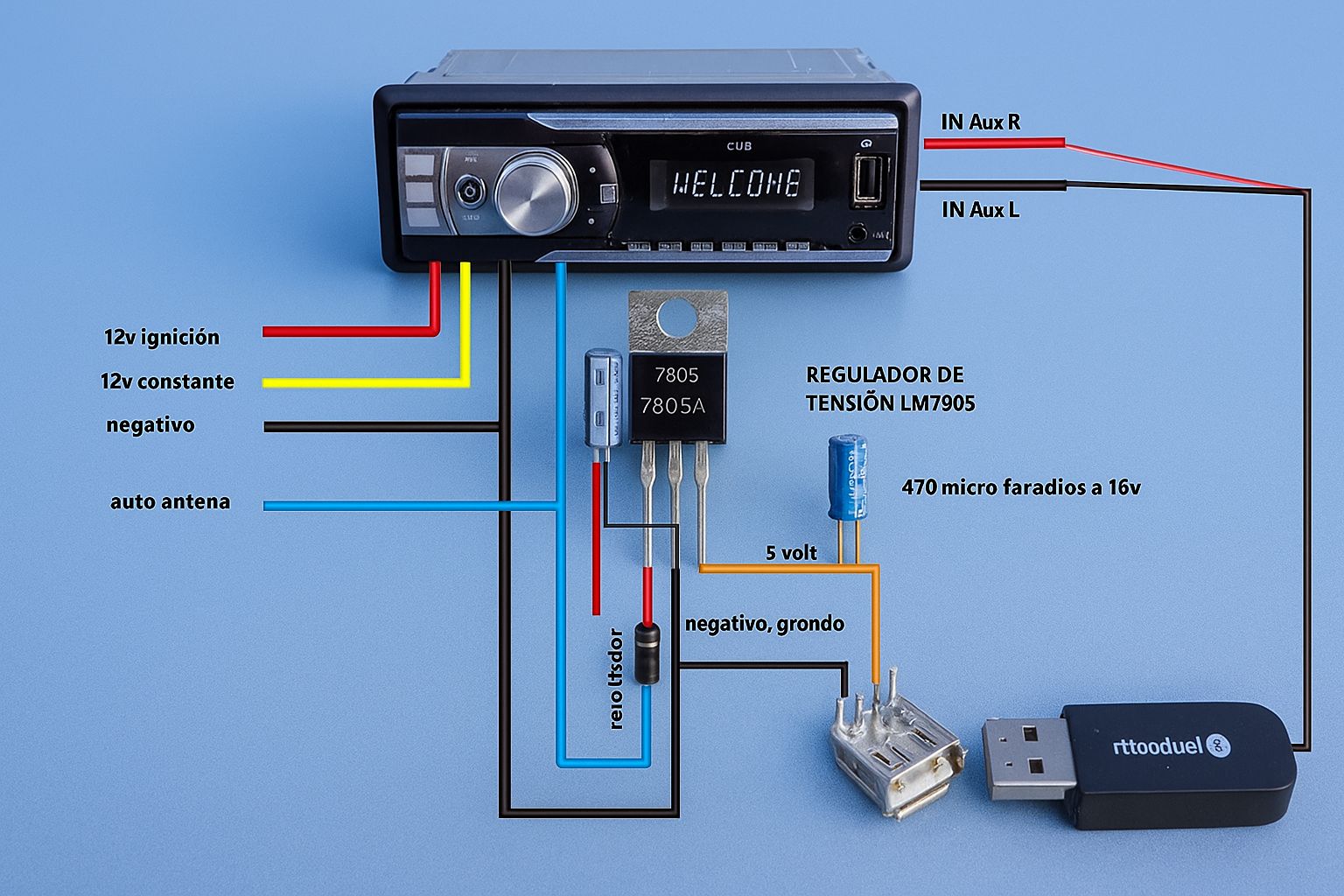
Credit: www.facebook.com
Install The New Stereo
Connecting car stereo wires can be simple with clear guidance. Identify each wire by color and function. Then, match the wires from the stereo to those in your car. Secure connections with crimp connectors or soldering for a stable setup.
Installing a new car stereo can be a thrilling project, especially when you’re upgrading your audio system for better sound quality. It requires careful attention to detail to ensure everything fits perfectly and functions seamlessly. Once you have the wires connected, the next step is to properly install the stereo into your vehicle. This involves positioning the stereo correctly and securing it in place.Position The Stereo
Before you start, make sure all wires are neatly tucked away to prevent any obstructions. Gently slide the stereo into the dash, aligning it with the bracket. It should fit snugly but not forcefully, ensuring that no wires are pinched in the process. Consider the angle at which you position the stereo. Is it easily accessible and viewable from the driver’s seat? This small adjustment can significantly enhance your driving experience.Secure With Screws
Once the stereo is in place, it’s time to secure it with screws. Use the screws provided with your stereo kit to fasten it to the bracket. This ensures that your stereo remains stable, even when driving on bumpy roads. Double-check that all screws are tightened properly. Loose screws can lead to rattling sounds or even cause the stereo to dislodge over time. Have you ever driven over a pothole and heard that unsettling rattle from your dash? Securing your stereo properly can prevent such nuisances and keep your system safe and sound. By carefully positioning and securing your new stereo, you not only enhance your car’s aesthetic but also its functionality. How will you personalize your stereo setup to best suit your driving habits?Test The Stereo System
Connecting car stereo wires involves matching colors and securely attaching them. Identify and group wires by function. Proper connections ensure optimal sound quality and system performance.
Testing your car stereo system is crucial after connecting the wires. This ensures everything works smoothly and efficiently. It will help you catch any problems early. Follow these steps to test your system thoroughly.Reconnect The Battery
Begin by reconnecting the car battery. Ensure the terminals are clean and secure. This step powers up the car stereo. Turn the ignition key to the accessory position. This allows the stereo to receive power without starting the engine. Listen for any unusual sounds or clicks. These might indicate a wiring issue.Check Audio And Functionality
Switch on the stereo to check audio quality. Play different genres of music. This ensures all frequencies are clear. Adjust the volume and listen for distortion. Use the balance and fader controls. This helps verify all speakers are working. Test additional features like Bluetooth or USB ports. Make sure they function properly. Use the stereo’s manual to check for specific features. Confirm the display shows correct information. If you find any issues, review your connections. Make adjustments as needed.Troubleshoot Common Issues
Connecting car stereo wires can sometimes lead to unexpected issues. Troubleshooting these common problems is crucial for a seamless audio experience. Understanding the cause behind each issue helps in resolving them effectively.
No Sound Output
Check all wire connections. Loose wires can stop sound output. Ensure the speaker wires are connected correctly. Verify the power wire is securely attached. Inspect the ground wire for any disconnections.
Test the stereo with a multimeter. Confirm that power is reaching the unit. Recheck the audio settings on the stereo. Sometimes, settings can mute the output.
Intermittent Connections
Intermittent connections often result from faulty wiring. Examine all wires for visible damage. Look for frayed or exposed wires. Secure any loose connections.
Use electrical tape to wrap exposed wires. This prevents short circuits. Ensure all connectors are tightly fastened. A loose connector can cause intermittent sound.
Inspect the fuse box. A blown fuse might interrupt audio signals. Replace any damaged fuses immediately.

Credit: www.amazon.com
Frequently Asked Questions
How Do I Identify Car Stereo Wires?
Identifying car stereo wires involves checking the wire colors and labels. Generally, the wires are color-coded and marked. Consult the stereo’s manual for detailed information. If unsure, use a multimeter to test the wires for voltage and continuity. This ensures you connect the right wires correctly.
What Tools Are Needed To Connect Car Stereo Wires?
Basic tools like wire strippers, crimp connectors, and electrical tape are essential. A multimeter is helpful for testing voltage. Use a screwdriver to remove panels and access wires. Ensure you have all necessary tools before starting to ensure a smooth installation process.
Can I Connect Car Stereo Wires Myself?
Yes, you can connect car stereo wires yourself with basic tools and knowledge. Follow the stereo’s manual for guidance. Ensure you disconnect the battery before starting to avoid electrical shock. Take your time and double-check connections for safety and functionality.
What Is The Purpose Of The Ground Wire?
The ground wire prevents electrical interference and ensures safety by connecting the stereo to the car’s chassis. It completes the circuit and stabilizes the voltage. Proper grounding is crucial for optimal stereo performance and to avoid potential damage or noise interference.
Conclusion
Connecting car stereo wires can seem tricky. But with patience, it’s doable. Always organize your wires neatly. Double-check connections for safety. Use diagrams to guide your work. Remember, each car model is different. Follow the manual closely. Avoid shortcuts; they may cause problems later.
Test the stereo once connected. Ensure everything functions properly. Enjoy your music on the road. Stay safe and happy driving.