
Have you ever wondered if your tires are properly inflated? It’s a question that often crosses your mind but doesn’t always get immediate attention.
Yet, keeping an eye on your tire pressure is crucial for your safety and your car’s performance. Imagine cruising smoothly down the highway without worrying about tire blowouts or poor fuel efficiency. You can achieve this peace of mind by mastering the simple skill of checking your tire pressure.
You’ll discover how this small action can save you money, reduce stress, and keep you safe on the road. Let’s dive in and ensure your next drive is a confident and secure one.
Importance Of Tire Pressure
Understanding tire pressure is vital for every driver. Proper tire pressure affects driving safety, fuel efficiency, and tire longevity. Underinflated or overinflated tires can cause accidents and reduce vehicle performance.
Safety Benefits
Correct tire pressure improves road grip and handling. It helps maintain control during emergencies. Underinflated tires heat up quickly and can blow out. This increases the risk of accidents. Properly inflated tires reduce stopping distance. This is crucial in avoiding collisions.
Fuel Efficiency
Proper tire pressure increases fuel efficiency. Underinflated tires create more rolling resistance. This forces the engine to work harder, consuming more fuel. Keeping tires properly inflated can save money on gas. It also reduces carbon emissions, benefiting the environment.
Tools Needed
To check your car’s tire pressure, you need the right tools. Having the right tools ensures accuracy and safety. Let’s explore what you need to get started.
Pressure Gauge Types
A pressure gauge is essential for checking tire pressure. Different types of gauges offer various features. It’s important to choose one that suits your needs.
- Stick Gauges:These are simple and affordable. They are easy to use and provide quick readings.
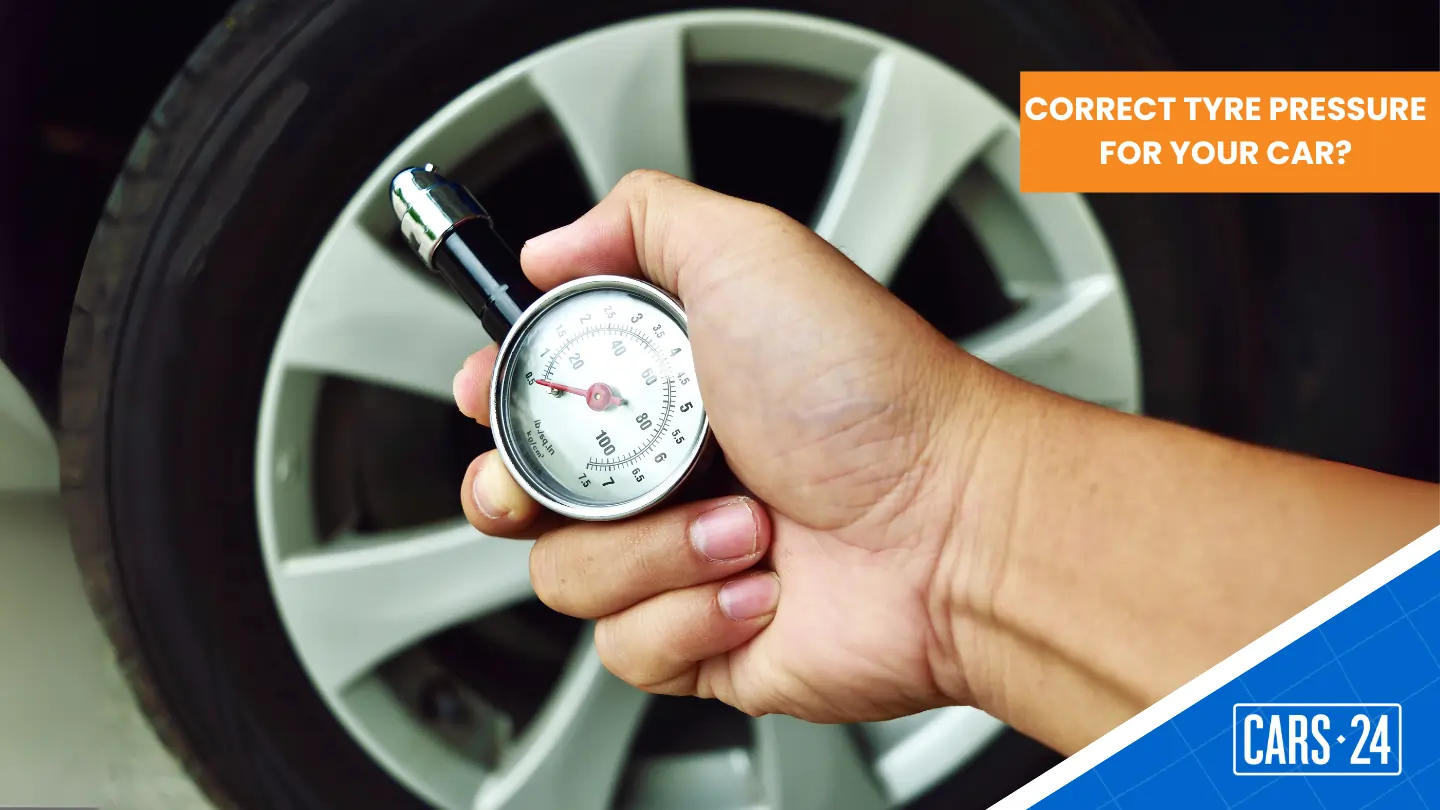
- Dial Gauges:These have a round face and needle. They offer precise readings.
- Pencil Gauges:Slim and portable, perfect for keeping in your glove box.
Digital Vs. Analog Gauges
Digital Gauges:These are modern and user-friendly. They display exact readings on a screen. Easy to read, even in low light.
Analog Gauges:Traditional but reliable. They use a needle to show pressure. Requires no batteries, making them dependable.
Each type has its own advantages. Choose based on preference and convenience.
Step-by-step Process
Checking tire pressure in a car ensures safety and efficiency. Use a tire gauge to measure pressure. Compare it with the recommended level found in your car manual. Adjust air if needed, using a pump at home or a gas station.
Regular checks can help maintain optimal driving conditions.
Maintaining proper tire pressure is crucial for your car’s performance and safety. Understanding the steps to check tire pressure can make the process quick and efficient. With the right approach, you can ensure your tires are always in top condition, ready to tackle the road ahead.Preparing Your Vehicle
Before you start, make sure your car is parked on a flat surface. This prevents inaccurate readings caused by uneven ground. Turn off the engine and allow the tires to cool down for accurate measurements. Remove any hubcaps or covers that might obstruct access to the valve stem. Having clear access makes the process smoother and faster. Keep these items close by, so you can easily replace them when done.Locating The Valve Stem
Find the valve stem, which is a small, rubbery protrusion on the tire. It’s where you will attach the pressure gauge. If you’re unsure, look for a small cap that you can unscrew. Remove the cap carefully and place it somewhere safe. Losing it can lead to dirt entering the valve, causing leaks.Using The Pressure Gauge
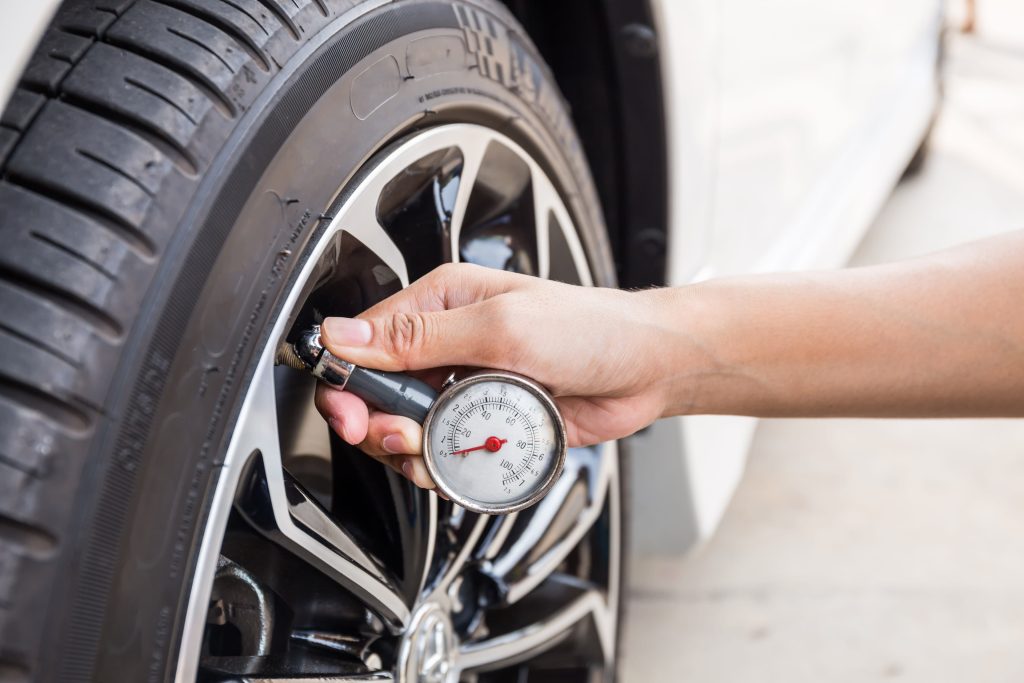
Attach the pressure gauge to the valve stem. You should hear a brief hiss of air as you press it down. Ensure a tight seal to get an accurate reading. Digital gauges will display the pressure instantly, while manual ones require you to read the dial. Both types are effective; choose one based on your preference.Interpreting The Results
Compare the reading to the recommended pressure levels found in your car’s manual or on the driver’s side door. Manufacturers provide these specifications for optimal performance. If the pressure is too low, add air until it reaches the recommended level. If it’s too high, press the valve to release some air and recheck. Regular checks can prolong tire life and improve fuel efficiency. Have you checked your tire pressure recently? It might be time to add this simple task to your routine for safer travels.Optimal Tire Pressure Levels
Maintaining the optimal tire pressure levels in your car is crucial for safety, fuel efficiency, and the longevity of your tires. It’s a small detail that can have a big impact on your driving experience. But what exactly are optimal tire pressure levels, and how can you ensure your tires are at their best?
Manufacturer Recommendations
Every vehicle comes with a recommended tire pressure level set by the manufacturer. This is usually found in your vehicle’s manual or on a sticker located on the driver’s side door jamb. These recommendations are based on the vehicle’s weight, size, and intended use.
Following these guidelines ensures that you maintain control over your car in various driving conditions. However, it’s easy to overlook this when you’re in a rush. Make checking this part of your routine to ensure your safety and efficiency on the road.
Adjustments For Different Conditions
Tire pressure isn’t a one-size-fits-all scenario. Weather and road conditions can significantly affect your tire pressure needs. In colder weather, tire pressure can drop, while it might increase in hotter conditions.
Consider adjusting your tire pressure if you’re planning a long trip or carrying heavy loads. This adjustment can help maintain optimal traction and control. It’s about finding that sweet spot that balances performance with safety.
Have you ever noticed your car feeling sluggish or not handling as well during a trip? Checking and adjusting your tire pressure could solve these issues. Being proactive about tire pressure can enhance your driving experience and save you from potential headaches.
Common Mistakes
Checking tire pressure is crucial for safe driving. Many make common mistakes that can lead to problems. Understanding these mistakes helps in maintaining tire health and vehicle safety.
Overinflation Issues
Overinflation can cause tires to wear unevenly. This reduces the contact area with the road. Less grip means less control, especially on wet roads. Overinflated tires are also more prone to damage from road hazards. They are more rigid, making them susceptible to punctures.
Underinflation Risks
Underinflated tires can cause more friction. This leads to overheating and potential blowouts. Tires that lack air wear out faster. They increase fuel consumption, which adds to costs. Underinflation can also affect vehicle handling and stability. This poses safety risks, especially during sharp turns or sudden stops.

Credit: www.thedetailingmafia.com
Maintenance Tips
Regularly checking tire pressure ensures safety and fuel efficiency. Use a tire gauge for accurate measurements. Consult your vehicle’s manual for recommended pressure levels.
Checking tire pressure is a simple yet essential task for maintaining your car’s performance and safety. Properly inflated tires not only improve fuel efficiency but also extend the life of your tires. Let’s dive into some maintenance tips that will help you keep your tires in top shape.Regular Checks
Regularly checking your tire pressure is crucial. It’s best to do this at least once a month. Make it a routine, like brushing your teeth. Use a reliable tire pressure gauge to get an accurate reading. A digital gauge is easy to use and provides precise measurements. Always check the pressure when tires are cold. Driving heats them up and can give you an inaccurate reading.Seasonal Adjustments
As the seasons change, so does the air pressure in your tires. Cold weather can reduce tire pressure, while warm weather can increase it. Adjust your tire pressure accordingly. For instance, in winter, you might need to add a few extra pounds of pressure to account for the drop in temperature. Don’t forget to check the spare tire. You don’t want to be caught with a flat spare during a roadside emergency. By keeping an eye on these small details, you’ll ensure your car runs smoothly and safely year-round. Have you checked your tire pressure lately?Emergency Situations
Checking tire pressure is crucial for safety. Use a pressure gauge on the valve stem to read the pressure. Adjust the air to match the recommended levels for optimal performance.
Unexpected tire issues can catch you off guard, especially in emergency situations. Whether you’re on a deserted highway or in the middle of rush hour traffic, knowing how to handle a tire problem can save you time and stress. Familiarizing yourself with a few practical solutions can empower you during these critical moments.Handling A Flat Tire
Imagine you’re driving home late at night when you suddenly feel the telltale thump of a flat tire. Your heart races, and you’re unsure of what to do next. First, pull over safely to avoid further damage. Use your hazard lights to alert other drivers. Check your tires for visible damage. If you find a puncture, consider using a tire repair kit. These kits often come with sealant and a compressor to temporarily fix minor leaks until you reach a repair shop.Temporary Solutions
Consider carrying a spare tire, also known as a “donut.” It’s a compact, temporary solution that can help you reach a safe location. However, remember it’s not meant for long distances or high speeds. Another option is run-flat tires. These tires are designed to withstand a puncture and allow you to drive at reduced speeds for a limited distance. They’re a worthy investment for those who want added peace of mind. Have you ever experienced a tire emergency? Preparing ahead with these strategies can make all the difference when you find yourself in a sticky situation. Take a moment to consider which solutions might work best for you and your vehicle.
Credit: www.tyresafe.org
Credit: www.cars24.com.au
Frequently Asked Questions
How Do I Check The Tire Pressure On My Car?
Use a tire pressure gauge to check the pressure. Remove the valve cap and press the gauge onto the valve stem. Read the gauge and compare it with the recommended pressure found in your car manual or the driver’s door jamb.
Adjust the pressure as needed.
How Do I Check Tire Pressure At A Gas Station?
Locate the air pump at the gas station. Remove the tire’s valve cap. Attach the pump’s nozzle. Check the tire pressure displayed on the pump gauge. Adjust by adding or releasing air until reaching the recommended PSI. Secure the valve cap back on the tire.
How Do I Know If My Tire Just Needs Air?
Check tire pressure with a gauge. Compare readings to recommended PSI on the tire or vehicle sticker. If it’s lower, inflate the tire to the correct level. Regularly inspect for any visible damage or uneven wear. Proper inflation ensures safety and longevity.
How To Check Tire Pressure On A Car Without Gauge?
Press each tire with your foot to feel firmness. Inspect visually for any noticeable deflation. Compare tires’ appearance and firmness. If one seems softer or flatter, it might need air. Visit a gas station or mechanic for a precise gauge check to ensure safety.
Regular inspection helps maintain optimal tire performance.
Conclusion
Checking tire pressure is crucial for safety and performance. It ensures your car runs smoothly. Regular checks can prevent accidents and save money. Under-inflated tires wear out faster and increase fuel consumption. Over-inflated ones can burst easily. Use a reliable pressure gauge for accuracy.
Check when tires are cold for best results. Keep a record of your tire pressure readings. It helps in maintaining consistency. Proper tire pressure enhances driving comfort. It also extends tire life. Make it a habit to check monthly. Safe driving depends on well-maintained tires.
Protect yourself and your passengers by checking tire pressure regularly.