
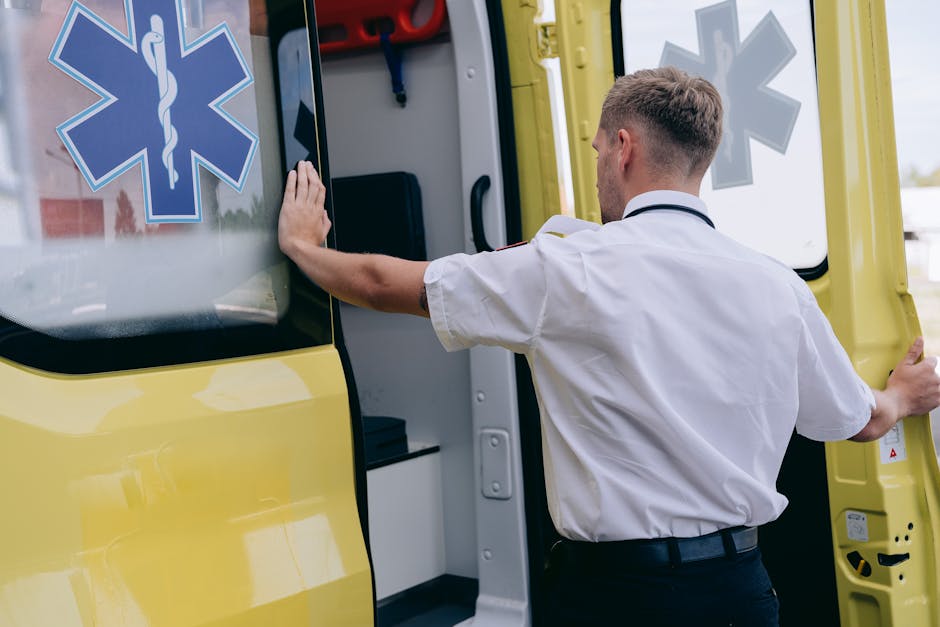
When you find yourself at the scene of a car accident, time is of the essence. Knowing how to administer first aid could mean the difference between life and death.
Picture this: you’re driving down the road, and suddenly, you witness a collision. Your heart races, and your mind floods with questions. What should you do first? How can you help effectively? These moments are crucial, and having the right knowledge can empower you to act swiftly and confidently.
By the end of this article, you will have the tools to face such situations with a calm and composed mindset. You’ll learn simple, yet effective first aid techniques that can save lives. This guide will equip you with essential skills and boost your confidence in emergencies. Dive in, and discover how you can be the hero when it matters most.
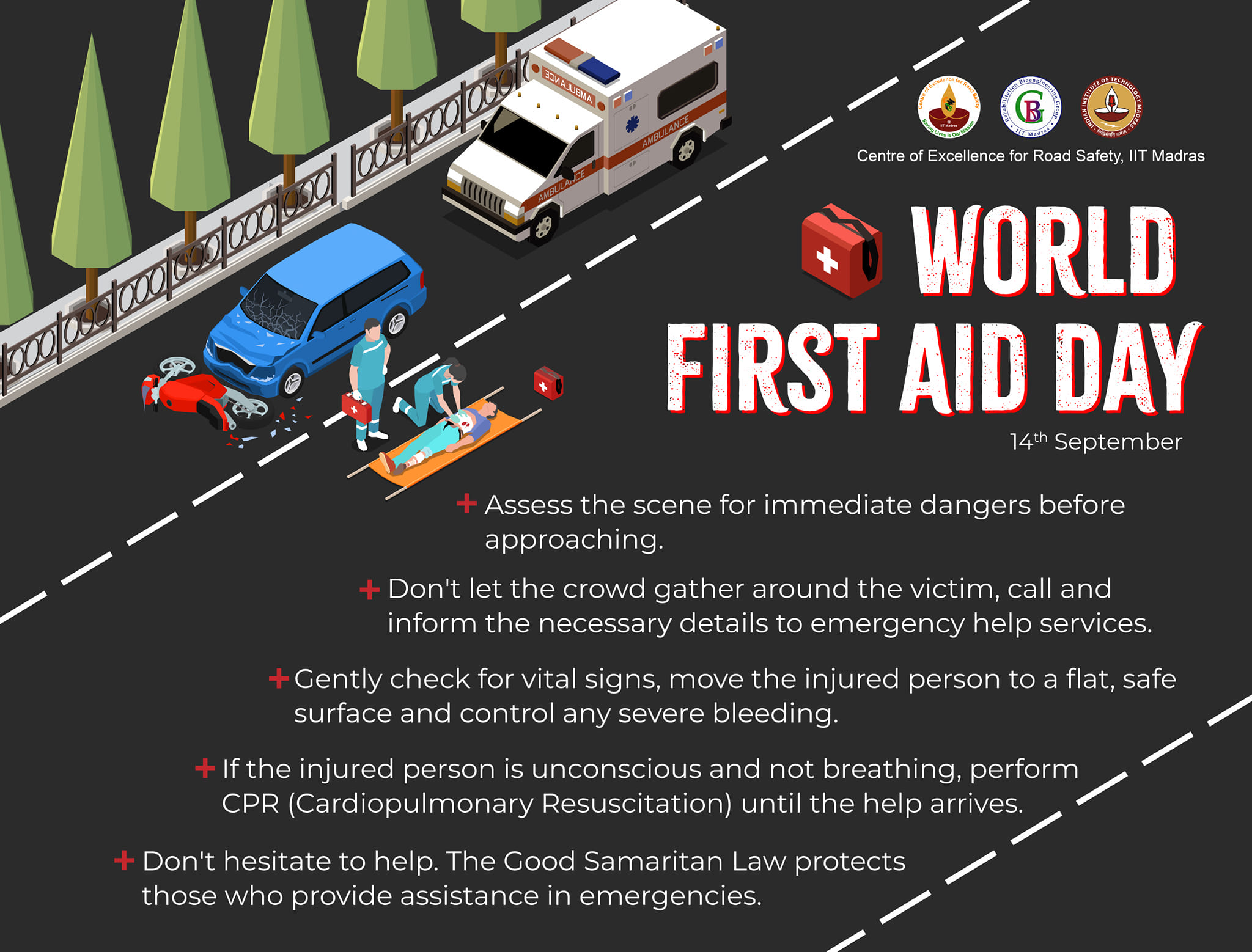
Credit: m.facebook.com
Initial Safety Measures
Ensuring initial safety is crucial before administering first aid at car accidents. Check for hazards and secure the scene to protect yourself and others.
Initial safety measures are crucial at the scene of a car accident. They help prevent further harm and ensure proper assistance. These actions must be taken swiftly and carefully. This section will guide you on immediate steps for safety.Ensure Scene Safety
Begin by assessing the surroundings. Look for dangers like traffic or fire. Ensure your own safety first. Use hazard lights if possible. Set up warning signs to alert other drivers. This helps protect everyone involved. Stay clear of moving vehicles or unstable areas.Call Emergency Services
Dial emergency services immediately. Provide clear information about the accident. Share the location, number of vehicles, and any visible injuries. This ensures quick response from authorities. Keep calm and stay on the line until instructed otherwise. Emergency personnel will guide you on further actions.
Credit: www.instagram.com
Assessing The Situation
When you encounter a car accident, your first reaction might be panic. But staying calm is crucial. Assessing the situation effectively can make all the difference in providing timely and appropriate first aid. This initial evaluation helps you prioritize actions, ensuring safety for everyone involved. Let’s break it down into clear steps that you can follow.
Check For Immediate Dangers
Before rushing to help the victims, ensure the accident scene is safe. Look around for any immediate threats such as fire, leaking fuel, or oncoming traffic. If necessary, set up warning signs or use hazard lights to alert other drivers. Your safety is paramount, and securing the area prevents further accidents.
Evaluate Victims’ Conditions
Once the scene is secure, approach the victims cautiously. Ask them simple questions to gauge their responsiveness. Look for visible injuries like bleeding or fractures. If someone is unconscious, check their breathing and pulse. What if a victim is trapped? Avoid moving them unless there’s an immediate danger. Use this assessment to prioritize who needs help first.
Providing Life-saving Aid
Car accidents are unpredictable, and knowing how to provide life-saving aid can make a crucial difference. Whether you’re a passerby or involved in the accident, your actions can be vital. The goal is to stabilize the injured, control bleeding, and restore breathing until professional help arrives.
Performing Cpr
Imagine you’re at the scene, and someone isn’t breathing. Knowing how to perform CPR can save a life. Place the heel of your hand on the center of the victim’s chest, right between the nipples. Stack your other hand on top, interlock your fingers, and start compressing hard and fast.
Aiming for about 100 compressions per minute is key. Remember, depth matters—push down at least two inches. It might seem daunting, but your effort can restart a stalled heart. Have you ever thought about how critical those first few minutes can be?
Controlling Bleeding
Bleeding can be alarming, but you can manage it effectively. Use a clean cloth or bandage to apply direct pressure on the wound. Elevate the injured limb above the heart to slow down the bleeding. This is your chance to take charge and be the hero in a dire moment.
If bleeding is severe, don’t hesitate to use a tourniquet. Wrap it tightly above the injury but not directly on a joint. Tighten it until the bleeding stops. These actions might seem simple, but they are powerful and can prevent a tragedy.
Handling Shock And Trauma
Administering first aid at car accidents involves assessing injuries quickly. Calmly reassure the injured person and call emergency services. Check for breathing, control bleeding, and stabilize broken bones with care.
Handling shock and trauma during a car accident is crucial. Car accidents can leave victims in a state of shock. This condition affects both their physical and mental state. Recognizing signs of shock early can make all the difference. Administering care promptly can prevent further complications. Understanding what to look for and how to respond is vital. Let’s explore how to effectively handle these situations.Recognizing Signs Of Shock
Shock is not always obvious. It can manifest in various ways. Look for pale, clammy skin. Rapid breathing is another indicator. Victims may feel weak or dizzy. Confusion or agitation can also occur. They might feel cold or shiver. These symptoms can worsen quickly. Early recognition is key to effective response.Administering Care For Shock
Once shock is identified, act fast. Keep the victim calm and still. Comfort them with reassuring words. Elevate their legs if possible. This boosts blood flow to vital organs. Cover them with a blanket. It helps maintain body heat. Avoid giving food or drink. These can complicate the situation. Monitor their breathing and pulse. Stay with them until help arrives.Dealing With Specific Injuries
Administering first aid at car accidents is crucial. Stay calm and check for injuries. Call emergency services immediately. If safe, provide basic aid such as stopping bleeding or stabilizing broken bones. Ensure the injured person remains conscious and breathing until help arrives.
Dealing with specific injuries during car accidents can be challenging. Each injury requires immediate attention and care. Knowing how to address these injuries ensures safety and comfort for victims. This section covers how to treat fractures and manage burns effectively.Treating Fractures
Fractures are common in car accidents. Handle them with care to avoid further harm.- Keep the injured person still. Movement can worsen the injury.
- Support the fractured area. Use a cushion or clothing to keep it stable.
- Apply a splint if possible. Ensure it’s snug but not tight.
- Use cold packs. They reduce swelling and pain.
- Seek medical help immediately. Professional care is vital.
Managing Burns
Burns can occur from vehicle fires or hot surfaces. Quick action is necessary.- Remove the person from the source of heat. Safety first.
- Cool the burn. Use water for at least 10 minutes.
- Remove jewelry or tight clothing. They can cause further damage as the area swells.
- Cover the burn with a clean, non-fluffy cloth. It protects the skin.
- Refrain from applying creams or oils. They can worsen the burn.
Stabilizing Victims Until Help Arrives
Knowing how to administer first aid at car accidents can save lives. Quickly assess the situation and call emergency services. Provide basic care like stopping bleeding and ensuring breathing until help arrives.
Stabilizing victims in car accidents is vital. This ensures their safety until help arrives. Providing immediate attention can make a difference. It helps in preventing further harm.Ensuring Comfort And Reassurance
Approach the victim calmly. Speak in a soothing voice. Let them know help is coming. Comfort reduces panic and stress. Offer a blanket or jacket if they are cold. This keeps them warm and calm. Reassure them they are not alone. Stay by their side. It offers emotional support and comfort.Monitoring Vital Signs
Check if the victim is breathing. Look for chest movements. Listen for breathing sounds. Feel for air from the nose or mouth. Monitor their pulse. Use two fingers on their wrist or neck. Note the pulse rate and strength. Keep talking to them. Ask simple questions. This assesses their consciousness. Pay attention to any changes. Report these to medical responders.Legal And Ethical Considerations
Understanding legal and ethical considerations is crucial when providing first aid at car accidents. Always ensure consent before assisting an injured person. Be aware of Good Samaritan laws protecting those who offer aid in emergencies.
Legal and ethical considerations play a crucial role when administering first aid at car accidents. It’s important to know your rights and responsibilities to protect both the injured and yourself. Understanding these aspects ensures you can provide help without legal repercussions and with a clear conscience.Understanding Good Samaritan Laws
Good Samaritan laws are designed to encourage bystanders to assist in emergencies without fear of legal liability. These laws vary by region, but generally, they protect you if you act in good faith and within your level of training. Imagine you’re the first on the scene after a car accident. You rush to help, but hesitate, worrying about potential lawsuits. Good Samaritan laws aim to eliminate this fear, allowing you to focus on providing necessary aid. However, these laws don’t protect against gross negligence or reckless actions. It’s vital to stay informed about the specific laws in your area to ensure your actions are legally protected.Consent In Emergencies
Consent is a critical component when providing first aid. Typically, you should ask the injured person if they want your help. However, in emergencies where the victim is unconscious or unable to respond, consent is implied. Think of a time when you were in a situation where immediate action was needed. You didn’t have time to wait for a formal agreement; your priority was saving a life. This is where implied consent comes into play, allowing you to assist without verbal permission. But what if the victim is conscious and refuses help? Respect their wishes unless they become unconscious or their condition significantly worsens. It’s a delicate balance of respecting personal autonomy while providing necessary care. Being aware of these legal and ethical considerations empowers you to act confidently and responsibly in emergency situations. Are you prepared to step up and make a difference when it matters most?Post-incident Responsibilities
After a car accident, responsibilities extend beyond immediate first aid. Addressing post-incident duties is crucial for recovery and accountability. These responsibilities ensure all aspects are handled properly, from legal matters to emotional support.
Reporting The Accident
Informing authorities is a critical step. Accurate reporting helps with legal documentation. Contact the police to report the accident details. Provide clear information like location, time, and vehicle details. This documentation assists in insurance claims and legal matters. Obtain a copy of the police report for your records.
Exchange information with other parties involved. Share names, contact details, and insurance information. This helps streamline communication for further resolution. Capture the scene with photographs if possible. These visuals support your account of the incident.
Supporting Emotional Recovery
Emotional recovery is vital post-accident. Car accidents can be traumatic experiences. Offer support to all involved parties. Listen and provide comfort without judgment. Encourage seeking professional help if needed. Emotional well-being aids in overall recovery.
Discuss feelings openly with trusted friends or family. Create a supportive environment for healing. Consider joining support groups for shared experiences. Connecting with others aids in processing emotions.
Monitor for signs of stress or anxiety. Emotional recovery might take time. Be patient with yourself and others. Prioritize mental health as much as physical recovery.

Credit: www.instagram.com
Frequently Asked Questions
What Are The Basic Steps Of Giving First Aid In Case Of A Collision?
Check for danger and ensure safety. Call emergency services immediately. Provide first aid for injuries. Keep the injured calm and still. Wait for professional help to arrive.
What Are The First Aid Procedures For Accidents?
Administer first aid by assessing the situation, ensuring safety, calling emergency services, and providing CPR if needed. Control bleeding with pressure, clean wounds, and immobilize fractures. Use a first aid kit for supplies. Always reassure the injured person while waiting for professional help.
What Are The 7 Steps To Dealing With A Car Accident?
1. Ensure everyone’s safety and check for injuries. 2. Move vehicles to a safe location. 3. Call the police and report the accident. 4. Exchange information with involved parties. 5. Document the scene with photos. 6. Notify your insurance company.
7. Seek medical attention if necessary.
What Is The First Aid Treatment For Road Accident Victims?
Check for consciousness and breathing. Stop any bleeding using clean cloth and pressure. Support broken limbs with makeshift splints. Keep the victim warm and calm. Call emergency services immediately for professional help. Avoid moving the victim unless necessary.
Conclusion
Being ready for car accidents is crucial. Quick actions can save lives. Stay calm and assess the situation. Call emergency services immediately. Provide aid while waiting for help. Protect yourself and others from further harm. Every second counts in emergencies.
First aid knowledge is essential. Practice these skills regularly. You make a difference with prompt care. Keep a first aid kit in your car. Understand basic procedures to help effectively. Your actions can impact outcomes significantly. Safety and preparedness are key.
Knowing what to do helps everyone involved. Remember, your calm response matters.