
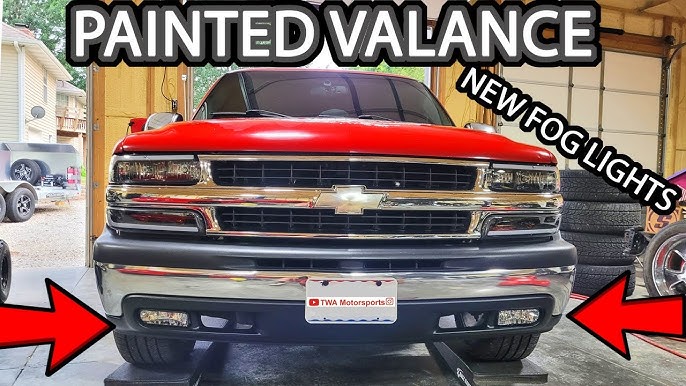
Driving at night or through foggy weather can be daunting. You strain your eyes, trying to see the road ahead, but even your high beams seem inadequate.
Imagine the confidence you could feel with a clearer view, cutting through the fog with ease. Adding fog lights to your car isn’t just a functional upgrade; it’s an investment in your safety and peace of mind. Have you ever found yourself squinting through dense fog, hoping to catch sight of road signs or oncoming vehicles?
Installing fog lights can transform your driving experience, making those challenging conditions a breeze. You don’t have to be a car expert to achieve this upgrade. This guide will walk you through the process step-by-step, ensuring you understand every detail and feel empowered to enhance your vehicle. Why let fog and darkness dictate your driving? Take control, boost your visibility, and navigate with confidence. Dive into this guide to discover how you can easily add fog lights to your car and elevate your driving game.

Credit: auxito.com
Choosing The Right Fog Lights
Choosing the right fog lights for your car is crucial. They improve visibility in harsh weather conditions. Proper fog lights enhance safety and driving comfort. Understanding different types and factors helps make an informed decision.
Types Of Fog Lights
Fog lights come in various types. Each has unique benefits:
- Halogen Fog Lights:Common and affordable. They provide bright yellow light.
- LED Fog Lights:Energy-efficient and long-lasting. They offer a bright white beam.
- Xenon Fog Lights:Produce intense light. They are more expensive but effective.
Factors To Consider
Several factors influence the choice of fog lights:
- Brightness:Choose lights with adequate brightness for your needs.
- Color Temperature:Select a color that enhances visibility.
- Compatibility:Ensure the lights fit your car model.
- Durability:Opt for weather-resistant and sturdy lights.
- Installation:Consider ease of installation for convenience.

Credit: www.tiktok.com
Gathering Necessary Tools And Materials
Adding fog lights to your car can improve visibility during adverse weather. Before starting, gather the necessary tools and materials. Proper preparation ensures a smoother installation process. Let’s explore what you need to get started.
Essential Tools List
- Screwdriver set
- Wire strippers
- Socket wrench set
- Drill with bits
- Multimeter
- Electrical tape
- Safety glasses
Required Materials
- Fog light kit
- Wiring harness
- Switch for the dashboard
- Zip ties
- Fuses
- Connectors
- Mounting brackets
Preparing Your Car
Adding fog lights enhances visibility in poor weather. Begin by choosing compatible lights for your car model. Install the lights securely, ensuring proper wiring and alignment.
Preparing your car for fog light installation is an essential step. This ensures a smooth and safe process. Careful preparation can prevent mishaps and enhance the final result. Let’s dive into the key aspects of getting your car ready.Safety Precautions
Safety is the top priority before starting any car modification. First, make sure the car is parked on a flat surface. Engage the parking brake to prevent any movement. Disconnect the battery to avoid electrical shocks. This is crucial for your safety. Use protective gloves and eyewear to protect against accidents. Keep a fire extinguisher nearby in case of emergency. Following these precautions minimizes risks.Locating Mounting Points
Identifying the right mounting points is vital. Check your car’s manual for guidance. Look for pre-drilled holes or marked spots on the bumper. These are often intended for additional lights. If no such points exist, measure and mark suitable locations. Ensure they are symmetrical for an even appearance. The chosen spots should be clear of obstructions. This ensures a secure and stable installation.Installing The Fog Lights
Adding fog lights to your car improves visibility in bad weather. First, choose the right fog lights for your model. Then, follow the installation instructions carefully for a safe and effective upgrade.
Installing fog lights on your car can significantly improve your visibility during poor weather conditions. Whether you’re driving through dense fog or heavy rain, fog lights can make a big difference. This task might seem daunting, but breaking it down into manageable steps can make it straightforward and even enjoyable. Let’s explore how you can install fog lights by focusing on two key aspects: mounting the lights and wiring the lights.Mounting The Lights
First, identify the ideal location for your fog lights. Typically, they should be mounted low on the vehicle, just above the bumper. This helps the light project under the fog, illuminating the road without reflecting off the fog and causing glare. Before drilling any holes, double-check the alignment to ensure the lights are evenly spaced and pointed slightly downward. This ensures they cast the right beam pattern on the road. Use a pencil to mark the spots where you’ll be drilling. Once you have your marks, drill holes for the mounting brackets. Secure the brackets tightly using nuts and bolts, ensuring they’re stable. Remember to leave some room for adjustments. Attach the fog lights to these brackets, and adjust them to your preferred angle.Wiring The Lights
Wiring might seem like the trickiest part, but with patience, it’s manageable. Start by disconnecting your car battery to ensure safety. Locate the existing wiring harness if your car has one, otherwise you may need to purchase a universal wiring kit. Connect the fog light wires to the harness. Generally, the red wire connects to the positive terminal, and the black wire connects to the ground. If using a switch, mount it inside your vehicle where it’s easily accessible. Run the wires through the engine bay, securing them away from any moving parts or hot surfaces. Use zip ties to keep them neat and organized. Reconnect the battery and test the lights to ensure they work properly. Installing fog lights might require a bit of patience, but the improved visibility is worth the effort. Have you considered how much safer your night drives could be with fog lights? Give it a try and see the difference it makes.Testing The Fog Lights
Testing the fog lights ensures proper installation and functionality. Check alignment and brightness for optimal performance.
Testing fog lights ensures they work safely and effectively. Once installed, proper testing is crucial. It helps verify functionality and adjust the light’s position. Follow these steps to make sure your fog lights are ready for the road.Ensuring Proper Function
Start by turning on the fog lights. Check if both lights illuminate evenly. If one light doesn’t work, inspect the wiring and connections. Ensure all connections are secure. A loose connection might cause a malfunction. Use a voltmeter to check the power supply. It confirms if electricity reaches the lights. Replace any blown fuses if necessary.Adjusting Light Position
Correct alignment is key for optimal performance. Park your car on a flat surface, facing a wall. Turn on the fog lights and observe the light pattern on the wall. Adjust the lights to ensure they point slightly downward. This minimizes glare for oncoming drivers. Use the adjustment screws on the fog lights. Fine-tune the angle until the desired position is achieved. Proper alignment enhances visibility in foggy conditions.Maintaining Your Fog Lights
Adding fog lights to your car improves visibility in poor weather. Choose lights compatible with your vehicle model. Install them securely following the manufacturer’s instructions for optimal performance.
Maintaining your fog lights is crucial to ensure they perform effectively, especially when visibility is compromised during bad weather conditions. Proper maintenance not only extends their lifespan but also enhances your safety on the road. While adding fog lights to your car is a great investment, their upkeep is equally important. Let’s dive into some practical tips to keep them in top shape.Cleaning Tips
Regular cleaning is vital to keep your fog lights clear and functional. Dirt and grime can accumulate quickly, especially if you often drive in dusty or muddy areas. Using a soft cloth and mild detergent, gently wipe the fog light lens to remove any residue. Avoid using harsh chemicals that can damage the lens or reduce their effectiveness. A simple mixture of warm water and soap often works wonders. Remember, clean lights provide better illumination, which is critical for your safety.Regular Inspections
Conducting regular inspections ensures that your fog lights are in good working order. Check for any signs of wear and tear, such as cracks or discoloration in the lens. These can affect the light’s brightness and clarity. Make it a habit to inspect the wiring and connections. Loose wires can lead to malfunctioning lights, which can be dangerous during foggy conditions. Have you ever noticed a flickering light while driving? It might be a sign that something needs attention. Why wait for a problem to arise? Regular inspections can prevent issues before they start, ensuring your fog lights are always ready to shine when you need them most.
Credit: www.reddit.com
Frequently Asked Questions
Can I Install Fog Lights On A Car That Didn’t Come With Them?
Yes, you can install fog lights on a car without them. Purchase a compatible fog light kit. Follow the manufacturer’s installation instructions carefully. Ensure proper wiring and mounting for safety. Consider professional installation for optimal results. Fog lights enhance visibility in adverse weather conditions.
Can I Install My Own Fog Lights?
Yes, you can install fog lights yourself. Ensure compatibility with your vehicle’s model. Follow the manufacturer’s guidelines closely. Use proper tools and safety precautions. Check wiring and connections for functionality. Consider consulting a professional if unsure. A successful installation enhances visibility during adverse weather conditions.
What If Your Car Doesn’t Have Fog Lights?
Use your regular headlights on low beam in foggy conditions. Drive slowly to ensure safety. Always maintain a safe distance from other vehicles. Consider installing aftermarket fog lights for better visibility. Regularly clean your headlights to maximize their effectiveness in low visibility situations.
Where Do You Connect The Power Wire For Fog Lights?
Connect the fog lights’ power wire to the vehicle’s fuse box or battery. Ensure connections are secure and insulated. Use a relay to control power flow and prevent overload. Always check your vehicle’s manual for specific instructions and safety measures.
Conclusion
Adding fog lights to your car enhances safety. You gain clearer vision in foggy conditions. Installation is simple with the right tools. Follow instructions carefully for best results. Fog lights improve driving confidence. They help you see obstacles sooner. Consider your car model before buying lights.
Compatibility is crucial for smooth installation. Choose quality lights for durability. Avoid cheap options that may fail quickly. Enjoy safer drives with reliable fog lights. Feel secure even in poor weather. Your car is more prepared for challenging conditions. Invest time and effort wisely.
Prioritize safety on every journey.