
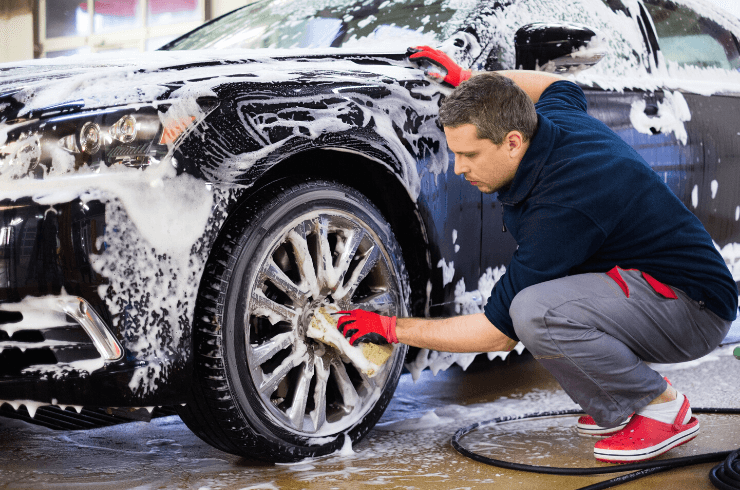
Have you ever looked at your car and wondered if it’s time for a wash? You’re not alone.
Keeping your car clean is more than just about appearances; it’s about maintaining your vehicle’s health and longevity. But how often should you actually wash your car? Is there a magic number or a rule of thumb that can help you keep your ride in tip-top shape without overdoing it?
Imagine driving a spotless car that turns heads wherever you go. Picture the pride you feel knowing your car is in its best condition, free from the grime that can cause damage over time. This blog post will guide you through the ideal washing frequency, considering factors like weather, location, and lifestyle. You’ll discover the secrets to keeping your car clean and protected, ensuring it remains a joy to drive. Stick around to find out how often you should really be washing your car and why it matters more than you might think.

Credit: www.consumerreports.org
Factors Affecting Car Wash Frequency
How often should you get your car washed? The answer isn’t one-size-fits-all. Several factors influence the frequency of car washes, ensuring your vehicle remains in top shape and retains its value. Let’s dive into these factors to help you determine the best washing schedule for your car.
Climate And Weather Conditions
Climate plays a significant role in deciding how often you should wash your car. If you live in a coastal area, salt from the sea air can corrode your vehicle’s paint, necessitating more frequent washes. In contrast, those in dry, dusty regions might find their cars collecting dust faster, requiring regular cleaning to maintain a pristine appearance.
Harsh winters introduce another challenge with road salt, which can cause rust if left unchecked. Regular washes during snowy months are crucial to prevent long-term damage. Consider the weather patterns in your area and how they might affect your car’s exterior.
Driving Habits
Your driving habits directly impact how often you should wash your car. Do you frequently take long road trips or drive through muddy terrains? If so, your car will likely need more attention to remove debris and dirt.
On the other hand, if your car is mostly parked in a garage or used for short city commutes, you might get away with fewer washes. Think about where and how often you drive to gauge your cleaning schedule.
Car Color And Material
The color and material of your car can also dictate wash frequency. Dark-colored cars tend to show dirt and water spots more prominently, prompting more regular washes to keep them looking sleek.
Additionally, if your vehicle has special materials like matte finishes or vinyl wraps, they may require specific cleaning products and more frequent care to maintain their unique look. Consider these factors when planning your car wash routine.
Ultimately, understanding these factors can help you tailor a car wash schedule that fits your lifestyle and keeps your car in prime condition. What does your current washing routine look like, and does it align with your car’s needs?

Credit: www.instagram.com
Benefits Of Regular Car Washing
Frequent car washing maintains its shine and protects the paint from damage. Wash your car every two weeks to remove dirt, grime, and harmful contaminants. Regular cleaning also prevents rust and corrosion, extending your vehicle’s lifespan.
Regular car washing is crucial for maintaining your vehicle’s condition. It goes beyond just keeping your car looking shiny and new. There are several benefits to washing your car regularly. Let’s explore these advantages, ensuring your vehicle remains in top shape for years to come.Protection Against Paint Damage
Frequent washing helps protect your car’s paint. Dirt, dust, and grime can scratch the paint surface. Over time, these scratches can lead to rust and corrosion. Washing removes contaminants that harm your car’s paint. A clean surface helps preserve the car’s original color and finish.Enhancing Vehicle Longevity
Keeping your car clean extends its lifespan. Dirt buildup can affect various parts, like the undercarriage. Regular cleaning prevents wear and tear caused by debris. This maintenance reduces the likelihood of costly repairs. A well-maintained car runs smoothly and efficiently for longer periods.Improving Resale Value
A clean car attracts potential buyers. Regular washing maintains its appearance and condition. Buyers prefer cars that look well cared for. A shiny exterior and clean interior can increase your car’s resale value. Investing time in washing your car can pay off when selling.Signs Your Car Needs A Wash
Regular car washes keep your car looking good and protect its paint. But how do you know when it’s time to wash your car? Look for these signs. They will tell you it’s time for a trip to the car wash.
Visible Dirt And Grime
Notice dirt on your car’s surface? It’s time for a wash. Dirt buildup can damage the paint. Regular washing removes dirt and protects your car. A clean car also looks more appealing.
Presence Of Bird Droppings
Bird droppings can harm your car’s paint. They are acidic and can cause stains. Remove them quickly to avoid damage. A wash will clean droppings and prevent long-term harm.
Noticing Water Spots
Water spots can appear after rain or washing. They leave unsightly marks on the surface. Regular washing helps remove these spots. It also keeps your car looking shiny and new.
Types Of Car Washes
Keeping your car clean is important for its look and lifespan. There are different types of car washes available, each offering unique benefits. Understanding these options can help you decide which is best for you.
Automatic Car Wash
Automatic car washes are quick and convenient. They use machines with brushes and jets to clean your car. This option suits busy people who need a fast clean. You drive your car into the wash bay, and the machines do the rest. While efficient, sometimes automatic washes might miss spots or leave minor scratches.
Hand Wash
Hand washing offers a more detailed clean. Professionals use sponges and soap to wash every part of your car. This method ensures no spot is missed. Hand washing is gentle and careful. It reduces the risk of scratches and is perfect for delicate finishes. This type is ideal for those who care deeply about their car’s appearance.
Waterless Car Wash
Waterless car washes are an eco-friendly choice. They use special sprays and wipes to clean the car without water. This method is great for areas with water restrictions. It saves time and water. Waterless washes can be done anywhere, making them flexible and convenient. They are perfect for quick touch-ups.
Expert Tips For Optimal Washing Schedule
Keeping your car clean involves more than just occasional washes. The frequency of washing can depend on various factors. Experts provide tips to help you establish an optimal washing schedule for your vehicle.
Seasonal Adjustments
Seasons impact how often you should wash your car. In winter, road salt can damage paint. Wash your car every two weeks to prevent this. During spring, pollen and tree sap increase. Wash weekly to keep your car spotless. Summer means dust and bugs. A bi-weekly wash keeps your car looking fresh. Fall brings leaves and debris, so washing every two weeks works well.
Frequency For Different Car Uses
Car usage influences washing frequency. Daily commuters should wash their cars every week. This removes dirt and grime from city roads. If you drive your car occasionally, a monthly wash suffices. Off-road enthusiasts should wash their cars after every adventure. Mud and dirt can build up quickly. For those who park outside, consider weekly washes to maintain shine.
Maintaining Interior Cleanliness
Interior cleanliness is as important as the exterior. Vacuum the interior every two weeks. This reduces dirt and allergens. Wipe surfaces weekly to remove dust. Clean windows inside monthly for clear visibility. If you have kids or pets, increase cleaning frequency. Use air fresheners to keep the cabin smelling nice. Regular cleaning protects your car’s interior.
Common Car Wash Mistakes
Washing your car might seem straightforward, but there are common mistakes that can compromise your vehicle’s appearance and longevity. If you’ve ever noticed streaks, scratches, or lingering grime after a wash, you might be making some of these errors. Let’s explore how to avoid these pitfalls and keep your car looking its best.
Using Harsh Chemicals
One frequent mistake is using harsh chemicals that can strip away wax and damage your car’s paint. Many store-bought cleaners contain ingredients that are too aggressive for regular use. Opt for products specifically designed for automotive finishes to protect your car’s surface.
Remember, your car’s paint is delicate. Always read labels and choose gentle, biodegradable solutions for the best results. Have you checked what’s in your cleaner lately?
Ignoring Drying Process
Skipping the drying process can lead to water spots that are difficult to remove. After washing, it’s crucial to dry your car thoroughly with a clean, soft towel or chamois. Leaving your car to air dry can cause minerals in the water to etch into the paint.
Make it a habit to dry every nook and cranny, especially the mirrors and windows. A few extra minutes can save you hours of polishing later. How often do you skip this step?
Overlooking Undercarriage Cleaning
The undercarriage is often neglected, yet it’s one of the most vulnerable parts of your car. Dirt, salt, and debris can accumulate underneath, leading to rust and other damage. Pay special attention to the undercarriage, especially during winter months or after off-road adventures.
Invest in a car wash that includes an undercarriage spray or do it yourself with a hose and nozzle. Keeping this area clean helps maintain your car’s integrity. Are you giving your undercarriage the attention it needs?
By avoiding these common mistakes, you ensure your car remains in top condition, enhancing both its look and value. Pay attention to the details, and your vehicle will thank you with a lasting shine.
Eco-friendly Car Washing Practices
Washing your car can impact the environment significantly. Adopting eco-friendly car washing practices helps reduce this impact. It not only protects the planet but also keeps your car in top condition. Let’s explore some eco-friendly practices for washing your car.
Utilizing Biodegradable Soaps
Biodegradable soaps are designed to break down naturally. They do not harm aquatic life or pollute waterways. Choose products labeled as biodegradable when washing your car. This simple change can make a big difference. It ensures that cleaning agents do not linger in nature.
Conserving Water
Traditional car washing can waste a lot of water. Adopt water-saving techniques to minimize this waste. Use a bucket instead of a hose to reduce water usage. Consider investing in a high-pressure washer. It uses less water while effectively cleaning your car.
Choosing Eco-conscious Car Wash Services
Many car wash services now offer eco-friendly options. These services use less water and biodegradable products. Opt for such services to support environmental efforts. Research local car washes to find eco-conscious options near you. This choice supports businesses that prioritize sustainability.

Credit: www.facebook.com
Frequently Asked Questions
How Often Should You Wash Your Car?
It’s best to wash your car every two weeks. This routine helps maintain its appearance and protects the paint. Frequent washing removes dirt, salt, and grime. However, in harsh weather, you might need to wash it more often. Regular washing also helps prevent rust and damage.
Is Washing Your Car Weekly Too Much?
Washing weekly isn’t excessive if conditions demand it. If you live in a dusty area or near the ocean, weekly washes help protect your car. They prevent salt or dirt buildup. However, ensure you’re using proper techniques to avoid damaging your car’s paint.
What Happens If You Don’t Wash Your Car?
Neglecting regular washes can harm your car’s finish. Dirt and grime can scratch the paint. Salt can cause rust over time. Overlooking washing can also lead to a dull appearance. Regular cleaning is crucial for maintaining your car’s value and longevity.
Can Frequent Car Washing Damage The Paint?
Frequent washing won’t damage paint if done correctly. Use the right cleaning products and tools. Avoid abrasive materials that can scratch the surface. Hand washing with a soft cloth is recommended. Proper technique ensures your car’s paint remains pristine and shiny.
Conclusion
Regular car washes keep your vehicle looking fresh. Dirt and grime can harm your car’s paint over time. A clean car also boosts your pride and confidence. Wash frequency depends on climate and driving habits. In dusty areas, wash more often.
For urban drivers, once every two weeks is ideal. Don’t forget the interior; it needs care too. A clean car reflects your personality. It shows you care about your vehicle. So, make car washing a regular routine. Keep your car shining and protected always.