
Imagine achieving a spotless shine on your car without breaking a sweat. Pressure washing might just be the magic wand you need.
But, how do you ensure that you’re not using too much force and damaging your beloved vehicle? Finding the right PSI for pressure washing your car is crucial, and that’s exactly what you’ll uncover in this guide. We know you care about your car’s finish and want it to look its best.
You’re about to discover how to protect the paint while getting rid of stubborn dirt and grime. With the right techniques, you can transform your car cleaning routine into a quick, satisfying experience. Dive in to learn how you can make your car sparkle safely and efficiently.
Credit: www.yourmechanic.com
Choosing The Right Pressure Washer
Pressure washing your car requires the right equipment. Not all pressure washers are suitable for vehicles. Choosing the right one ensures safe and effective cleaning. Let’s dive into key considerations.
Electric Vs. Gas Pressure Washers
Electric pressure washers are ideal for car cleaning. They are quieter and easier to handle. Their PSI is often lower, preventing paint damage. Gas washers offer higher PSI levels. They are better for tougher jobs but risky for cars. Choose wisely based on your cleaning needs.
Understanding Psi And Gpm
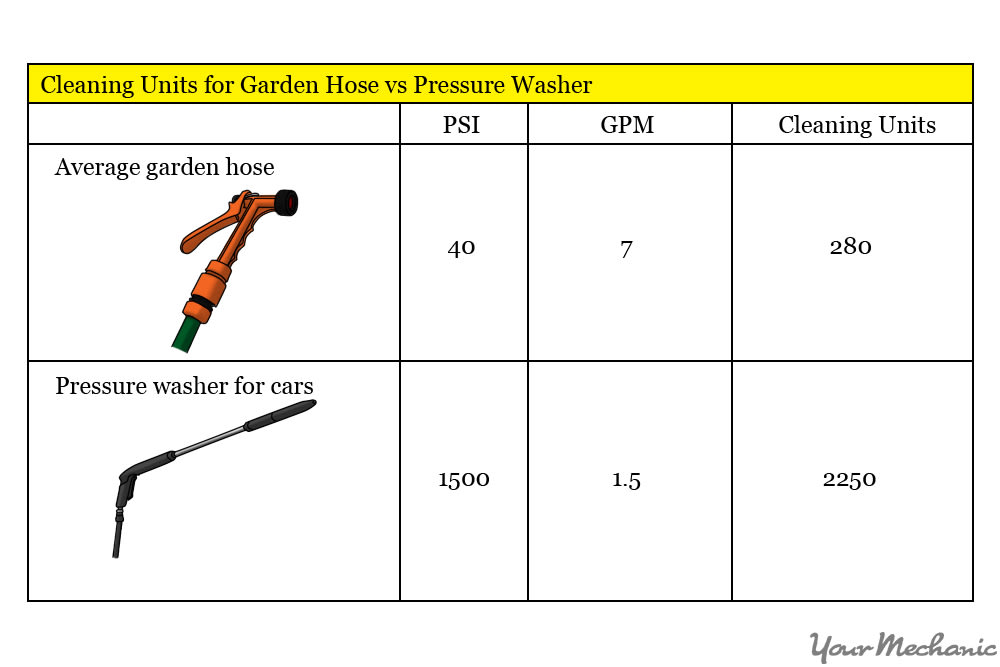
PSI stands for pounds per square inch. It measures water pressure. For cars, 1200 to 1900 PSI is safe. GPM is gallons per minute. It indicates water flow rate. A balance between PSI and GPM ensures efficient cleaning. Low PSI with high GPM can clean without harm. Consider both factors for optimal results.
Recommended Psi For Car Washing
Pressure washing a car requires the right amount of PSI. Using too much can damage the paint or windows. Using too little might not clean effectively. Finding the right PSI is crucial for a safe and effective wash.
Ideal Psi Range For Cars
The ideal PSI for washing cars ranges from 1200 to 1900. This range is gentle on the paint yet effective in removing dirt. Most pressure washers offer adjustable settings to find the perfect PSI. A PSI setting within this range ensures a safe cleaning process.
Avoiding Damage With Proper Psi
Using a PSI higher than 1900 can cause harm. It might strip paint or dent surfaces. Always check the pressure settings before starting. Using a nozzle with a wider spray pattern can also help reduce pressure. Proper PSI ensures your car remains in pristine condition.
Nozzle Selection And Settings
Selecting the right nozzle and setting the pressure to 1200 to 1900 psi is essential for washing a car effectively. This range ensures the removal of dirt without damaging the vehicle’s paint.
Selecting the right nozzle and setting is crucial for pressure washing your car effectively and safely. The nozzle determines the spray pattern and pressure level, which directly impacts the cleaning process. Using the wrong nozzle can lead to damage or ineffective cleaning. Let’s dive into the types of nozzles and how adjusting spray patterns can make a significant difference in your pressure washing experience.Types Of Nozzles
Choosing the right nozzle is like picking the perfect tool for a job. Each nozzle type offers a unique spray angle and pressure level. The most common nozzles are:- 0-Degree Nozzle:Produces a concentrated jet stream. Ideal for tough stains but can be harsh on car surfaces.
- 15-Degree Nozzle:Offers a focused spray suitable for removing stubborn dirt without damaging paint.
- 25-Degree Nozzle:Provides a wider spray, perfect for general cleaning tasks.
- 40-Degree Nozzle:Delivers a gentle spray, best for delicate surfaces like car paint.
- 65-Degree Nozzle:Known as the soap nozzle, used for applying detergents.
Adjusting Spray Patterns
Adjusting spray patterns can significantly affect the cleaning efficiency. With the right settings, you can cover more area quickly while protecting sensitive surfaces. Consider how the spray angle influences the pressure distributed across the surface. A wider spray reduces pressure, making it safer for the car’s paint. Try adjusting the nozzle distance from the surface. Holding the nozzle too close can result in damage, while too far reduces cleaning power. Find the sweet spot by testing on a small area first. Are you unsure about the best settings for your car? Experiment with different angles and distances to see what works best. This hands-on approach not only enhances your cleaning results but also makes the process more enjoyable. Remember, the key is balance—achieving effective cleaning without compromising the car’s finish.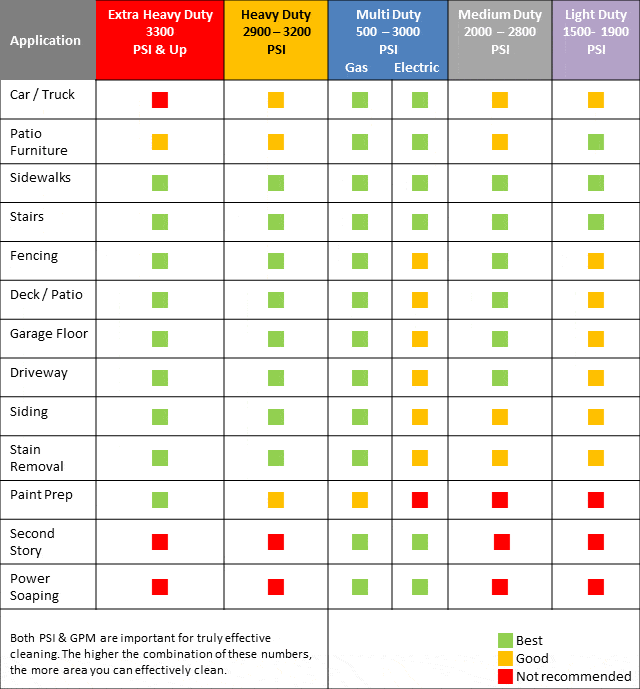
Credit: pressurewashr.com
Preparing Your Car For Pressure Washing
Selecting the right pressure level is crucial for car washing. Aim for a PSI between 1200 and 1900. This range effectively cleans without damaging the paint.
Preparing your car for pressure washing is crucial. It ensures a thorough clean and protects your vehicle. A well-prepared car can handle the pressure without damage. Let’s explore some essential steps to get your car ready.Pre-wash Steps
Start by parking your car on a level surface. Ensure it is away from direct sunlight. Sunlight can dry soap too quickly, leaving spots. Gather all necessary tools and equipment. This includes a pressure washer, car soap, and microfiber cloths. Inspect your car for any loose parts. Check mirrors, antennas, and wipers. Secure any loose items to prevent damage. Remove all personal items from the car’s exterior. This includes detachable accessories and decorations. Rinse your car with water using a hose. This removes loose dirt and debris. It also softens any stubborn grime. Use a low-pressure setting for this initial rinse.Protecting Sensitive Areas
Certain car parts are sensitive to high pressure. Protect these areas to avoid damage. Cover the car’s air intake with plastic wrap or a towel. This prevents water from entering the engine. Avoid directing high pressure at door seams and windows. High pressure can force water through seals, causing leaks. Use a lower pressure setting around these areas. Do not spray directly at electrical components. This includes headlights, taillights, and sensors. Water can damage these sensitive parts. By following these steps, your car will be ready for a safe and effective pressure wash.Pressure Washing Techniques
Choosing the right psi for pressure washing a car is essential. Experts recommend using 1200 to 1900 psi to effectively clean without damaging the surface. A gentle approach ensures a spotless car while preserving its paint and finish.
Pressure washing a car requires proper techniques to ensure a safe, spotless result. Using the right psi level is crucial to avoid damage. Let’s explore some effective methods and tips.Effective Washing Methods
- Start with a low psi setting around 1200 to 1900.
- Hold the nozzle about a foot away from the surface.
- Begin with a rinse to remove loose dirt and debris.
- Use a detergent designed for cars to loosen stubborn grime.
- Rinse thoroughly to prevent soap residue.
Tips For A Spotless Finish
- Use a soft brush attachment for gentle scrubbing.
- Wash in sections to focus on each area properly.
- Avoid direct spray on sensitive areas like mirrors and antennas.
- Finish with a microfiber towel to dry and polish.
- Inspect the car for missed spots and rewash if necessary.
Safety Precautions
Using a pressure washer with 1200 to 1900 psi ensures safe car cleaning. Higher psi may damage the paint. Always test on a small area first to check compatibility and avoid harm.
Safety should always be your top priority when pressure washing your car. The high pressure can be dangerous if not handled correctly, potentially causing injury or damage. Here, we’ll dive into the essential safety precautions to keep you and your vehicle safe during this task.Protective Gear
Wearing the right gear is crucial to protect yourself from harm. Always wear safety goggles to shield your eyes from debris and water spray. Gloves are also essential, providing a firm grip on the equipment and shielding your hands from chemicals. Consider wearing waterproof boots to keep your feet dry and secure on wet surfaces.Handling Equipment Safely
Understanding how to handle the pressure washer is key to preventing accidents. Before starting, check all connections to ensure they are tight and secure. When using the washer, maintain a safe distance from the vehicle to prevent damage from the high pressure. Adjust the nozzle settings according to the manufacturer’s instructions to avoid using excessive force. Always be mindful of your surroundings, especially if children or pets are nearby. By implementing these safety measures, you can enjoy a smooth and safe car washing experience. Remember, a little caution goes a long way in ensuring both your safety and the longevity of your vehicle. What safety tips do you find crucial when pressure washing? Share your thoughts in the comments below!Maintaining Your Pressure Washer
Choosing the right PSI for washing your car is essential. Aim for a pressure washer with 1200 to 1900 PSI. This range safely cleans without damaging the paint.
Maintaining your pressure washer is crucial for ensuring it operates effectively and efficiently over time. Regular care not only extends the lifespan of your machine but also enhances its performance, making your car cleaning routine smoother and more enjoyable. Let’s dive into some essential tips and tricks to keep your pressure washer in top shape.Routine Maintenance
Regular maintenance is the key to a long-lasting pressure washer. Begin by checking the oil levels before each use; low oil can damage the engine. Clean the water filter frequently to prevent clogs and maintain optimal water flow. Inspect hoses and connections for any signs of wear or leaks. Tighten any loose fittings and replace damaged parts immediately. This proactive approach saves you from costly repairs down the line. Drain the pump after every use, especially if you plan to store the washer for a while. This prevents mineral buildup and freezing damage in colder months.Troubleshooting Common Issues
Even with regular maintenance, you might encounter some hiccups. If your pressure washer won’t start, check the spark plug and fuel supply. A quick clean or replacement might solve the problem. Experiencing low pressure? Inspect the nozzle for blockages. A simple unclogging can restore full power. Sudden sputtering or inconsistent performance often indicates air in the system. Bleed the air out by running water through the machine without the nozzle attached. Is your pressure washer producing strange noises? This could point to a worn-out pump or bearings. Consider consulting the user manual or seeking professional help if you’re unsure. By understanding these common issues and their solutions, you can ensure your pressure washer remains a reliable ally in keeping your car spotless. Are there any other maintenance tips you find useful? Share your experiences in the comments!
Credit: www.youtube.com
Frequently Asked Questions
Is 2000 Psi Too Much To Wash A Car?
Using 2000 psi to wash a car can be too high and might damage the paint. It’s best to use a pressure washer with 1200 to 1900 psi to safely clean a car without causing harm. Always ensure to use the correct nozzle and maintain a safe distance.
Can You Use A 3000 Psi Pressure Washer To Wash A Car?
Yes, you can use a 3000 psi pressure washer to wash a car. Use a wide spray nozzle and keep a safe distance to avoid damage.
What Psi Should A Pressure Washer Be At To Wash A Car?
Pressure washers should have 1200 to 1900 PSI for washing a car. Too high PSI risks paint damage. Choose a nozzle with a wide spray pattern to minimize pressure. Always maintain a safe distance from the car’s surface to ensure gentle cleaning.
Can You Use A 4000 Psi Pressure Washer On A Car?
Using a 4000 psi pressure washer on a car can cause damage. Lower the pressure to 1200-1900 psi for safe cleaning. Always use a wide nozzle and maintain a safe distance to prevent paint or surface harm. Proper pressure ensures effective cleaning without risking your vehicle’s exterior.
Conclusion
Choosing the right psi for pressure washing your car is crucial. It ensures safety and maintains your car’s shine. Too much pressure can damage paint. Too little might not clean effectively. Aim for a balance. Around 1200 to 1900 psi works well for most cars.
This range is safe and effective. Always test first on a small area. Protect your car and enjoy a clean ride. Pressure washing makes cleaning easy and quick. Follow these tips and keep your car looking great. Happy washing!