
Have you ever wondered what keeps your car safely coming to a stop? The magic lies in the brake system, specifically in the pressure within the brake lines.
Understanding how much pressure is in a car brake line isn’t just for mechanics; it can empower you with valuable knowledge about your vehicle’s safety. As you drive, the brake lines work hard behind the scenes, ensuring you can stop promptly and avoid potential hazards.
This pressure plays a crucial role in your car’s ability to brake effectively. Knowing how it works can increase your confidence while driving. Dive into this article to discover the fascinating details behind the brake line pressure and why it matters for your safety. You’ll find practical insights that might even improve your driving experience.
Car Brake System Basics
The car brake system is a marvel of engineering that ensures your safety on the road. It operates with precision to bring your vehicle to a halt when needed. Understanding the basics of this system can enhance your appreciation and awareness of its vital role in driving.
How Car Brakes Work
When you press the brake pedal, a series of actions occur almost instantaneously. The pedal pushes a piston inside the master cylinder, which then forces brake fluid through a network of tubes and hoses. This fluid reaches the brake calipers, causing the brake pads to clamp onto the rotors and slowing down the wheel’s motion.
The Role Of Brake Fluid
Brake fluid is the lifeblood of your car’s braking system. It transfers the force from your foot on the pedal to the brakes themselves. Without it, the system would be unable to generate the necessary pressure to stop the vehicle.
Pressure In Brake Lines
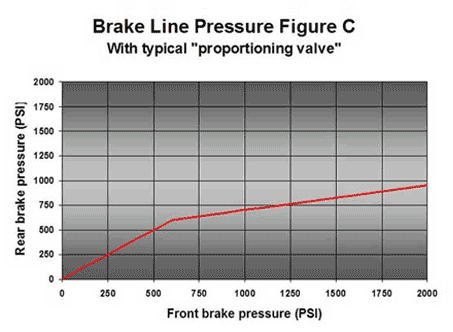
The pressure in a car’s brake line is crucial. Typically, it ranges from 800 to 2,000 psi, depending on the vehicle and braking conditions. This pressure ensures that enough force is applied to the brakes to stop the car safely and efficiently.
Why Pressure Matters
Ever wonder why your car stops smoothly at a red light? It’s all about the pressure. Adequate pressure ensures that the braking force is evenly distributed, preventing skidding or uneven stopping. Monitoring your brake system’s pressure can help you catch issues before they become serious problems.
Signs Of Brake Pressure Issues
Have you noticed a spongy feeling when pressing your brake pedal? This might indicate a pressure issue. Other signs include increased stopping distances and brake fluid leaks. Regular maintenance can help detect and fix these problems, keeping you safe on the road.
Understanding your car’s brake system isn’t just for mechanics. It’s a practical insight that can help you drive more confidently. So next time you hit the brakes, you’ll know exactly what’s happening beneath your feet.
Credit: www.brakes-shop.com
Brake Fluid Dynamics
Brake fluid dynamics play a crucial role in car safety. The fluid flows through brake lines, creating pressure to stop the vehicle. Understanding this pressure is key for maintaining effective brakes. Brake fluid dynamics involve several factors that ensure a car halts swiftly and safely.
Understanding Brake Fluid Pressure
Brake fluid pressure is measured in pounds per square inch (PSI). This pressure builds up as you press the brake pedal. The force from your foot translates into hydraulic pressure. This pressure pushes the fluid through the brake lines.
How Brake Fluid Travels
The fluid moves through a network of lines and hoses. It travels from the master cylinder to each wheel. This journey involves converting pedal force into hydraulic force. This hydraulic force is what applies the brakes at each wheel.
Factors Affecting Brake Pressure
Several factors impact brake pressure. The type of brake fluid is one significant factor. Different fluids have varying boiling points and viscosities. Temperature also affects brake fluid pressure. High temperatures can lead to vapor lock, reducing pressure.
Importance Of Brake Fluid Maintenance
Maintaining brake fluid is essential for safety. Regular checks and changes prevent moisture buildup. Moisture lowers the boiling point, affecting pressure. Keeping the fluid clean and fresh ensures optimal performance.
Role Of Pressure In Brake Lines
Car brake lines handle significant pressure to ensure safe stopping. Typically, they operate between 800 and 2,000 psi. This pressure effectively transfers force from the pedal to the brakes, enabling efficient vehicle control.
The role of pressure in brake lines is crucial for safe driving. Brake lines use hydraulic pressure to slow down or stop a vehicle. Understanding this pressure can help you appreciate how your car’s braking system works.Understanding Hydraulic Pressure
Brake lines rely on hydraulic pressure. This pressure comes from brake fluid in the lines. When you press the brake pedal, the fluid pushes through the lines. This creates force, which makes the brake pads clamp onto the wheel.Importance Of Consistent Pressure
Consistent pressure is key for effective braking. If the pressure is too low, the brakes might not work well. Too high pressure can damage brake parts. Regular checks ensure the pressure stays in the correct range.How Pressure Changes With Speed
Pressure in brake lines changes with speed. Faster speeds require more pressure to stop the car. The brake system adjusts the pressure automatically. This helps maintain control and safety.Signs Of Pressure Problems
Several signs indicate pressure problems in brake lines. Soft brakes mean low pressure. A hard brake pedal suggests high pressure. Any unusual noise or feeling needs a brake check. Proper maintenance avoids these issues.The Role Of Brake Fluid
Brake fluid plays a major role in pressure creation. It transmits force from the pedal to the brake parts. Good quality fluid ensures smooth pressure flow. Regularly change the fluid to maintain effective brakes.Benefits Of Healthy Brake Pressure
Healthy brake pressure offers several benefits. It ensures reliable braking. Good pressure improves safety. It also extends the life of brake parts. Maintaining correct pressure is vital for overall car health.Factors Affecting Brake Line Pressure
Brake line pressure is influenced by several factors like the brake fluid’s condition, the master cylinder’s efficiency, and the brake pedal’s force. A well-maintained brake system ensures optimal pressure, crucial for safe driving.
Factors affecting brake line pressure determine how effectively brakes perform. Understanding these factors can enhance braking efficiency and safety. Various elements influence brake line pressure. Let’s delve into these crucial aspects.Brake Pad Condition
Worn brake pads lead to reduced friction. This affects the pressure needed in brake lines. Fresh pads ensure optimal pressure and effective braking. Always check brake pads regularly.Fluid Type And Quality
The type and quality of brake fluid significantly impact pressure. Low-quality fluid can cause air bubbles, reducing pressure. Use high-quality fluids to maintain consistent pressure.Temperature Variations
Extreme temperatures can alter brake line pressure. Cold weather may thicken fluid, affecting flow. Conversely, heat can cause fluid to thin, impacting pressure. Monitor temperature changes for safe braking.Measuring Brake Line Pressure
Understanding car brake line pressure is crucial for safety. Typically, brake lines hold between 800 to 2,000 psi. This ensures effective braking and vehicle control.
Measuring brake line pressure is crucial for ensuring your car’s braking system is operating effectively. This process helps you diagnose potential issues before they become major problems. Having a clear understanding of this measurement can make the difference between a smooth drive and an unexpected stop.Tools And Equipment
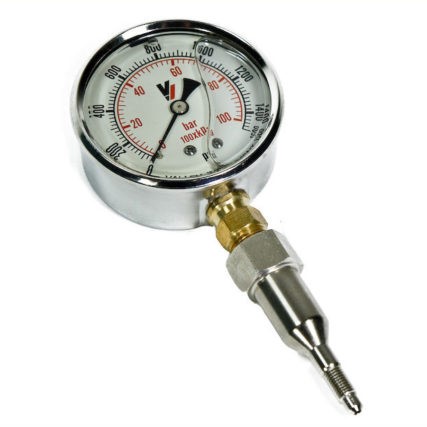
To measure brake line pressure accurately, you need the right tools. A brake pressure gauge is your best friend here. It’s a specialized device that attaches to the brake line, allowing you to read the pressure levels. You’ll also need a set of wrenches to help you connect the gauge to the brake line. Don’t forget a container to catch any brake fluid, as leakage is common during this process. Having these tools handy will save you time and effort.Step-by-step Process
Start by ensuring your car is on a flat surface. This prevents any rolling and makes the process safer. Locate the brake line where you’ll attach the pressure gauge. Typically, it’s near the brake caliper or master cylinder. Use your wrench to carefully loosen the fitting. Attach the brake pressure gauge securely, ensuring no brake fluid leaks. Once the gauge is connected, have someone press the brake pedal. This action will allow you to read the pressure level on the gauge. Take note of the reading—it should be within the manufacturer’s specified range. If the pressure is too low or too high, it may indicate a problem with the brake system. This could be due to air in the line, a leak, or a faulty brake component. Addressing these issues promptly can prevent further damage. Regularly measuring brake line pressure is an essential practice. It keeps you informed about the health of your braking system and ensures your safety on the road. When was the last time you checked yours?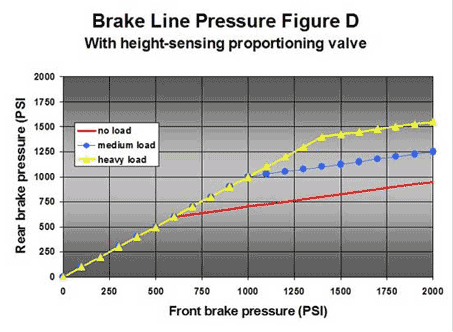
Credit: www.brakes-shop.com
Safety Implications Of Pressure
Understanding the pressure in a car’s brake line is vital for safety. Brake lines carry hydraulic fluid, creating force to stop the vehicle. Insufficient pressure can lead to brake failure. Excessive pressure can damage components, risking your safety. Keeping brake pressure balanced is essential for smooth, safe driving.
Signs Of Pressure Issues
Recognizing pressure issues can prevent accidents. Here are some signs:
- Soft or spongy brake pedal.
- Brakes feel slow to respond.
- Unusual noises during braking.
- Brake fluid leaks under the vehicle.
If you notice these signs, check your brakes immediately. Addressing issues early can save lives.
Maintenance Tips
Regular maintenance ensures brake line pressure stays optimal. Follow these tips:
- Inspect brake lines for damage or leaks.
- Check brake fluid level monthly.
- Replace worn brake pads promptly.
- Have brakes checked by a professional yearly.
Simple checks can keep your car safe. Don’t ignore warning signs. Regular maintenance ensures reliable braking.
Innovations In Brake Line Technology
The world of automotive technology is continually evolving, and brake line systems are no exception. Innovations in brake line technology have transformed the way we approach driving, making it safer and more efficient. These advancements are not just about enhancing performance; they are about creating a seamless experience for you, the driver. Imagine a braking system that anticipates your needs, adjusts its pressure dynamically, and responds with precision and speed. Welcome to the future of driving!
Electronic Brake Systems
Electronic brake systems are a game-changer in modern vehicles. Instead of relying solely on hydraulic pressure, these systems use electronic signals to control the brakes. This means faster response times and improved accuracy in pressure application. Have you ever felt that slight delay when pressing the brake pedal? With electronic systems, that lag is minimized, giving you a more immediate and confident braking experience.
What’s even more exciting is how these systems integrate with other electronic components in your car. They work in harmony with sensors, stability control, and even your car’s navigation system to optimize braking performance. Imagine driving down a steep hill and the brakes automatically adjust to maintain a safe speed. It’s technology that anticipates your needs and acts before you do!
Adaptive Pressure Control
Adaptive pressure control is another innovation that is reshaping brake line technology. This system adjusts the pressure in your brake lines based on driving conditions, vehicle load, and even weather. Have you ever driven in heavy rain and felt unsure about your car’s braking ability? Adaptive pressure control ensures that the right amount of pressure is applied, regardless of external conditions.
Think about how reassuring it is to know that your brakes are adapting to your environment. Whether you’re cruising on a dry highway or navigating through a wet city street, your braking system is constantly fine-tuning itself for optimal performance. This innovation not only enhances safety but also prolongs the lifespan of your brake components.
Innovations in brake line technology are more than just mechanical improvements; they are about transforming your driving experience. Are you ready to embrace the future of braking?
Credit: www.goodridge.co.uk
Frequently Asked Questions
How Much Psi Do Brake Lines Have?
Brake lines typically handle pressure between 800 to 2,000 psi during normal braking. Heavy braking can increase this pressure. Ensure brake line integrity for safety. Regular checks help maintain optimal performance. Proper maintenance prevents leaks and ensures reliable operation. Always consult your vehicle’s manual for specific guidelines related to brake system pressure.
What Is The Maximum Pressure For Brake Pipe?
The maximum pressure for a brake pipe typically ranges between 70 to 100 psi, ensuring safe vehicle operation. Regular maintenance is crucial to prevent pressure loss and ensure braking efficiency. Always consult the vehicle’s manual for specific pressure guidelines.
How Much Pressure Is In Car Brakes?
Car brake systems typically operate with a pressure range between 800 to 2,000 psi. This pressure ensures effective stopping power and vehicle safety. Regular maintenance helps maintain optimal brake performance.
What Happens If You Have Too Much Air In The Brake Line?
Too much air in the brake line reduces braking efficiency. It causes a spongy pedal feel and delays stopping. This can lead to dangerous driving conditions. Bleeding the brakes removes the air, restoring proper brake function. Always ensure brake lines are free of air for optimal safety.
Conclusion
Understanding brake line pressure ensures safer driving. Brake systems rely on precise pressure levels. Regular checks help maintain efficiency. Low pressure leads to poor braking. High pressure risks damage. Balance is key. Know your car’s specifications. Consult a mechanic for advice.
They provide expert insights. Safety is the priority. Proper maintenance prevents accidents. Enjoy peace of mind with well-functioning brakes. Keep your vehicle in top shape. Check regularly for optimal performance. Reliable brakes ensure smooth journeys. Stay informed for safety. Your knowledge empowers safer driving experiences.