
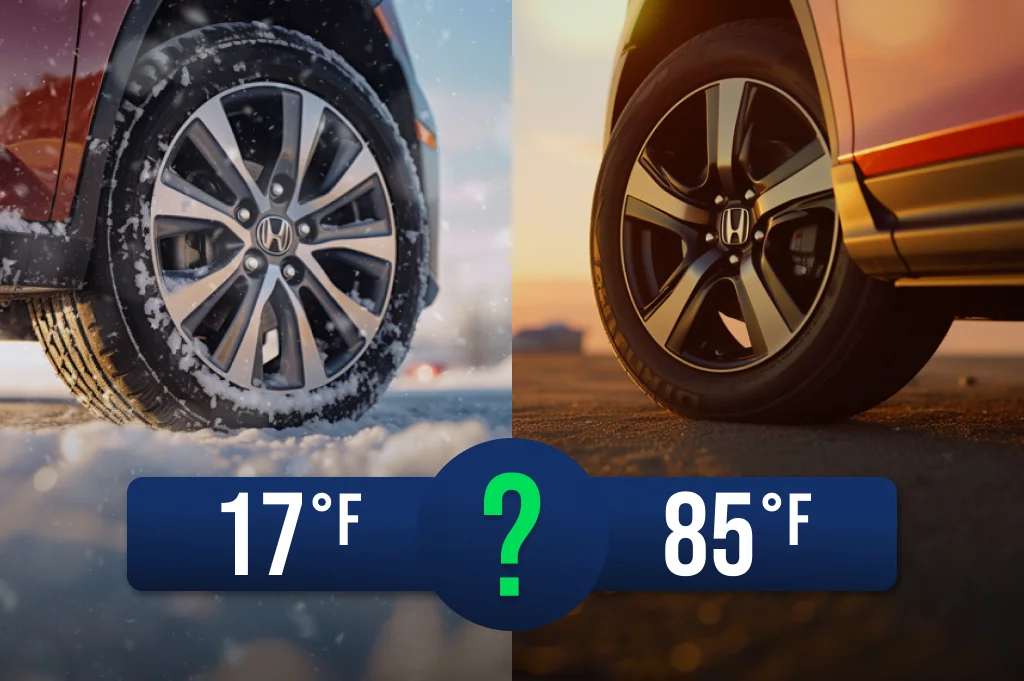
Have you ever noticed your car’s tire pressure fluctuating without apparent cause? You might be surprised to learn that temperature plays a significant role in this mystery.
Understanding how tire pressure changes with temperature is crucial for your safety and your car’s performance. We’ll unveil the secrets behind this phenomenon and arm you with essential knowledge to keep your tires in top shape. Whether you’re driving in sweltering heat or freezing cold, this information is key to ensuring a smooth and safe ride.
Curious to know more? Stick around, and let’s dive into the fascinating world of tire pressure dynamics!
Credit: www.utires.com
Impact Of Temperature On Tire Pressure
Car tire pressure changes with temperature fluctuations. Colder temperatures can lower tire pressure, while warmer conditions increase it. Regular checks ensure optimal performance and safety.
The tire pressure in your car can change with temperature. This change affects driving safety and fuel efficiency. Understanding how temperature influences tire pressure helps maintain your vehicle.Why Temperature Affects Tire Pressure
Tire pressure relies on air volume within the tire. Air expands with heat and contracts with cold. This expansion and contraction cause changes in tire pressure.Temperature Changes And Pressure Fluctuations
For every 10°F change in temperature, tire pressure changes by 1 PSI. In cold weather, tires lose pressure. In hot conditions, pressure increases. Both scenarios impact driving performance.Safety Implications Of Incorrect Tire Pressure
Incorrect tire pressure affects handling and braking. Under-inflated tires wear out faster and overheat. Over-inflated tires reduce traction. Keeping the right pressure ensures safety on the road.Maintaining Optimal Tire Pressure
Check tire pressure regularly, especially during temperature swings. Use a reliable gauge to measure pressure. Adjust pressure to the manufacturer’s recommended levels. Proper maintenance improves safety and extends tire life.Tools For Monitoring Tire Pressure
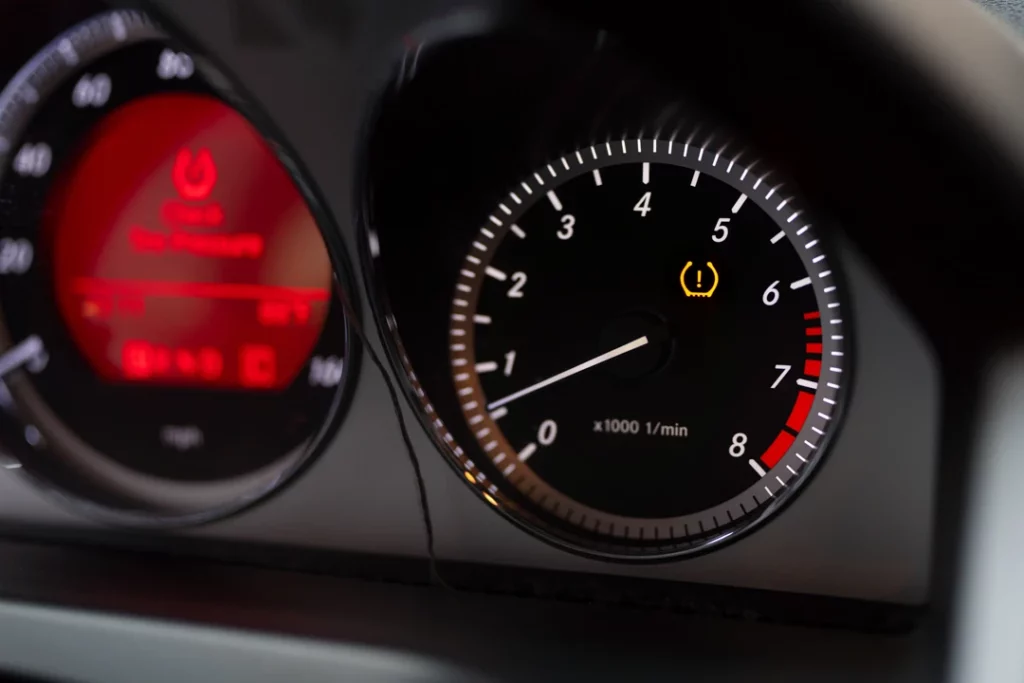
Digital tire pressure gauges provide accurate readings. Tire pressure monitoring systems (TPMS) alert you to pressure changes. These tools help maintain proper pressure easily.
Credit: wiygul.com
Science Behind Tire Pressure Fluctuations
The science behind tire pressure fluctuations is a fascinating interplay of physics and environmental factors. Have you ever noticed your tire pressure light flickering on a chilly morning? It’s not just your imagination. Understanding why tire pressure changes with temperature can help you maintain your car’s performance and safety.
Ideal Gas Law And Tire Pressure
The Ideal Gas Law is key to understanding tire pressure changes. This law states that pressure, volume, and temperature of a gas are interconnected. In simple terms, when the temperature of the air inside your tires increases, so does the pressure.
Picture a balloon on a hot summer day. It expands as the air inside heats up. Similarly, your tire pressure increases in warmer temperatures. This increase can affect how your car handles, so it’s crucial to monitor it regularly.
Role Of Ambient Temperature
Ambient temperature plays a significant role in tire pressure fluctuations. A 10-degree Fahrenheit change can alter your tire pressure by about 1 PSI. So, a crisp winter morning can lead to under-inflated tires, while a hot day can cause over-inflation.
Imagine driving from a cool mountain area to a hot desert. Your tire pressure could change drastically, impacting fuel efficiency and safety. Are you checking your tire pressure as the seasons change?
Monitoring tire pressure isn’t just about avoiding a flat. It’s about ensuring optimal performance. Keep a reliable tire gauge handy, and make it a habit to check your tires regularly. Your car—and your peace of mind—will thank you.
Effects Of Seasonal Changes
Understanding the effects of seasonal changes on tire pressure is essential for maintaining your vehicle’s performance and safety. As temperatures fluctuate, so does the air pressure within your tires. This can lead to unexpected handling issues or even tire damage if not properly managed. Let’s delve into how different seasons impact tire pressure and what you can do to stay ahead of these changes.
Summer Heat And Increased Pressure
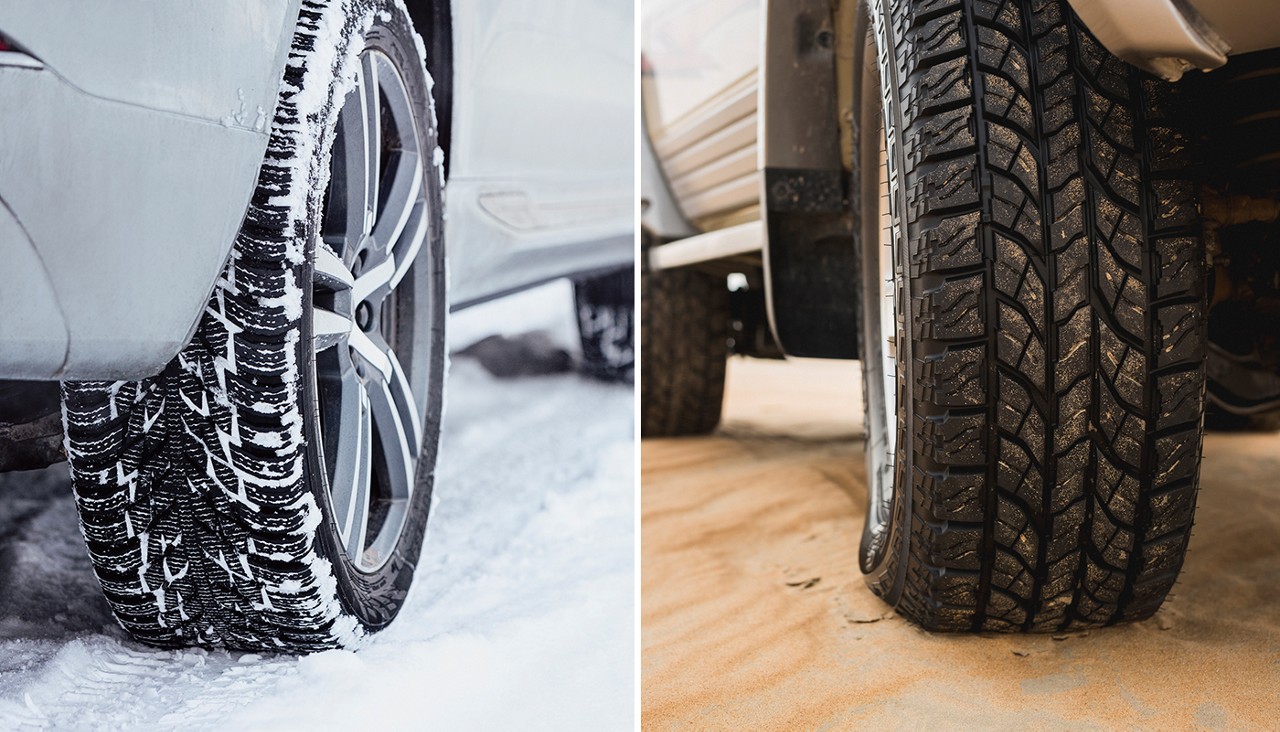
During the sweltering summer months, you might notice your tire pressure rising. As the temperature soars, the air inside your tires expands. This increase in pressure can lead to overinflated tires, potentially affecting your vehicle’s grip on the road.
A quick drive to the beach might seem harmless, but those extra pounds per square inch (PSI) could compromise your safety. Regularly checking your tire pressure when temperatures peak is crucial. Consider investing in a quality tire gauge to ensure your tires aren’t overinflated.
Ever felt your car sliding slightly when making a sharp turn? That could be your tires struggling to maintain traction due to excessive pressure. Keep an eye on your tire pressure to enjoy smoother summer drives.
Winter Cold And Decreased Pressure
As the mercury drops, so does your tire pressure. The cold compresses the air inside your tires, leading to underinflation. This can be particularly hazardous on icy roads, where tire grip is paramount.
Imagine waking up to a snowy morning and finding your car’s handling less responsive. An unexpected drop in tire pressure could be the culprit. Checking your tire pressure regularly during winter months is a simple step to ensure your car performs safely.
Have you ever noticed your tires looking a bit deflated on a cold morning? That’s a visual cue to grab your tire gauge and make necessary adjustments. Maintaining proper pressure not only aids in safety but also improves fuel efficiency.
Monitoring Tire Pressure
Car tire pressure can change about 1 psi for every 10°F change in temperature. Colder temperatures cause tire pressure to decrease, while warmer weather increases it. Regular checks can ensure safety and optimal tire performance.
Monitoring tire pressure is crucial for safe driving. Tire pressure changes with temperature. Knowing how to track these changes helps maintain safety and efficiency. Regular monitoring ensures tires perform well and last longer. It also improves fuel efficiency.Using Tire Pressure Monitoring Systems
Tire Pressure Monitoring Systems (TPMS) make tracking easy. They alert drivers to pressure changes. Sensors in each tire send real-time data to the dashboard. Drivers can see pressure levels without leaving their seat. This technology helps avoid underinflation and overinflation. Keeping tires at the right pressure improves safety.Manual Checking Techniques
Manual checking is simple and effective. Use a tire pressure gauge to measure each tire. Check tires when they are cold for accurate readings. Compare readings with the recommended levels in the car manual. This ensures tires are neither overinflated nor underinflated. Regular checks help catch leaks or other issues early. Keeping a gauge in the car is a smart move. It allows for quick checks anytime, anywhere.Preventive Measures For Tire Maintenance
Proper tire maintenance is essential for safe driving and extending tire life. Temperature changes can affect tire pressure, leading to potential safety hazards. Implementing preventive measures ensures optimal performance and safety.
Regular Pressure Checks
Check tire pressure monthly. Use a reliable gauge for accuracy. Cold tires provide the best pressure reading. Don’t forget the spare tire. It needs attention too. Regular checks prevent unexpected blowouts.
Adjusting For Temperature Variations
Temperature impacts tire pressure significantly. For every 10°F change, pressure changes by 1 PSI. Monitor pressure during extreme weather. Inflate tires according to these changes. This ensures stable handling and fuel efficiency.
Impact On Driving Safety
Car tire pressure changes with temperature and affects driving safety. This change can influence how your car handles and its fuel efficiency. Understanding these impacts helps maintain safety on the road.
Handling And Performance
Proper tire pressure ensures good handling. Low pressure reduces grip, leading to poor control. High pressure makes the ride bumpy and affects steering. Both conditions can increase the risk of accidents. Regularly checking tire pressure helps maintain optimal performance.
Fuel Efficiency Considerations
Tire pressure also impacts fuel efficiency. Under-inflated tires cause more rolling resistance. This means your car uses more fuel. Properly inflated tires help your car move smoothly, saving fuel. Keeping tires at the right pressure can reduce fuel costs and emissions.
Professional Insights
Understanding how temperature affects tire pressure is crucial for maintaining your vehicle’s safety and performance. Professional insights can help clarify the intricacies involved and provide actionable advice. Let’s delve into expert recommendations and debunk common myths and facts surrounding tire pressure and temperature changes.
Expert Recommendations
Experts agree that monitoring your tire pressure regularly is essential, particularly with fluctuating temperatures. A good rule of thumb is that tire pressure changes approximately 1 PSI for every 10°F change in temperature. This means if you experience a significant temperature drop overnight, your tire pressure could be lower than optimal.
Professionals suggest checking your tire pressure at least once a month and before long trips. Ensure your tires are cold for the most accurate reading, which means checking them after the car has been parked for a few hours. Using a quality tire gauge can help you maintain precise pressure levels.
Common Myths And Facts
There’s a common myth that you should overinflate tires in winter to counteract pressure drops. This is not recommended as overinflation can lead to reduced traction and uneven tire wear. Instead, adjust your tire pressure according to the manufacturer’s guidelines, accounting for temperature changes.
Another myth is that tire pressure isn’t as important if you have run-flat tires. While run-flat tires can keep you moving after a puncture, they also require proper pressure to function effectively. Ignoring tire pressure can reduce their lifespan and performance.
Do you often skip checking your tire pressure because you believe the car’s monitoring system is enough? While TPMS (Tire Pressure Monitoring Systems) provide alerts for significant pressure drops, they don’t replace regular manual checks. Relying solely on TPMS could leave you with undetected gradual losses.
What professional insights have you discovered that changed your approach to tire maintenance? Sharing your experiences can help fellow drivers understand the nuances of tire care. Remember, keeping your tires in top condition is not just about safety—it’s also about enhancing your driving experience.
Credit: www.acg.aaa.com
Frequently Asked Questions
Should You Put Air In Your Tires When It’s Cold?
Yes, it’s essential to check tire pressure in cold weather. Cold air reduces tire pressure, affecting performance and safety. Inflate tires to the recommended PSI, as per your vehicle’s manual. Properly inflated tires ensure optimal traction, fuel efficiency, and reduce wear.
Regularly monitor tire pressure during colder months for safety.
How Many Psi Per 10 Degrees?
Tire pressure changes approximately 1 psi for every 10 degrees Fahrenheit change in temperature. Regularly check your tire pressure to ensure safety and optimal performance. Adjust pressure as needed, especially during seasonal shifts, to maintain the recommended level. Proper tire inflation improves fuel efficiency and reduces wear.
What Is The 4 Psi Rule On Tires?
The 4 psi rule suggests checking tire pressure after driving to ensure it increases by 4 psi from cold pressure. If the increase is more or less, adjust the cold tire pressure accordingly. This helps maintain optimal tire performance and safety.
Will Tire Pressure Drop 1 Psi For Every 10 Degrees Drop In Temperature?
Yes, tire pressure typically drops by 1 psi for every 10-degree Fahrenheit decrease in temperature. Regularly check tire pressure, especially during temperature changes, to ensure safety and efficiency. Proper maintenance can improve tire lifespan and fuel economy.
Conclusion
Understanding car tire pressure changes with temperature is important. Safety and performance depend on correct tire pressure. Cold weather causes tire pressure to drop. Hot weather makes it rise. Regular checks ensure optimal pressure. Properly inflated tires last longer. They also improve fuel efficiency.
Check tire pressure monthly. Adjust as needed. Use a reliable gauge for accuracy. Keep an eye on weather shifts. This helps in maintaining tire health. Stay informed and drive safely. Your car depends on it. Proper care keeps you on the road longer.