
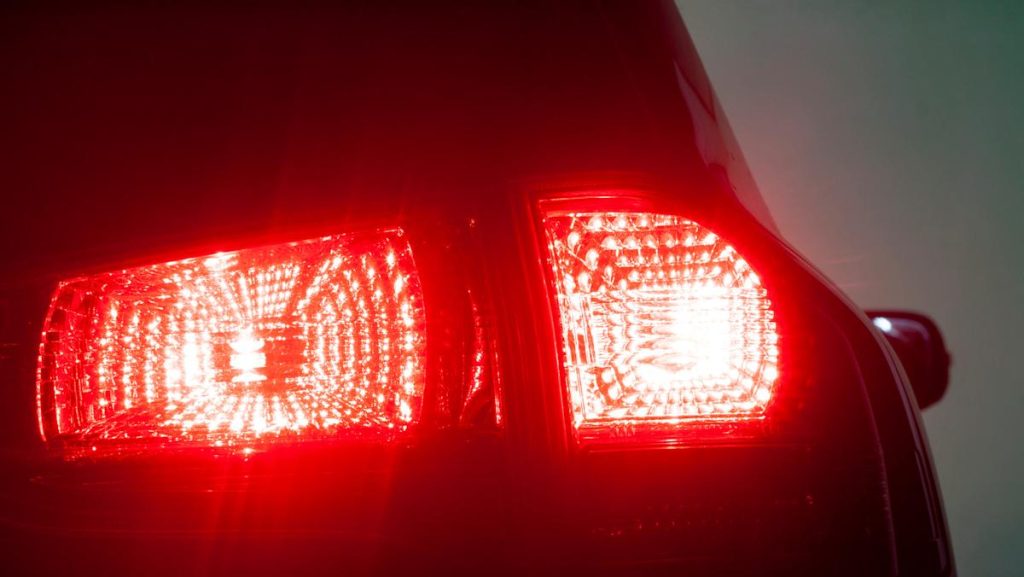
Have you ever wondered how many brake lights your car should have in Texas? Knowing the rules can save you from fines and ensure your safety on the road.
This guide is here to help you understand the requirements in Texas for brake lights. We’ll break down everything you need to know, from the number of lights to their placement and functionality. By the end of this article, you’ll feel confident that your car meets the state’s standards, keeping you and others safe while driving.
Let’s dive in and make sure you’re covered!
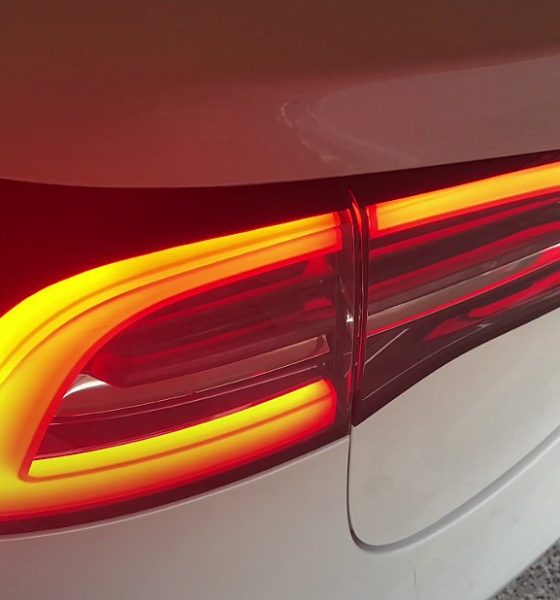
Credit: www.teslarati.com
Brake Light Requirements In Texas
Understanding brake light requirements in Texas is essential for safe driving. These lights communicate your actions to other drivers, helping prevent accidents. In Texas, adhering to brake light standards ensures your vehicle meets legal and safety norms.
Legal Standards
In Texas, vehicles must have functioning brake lights. This includes at least two red lights visible from 300 feet in daylight. These lights should be mounted symmetrically at the rear, ensuring visibility. Compliance with these standards avoids fines and enhances road safety.
Safety Implications
Brake lights are crucial for preventing rear-end collisions. They signal to drivers behind you that you’re slowing down or stopping. Properly working brake lights reduce confusion and enhance safety. Faulty lights can lead to misunderstandings and accidents.
Types Of Brake Lights
Brake lights are a crucial component of your car, ensuring safety by signaling to other drivers when you’re slowing down or stopping. In Texas, like most places, your car will typically have a set of brake lights. But did you know there are different types of brake lights? Understanding these can help you make informed decisions about maintenance and upgrades. Let’s dive into the various types of brake lights you might encounter.
Standard Brake Lights
Standard brake lights are typically located at the rear of your vehicle. These are the primary indicators that inform drivers behind you that you’re braking. They usually consist of two lights, one on each side of the vehicle. These lights are essential for safety, especially in low visibility conditions like fog or heavy rain. Have you ever been stuck in traffic wondering if the car in front of you is slowing down? Standard brake lights provide that crucial information.
High-mounted Brake Lights
High-mounted brake lights, often referred to as “third brake lights,” are located at a higher position than standard brake lights. These are usually mounted on the rear window or trunk lid. Their elevated position makes them more visible to drivers further behind, enhancing safety. Have you noticed these lights on your car? They can be a lifesaver in preventing rear-end collisions, especially on highways.
Led Vs. Incandescent
When considering brake lights, you might wonder about the difference between LED and incandescent bulbs. LED brake lights are known for their brightness and energy efficiency. They illuminate faster, giving drivers behind you more time to react. On the other hand, incandescent bulbs are the traditional choice, offering a warm glow but consuming more energy. Which type do you prefer? LEDs might be a smart upgrade for enhanced visibility and efficiency.
Taking time to understand the types of brake lights on your vehicle can greatly impact your driving experience and safety. Whether it’s upgrading to LEDs or ensuring all your brake lights are functioning, these actions can make a difference. What steps will you take to ensure your brake lights are in optimal condition?
Common Brake Light Configurations
Vehicles in Texas typically have three brake lights. Two are located on the rear corners, and one is at the center, often called the “third brake light. ” This setup ensures better visibility and safety on the roads.
Common brake light configurations vary across different types of vehicles. Each type serves the same purpose: ensuring safety on the road. Understanding these configurations can help you maintain your vehicle better. Let’s explore the typical setups for different vehicle categories.Sedans And Coupes
Sedans and coupes often have three brake lights. Two are mounted on each rear side of the vehicle. The third is usually a higher central brake light. This high-mounted light is also known as the center high mount stop lamp (CHMSL). It provides extra visibility, especially in heavy traffic. This setup helps prevent rear-end collisions.Suvs And Trucks
SUVs and trucks generally follow a similar pattern. They also have three brake lights. However, due to their size, visibility can differ. The third brake light is often integrated into the tailgate or rear window. This placement ensures it is visible above the vehicle’s cargo. Proper functioning of all brake lights is crucial for these larger vehicles.Motorcycles
Motorcycles typically have a simpler brake light configuration. Most have one main brake light at the rear. This light serves both as a tail and a brake light. Its visibility is crucial for safety due to the smaller size of motorcycles. Riders should regularly check their brake light to ensure it is functioning correctly.
Credit: www.facebook.com
Checking Your Brake Lights
Cars in Texas typically have three brake lights: two on the rear corners and one in the center. Regularly checking these lights ensures safety and compliance with local regulations.
Checking your brake lights is crucial for safe driving. In Texas, each car must have at least two brake lights. Ensuring they work properly prevents accidents and avoids fines. Regular checks keep your car roadworthy and safe.Regular Maintenance Tips
Keep your brake lights in good condition. Check them monthly. Clean the lenses often to remove dirt. Use a soft cloth and mild soap. Replace broken bulbs right away. This keeps your vehicle safe and legal.Diy Inspection Guide
Testing brake lights yourself is easy. Start by parking your car in a safe spot. Turn off the engine. Ask someone to stand behind your car. Press the brake pedal. Have them check if both lights work. If alone, use a reflective surface or a wall. Look for the lights’ reflection. If one or both don’t work, replace the bulb promptly.Consequences Of Non-compliance
Failing to comply with Texas brake light regulations can lead to fines and increased insurance premiums. Adequate brake lights ensure safety and avoid legal issues.
Non-compliance with brake light regulations in Texas can have serious consequences. Ignoring these rules not only affects your safety but also has legal and financial ramifications. Understanding the impact of having malfunctioning or inadequate brake lights can save you from unwanted troubles.Fines And Penalties
In Texas, driving with a broken or missing brake light can lead to fines. Even if you think it’s a minor issue, law enforcement sees it differently. A traffic stop for this reason can result in a citation, which means unexpected expenses and time lost in dealing with the situation. Repeat offenses can escalate the penalties. You might face higher fines or even points on your driving record. This could increase your insurance rates, turning a simple light repair into a costly affair.Accident Risks
Without functional brake lights, you’re increasing the risk of rear-end collisions. Brake lights are your primary way of signaling a stop to the driver behind you. Imagine driving on a busy highway; without clear signals, how will the car behind know you’re slowing down? This lack of communication can lead to accidents, causing harm to you, your passengers, and others on the road. Is it worth risking lives over a simple fix? Regularly checking your brake lights can prevent such dangerous situations. Maintaining your brake lights is not just about avoiding fines—it’s a matter of road safety. Make it a habit to inspect them periodically. Ask yourself, how often do you actually check your car’s brake lights? A quick check can make all the difference.Upgrading Your Brake Lights
Upgrading your brake lights can enhance safety and visibility. In Texas, having effective brake lights is crucial. Many drivers switch to LED brake lights for better performance. LEDs offer brighter illumination, which alerts drivers more quickly. This upgrade not only ensures compliance with Texas laws but also adds a modern touch to your vehicle.
Benefits Of Led Upgrades
LED brake lights are energy efficient. They consume less power than traditional bulbs. This efficiency can lead to longer battery life. LEDs also have a longer lifespan. They last many times longer than regular bulbs. This means fewer replacements and less maintenance. Their brightness improves visibility, especially in poor weather. This helps keep you and other drivers safer on the road.
Installation Tips
Installing LED brake lights is simple. First, check your car’s manual for bulb specifications. Ensure you purchase the correct LED bulbs for your model. Begin by turning off your vehicle and disconnecting the battery. This prevents electrical shorts during installation. Remove the existing bulb carefully, avoiding any damage to the socket. Insert the new LED bulb into the socket firmly. Reconnect the battery and test the lights. Make sure they illuminate correctly. If they do not, check the bulb orientation. Sometimes, flipping the bulb resolves the issue.
Resources And Support
Ensuring your car’s brake lights are in good condition is crucial. In Texas, understanding the number of brake lights on your car is essential for safety and legal compliance. Fortunately, there are ample resources and support available to help you. From professional service centers to online guides, you can easily find the assistance needed to maintain your vehicle’s brake lights.
Automotive Service Centers
Visit local automotive service centers for expert help. Technicians can inspect your brake lights and ensure they meet Texas standards. They provide quick and reliable services. Many centers offer free brake light checks. Use their expertise to keep your car roadworthy.
Online Guides And Tutorials
Access online guides for step-by-step instructions. These resources are user-friendly. Videos and articles explain how to check and replace brake lights. Learn at your own pace. Many websites offer free tutorials. Use these resources to become more car-savvy.

Credit: www.facebook.com
Frequently Asked Questions
How Many Brake Lights Are Required By Law In Texas?
Texas law requires vehicles to have two brake lights. These lights must be red and visible from 300 feet.
Is The 3rd Brake Light Required By Law?
Yes, the 3rd brake light is required by law in most countries. It enhances vehicle safety and visibility. Ensure your vehicle complies with local regulations regarding brake lights to avoid penalties. Check specific laws in your region for detailed requirements on vehicle lighting standards.
Is It Illegal To Drive With One Brake Light Out In Texas?
Driving with one brake light out in Texas is illegal. Texas law requires all brake lights to function properly. Police can issue a ticket for a broken brake light. Fixing it promptly avoids fines and ensures safety. Regular vehicle checks help maintain compliance with state laws.
Is It Illegal To Have Only Two Brake Lights?
Having only two brake lights is legal in many regions. Check local laws to ensure compliance. Most vehicles are required to have at least two functioning brake lights for safety. Always maintain your brake lights to avoid fines and ensure road safety.
Conclusion
Understanding brake light requirements in Texas is crucial for safety. Every car typically has three brake lights. Two are on the sides, and one is in the center. These lights help signal your stops to other drivers. Properly functioning brake lights prevent accidents.
Regular checks keep them in good condition. It’s not just about law compliance. It’s about ensuring safety for everyone on the road. Simple actions make a big difference. Remember to check your brake lights often. Stay safe and drive responsibly.