
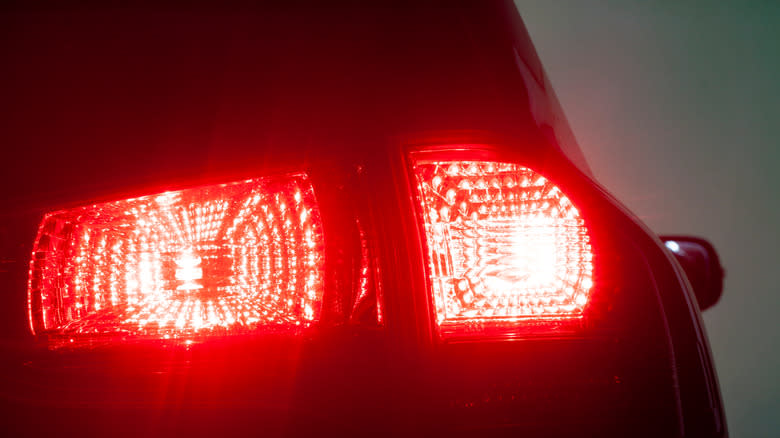
Have you ever glanced at the rear of a car and wondered about the number of brake lights it possesses? You might be surprised to learn that the answer isn’t as straightforward as you think.
Understanding the number of brake lights on your car is not only crucial for safety but also essential for passing vehicle inspections and avoiding traffic fines. We will unravel the mystery of brake lights, ensuring you are fully informed and prepared.
Whether you’re a seasoned driver or just starting out, knowing this simple detail can enhance your driving experience and keep you safer on the road. Keep reading to discover the answers that might just save you from unexpected surprises.
Brake Light Basics
Brake lights are crucial for road safety. They alert drivers behind you. These lights indicate when you slow down or stop. Proper functioning of brake lights is essential.
Understanding brake light setup helps ensure safe driving. It’s important to know how many brake lights your car has. This knowledge aids in maintenance and safety checks.
How Many Brake Lights Are In A Typical Car?
Most cars have three brake lights. Two are on either side, at the rear. The third is usually higher, often called the center brake light.
This setup improves visibility. It ensures drivers behind can see the lights clearly. The center brake light provides additional safety.
Why Do Cars Have Multiple Brake Lights?
Multiple brake lights enhance visibility. They ensure clear communication with other drivers. If one light fails, others can still signal braking.
This redundancy is crucial for safety. It reduces the risk of rear-end collisions. Multiple lights provide a backup system.
What Happens If A Brake Light Fails?
A failed brake light can cause accidents. It reduces communication with other drivers. Regular checks help prevent this issue.
It’s vital to replace faulty brake lights promptly. Keeping all brake lights operational is key to road safety.
Standard Brake Light Configuration
The ‘Standard Brake Light Configuration’ in cars may seem like a simple topic, but it’s crucial for safety and effective communication on the road. Understanding the setup can help you ensure your vehicle is functioning properly and keeping you safe.Every vehicle typically comes equipped with a standard set of brake lights. But have you ever wondered exactly how many brake lights your car has, and why? Let’s explore this essential feature.
What Makes Up The Standard Configuration?
Most cars feature three brake lights: two on either side of the rear of the vehicle and one central high-mounted stop lamp. The two rear lights are located at the corners, ensuring visibility from multiple angles. The central light, often referred to as the third brake light, is positioned higher up, usually at the rear window’s base or at the trunk top.
Why Three Brake Lights?
The reason for three brake lights is simple: enhanced visibility. The third brake light was introduced to improve the ability of drivers behind you to see your braking action. This configuration helps reduce rear-end collisions by providing clearer signals to those following your vehicle.
Are All Brake Lights The Same?
While the functionality remains consistent, brake lights vary in design and technology. Some vehicles use LED lights for brighter illumination, while others have traditional incandescent bulbs. Regardless of the type, ensuring all brake lights are operational is crucial for safety.
What If One Brake Light Fails?
If one of your brake lights is out, it can pose significant risks. Not only might you receive a ticket, but it can also lead to accidents due to reduced visibility. Regular checks and maintenance are essential to avoid these issues. Have you checked your brake lights recently?
Understanding the standard brake light configuration can make a difference in your safety and driving experience. Next time you’re behind the wheel, take a moment to appreciate the engineering that keeps you and others safe. What steps can you take today to ensure your brake lights are in top shape?
High-mounted Brake Lights
The world of automotive safety is constantly evolving, and one of the most significant advancements is the high-mounted brake light. This third brake light, positioned higher than the traditional two on either side of the rear, is designed to improve visibility for drivers behind you. Its placement ensures that even if traffic is dense, your braking intentions are clear to vehicles several cars back. But why is this extra light so crucial, and how does it affect your driving experience?
Understanding High-mounted Brake Lights
High-mounted brake lights are often placed at the top of the rear windshield or near the roofline. This strategic positioning allows them to be seen over other cars, particularly in traffic jams or when stopped at a red light. They are not just a legal requirement; they are a beacon of safety.
Imagine you’re cruising down a busy highway. Suddenly, the car in front of you brakes abruptly. The high-mounted brake light flashes brightly, catching your attention instantly. This quick alert can be the difference between a safe stop and a potential collision.
The Impact Of High-mounted Brake Lights On Road Safety
Statistics have shown that vehicles equipped with high-mounted brake lights experience fewer rear-end collisions. This simple yet effective addition enhances your vehicle’s visibility, particularly in low-light conditions or poor weather. It’s a small feature with a big impact.
Have you ever noticed how these lights stand out in the rain or fog? The elevated position helps keep them clear from the elements, making them more reliable than lower, traditional brake lights. Their brightness cuts through adverse conditions, offering a clear signal to drivers behind.
Maintaining Your High-mounted Brake Light
Ensuring your high-mounted brake light is functioning correctly is crucial. Regularly check its brightness and cleanliness. A dirty or dim light can defeat its purpose, compromising your safety. Maintaining it is simple yet essential.
When was the last time you checked your high-mounted brake light? Make it a habit to check all your lights during routine maintenance. This small step can save you from potential hazards on the road.
Consider this: your vehicle’s high-mounted brake light might just be one of the most critical components for preventing accidents. It’s not just an added feature; it’s an essential tool for road safety. How often do you think about the role this tiny light plays in your daily commute?

Credit: www.icartea.com
Led Vs. Incandescent Brake Lights
Cars typically have three brake lights. LED lights offer brighter and longer-lasting illumination. Incandescent lights are less efficient and dim over time.
The choice between LED and incandescent brake lights can greatly impact your driving experience and vehicle maintenance. While both serve the same purpose, their differences are worth considering. Have you ever noticed how the lights on your car seem to either shine brightly or flicker over time? That’s often a result of the type of bulb used. Understanding these differences can help you make informed decisions about your car’s lighting needs.Led Brake Lights
LED brake lights offer several advantages. They are known for their longevity and energy efficiency. This means less frequent replacements and lower energy consumption. Their brightness is also superior. LED lights illuminate quicker and shine brighter, enhancing safety by alerting drivers behind you more effectively. Additionally, LEDs are less sensitive to vibrations. This makes them ideal for driving on rough terrains or long road trips.Incandescent Brake Lights
Incandescent brake lights have been around for decades. They are generally more affordable upfront, making them a popular choice for budget-conscious car owners. However, they tend to burn out faster. This means more frequent replacements, which can add up over time. Incandescents also generate heat. This can cause the bulb casing to become brittle, leading to potential breakage.Choosing The Right Brake Light For Your Car
Consider your driving conditions. Do you often drive at night or in low-visibility conditions? LEDs might be more beneficial for you due to their brightness. Think about maintenance costs. Are you willing to invest more upfront for longer-lasting lights? LEDs may save you money in the long run. Ask yourself how often you replace bulbs. If it’s frequent, switching to LEDs might reduce the hassle and cost. Ultimately, your choice affects not just your wallet but also your safety on the road. What is more important to you: initial cost savings or long-term reliability?Brake Light Safety Features
Modern cars typically have three brake lights. Two are positioned on each side at the rear, and one is centrally located, often on the rear window or trunk. This setup helps ensure visibility to drivers behind, enhancing road safety.
Brake lights are essential for safe driving. They signal when a vehicle is slowing down or stopping. These lights are vital for preventing accidents. Modern cars come with advanced brake light features. These features enhance safety on the road.Improved Visibility
Brake lights are brighter than regular lights. This ensures they are visible in all weather. Rain, fog, or snow won’t hide them. Bright lights reduce rear-end collisions.High-mounted Brake Light
Many cars have a high-mounted brake light. It sits above the rear window. This position makes it easier to see. It catches the attention of drivers behind.Led Technology
LED lights are common in brake systems. They light up quicker than traditional bulbs. This quick response gives drivers more reaction time. LEDs also last longer, reducing maintenance.Adaptive Brake Lights
Some cars have adaptive brake lights. These lights flash during hard braking. Flashing alerts drivers of sudden stops. It helps in preventing pile-ups.Automatic Brake Light Testing
Modern cars test their brake lights automatically. This ensures the lights work every time. Drivers get alerts if a light is out. It prevents potential safety risks.
Credit: urbsgarage.com
Common Brake Light Issues
Brake lights are crucial for safe driving. They signal to others when you slow down or stop. These lights can face common issues that affect their performance. Identifying and fixing these problems ensures your safety on the road.
Burnout Problems
Brake lights can burn out from prolonged use. Most bulbs last a few years. Regular checks prevent surprises. If a light doesn’t turn on, it might be burnt out. Replacing the bulb often solves this issue quickly.
Wiring Faults
Wiring faults can disrupt brake light functions. Wires connect the switch to the bulbs. Damage or corrosion can occur over time. Inspect the wiring for visible issues. Fixing or replacing faulty wires restores light performance.
Switch Malfunctions
Brake light switches activate the lights. Located near the brake pedal, they can wear out. A malfunctioning switch may not signal the lights correctly. Testing the switch can identify problems. Replacing a faulty switch ensures proper light operation.
Diy Brake Light Maintenance
Regular brake light maintenance ensures safety on the road. Fixing brake lights yourself can save time and money. With basic tools and a few steps, it’s a straightforward process. Let’s explore how to maintain brake lights effectively.
Checking The Bulbs
First, inspect the brake lights. Have a friend press the brake pedal while you observe the lights. Confirm all bulbs illuminate brightly. If one doesn’t light up, it may be burnt out.
Replacing A Brake Light
Replacing a faulty bulb is simple. First, locate the brake light compartment. Usually, it’s at the rear of the car. Open it carefully using the appropriate tools. Remove the old bulb by twisting it gently. Insert the new bulb securely. Test to ensure it lights up properly.
Tools And Materials Needed
- Flathead screwdriver
- Replacement bulb
- Gloves for safety
These basic tools make the job easier. Always check your car’s manual for bulb specifications. This ensures you use the correct bulb type.
Brake Light Regulations
Brake light regulations ensure safety on the roads. They vary by region, affecting how many lights a car must have. Understanding these rules helps maintain compliance and safety.
U.s. Standards
In the U.S., vehicles must have three brake lights. Two are on either side of the rear. The third is a center high-mounted stop lamp. This third light improves visibility, reducing accidents. Regulations are set by the Department of Transportation. All lights should be red and function properly.
European Requirements
European standards differ slightly. Here, two rear brake lights are mandatory. An additional third light is common but not always required. The lights must be red, similar to U.S. regulations. The European Union has specific guidelines for light intensity and placement. These rules aim to enhance visibility and safety.
International Differences
Brake light regulations vary globally. Some countries have unique requirements. Australia, for instance, follows similar rules to the U.S. In Japan, cars must have two brake lights. The third light is optional but recommended. Understanding these differences helps international travelers and car manufacturers.
Innovations In Brake Light Technology
Cars typically have three brake lights for safety. Innovations in brake light technology enhance visibility and response time, making driving safer for everyone on the road.
Innovations in brake light technology have transformed how cars communicate safety. Modern vehicles feature advanced brake light systems that enhance visibility and ensure safer driving experiences. These innovations integrate cutting-edge technology to create smarter and more efficient solutions.Smart Brake Lights
Smart brake lights use sensors to monitor driving conditions. They adjust brightness in response to environmental changes. For instance, during foggy weather, the lights become brighter. This ensures that other drivers can see your vehicle clearly. Some systems even flash during sudden braking. This alerts drivers behind you to react quickly, reducing the risk of collisions.Integration With Safety Systems
Brake lights now integrate with advanced safety systems. They connect with anti-lock braking and stability control systems. This connection allows brake lights to respond faster in emergencies. These systems work together to provide timely alerts to other drivers. When a car brakes suddenly, the lights flash. This quick response helps prevent accidents and ensures road safety.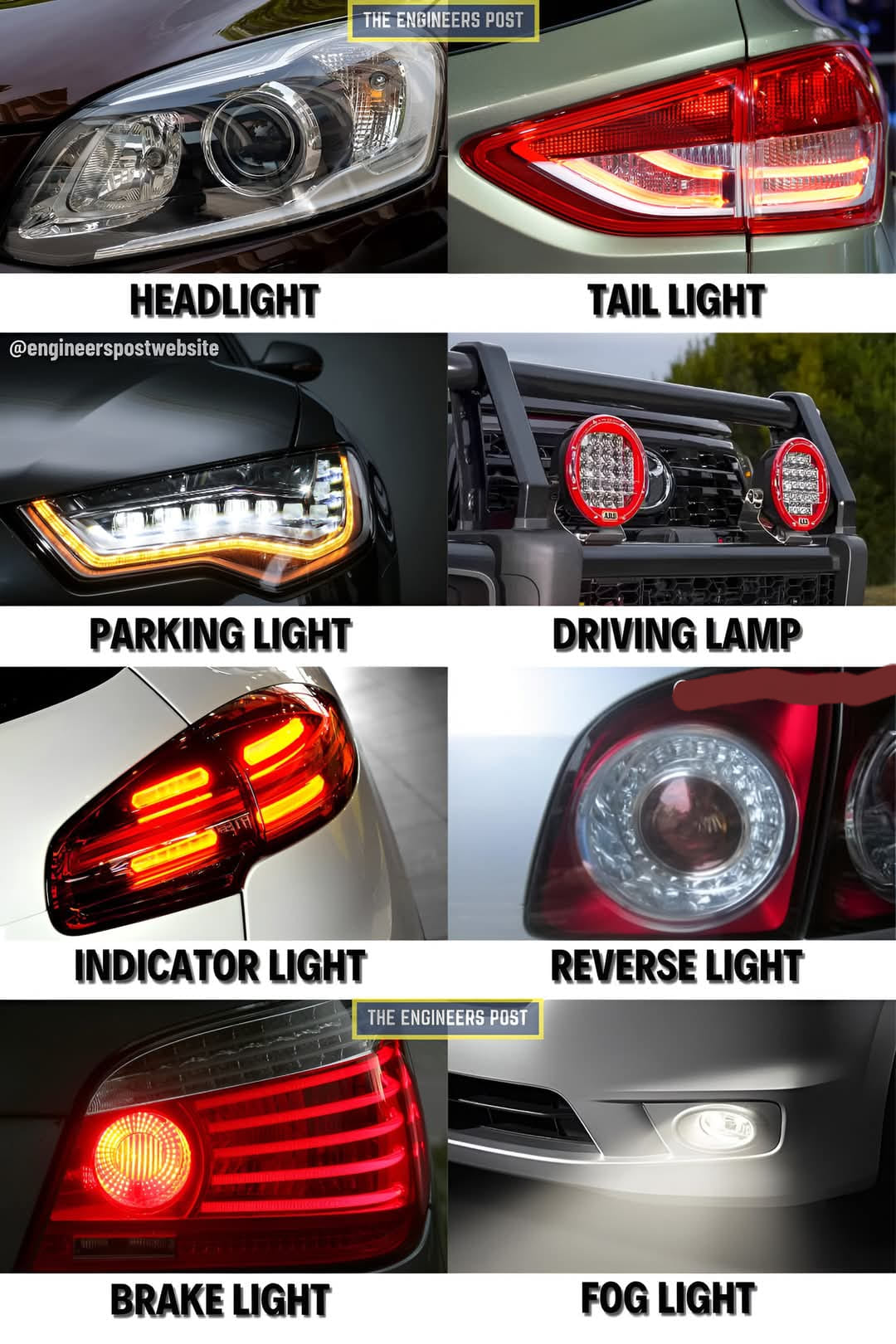
Credit: www.facebook.com
Frequently Asked Questions
How Many Brake Lights Are On A Car?
Most cars have three brake lights: two on either side of the rear and one central high-mounted light. These lights help signal when a vehicle is slowing down or stopping, enhancing safety for drivers behind. Always ensure your brake lights are functioning properly for optimal road safety.
Can I Drive With 2 Out Of 3 Brake Lights Working?
Driving with 2 out of 3 brake lights can be illegal, depending on local laws. Functioning brake lights are crucial for safety and visibility. Always ensure all brake lights work to avoid fines and accidents. Check local regulations to confirm requirements.
Stay safe and maintain your vehicle properly.
Do You Legally Need The Third Brake Light?
Yes, a third brake light is legally required on vehicles in many countries. It improves visibility and safety. Always check local regulations to ensure compliance with specific laws.
Do All Cars Have Two Brake Lights?
Most cars have at least two brake lights for safety. Some vehicles feature a third center-mounted brake light. Check your local regulations, as requirements can vary. Regularly inspect your brake lights to ensure visibility and functionality. Properly working brake lights are crucial for safe driving.
Conclusion
Understanding brake lights in cars is crucial for safety. Most vehicles have three brake lights. Two are located on the rear corners; one is in the center. These lights alert drivers behind you when you stop. Regular checks ensure they work correctly.
It’s essential for preventing accidents. Always replace faulty lights immediately. Knowing your car’s features helps maintain safety. Stay informed and drive safely. Remember, well-functioning brake lights protect everyone on the road. Your awareness makes a difference.