
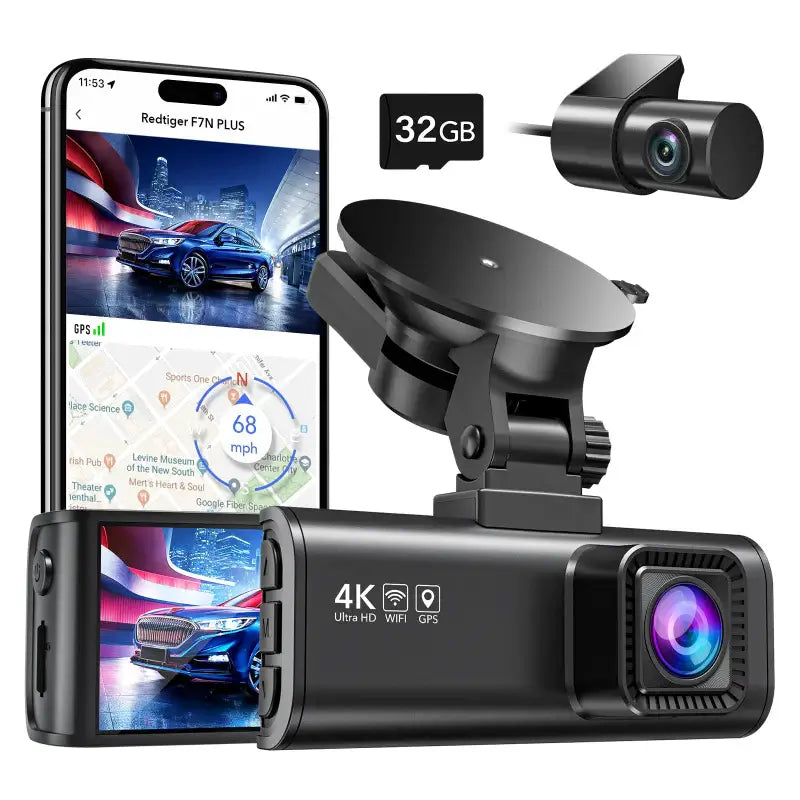
Have you ever wondered what happens to your dash cam when your car is turned off? You’re not alone.
Many drivers are curious about how these tiny, yet powerful devices continue to protect their vehicles even when they’re not around. You might be thinking about the time you parked in a crowded lot or left your car overnight in a dimly lit area.
In situations like these, having a dash cam that works even when your car is off can offer peace of mind. But how exactly does this technology function without draining your car’s battery or causing other issues? By understanding the inner workings of dash cams, you’ll be equipped with the knowledge to maximize your vehicle’s security and make informed decisions about your safety. Read on to uncover the secrets behind this fascinating technology and discover how it can be a game-changer in safeguarding your investment.

Credit: www.youtube.com
Dash Cam Basics
Dash cams can stay active when the car is off by using a parking mode feature. This mode is powered by the car battery or an external battery pack, allowing the dash cam to record incidents like theft or vandalism even when the vehicle is parked.
Dash cams have become essential tools for modern drivers, capturing valuable footage of daily commutes, scenic drives, and unexpected incidents. But how do these nifty gadgets function when your car is parked and powered down? Understanding the basics of dash cams can help you make the most out of their capabilities, even when your vehicle is off.Power Source Options
When your car is off, a dash cam typically relies on a continuous power source. One common method is using a hardwire kit that connects the dash cam to your vehicle’s fuse box. This ensures the camera receives power even when the ignition is turned off. Alternatively, some dash cams come with built-in batteries. These are useful for short-term recording but are often limited in duration. If you frequently park in areas where security is a concern, a hardwired setup might be more reliable. Many modern dash cams offer a “parking mode” feature. This mode activates the camera to record when motion or impact is detected around your car. It’s like having a vigilant eye on your vehicle even when you’re not around. Think about the peace of mind you gain knowing that any suspicious activity near your car can be captured. Parking mode is particularly useful in crowded parking lots or on-street parking situations.Storage Considerations
With extended recording times, storage becomes crucial. Dash cams typically use microSD cards to store footage, and selecting the right capacity is vital. A 32GB card may suffice for daily use, but for extensive parking mode recording, a 64GB or 128GB card might be more suitable. Consider investing in a high-quality memory card to avoid data corruption. Regularly check and clear old footage to maintain storage space and ensure your dash cam functions optimally.Impact On Battery Life
One concern with dash cams operating while the car is off is battery drain. However, many dash cams are designed with low-voltage cut-off features. These features prevent the dash cam from draining your car’s battery completely. If your car sits idle for long periods, it might be wise to monitor battery health. You don’t want to start your day with a dead battery just because your dash cam was doing its job! By understanding these dash cam basics, you can better leverage your device’s features, ensuring your vehicle is safeguarded even when you’re not around. Is there a feature you find indispensable in your dash cam?
Credit: www.reddit.com
Power Supply Options
Understanding how dash cams work when your car is off can be crucial for maximizing their utility. One of the key aspects is the power supply options available, which ensure your dash cam continues to monitor even when the vehicle isn’t running. This can be particularly beneficial for security and surveillance purposes. Let’s dive into the options and see how they can be effectively implemented.
Internal Battery
An internal battery is a common option for powering dash cams when the car is off. These batteries are designed to provide enough energy to keep the camera recording for a limited period. Most dash cams with internal batteries can record for about 30 minutes to a few hours after the vehicle is turned off.
Think of it as having a mini power bank built into your camera. This feature is handy for short-term parking situations or when you want to capture unexpected events. However, you might wonder: is the internal battery enough for extended surveillance? It’s not always the case, especially if you’re parked for long hours.
Hardwiring To Vehicle
For a more permanent solution, hardwiring your dash cam to the vehicle’s electrical system is a viable option. This method allows the camera to draw power directly from the car’s battery, ensuring continuous operation even when the engine is off.
Hardwiring kits typically come with voltage monitors to prevent battery drain, which adds an extra layer of protection. While this option requires a bit of installation effort, it offers peace of mind for long-term parking scenarios. Have you ever returned to your car after a long day only to find a mystery dent? Hardwiring might just save the day by capturing such incidents.
Parking Mode Features
Parking mode is a valuable feature in dash cams. It keeps watch even when the car is off. This mode ensures your vehicle’s safety at all times. It activates specific functions to capture incidents while parked. Let’s explore these features in detail.
Motion Detection
Motion detection is a key component of parking mode. The dash cam monitors any movement around the vehicle. It activates recording when it senses motion. This helps capture activities like someone approaching or walking by. The camera saves these clips for later review. This feature prevents unnecessary recording, saving memory and battery.
Impact Detection
Impact detection is crucial for parked vehicles. The dash cam senses vibrations or impacts. This includes events like a car bump or a door ding. When detected, the camera starts recording immediately. It captures the moments before and after the impact. This can be vital for insurance claims or identifying culprits. Impact detection provides peace of mind knowing incidents are recorded.
Energy Consumption
Understanding how dash cams consume energy when the car is off is crucial. These devices offer protection and peace of mind. Yet, they can impact your car’s battery life. Let’s explore how dash cams manage energy efficiently.
Battery Drain Concerns
Dash cams continue to draw power even when the car is off. This can lead to battery drain, especially if the cam is constantly recording. Many dash cams have features to minimize this effect. They use sensors to activate recording only during significant events. This helps reduce unnecessary power consumption.
Efficient Power Use
Modern dash cams come with smart energy management systems. They often include low-power modes or auto-off settings. These features ensure the dash cam uses minimal power when idle. Some cams are equipped with built-in batteries, reducing dependency on the car battery. This balance between functionality and power conservation is key.
Installation Tips
Installing a dash cam involves more than just attaching it to the windshield. Understanding how it works when the car is off is crucial. This section will guide you through essential tips for installation. Whether you prefer doing it yourself or seeking professional help, these tips ensure the dash cam functions effectively.
Choosing The Right Dash Cam
Start with selecting a model suitable for your needs. Consider features like motion detection and parking mode. Ensure the dash cam supports recording while the car is off. Check for compatibility with your vehicle’s power system. User reviews can provide insights into real-world performance.
Professional Vs Diy Installation
Decide between hiring a professional or installing it yourself. Professional installation guarantees expertise and avoids mistakes. It might be costlier but ensures proper wiring and setup. DIY installation offers flexibility and saves money. Follow the manufacturer’s instructions carefully for a successful setup.
Legal Considerations
Legal aspects vary based on jurisdiction when dash cams operate with the car off. Privacy laws may require consent for recording. It’s crucial to understand regional regulations to avoid legal issues.
When a dash cam operates while the car is off, legal considerations arise. Understanding these laws is crucial. Dash cams record continuously, potentially capturing sensitive footage. This raises privacy concerns. Knowing the legal implications helps ensure compliance.Privacy Laws
Privacy laws vary by location. Some regions protect personal privacy strictly. Dash cam owners must research local regulations. Recording without consent can lead to legal issues. Familiarize yourself with privacy rules in your area. This avoids potential conflicts.Recording Permissions
Recording permissions often depend on the setting. Public spaces usually allow recording. Private property may need permission. Dash cam footage must respect individual rights. Always check if consent is required. Obtaining permission avoids legal trouble.Troubleshooting Common Issues
Understanding how dash cams function when the car is off helps in troubleshooting issues. These devices often rely on built-in batteries or are connected to the car’s battery via hardwiring. This setup ensures the camera can record while parked, offering security and peace of mind.
Troubleshooting common issues with dash cams can save you time and frustration. When your dash cam fails to record after the car is off, several factors might be at play. Identifying the root cause can help you resolve the issue effectively.Power Failure
Power failure is a frequent issue with dash cams. Many dash cams rely on the car’s battery to operate when the engine is off. If the battery is weak or damaged, the dash cam may not function properly. Check the fuse connected to the dash cam. A blown fuse can disrupt power supply. Consider testing the car’s battery voltage. Low voltage can prevent the dash cam from turning on. Ensure the dash cam’s power cable is securely connected. Loose connections can interrupt the power flow.Recording Errors
Recording errors can occur due to several reasons. A full memory card is a common cause. Regularly check the card’s storage and clear old files. Faulty memory cards can also cause recording problems. Try using a different, high-quality card to see if the issue persists. Firmware glitches might lead to errors in recording. Ensure your dash cam’s firmware is up to date. Manufacturers often release updates to fix bugs and improve performance. Temperature extremes can affect dash cam operation. Ensure the camera is within its operating temperature range.
Credit: www.facebook.com
Frequently Asked Questions
Can Dash Cams Work When The Car Is Off?
Yes, dash cams can work when the car is off. They rely on hardwiring kits or built-in batteries. These power sources keep the camera operational to capture events like break-ins or vandalism. This feature is especially useful for surveillance and security purposes.
How Does A Dash Cam Get Power When Off?
Dash cams get power when the car is off through a hardwiring kit. The kit connects to the car’s fuse box, providing continuous power. Some dash cams also have built-in batteries. These batteries offer limited power, allowing the dash cam to function briefly after the car is turned off.
Do All Dash Cams Have Parking Mode?
Not all dash cams come with parking mode. Parking mode allows dash cams to record when the car is off. This feature is typically found in higher-end models. It’s a useful addition for monitoring your vehicle while parked. Check your dash cam’s specifications to see if it includes this feature.
How Long Can Dash Cams Record When Off?
The recording duration depends on the power source and dash cam model. Hardwired dash cams can record for an extended period. Battery-powered dash cams usually last a few hours. The exact time varies based on the dash cam’s power consumption and battery capacity.
Conclusion
Dash cams offer peace of mind. Even when the car is off, they work. How? Through backup batteries or hardwired setups. These features ensure constant recording. So, your vehicle is always protected. Installing a dash cam is simple. Benefits are clear and lasting.
Choose the right setup for your needs. Stay informed about your car’s safety. Be proactive with your vehicle security. Keep your dash cam active, even when parked. Feel secure knowing your dash cam works round the clock. It’s an investment in safety and peace.
Make your choice today for better vehicle protection.