

Imagine driving down the road with an extra set of eyes, capturing every twist and turn. That’s exactly what a dash cam does for you.
It’s like having a vigilant co-pilot that records the details of your journey, ensuring you’re always prepared for the unexpected. Whether it’s documenting an incredible landscape or providing crucial evidence in case of an accident, a dash cam is your road companion that never sleeps.
You might wonder, “How does this little gadget work in my car? ” You’re about to uncover the fascinating mechanics behind dash cams that make them indispensable. Keep reading, and you’ll learn how this tech marvel can transform your driving experience, giving you peace of mind and a sense of security every time you hit the road.

Credit: ldas.ca
Purpose Of A Dash Cam
Dash cams are small cameras mounted on the dashboard of your car. They record video footage while you drive. Their primary purpose is to capture incidents, accidents, and unexpected events on the road. This footage can be crucial for insurance claims or legal situations. Dash cams offer peace of mind to drivers by providing objective evidence. They are becoming increasingly popular due to their benefits.
Enhancing Driver Accountability
Dash cams encourage responsible driving. Knowing your actions are recorded promotes safer driving behavior. They help prevent fraudulent claims by providing clear evidence. This accountability can lead to fewer accidents.
Providing Evidence In Accidents
Dash cams capture real-time footage during accidents. This video can clarify who is at fault. It helps resolve disputes efficiently. Insurance companies often rely on dash cam footage for claims.
Recording Road Trips
Dash cams are great for documenting road trips. They capture scenic views and memorable moments. You can easily share these videos with friends and family. This adds a fun aspect to your travels.
Monitoring Parking Incidents
Some dash cams have parking mode. They record activity while your car is parked. This feature helps detect vandalism or theft. It provides evidence for police reports and insurance claims.
Improving Security
Dash cams increase vehicle security. They deter theft and vandalism. The presence of a camera can discourage criminal behavior. This added security benefits car owners significantly.
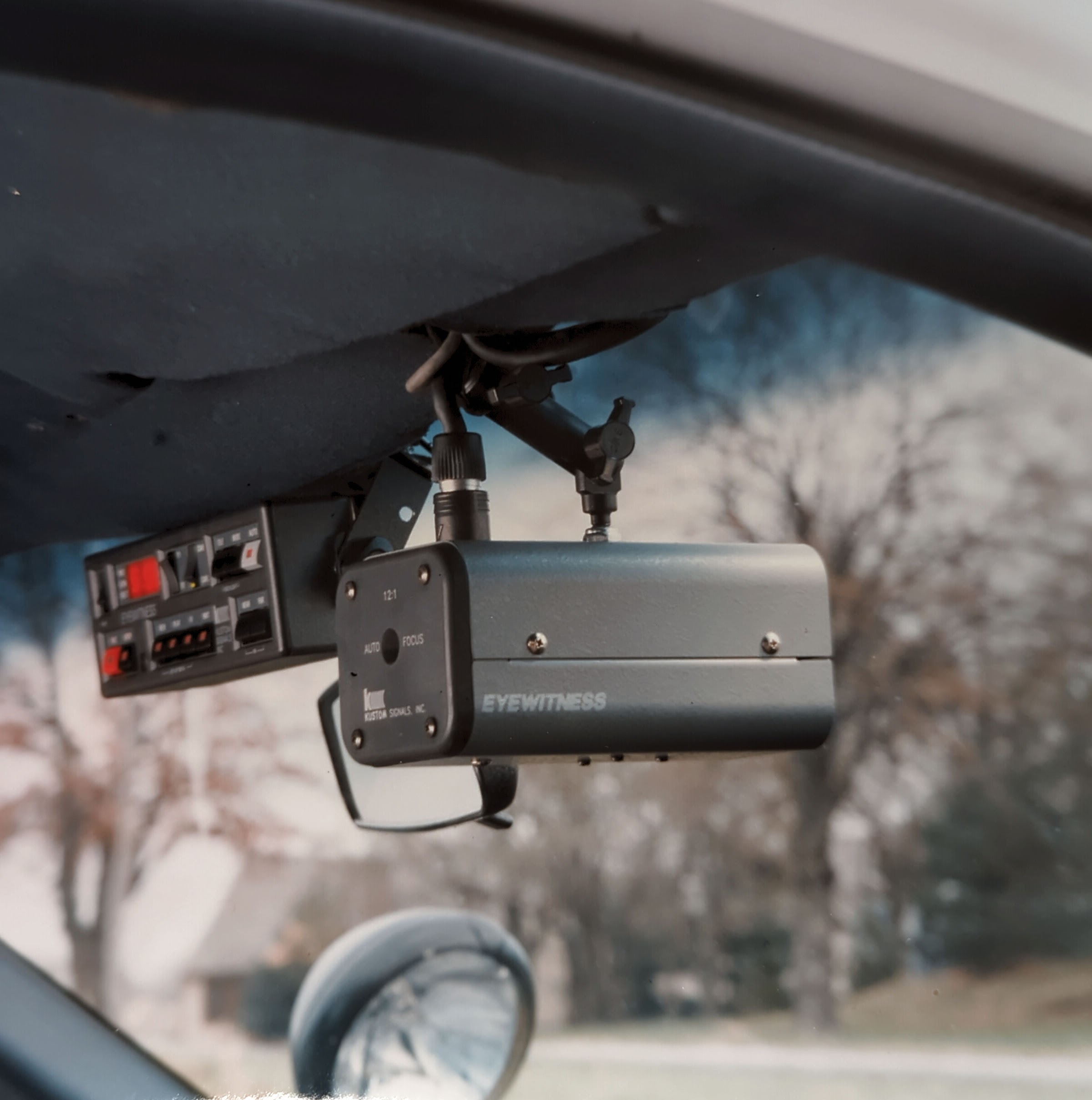
Credit: kustomsignals.com
Core Components
A dash cam records video through a lens mounted on your car’s windshield. It stores footage on a memory card. Built-in sensors detect sudden movements, automatically saving recordings during incidents.
Dash cams are essential tools for drivers seeking added security. Understanding their core components is crucial for optimal use. These components ensure the dash cam functions effectively, capturing vital footage during your journeys.Camera Lens
The camera lens is the eye of the dash cam. It captures the road ahead and records it. A high-quality lens provides clear images, even in low light. Wide-angle lenses offer a broader view, which is useful in recording more of the road. The lens quality can impact the video’s clarity, making it an essential component.Storage Options
Storage options determine where your footage is saved. Dash cams use memory cards to store recordings. These cards vary in size and capacity. Larger cards can hold more footage, ideal for long trips. Some dash cams have cloud storage options. This allows you to access footage remotely, adding convenience and security.Power Supply
The power supply ensures the dash cam runs continuously. Dash cams typically connect to the car’s battery. Some models use a cigarette lighter socket for power. Others have built-in batteries that offer limited recording time. Ensuring a reliable power supply keeps the dash cam active, capturing every moment.Installation Process
Installing a dash cam in your car might seem like a daunting task, but it’s simpler than you might think. With a few straightforward steps, you can enhance your vehicle’s safety and security. Whether you’re a tech enthusiast or a novice, this guide will walk you through the installation process with ease.
Mounting The Camera
First, find the perfect spot on your windshield to mount the dash cam. Ideally, it should be centered behind the rearview mirror. This ensures minimal obstruction and a wide field of view. Use the adhesive or suction cup provided to secure the camera firmly.
Remember, you don’t want it to block your view while driving. Ensure it’s positioned high enough to capture the road and low enough to avoid interference with the mirror.
Connecting To Power
Next, connect your dash cam to a power source. Most dash cams come with a long cable that can be plugged into the car’s cigarette lighter or USB port. Tuck the cable neatly along the windshield edge and down the side of the dashboard.
Some prefer a more permanent solution like hardwiring the camera to the car’s fuse box. This option keeps the dash cam powered even when the car is off, perfect for continuous surveillance. Would you trust your dash cam to capture crucial moments without running out of battery?
Positioning For Optimal View
The final step involves adjusting the camera angle. Ensure it covers the front of the car and the road ahead without capturing too much of the sky or dashboard. A slight downward angle usually works best.
Take a test drive and review the footage to confirm the view is clear and comprehensive. Adjust as necessary for optimal coverage. After all, the purpose is to capture valuable footage, not a blurry sky or endless dashboard.
Recording Features
Dash cams have become essential for car owners. They offer peace of mind and security. Their advanced recording features capture crucial events while driving. Understanding these features helps maximize the dash cam’s potential.
Loop Recording
Dash cams use loop recording to save space. This feature allows continuous recording. Old footage gets overwritten by new video. It ensures storage never runs out. Important clips can still be saved separately.
Event Detection
Event detection is a smart feature. The dash cam senses sudden movements. It records automatically during impacts or sudden stops. This ensures crucial events are documented. Helpful during accidents.
Night Vision Capabilities
Night vision is vital for low-light conditions. Dash cams with this feature record clearly at night. They use infrared technology or special sensors. This helps capture detailed footage in darkness. Driving at night becomes safer.
Data Management
Dash cams record video while you drive, capturing events on the road. They store footage on memory cards, making it easy to review incidents.
Data management is a crucial part of using a dash cam effectively. It’s not just about recording video; it’s about storing, retrieving, and playing back that data in a way that meets your needs. Understanding how to manage your dash cam footage can make the difference between having a reliable record and missing out on important details.Retrieving Footage
Retrieving footage from your dash cam should be straightforward. Most dash cams use microSD cards, which you can easily remove and insert into a card reader on your computer. Some models even allow you to connect directly to your smartphone via Wi-Fi or Bluetooth for quick access. Once connected, you can browse through the recorded clips. Organizing these files by date or event can help you find specific footage quickly. Knowing how to retrieve and manage these files ensures you always have the evidence you need at your fingertips.Cloud Storage Options
Cloud storage options are becoming increasingly popular for dash cam users. Many modern dash cams offer features to upload footage directly to the cloud. This can be a lifesaver if your microSD card gets damaged or lost. Using cloud storage means your videos are accessible from anywhere. This is particularly useful if you travel frequently or want to share footage with insurance companies or law enforcement. Consider the cost and data security when choosing a cloud storage plan that suits your needs.Video Playback
Video playback is essential for reviewing footage. Most dash cams have a built-in screen for on-the-spot playback. However, for detailed analysis, transferring the video to a computer or smartphone offers a better viewing experience. Ensure your playback software supports various file formats your dash cam records in. This flexibility ensures you can always review your footage, no matter where you are. Does your current setup allow you to easily access and view your recordings? If not, it might be time to upgrade your equipment or software.Advanced Technologies
Advanced technologies have transformed dash cams into more than just simple recording devices. These enhancements offer users detailed insights and improved functionality. From GPS integration to Wi-Fi connectivity, these features make driving safer and more informed. Let’s explore these advanced technologies in detail.
Gps Integration
GPS integration adds a significant layer of functionality to dash cams. It records your exact location and speed. This data is invaluable for understanding driving habits. It also provides crucial evidence in the event of an accident. You can overlay this information on video playback. This gives a comprehensive view of any situation.
Wi-fi Connectivity
Wi-Fi connectivity allows easy data transfer from your dash cam. You can download videos directly to your smartphone or computer. This feature is useful for quick sharing or reviewing footage. It also enables firmware updates without removing the device. This ensures your dash cam always runs the latest software.
Driver Assistance Systems
Driver assistance systems in dash cams enhance safety. Features like lane departure warnings alert you if you drift out of lane. Forward collision warnings notify you of potential impacts. These systems provide real-time alerts. They help keep you focused and aware on the road.
Legal Considerations
Dash cams are a nifty addition to your car, capturing everything that happens on the road. But before you hit the record button, it’s essential to understand the legal implications. Different regions have varying laws concerning dash cams, and being aware of these can save you from potential legal troubles. Let’s dive into the legal considerations you should keep in mind.
Privacy Concerns
Privacy is a major concern when using dash cams. Are you inadvertently recording pedestrians or other drivers? You might be. In many places, capturing audio without consent can lead to legal issues. Consider disabling audio recording unless necessary. Keep your focus on the road, not the people around it. Always check local laws to ensure you’re not violating privacy rights.
Imagine pulling into a car wash, and your dash cam records the attendant without their knowledge. This could lead to privacy complaints. Would you want someone recording you without your consent?
Admissibility In Court
Dash cam footage can be a game-changer in court cases. However, not all recordings are admissible. Courts often scrutinize the authenticity and relevance of the footage. Make sure your dash cam is set up correctly to capture clear and uninterrupted evidence. Poor quality or tampered videos can weaken your case.
Think about a traffic incident where your dash cam footage can prove you’re not at fault. Wouldn’t you want that footage to be admissible? Ensure your camera is up to date and functioning well to support your claims in legal situations.
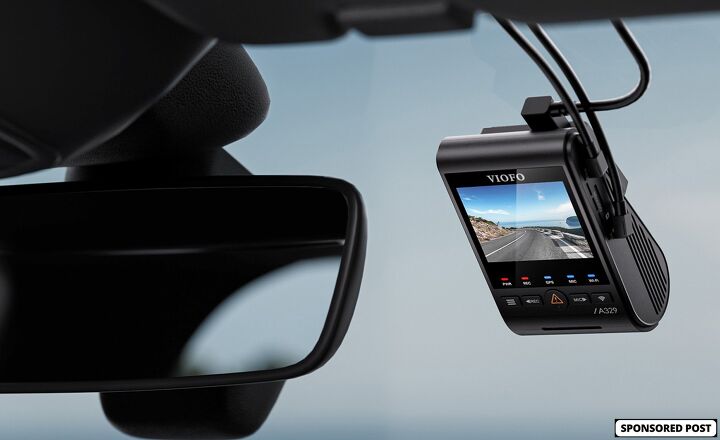
Credit: www.autoguide.com
Choosing The Right Dash Cam
Choosing the right dash cam for your car can feel overwhelming. With many options available, it’s crucial to know what matters. Your choice depends on factors like budget, features, and brand reputation. Let’s explore these elements to help you make an informed decision.
Budget Considerations
First, set a budget for your dash cam purchase. Dash cams come in various price ranges. Higher-priced models often offer advanced features. But affordable options can still be reliable. Decide how much you want to spend. Then, find options within that range. Consider long-term value as well.
Feature Comparisons
Next, compare features of different dash cams. Some offer high-definition video quality. Others have night vision or wide-angle lenses. GPS tracking and motion detection are also common features. Determine which features are most important to you. Make a list to guide your decision.
Brand Reputation
Brand reputation plays a big role in choosing a dash cam. Well-known brands often provide better customer service. They might offer warranties or guarantees. Read reviews from other customers. See what they say about reliability and performance. Trusted brands often have a track record of quality.
Frequently Asked Questions
What Is A Dash Cam Used For In Cars?
A dash cam records video footage while you drive. It captures everything happening in front and sometimes behind your vehicle. This can provide evidence in case of accidents, road rage incidents, or traffic violations. Many drivers use dash cams for security and peace of mind.
How Does A Dash Cam Record Video?
Dash cams use a wide-angle lens and a continuous loop recording system. They start recording when you turn on the ignition. The footage is saved to a memory card, overwriting old files when full. Most dash cams have night vision for recording in low-light conditions.
Can Dash Cams Record While Parked?
Yes, many dash cams have parking mode features. They detect motion or impact when the car is parked. This feature allows them to record suspicious activities or potential damage. It provides extra security when your vehicle is unattended.
Are Dash Cams Easy To Install?
Most dash cams are easy to install and come with a user manual. They usually attach to the windshield with a suction cup or adhesive mount. Power is typically drawn from the car’s cigarette lighter socket. Some models may require professional installation for advanced features.
Conclusion
A dash cam enhances your driving experience. It records events on the road. Useful in accidents. Handy for insurance claims. Ensures safety and accountability. Simple installation process. Easily mounted on your windshield. Powered by your car’s battery. Automatically records when you drive.
Saves footage on a memory card. Convenient playback options. Some have GPS and speed tracking. Others include night vision and motion sensors. Select a dash cam that suits your needs. Peace of mind while driving. Protects you and your vehicle.
Valuable investment for every driver.