
Imagine you’re driving on a busy street, surrounded by the hustle and bustle of city life. Suddenly, an unexpected event unfolds right before your eyes.
How do you capture the moment? How do you protect yourself from potential disputes? This is where a dash cam becomes your trusty companion. You might have seen them perched on windshields, but have you ever wondered, “How does a dash cam actually work in a car?
” Understanding this little device can not only enhance your driving experience but also give you peace of mind. Let’s delve into the fascinating world of dash cams, uncovering the secrets behind their operation and exploring why they might just be the smartest addition to your vehicle. Stick around to discover how this small gadget could transform the way you drive, offering security and clarity every mile of the way.
Basics Of Dash Cams
A dash cam records video while you drive, capturing incidents on the road. Mounted on the windshield, it starts recording automatically when the car is turned on, providing evidence during accidents or disputes.
Understanding the basics of dash cams can be your first step toward enhancing your driving experience. Dash cams are small cameras mounted on your car’s dashboard or windshield. They record video footage while you drive, offering a comprehensive view of your journey.Components Of A Dash Cam
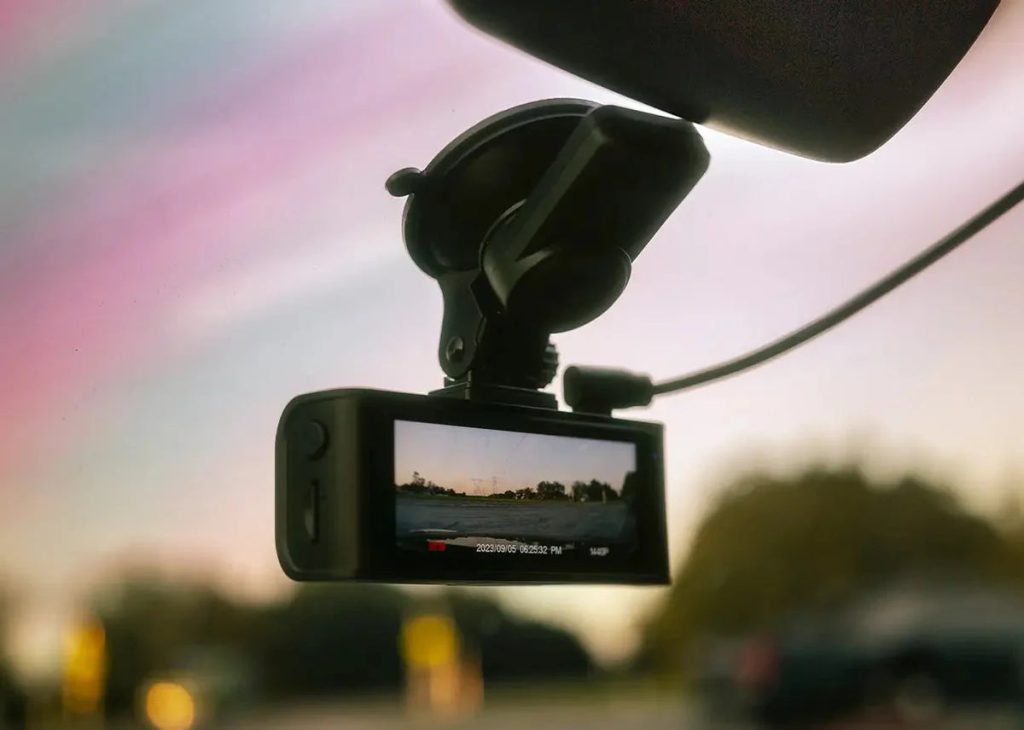
A dash cam typically consists of a camera, a lens, a processor, and a storage medium. The camera captures video footage through the lens. The processor manages video recording and storage. Videos are stored on a memory card, making it easy to access and review footage.Installation And Power Source
Installing a dash cam is straightforward. Most models attach to the windshield using a suction cup or adhesive mount. Power is usually supplied through the car’s cigarette lighter socket or via hardwiring to the vehicle’s electrical system. Some dash cams even come with built-in batteries for power backup.Recording Modes
Dash cams can operate in various recording modes. Continuous recording ensures that the camera is always on, looping over old footage when the memory card is full. Event recording is triggered by sudden movements or impacts, such as a car accident. Parking mode monitors your car while it’s parked, capturing suspicious activity.Video Quality And Features
Video quality can range from standard definition to 4K resolution. High-quality footage is crucial for clearly capturing details like license plates or road signs. Some dash cams offer additional features such as GPS tracking, night vision, and Wi-Fi connectivity, allowing you to transfer footage directly to your smartphone.Practical Uses And Benefits
Dash cams provide peace of mind, documenting your travels and protecting you in disputes. They can serve as evidence in accidents, potentially saving you from legal hassles. Plus, they capture unexpected moments on the road, which can be shared with friends or on social media. Have you ever thought about how a dash cam could transform your driving experience? These small devices offer more than just recording capability; they provide security and a sense of control on the road.Types Of Dash Cams
Dash cams capture video footage while driving, offering evidence in case of accidents. They come in various types, including single-lens, dual-lens, and 360-degree models, each providing different coverage and features. These devices record continuously, ensuring every detail on the road is documented.
Understanding the types of dash cams can enhance your driving experience. Each type offers unique features to suit different needs. Choosing the right one depends on what you want from your dash cam.Single-lens Cameras
Single-lens dash cams record the road ahead. They are easy to install and use. These cameras provide clear footage of incidents or accidents. They are ideal for basic monitoring and are budget-friendly. Installation is straightforward, making them a popular choice.Dual-lens Cameras
Dual-lens dash cams capture both the front and rear views. This offers a complete picture of your surroundings. They are perfect for capturing traffic incidents from multiple angles. Rear footage helps in parking and reversing safely. Dual-lens cameras are a bit pricier but offer more coverage.360-degree Cameras
360-degree dash cams record all around the vehicle. They provide a panoramic view, ensuring no blind spots. These cameras are great for full surveillance and security. They are useful for capturing footage in complex traffic situations. Installation might be more complex, but the coverage is unmatched.Key Features
A dash cam records video through a lens mounted on a car’s windshield or dashboard. It captures driving footage continuously or when a collision occurs. This device helps in providing evidence for accidents and other road incidents.
Key Features Understanding how a dash cam works begins with knowing its key features. These features determine the effectiveness of a dash cam in recording and storing footage. They can also impact the clarity and reliability of the videos captured. Let’s explore these essential features that make a dash cam a valuable tool.Resolution And Frame Rate
Resolution defines the video clarity. Higher resolution means clearer images. Most dash cams offer 1080p, which is full HD. Some models provide 4K resolution, offering ultra-sharp footage. Frame rate measures how many frames are captured per second. A standard frame rate is 30 FPS. Higher frame rates, like 60 FPS, deliver smoother videos. Choosing the right combination ensures quality recordings.Night Vision
Night vision is crucial for recording in low light. Dash cams equipped with this feature capture clear videos at night. Infrared lights help enhance visibility in darkness. Some models use advanced sensors to improve night recordings. Night vision ensures you get usable footage even in poor lighting.Loop Recording
Loop recording prevents running out of storage. It automatically overwrites old footage when the memory is full. This feature ensures continuous recording without manual intervention. Loop recording saves only the latest footage unless marked for protection. It’s essential for long drives where memory usage is high.G-sensor
The G-sensor detects sudden movements or collisions. When activated, it locks the footage to prevent overwriting. This feature is vital for saving evidence during accidents. It ensures crucial moments are preserved for review. The G-sensor enhances the dash cam’s reliability in emergencies.
Credit: www.youtube.com
Installation Process
Installing a dash cam in your car can seem daunting, but breaking it down into simple steps makes the process manageable. The installation involves deciding on the right mounting option and securing a power supply. Understanding these aspects ensures that your dash cam functions optimally and captures those crucial moments while you’re on the road.
Mounting Options
Choosing the right mounting option is crucial for effective dash cam usage. You’ll typically have two primary choices: suction cup mounts and adhesive mounts.
- Suction Cup Mounts:These are perfect if you need flexibility. You can easily move the camera between vehicles or adjust its position without hassle. It’s great for temporary setups.
- Adhesive Mounts:If you prefer a more permanent solution, adhesive mounts are reliable. They offer a stable hold, minimizing vibrations. Once installed, they’re harder to move, so pick your spot wisely.
Think about your needs: Do you often switch cars, or is your car dash cam setup permanent?
Power Supply Options
Ensuring your dash cam has a consistent power supply is vital for continuous operation. Here are the common power supply methods:
- Cigarette Lighter Adapter:This is the simplest method. Just plug it into your car’s cigarette lighter socket. It’s easy and convenient, but remember, it may occupy the socket needed for other devices.
- Hardwiring:For a seamless look and uninterrupted power, consider hardwiring. This involves connecting the dash cam directly to your car’s fuse box. It’s a bit complex but worth it for regular users.
- Battery Pack:If you want the dash cam to operate even when the car is off, a battery pack is a good choice. It provides continuous power, ensuring you never miss a moment, even in parking mode.
Which power supply option aligns with your lifestyle and vehicle use? Consider convenience, usage frequency, and installation complexity when deciding.
Data Storage And Management
Dash cams record video footage while driving. They store data on a memory card for easy access. These devices capture incidents, providing valuable evidence for insurance claims or disputes.
Understanding how a dash cam stores and manages data is crucial for ensuring it serves its purpose effectively. After all, the primary function of a dash cam is to capture and store footage while you drive. But how does it manage the data it records, and what are your options for storage? Let’s break down the essentials.Memory Card Types
Most dash cams rely on memory cards for data storage. The type of memory card you choose can significantly affect the performance of your dash cam. Common options include SD, microSD, and TF cards. Memory cards come in various storage capacities, typically ranging from 16GB to 256GB. A higher capacity card means more footage can be stored before it needs to be overwritten. When selecting a memory card, consider the write speed. A card with a higher write speed will better handle high-resolution video, ensuring smooth recording without frame drops. Always check your dash cam’s specifications for compatible card types and capacities.Cloud Storage
Some advanced dash cams offer cloud storage options, providing an alternative to physical memory cards. Cloud storage allows your dash cam footage to be uploaded and saved to a remote server. This is particularly beneficial if your dash cam is equipped with Wi-Fi connectivity. It offers peace of mind, knowing your data is safe even if the physical dash cam is damaged or stolen. However, cloud storage often involves a subscription fee. Consider whether the added cost is worth the convenience and security it provides. Would you prefer having easy access to your footage from any device, anytime? In both cases, understanding your data storage options enables you to choose the best setup for your needs. Whether you prioritize local storage or opt for the flexibility of the cloud, managing your dash cam’s data effectively ensures you’re prepared for any driving situation.
Credit: www.familyschool.es
Benefits For Drivers
Dash cams in cars capture video footage, providing evidence during accidents or disputes. They enhance safety by recording crucial details. Drivers gain peace of mind, knowing events are documented accurately.
Imagine driving with an extra set of eyes that never blinks. This is what a dash cam offers to drivers. It’s more than just capturing footage; it’s about enhancing your safety and peace of mind on the road. Let’s explore the key benefits a dash cam provides for drivers.Accident Evidence
A dash cam can be your best witness during accidents. It records real-time video that can clearly show what happened, eliminating the classic “he said, she said” scenario. My friend once had a minor collision at an intersection, and the dash cam footage clearly showed the other car running a red light. This indisputable evidence saved her from unfair blame.Insurance Claims
Navigating insurance claims can be a daunting process. Dash cam footage simplifies this by providing clear evidence of incidents. Some insurers even offer discounts if you have a dash cam installed. This not only speeds up claim processing but might also save you money on premiums. Wouldn’t it be nice to have a tool that can smooth out the bumps in insurance negotiations?Parking Protection
Ever returned to your parked car only to find a mysterious dent or scratch? Dash cams with parking mode act as silent guardians when you’re away. They automatically record if they detect any motion or impact. It’s like having a security guard for your car, ready to capture any mischief. Knowing your car is under constant watch provides peace of mind every time you leave it parked. These benefits make dash cams a must-have for every driver. Consider how they could enhance your driving experience and safeguard your journey.Legal Considerations
Understanding the legal considerations of using a dash cam is vital. Each country has different laws regarding privacy and recording. Before installing a dash cam, it’s important to know these laws. This helps avoid legal issues and ensures peace of mind.
Privacy Laws
Privacy laws vary across regions and countries. In some places, dash cams are common and widely accepted. But, certain areas have strict privacy laws. These laws protect individuals from being recorded without consent. Drivers should research local privacy laws before using dash cams. This ensures compliance and respects the privacy of others.
Recording Permissions
Recording permissions are crucial for dash cam users. In many areas, you can record public spaces without consent. But, recording private conversations may need permission. Some regions require notifying passengers of recording devices. This is to protect their privacy rights. Understanding these permissions helps avoid legal complications.
Choosing The Right Dash Cam
Understanding how dash cams work helps in choosing the right one. Dash cams record video while you drive, capturing footage through a lens. They provide evidence in case of accidents and can deter theft.
Choosing the right dash cam for your car can seem overwhelming with so many options available. But finding the perfect match doesn’t have to be complicated. By focusing on a few key factors, you can ensure your dash cam meets your needs and fits your budget.Budget Considerations
Your budget plays a crucial role in deciding which dash cam is right for you. Dash cams can range from under $50 to several hundred dollars. Consider how much you’re willing to spend and what features you need most. For example, a basic model might suffice for capturing everyday drives, while a higher-end model could be necessary for superior video quality or additional features. Remember, investing in a quality dash cam can save you money in the long run by providing valuable evidence in case of an accident.Feature Requirements
Think about the features you need in a dash cam. Do you need front and rear cameras, or will a single lens suffice? Consider the importance of night vision, GPS tracking, or parking mode, which can offer added security and convenience. My friend once shared how his dash cam’s night vision feature helped identify a hit-and-run driver, proving its worth. Video resolution is another critical factor—higher resolution means clearer footage. Ask yourself what features are non-negotiable for you and which ones you can compromise on. This clarity will guide you in selecting the best dash cam for your car.Maintenance Tips
Maintaining your dash cam ensures it functions properly. Regular upkeep extends its lifespan. Here are essential maintenance tips to keep your dash cam in top shape.
Regular Updates
Dash cams often receive software updates. These updates improve performance and fix bugs. Check for updates regularly. Visit the manufacturer’s website for the latest firmware. Ensure your dash cam has the newest features. Updating is usually quick and straightforward. Follow the instructions provided by the manufacturer.
Cleaning And Care
Keep the lens clean for clear recordings. Use a soft cloth to wipe the lens gently. Avoid harsh chemicals that can damage the surface. Check the mount and cables for wear and tear. Ensure the dash cam is securely attached. Dust and debris can affect the device. Regularly inspect the area around the dash cam. Clean any dirt or grime that may accumulate.

Credit: www.youtube.com
Frequently Asked Questions
What Is The Main Function Of A Dash Cam?
A dash cam records video while you drive, capturing incidents or accidents. It helps provide evidence in disputes or insurance claims. Many dash cams also record audio and GPS data. This ensures comprehensive documentation of events. They operate continuously, ensuring critical moments are captured.
How Does A Dash Cam Record Footage?
Dash cams use loop recording, saving video files in intervals. When storage is full, they overwrite the oldest files. This ensures continuous recording without manual intervention. Many dash cams also have sensors to detect impacts. When triggered, they save footage without overwriting.
Can Dash Cams Work At Night?
Yes, most modern dash cams have night vision capabilities. They use infrared sensors or improved low-light technology. This allows them to capture clear footage in darkness. Some models have additional features for better night-time recording. Always check specifications for night vision capabilities.
Do Dash Cams Capture Audio As Well?
Many dash cams have built-in microphones to record audio. This provides additional context to video footage. Audio recording can be useful in understanding events during incidents. Some dash cams allow you to turn off audio recording. Check your model’s settings for customization options.
Conclusion
Dash cams provide a clear view of your driving experience. They record real-time events on the road. These devices ensure safety and security. Easy installation makes them user-friendly. Captured footage helps during accidents or disputes. Many models offer additional features like GPS.
This enhances your travel records. Investing in a dash cam can offer peace of mind. It serves as a reliable witness in unexpected situations. Remember, staying informed about your device’s functions is key. Keep your journeys safe and well-documented. A small tool with a big impact on road safety.