
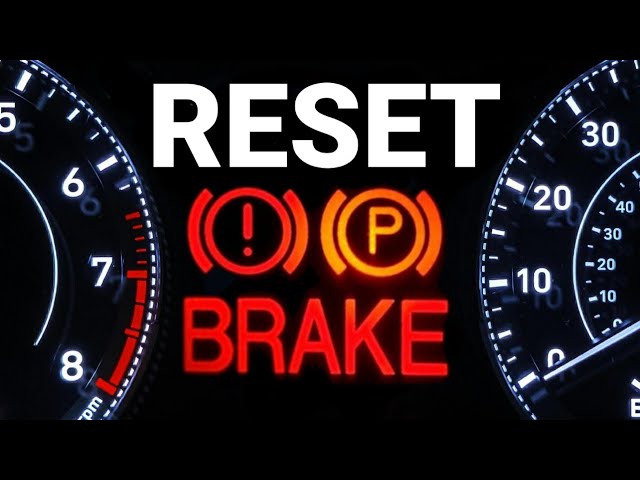
Have you ever noticed your brake light staying on and wondered what to do next? You’re not alone.
This issue can be frustrating, especially if you’re unsure why it’s happening or how to fix it. A persistent brake light is not just annoying; it could indicate underlying problems with your vehicle’s safety system. Addressing it promptly is crucial to ensuring your car remains safe to drive.
Imagine cruising down the road with peace of mind, knowing your car is in top shape. Resetting that brake light is simpler than you might think, and doing it yourself can save you time and money. By understanding the steps to reset your brake light, you empower yourself to take control of your vehicle’s maintenance. We’ll guide you through straightforward solutions to get your brake light back to normal, making sure your car is safe and ready for the road. Let’s dive in and explore how you can easily reset your brake light, ensuring your vehicle’s safety and your peace of mind.
Common Causes For Brake Light Activation
The brake light on your dashboard is a crucial warning signal. Its activation indicates potential issues with your vehicle’s braking system. Understanding the common causes behind this can help you address problems quickly. Below, we delve into several reasons why your brake light might illuminate.
Low Brake Fluid Levels
Brake fluid is essential for your car’s braking system. Low levels can trigger the brake light. Check the fluid reservoir regularly. Refill if necessary.
Faulty Brake Pads
Worn-out brake pads can cause the light to turn on. Inspect them for wear and tear. Replace them promptly to ensure safe driving.
Issues With The Abs
The Anti-lock Braking System (ABS) can sometimes malfunction. This might activate the brake light. A diagnostic check can help identify ABS problems.
Parking Brake Not Fully Released
Sometimes, the parking brake is not completely disengaged. This can keep the brake light on. Ensure the parking brake is fully released before driving.
Electrical Problems
Electrical faults can also trigger the brake light. Wiring issues or sensor malfunctions might be the culprit. Professional inspection is often needed to fix these.
Damaged Brake Sensors
Brake sensors monitor the system’s health. If damaged, they may cause the light to activate. Regular maintenance can prevent sensor issues.

Credit: www.youtube.com
Safety Precautions Before Resetting
Ensure the car is on a flat surface and in park. Turn off the engine and set the parking brake. Disconnect the battery to prevent electrical issues during the reset process.
Before resetting the brake light in your car, prioritize safety. Understanding and following safety precautions can prevent accidents and ensure the task is done correctly. This section discusses essential safety measures you should consider before proceeding with the reset.Check Your Vehicle’s Manual
Consult your car’s manual for specific instructions. Each car model may have unique steps or warnings. The manual provides detailed information tailored to your vehicle.Park Your Car Safely
Ensure your car is parked on a flat surface. This prevents any unintended movement. Engage the parking brake to secure the vehicle further.Turn Off The Engine
Switch off the engine before starting. This avoids electrical hazards and ensures your safety. Working with the car off minimizes risks related to electrical components.Wear Protective Gear
Use gloves and safety glasses. Protect your hands and eyes from any debris or sharp objects. Safety gear reduces the risk of injury during the reset process.Disconnect The Battery
Disconnect the battery to prevent electrical shocks. This step is crucial when dealing with electrical systems. It ensures there are no surprises while you work.Inspect Brake System Components
Check the brake system for any visible damage. Look for leaks, worn-out parts, or unusual signs. Address any issues before proceeding to reset the brake light.Tools Needed For Brake Light Reset
Resetting a brake light often requires basic tools like a wrench, screwdriver, and diagnostic scanner. These tools help you safely remove and replace components, ensuring the brake light functions properly. Properly following the vehicle’s manual is also crucial for a successful reset.
Resetting the brake light in your car can be a simple task. It requires a few basic tools and a little patience. The process involves checking connections, replacing bulbs, and sometimes consulting the car manual. Before you start, gather the necessary tools. Having the right tools makes the job easier and faster.Basic Toolkit
A basic toolkit is essential for brake light reset. It typically includes screwdrivers, pliers, and a wrench. Screwdrivers help remove any covers or panels. Pliers are useful for handling small parts. A wrench might be needed to loosen bolts.Replacement Bulbs
Always have replacement bulbs on hand. Check your car manual for the correct bulb type. Using the wrong bulb can cause problems. Keep extra bulbs to avoid last-minute trips to the store.Multimeter
A multimeter checks electrical connections. It ensures the brake light is receiving power. This tool is handy for diagnosing electrical issues. Ensure you know how to use it safely.Work Gloves
Protect your hands with work gloves. They offer a good grip and prevent cuts. Handling car parts can be rough on bare hands. Gloves also keep your hands clean from grease.Torch Or Flashlight
A torch helps you see in dark or tight spaces. Brake light areas can be dim. A flashlight ensures you don’t miss small details.Car Manual
Your car manual is a valuable resource. It provides specific guidance for your car model. It includes diagrams and step-by-step instructions. Keep it nearby for quick reference.
Credit: m.youtube.com
Locating The Brake Light Sensor
Locating the brake light sensor is key to resetting the brake light in your car. Typically, it is found near the brake pedal, attached to the brake light switch. Ensure the car is off before inspecting or adjusting the sensor.
Locating the brake light sensor in your car can feel like searching for a needle in a haystack, especially if you’re not familiar with the inner workings of vehicles. This little component plays a big role in ensuring your safety on the road. The brake light sensor is responsible for signaling the lights at the back of your car to illuminate when you press the brake pedal. Understanding its location and function can save you from unnecessary trips to the mechanic and keep your vehicle running smoothly. Let’s dive into the specifics.Understanding The Brake Light Sensor Function
The brake light sensor, also known as the brake light switch, activates your brake lights when you press the brake pedal. It ensures that drivers behind you are aware when you’re slowing down. This small component is critical for road safety, preventing accidents by alerting trailing vehicles of your actions.Common Locations For Brake Light Sensors
In most cars, the brake light sensor is located near the brake pedal. Look under the dashboard where the pedal is attached. You may find it mounted directly to the pedal assembly or nearby, connected with a small wire harness.Checking Your Car’s Manual
Your car’s manual is your best friend when searching for the brake light sensor. It provides detailed diagrams and explanations specific to your car model. If you’re unsure, refer to the manual for accurate information on locating and accessing the sensor safely.Signs Of A Faulty Brake Light Sensor
A common sign of a malfunctioning brake light sensor is brake lights that stay on constantly or fail to light up. This can lead to confusion on the road and potential fines. Listen for any clicking noises when pressing the brake pedal, which might indicate a problem with the sensor.Personal Tip: Note Your Sensor’s Position
When you locate the brake light sensor, take a moment to note its position and connections. A quick photo with your phone can be a lifesaver if you need to reinstall it later. This small step can save you time and frustration, especially if you’re replacing or resetting the sensor yourself. Remember, understanding your car’s components not only empowers you but also ensures you’re driving safely and efficiently. Are you ready to tackle the brake light sensor challenge?Steps To Reset The Brake Light
Resetting the brake light in a car involves turning the ignition to the “on” position without starting the engine, then pressing the brake pedal several times. Check the car’s manual for specific instructions, as some vehicles might require different steps.
Resetting the brake light in your car is simple. Follow these steps carefully. You’ll ensure your vehicle’s safety and functionality.Turn Off The Ignition
Begin by turning off the car’s ignition. Make sure the engine is completely off. This step ensures safety and prevents electrical issues.Disconnect The Battery
Open the car hood. Locate the battery. Use a wrench to disconnect the negative terminal. This helps reset the electrical system.Inspect The Brake System
Check the brake fluid level. Look for any leaks or worn-out parts. Ensure everything is in good condition. Proper inspection prevents future issues.Reconnect The Battery
Once inspection is complete, reconnect the battery. Attach the negative terminal securely. Ensure all connections are tight.Check The Brake Light
Turn on the ignition. Check if the brake light is reset. Ensure it functions correctly. If not, consult a professional for help.When To Seek Professional Help
Consult a professional when brake light resetting becomes challenging. Persistent issues after basic checks often require expert intervention. Safety should always be prioritized when dealing with vehicle electrical systems.
When the brake light stays on, it can signal a problem. Sometimes, fixing it is simple. But there are times when professional help is best. Knowing when to call a mechanic can save time and stress.Understanding Complex Electrical Issues
Some brake light problems involve electrical systems. These systems can be tricky. If you notice flickering lights or other electrical oddities, a professional can help. They have tools to diagnose electrical faults accurately.Persistent Warning Light
If the brake light remains on despite resets, it might indicate a bigger issue. This could be a brake fluid leak or sensor malfunction. Mechanics can check these problems thoroughly and ensure your car is safe to drive.Strange Noises When Braking
Noises during braking might mean brake wear or damage. A persistent brake light could be related. Professionals can inspect brake pads and rotors. They will replace worn parts and fix the light.Complex Car Models
Newer cars have advanced systems. These systems might need specialized equipment for repairs. Mechanics have experience with different car models. They can handle complex resets efficiently.Lack Of Tools Or Experience
Not everyone has the tools or experience for car repairs. Brake light issues might require special tools. Mechanics have the equipment needed for safe repairs. They can ensure everything is fixed correctly.Tips For Maintaining Brake System
Resetting the brake light in a car involves turning the ignition to the on position without starting the engine. Press the brake pedal fully and hold it for about 10 seconds. This simple procedure helps in clearing the brake light indicator on most vehicles.
Maintaining your car’s brake system is crucial for safety. Regular checks ensure everything functions well. Addressing issues early can prevent expensive repairs. A well-maintained brake system also extends the life of your vehicle. Here are some tips to keep your brakes in top condition.Inspect Brake Pads Regularly
Check your brake pads every few months. Look for wear and tear. Thin or worn pads can affect braking performance. Replace them if they are less than a quarter inch thick.Keep Brake Fluid In Check
Brake fluid is vital for smooth braking. Check the fluid level monthly. Ensure it’s between the minimum and maximum marks. If low, top it up with the correct type.Listen For Unusual Noises
Pay attention to any strange sounds. Squeaking or grinding may indicate a problem. Address these noises promptly to avoid further damage.Monitor Brake Pedal Response
Feel the brake pedal’s response. A soft or spongy pedal might mean air in the brake lines. Get it checked by a professional.Maintain A Clean Brake System
Keep brakes clean to prevent dust buildup. Use a gentle cleaner and a brush. Clean brakes work more efficiently.Schedule Regular Professional Inspections
Visit a mechanic for regular brake inspections. They can spot issues you might miss. Regular checks ensure your brakes stay in good condition.
Credit: www.youtube.com
Frequently Asked Questions
How To Reset Brake Light Warning?
Locate the brake light switch near the pedal. Disconnect the battery. Wait a few minutes, then reconnect. Test the brake lights.
How Do I Reset My Electronic Parking Brake Light?
Turn off the vehicle and set the parking brake. Release it, then turn the ignition back on. If the light remains, consult your owner’s manual or a professional mechanic for assistance. Resetting procedures can vary by vehicle model. Always ensure safety during any maintenance actions.
How To Stop Brake Warning Light?
Check the brake fluid level and refill if low. Inspect brake pads for wear and replace if needed. Ensure brake sensors are functioning correctly. Disconnect the battery for a few minutes to reset the warning light. Always consult a mechanic if the issue persists.
Why Is My Brake Light Still On After Changing My Brakes?
Your brake light might remain on due to a faulty sensor, low brake fluid, or damaged wiring. Check the brake fluid level and inspect the ABS sensor. Consult a professional mechanic if the issue persists. Regular maintenance can prevent brake light problems.
Conclusion
Resetting your car’s brake light is simpler than you think. Follow the steps carefully to ensure safety. Regular checks help avoid bigger issues. Stay alert to warning signs. Routine maintenance saves time and money. Use the right tools for the task.
Consult your car manual for guidance. If needed, seek professional help. Keeping brake lights in good condition ensures safe driving. Always prioritize your vehicle’s safety features. A well-maintained car offers peace of mind on the road. Remember, safety first for you and others.
Keep up with necessary car checks regularly.